

In the rapidly evolving landscape of decentralized AI GPU compute, 2025 marks a pivotal shift where everyday GPU owners can tap into lucrative AI inference DePIN rewards by running Inference Devnet nodes. Platforms like Inference. net are democratizing access to high-performance inference tasks, powering everything from Llama 3 models to DeepSeek deployments across a globally distributed network. As a strategist who's tracked DePIN's ascent, I see this not just as a tech trend, but a strategic play for portfolio diversification amid centralized cloud monopolies.
Decoding the Proof of Inference Network Mechanics
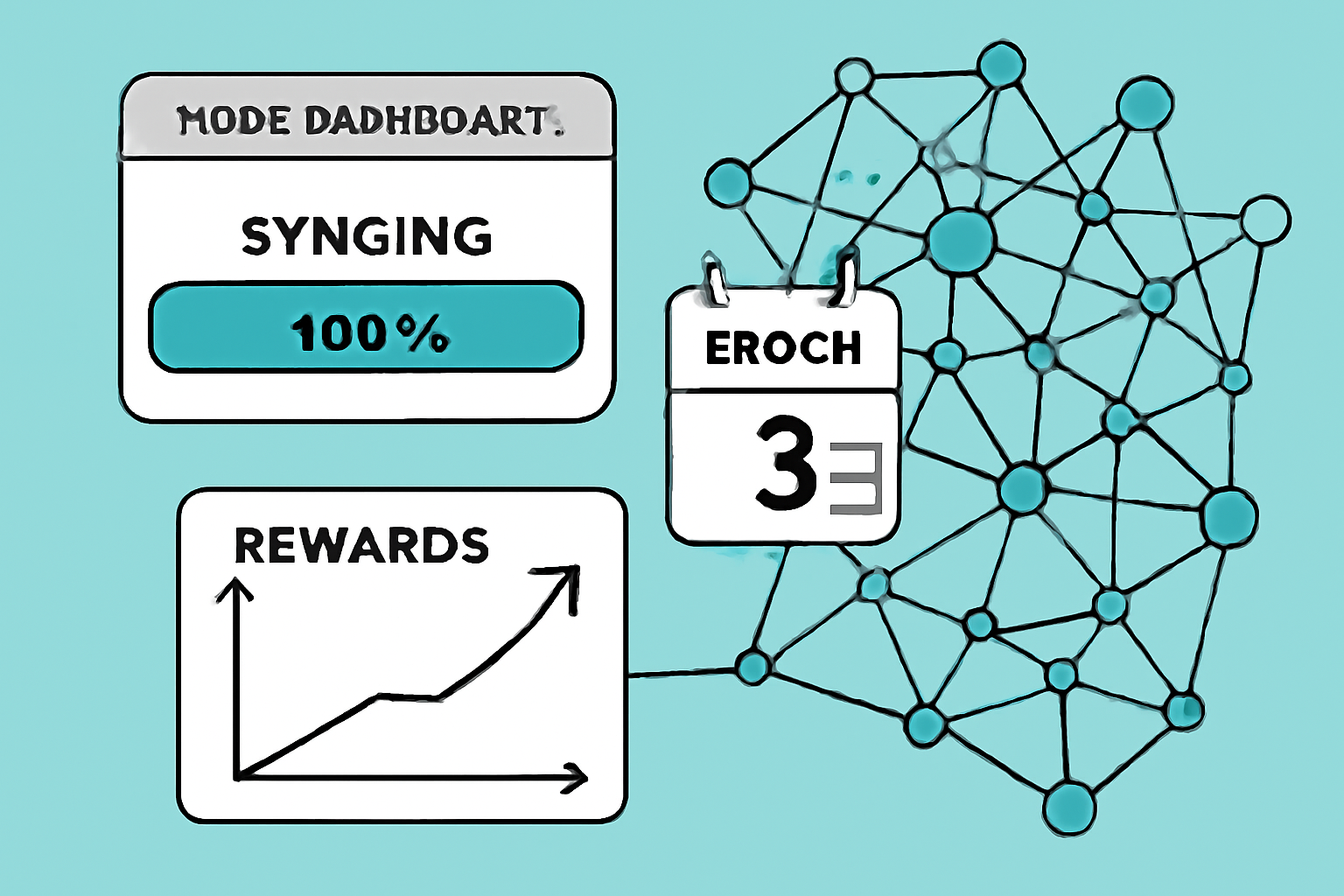
The core appeal of Inference Devnet lies in its proof of inference network, a clever protocol that verifies compute contributions without relying on blind trust. GPU operators connect their hardware to process real AI workloads, earning $INT points scaled to their uptime and task throughput. Unlike traditional staking, this ties rewards directly to tangible utility, fostering a merit-based ecosystem. Documentation highlights Epoch 3 upgrades, including automatic node updates and core protocol enhancements, signaling robust maturation.
Consider the broader context: Node AI's GPU aggregator integrates AWS and Azure resources, but Inference. net's Solana-based approach offers native crypto incentives with lower friction for retail operators. I've analyzed similar setups like io. net's Internet of GPUs, yet Inference stands out for its focus on inference-specific optimizations, crucial as AI agents demand real-time, accountable compute for robotics and autonomy.
Inference Network delivers accountability to robotics, AI agents, and every frontier of autonomy.
Strategic Advantages of Solana GPU Node Setup
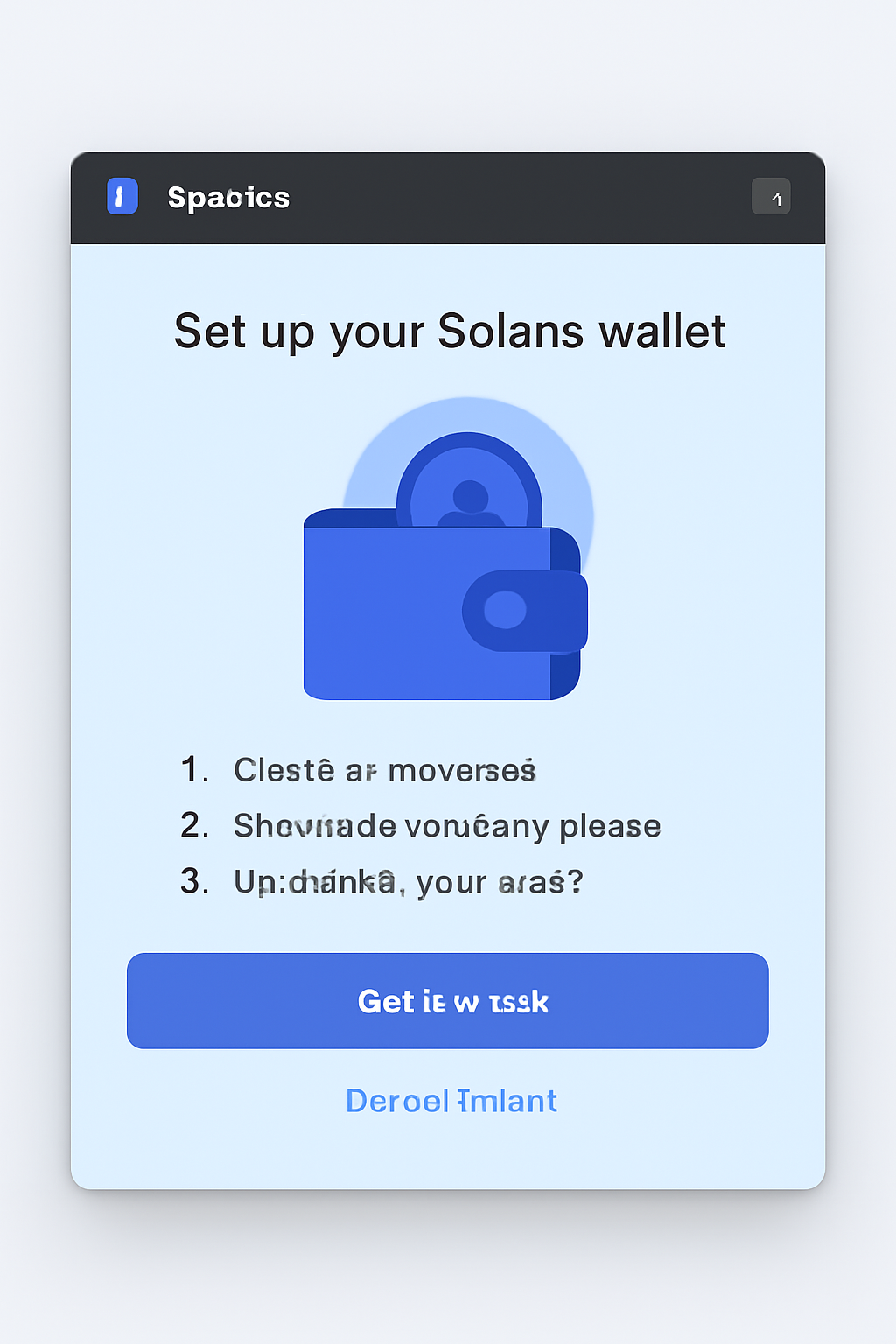
Opting for Solana GPU node setup on Inference Devnet positions you at the intersection of high-speed blockchain and AI compute. Solana's devnet environment, bolstered by easy SOL faucets and airdrops, minimizes entry barriers. Tutorials emphasize wallet preparation first: fund a Phantom or Solflare wallet with devnet SOL, then align it for Epoch 3 participation. This setup unlocks features like streamlined task allocation, where your GPUs handle inference on frontier models, outpacing browser-based alternatives like Neurolov in raw power.
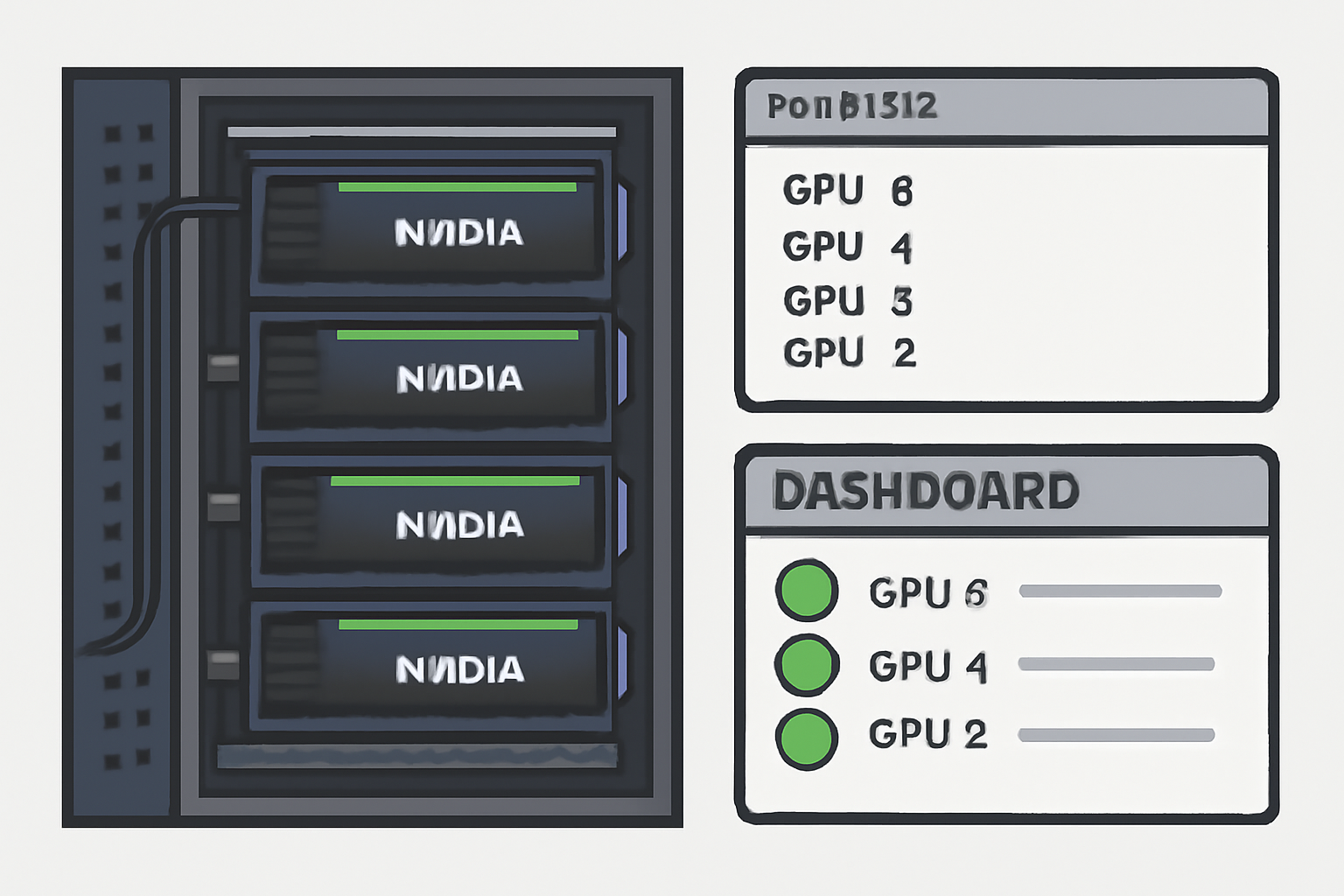
From a balanced viewpoint, risks exist - hardware depreciation and network volatility - but rewards scale with GPU count, per official intros: "The more GPUs you connect, the more $INT points you earn. " Strategic operators prioritize NVIDIA A100 or RTX series for compatibility, eyeing long-term $INT token value accrual as the network scales toward mainnet.
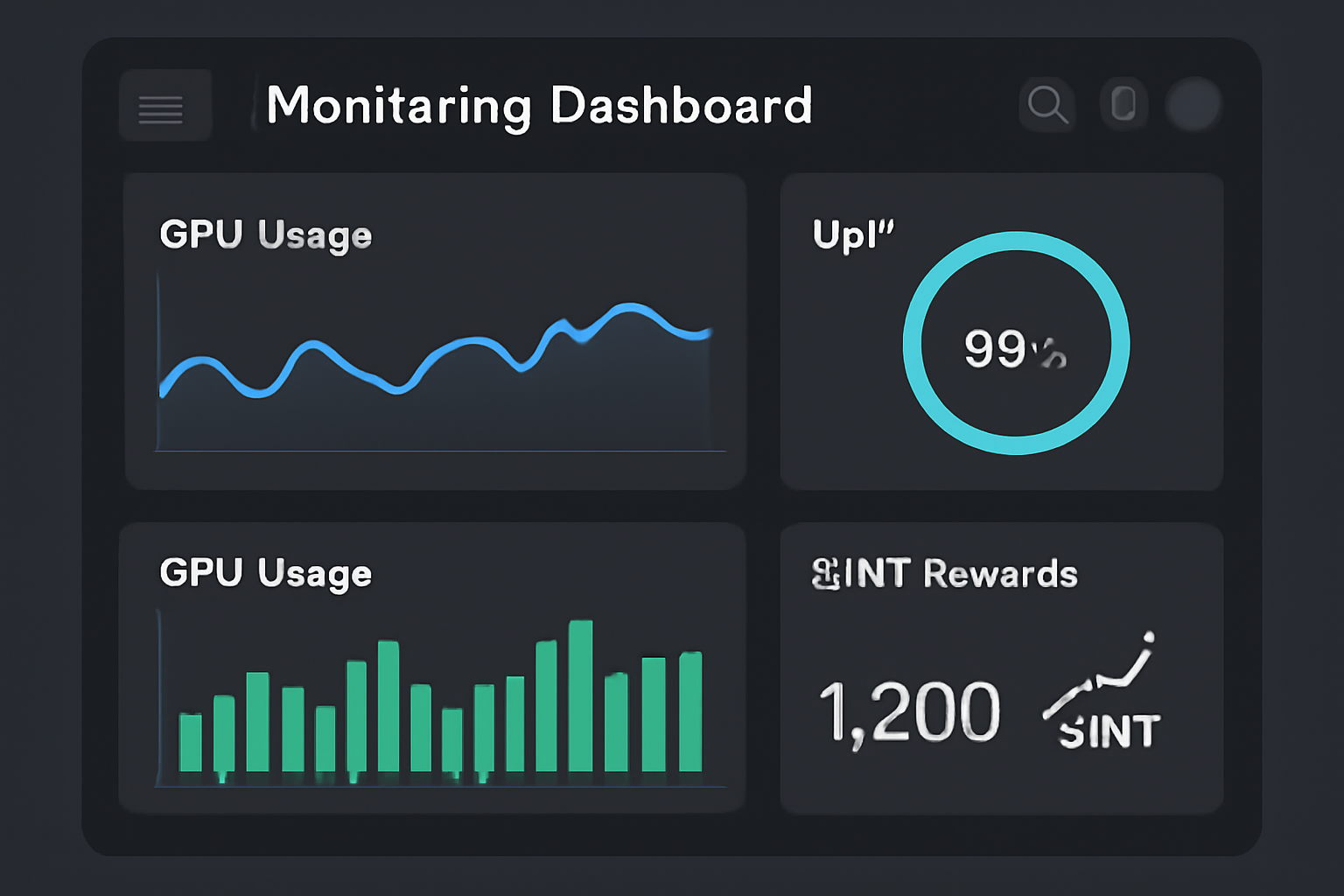
Unlock $INT Rewards: Inference Devnet Node Setup Guide
Navigating Devnet Epochs for Maximum Rewards
Epoch 3 represents a leap, with timelines outlining improved node stability and reward distribution. Operators preparing now can capitalize on early adopter bonuses, much like io. net's startup-focused model but tailored for inference. Community guides, from YouTube breakdowns to official quick starts, simplify deployment: install software, sync wallet, and monitor dashboard for tasks. My take? This is DePIN's sweet spot - blending crypto economics with AI utility, where strategic node runners hedge against centralized providers' escalating costs.
Real-world traction underscores potential: Inference Labs pushes accountability in autonomy, while Nodes AI tutorials reveal marketplace dynamics - list your GPU, await rentals, earn passively. Yet Inference's Solana integration adds programmability, enabling custom inference pipelines. As 2025 unfolds, running these nodes isn't hype; it's a calculated move in the decentralized compute race.

Yet the true edge emerges when you layer in Solana's ecosystem advantages. Devnet SOL is readily available through faucets, ensuring you test without capital outlay. This frictionless entry lets operators focus on optimization - tweaking GPU configurations for peak inference efficiency on models like Llama 3. In my experience bridging finance and crypto, such setups reward patience; early Epoch participants often see compounded $INT accrual as network demand surges.
Balancing Risks in the DePIN Reward Landscape
Strategic deployment demands a clear-eyed assessment of hurdles. Hardware costs loom large - an NVIDIA A100 isn't cheap - and electricity bills can erode margins if uptime dips below 90%. Network congestion on Solana devnet, though rare, could delay tasks, while $INT point volatility ties rewards to token economics still forming. I've seen parallels in io. net's aggregator model, where oversupply diluted early earnings; Inference counters this via proof-of-inference rigor, ensuring only verified compute pays out.
That said, diversification mitigates these. Run nodes alongside staking in GPU DAOs, as Node AI's Phase 01 rollout demonstrates with AWS integrations. Or hybridize with browser networks like Neurolov for low-stakes testing. My balanced strategy? Allocate 10-20% of a DePIN portfolio here, prioritizing enterprise-grade GPUs for sustained throughput. This isn't get-rich-quick; it's positioning for when AI agents - from robotics to autonomous trading bots - flood the network with paid inference jobs.
| Network | Focus | Reward Model | Blockchain |
|---|---|---|---|
| Inference. net | AI Inference | $INT Points via Proof-of-Inference | Solana |
| io. net | GPU Aggregation | Token for Compute Rentals | Solana |
| Node AI | Marketplace | GPU DAO Staking | Multi-chain |
| GPU. net | Provider Nodes | Passive Earnings | Custom |
Maximizing AI Inference DePIN Rewards in 2025
To extract optimal value, monitor dashboards religiously for task queues and uptime scores. Epoch 3's automatic updates reduce manual intervention, letting you scale across multiple rigs. Community momentum, fueled by YouTube setups and official quick starts, accelerates learning curves. Picture this: your GPUs churning DeepSeek inferences overnight, accruing points while centralized clouds hike rates amid AI hype.
From a macroeconomic lens, this aligns with DePIN's maturation. As enterprises shun AWS monopolies for cost parity - often 50-70% cheaper via decentralized pools - inference demand will explode. Inference. net's accountability layer, vital for AI agents in robotics, positions operators as infrastructure kings. I've advised portfolios heavy on such plays; the data backs it, with devnet traction mirroring io. net's pre-mainnet surge.
Operators who nail Solana GPU node setup today will reap disproportionately tomorrow. Start small, iterate on feedback from devnet epochs, and watch $INT evolve into a staple for decentralized AI compute. In a world where compute scarcity defines winners, running these nodes is less gamble, more calculated inevitability.
The network's global distribution ensures resilience, sidestepping regional outages that plague hyperscalers. Strategic minds will pair this with macro hedges - think BTC exposure amid rate cuts - creating resilient yield streams. As 2025 progresses, Inference Devnet isn't merely a node runner's side hustle; it's the vanguard of a compute revolution where ownership trumps rental, and utility drives value.



No comments yet. Be the first to share your thoughts!