

In the shifting terrain of decentralized AI infrastructure, PerceptronNTWK browser nodes offer a subtle yet potent mechanism for passive earnings, anchoring themselves firmly within DePIN AI data meshes. As everyday devices transform into decentralized AI sensor nodes, users contribute idle bandwidth and interactions to fuel ethical AI training datasets. This model sidesteps the energy-intensive demands of traditional compute nodes, instead leveraging browser-based participation that requires minimal setup. With over 700,000 active nodes post-merger with BlockMesh, the network exemplifies how browser DePIN AI compute can scale globally while rewarding contributors through PERC tokens. Yet, as a macro analyst attuned to volatility in digital asset markets, I approach this surge with measured optimism; the promise of passive AI compute earnings must be weighed against execution risks and market cycles.
The architecture hinges on simplicity. Users install a lightweight browser extension or mobile app, which taps into unused internet resources to gather publicly available data and human-like interactions. This data enriches AI models, distinguishing PerceptronNTWK from bandwidth-sharing peers by emphasizing AI-native verification. No heavy hardware needed; a standard laptop or smartphone suffices, democratizing access to DePIN rewards. Early adopters report steady accruals, but sustainability depends on demand from AI developers seeking diverse, verifiable datasets.
Merger Catalyzes Explosive Node Growth
June 2025 marked a pivotal shift when Perceptron Network absorbed BlockMesh, birthing the first end-to-end decentralized AI data infrastructure. BlockMesh's established node base-originally focused on bandwidth sharing-evolved into a robust backbone for Perceptron's AI ambitions. Today, this hybrid yields over 700,000 nodes worldwide, a figure that underscores the viability of browser DePIN AI compute at scale. Partnerships like the one with OpenLedgerHQ bolster on-chain transparency, ensuring contributions are tamper-proof and attributable.

This expansion arrives amid heightened interest in ethical AI sourcing. Centralized datasets often suffer from biases or privacy pitfalls; PerceptronNTWK counters with a permissionless mesh where nodes opt-in voluntarily. Rewards flow via PERC tokens, distributed based on uptime, data quality, and bandwidth contributed. Airdrop campaigns, including snapshots projected for early 2026, have amplified adoption, drawing Solana wallet holders and mobile browser users. Still, I caution that such incentives can inflate participation short-term, potentially diluting per-node yields if growth outpaces utility demand.
Mechanics of Passive Earnings in Browser Nodes
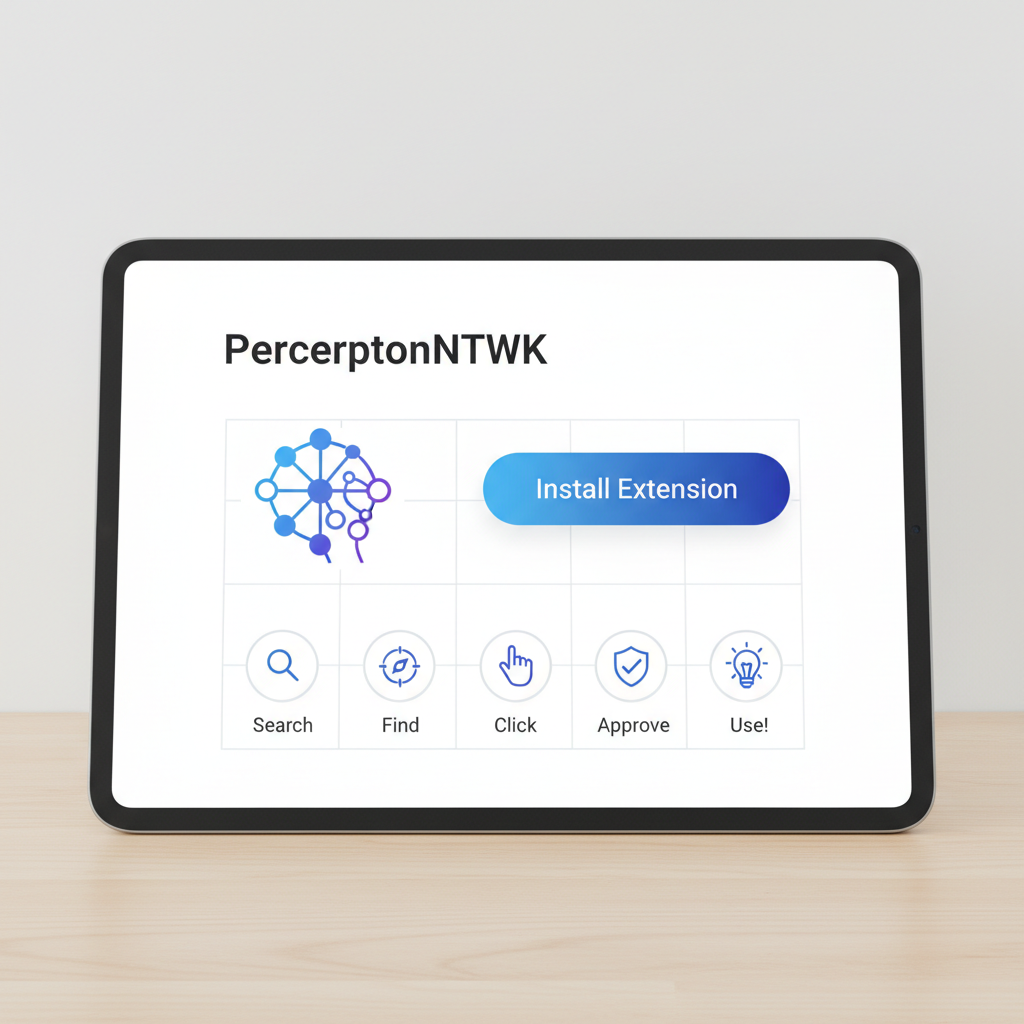
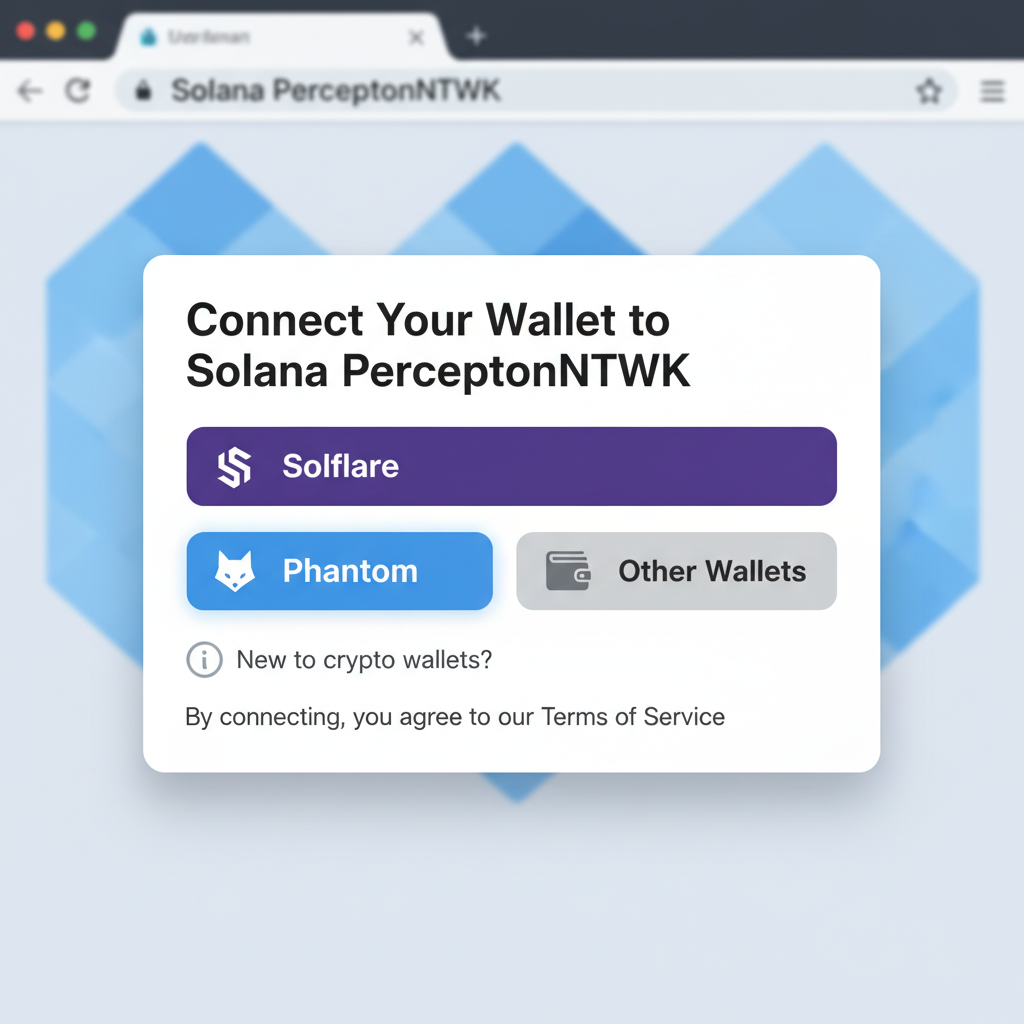
Engaging as a PerceptronNTWK node operator is deceptively straightforward, yet underpinned by sophisticated protocols. Download the extension-via WootzApp for mobile eligibility or desktop browsers-and authenticate. The software idles during off-peak hours, routing a sliver of bandwidth (typically under 5% utilization) to scrape public web data or simulate interactions. AI validators score submissions for authenticity, rejecting synthetic noise that plagues lesser networks.
Earnings accrue passively: expect micro-rewards per session, compounding with consistent operation. Historical data from BlockMesh eras suggests viable side income for high-uptime users, though PERC volatility introduces uncertainty. As an FRM-certified risk manager, I stress diversification; treat this as a speculative overlay to core holdings, not a salary replacement. Network effects amplify value-uptime begets better data diversity, attracting premium AI clients-but centralization risks lurk if node geography skews.
Tokenomics and Risk-Adjusted Opportunities
PERC tokens serve dual roles: utility for data access and governance for protocol upgrades. Post-merger tokenomics allocate supplies to node operators (40-50% typical in DePIN), with vesting to curb dumps. Airdrops tied to snapshots incentivize early loyalty, potentially unlocking $500 and claims for qualifiers. Yet, macroeconomic headwinds loom; crypto winters compress DePIN valuations, and regulatory scrutiny on data privacy could cap growth.
Opportunities persist for the astute. In a 2026 landscape where AI compute demand surges, PerceptronNTWK's lean model positions it favorably against GPU-heavy rivals. Passive AI compute earnings shine for retail participants, but monitor metrics like node retention and PERC velocity. My thesis: allocate cautiously, targeting 5-10% portfolio exposure, with exit triggers at key support levels informed by on-chain activity.
Balancing these dynamics requires vigilance. Node operators should track PERC's on-chain metrics, such as staking ratios and burn rates, which signal long-term health in DePIN AI data meshes. High-velocity token circulation could erode value, while locked rewards enhance scarcity. My risk-adjusted lens favors projects where utility precedes hype; PerceptronNTWK's pivot to verifiable human data positions it well, but execution falters if AI demand lags.
Setting Up PerceptronNTWK Browser Nodes
Transitioning from spectator to contributor in decentralized AI sensor networks demands minimal friction. PerceptronNTWK nodes thrive on browser DePIN AI compute, sidestepping hardware hurdles that plague full-fledged miners. Focus on uptime and data quality to maximize passive AI compute earnings; intermittent operation yields fractions, while 24/7 dedication compounds rewards. Geographic diversity bolsters network resilience, so operators in underrepresented regions may command premiums.
Unlock Passive PERC Rewards: Secure PerceptronNTWK Browser Node Setup Guide

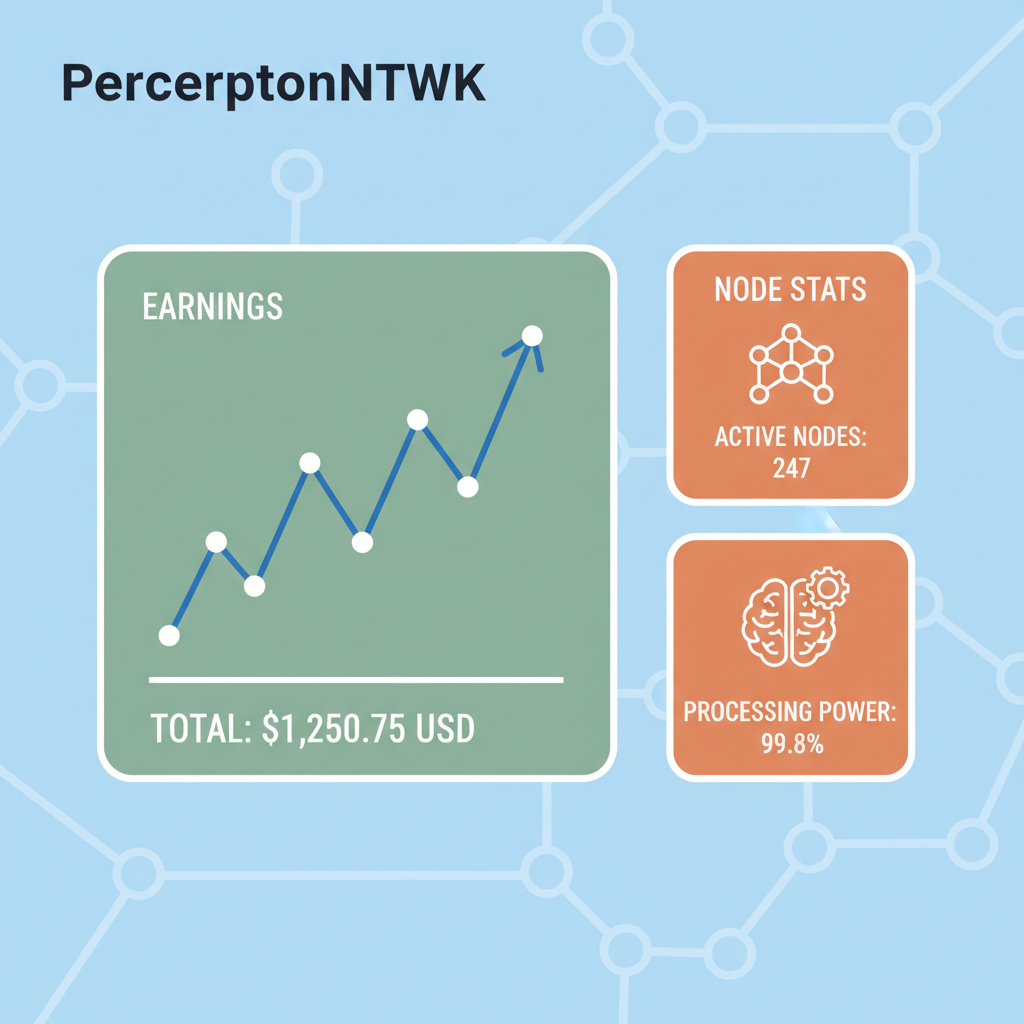
Once live, dashboards reveal granular stats: bandwidth routed, data validated, PERC accrued. Early BlockMesh users averaged modest but consistent yields, scaling with network maturity. Yet, bandwidth caps prevent ISP conflicts, and privacy layers anonymize contributions, mitigating exposure in an era of stringent regulations.
Community fervor on platforms underscores momentum, yet sustainable growth pivots on enterprise uptake. AI firms crave diverse datasets; PerceptronNTWK's mesh delivers, but competition from Bittensor or Render intensifies. Differentiate via browser-native access, where passive earners outpace active miners in accessibility.
Risks and Mitigation in Decentralized AI Sensor Nodes
Volatility defines DePIN landscapes. PERC, like kin tokens, swings with broader crypto tides; bear phases crush yields when fiat conversions falter. Technical risks abound: oracle failures could undervalue contributions, or central validators might introduce trust chokepoints. Regulatory headwinds, particularly around data scraping ethics, loom large; ensure compliance with local norms to avert shutdowns.
Macro overlays compound caution. Inflationary pressures or AI hype cycles could divert capital from lean DePIN models to flashy GPU farms. My FRM background prompts hedging: pair node operation with stablecoin reserves, setting stop-losses at 20-30% drawdowns. Diversify across DePIN verticals-storage via Filecoin, compute via Akash-to buffer single-project exposure.
PerceptronNTWK (PERC) Price Prediction 2027-2032
Forecast based on node growth to 1M+, AI demand surge, BlockMesh merger synergies, and macro risk factors in decentralized AI data networks
| Year | Minimum Price ($) | Average Price ($) | Maximum Price ($) |
|---|---|---|---|
| 2027 | $0.15 | $0.45 | $1.20 |
| 2028 | $0.30 | $1.10 | $3.50 |
| 2029 | $0.60 | $2.50 | $8.00 |
| 2030 | $1.00 | $5.00 | $15.00 |
| 2031 | $1.80 | $9.00 | $28.00 |
| 2032 | $3.00 | $15.00 | $45.00 |
Price Prediction Summary
PERC token is projected to experience substantial growth from 2027-2032, driven by exponential node expansion beyond 1M, surging AI data demands, and synergies from the BlockMesh merger. Bullish scenarios could yield 100x+ returns by 2032 amid DePIN and AI hype, while bearish mins account for market cycles, regulatory hurdles, and competition. Average prices reflect moderate adoption with 30-50% YoY growth.
Key Factors Affecting PerceptronNTWK Price
- Rapid node growth from 700K+ to 1M+ active participants via browser extensions and mobile apps
- AI demand surge for high-quality, ethical decentralized data meshes
- Merger synergies with BlockMesh enhancing global bandwidth and compute resources
- Partnerships like OpenLedgerHQ for on-chain AI transparency
- Macro risks: crypto market cycles, regulatory scrutiny on DePIN/AI, competition from AIOZ/IO.NET
- Technological upgrades in passive earning mechanisms and airdrop incentives
Disclaimer: Cryptocurrency price predictions are speculative and based on current market analysis. Actual prices may vary significantly due to market volatility, regulatory changes, and other factors. Always do your own research before making investment decisions.
Projections hinge on milestones: surpassing 1 million nodes cements dominance in browser DePIN AI compute, potentially lifting PERC multiples. Partnerships amplify this; OpenLedgerHQ's transparency edge attracts institutional data buyers. Yet, underdelivery on utility invites decay, echoing failed meshes.
PerceptronNTWK embodies risk as opportunity managed. Browser nodes forge a participatory bridge to AI's frontier, yielding passive streams amid scarcity. For those navigating with discipline-scaling exposure as metrics affirm thesis-this DePIN AI data mesh offers asymmetric upside. Stake your idle resources wisely; the mesh strengthens with each verified node.




No comments yet. Be the first to share your thoughts!