

In the evolving landscape of decentralized physical infrastructure networks (DePIN), Perceptron Network nodes stand out by leveraging everyday browsers to fuel decentralized AI data collection. Imagine transforming idle Chrome tabs into contributors to a global AI mesh, earning rewards without heavy hardware investments. This browser-based approach democratizes participation in AI DePIN infrastructure, making it accessible to anyone with a stable internet connection.
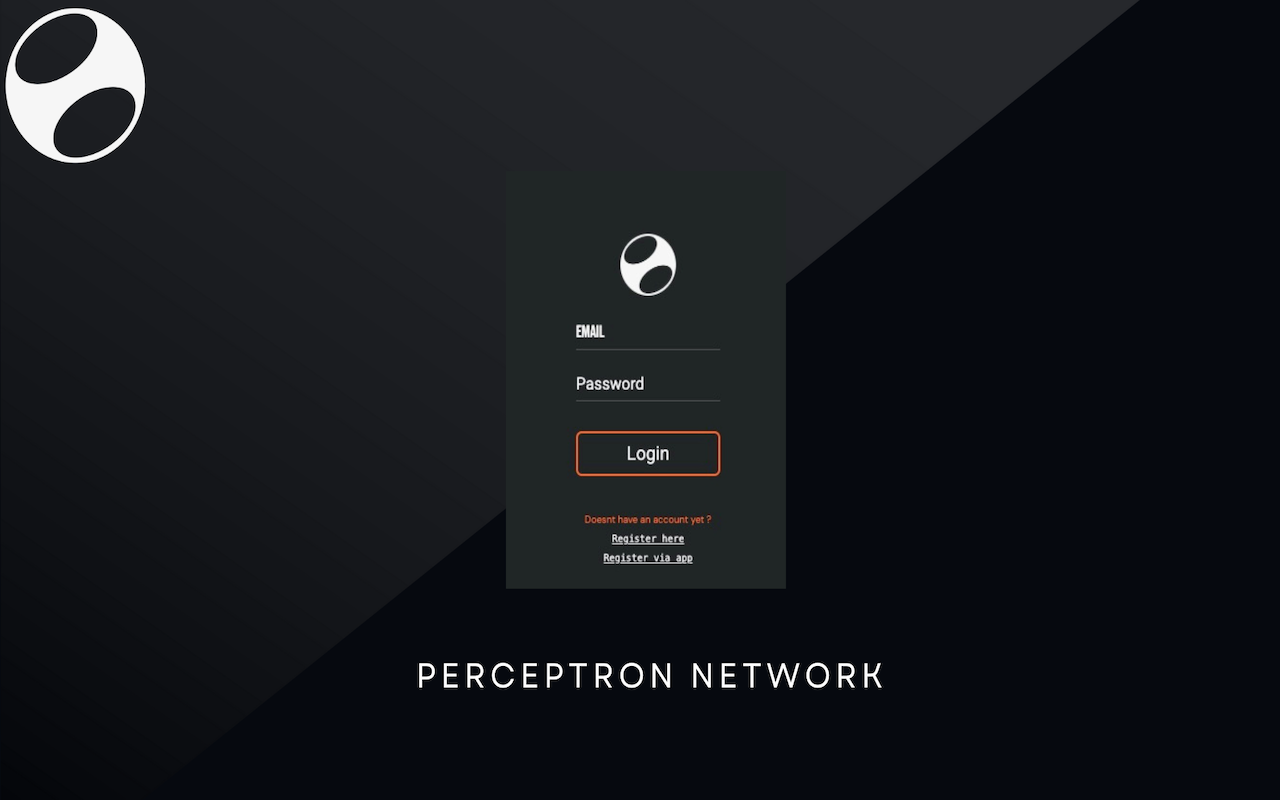
Perceptron Network, post its merger with BlockMesh, now commands over 700,000 active nodes worldwide. This union creates an end-to-end decentralized AI data pipeline, where users share minimal bandwidth to scrape and verify public web data. The result? High-quality, real-time datasets that train more reliable AI models, all while node operators accumulate PerceptronNTWK rewards in the form of PERCs - Proof of Engagement Reputation Certificates.
Decoding the Mechanics of Chrome DePIN AI Nodes
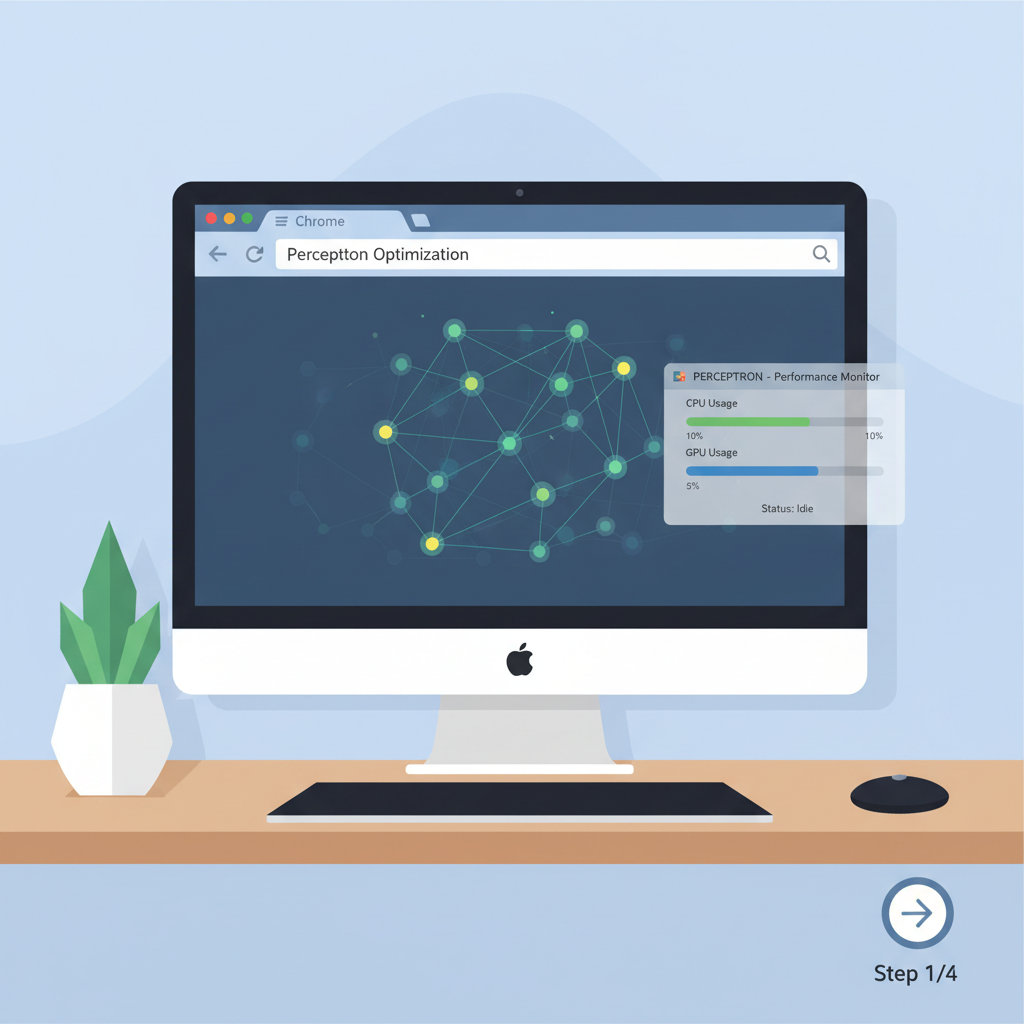
At its core, the Perceptron Chrome extension operates as a lightweight sentinel in your browser. It doesn't touch personal files or drain CPU/GPU resources excessively; instead, it siphons off unused bandwidth - think fractions of your total capacity - to probe public websites. This data, anonymized and aggregated, feeds into AI training loops that demand fresh, verifiable inputs beyond walled-garden datasets.
It transforms your browser into a node in a global AI mesh of over 700,000 users.
From an analytical standpoint, this model mitigates centralization risks plaguing traditional AI data providers. No single entity controls the flow, reducing biases and enhancing resilience against censorship. Participants benefit from a passive income stream, with points accruing based on uptime, bandwidth contributed, and network health. My experience in portfolio management underscores the appeal: low entry barriers paired with scalable returns mirror the best asymmetric opportunities in crypto infrastructure.
Strategic Setup for Maximizing Browser-Based DePIN Nodes
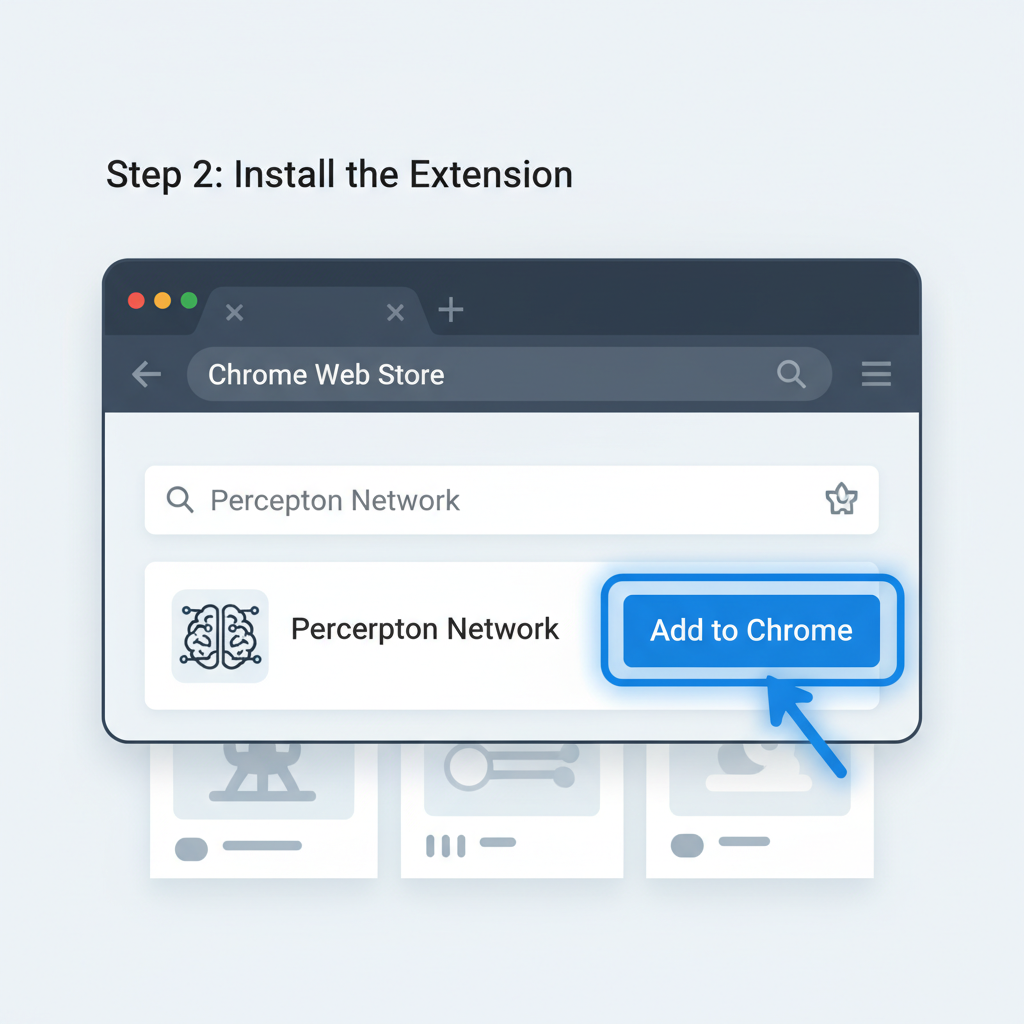
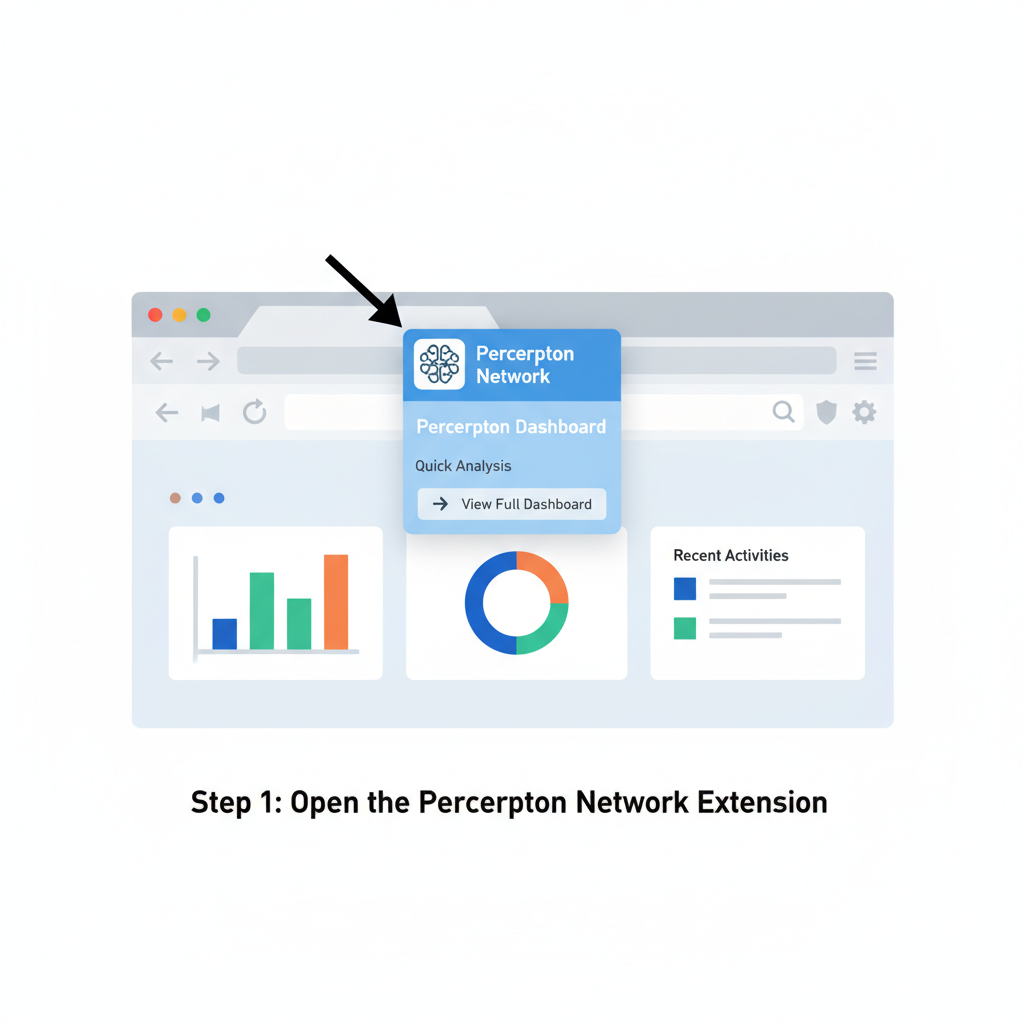
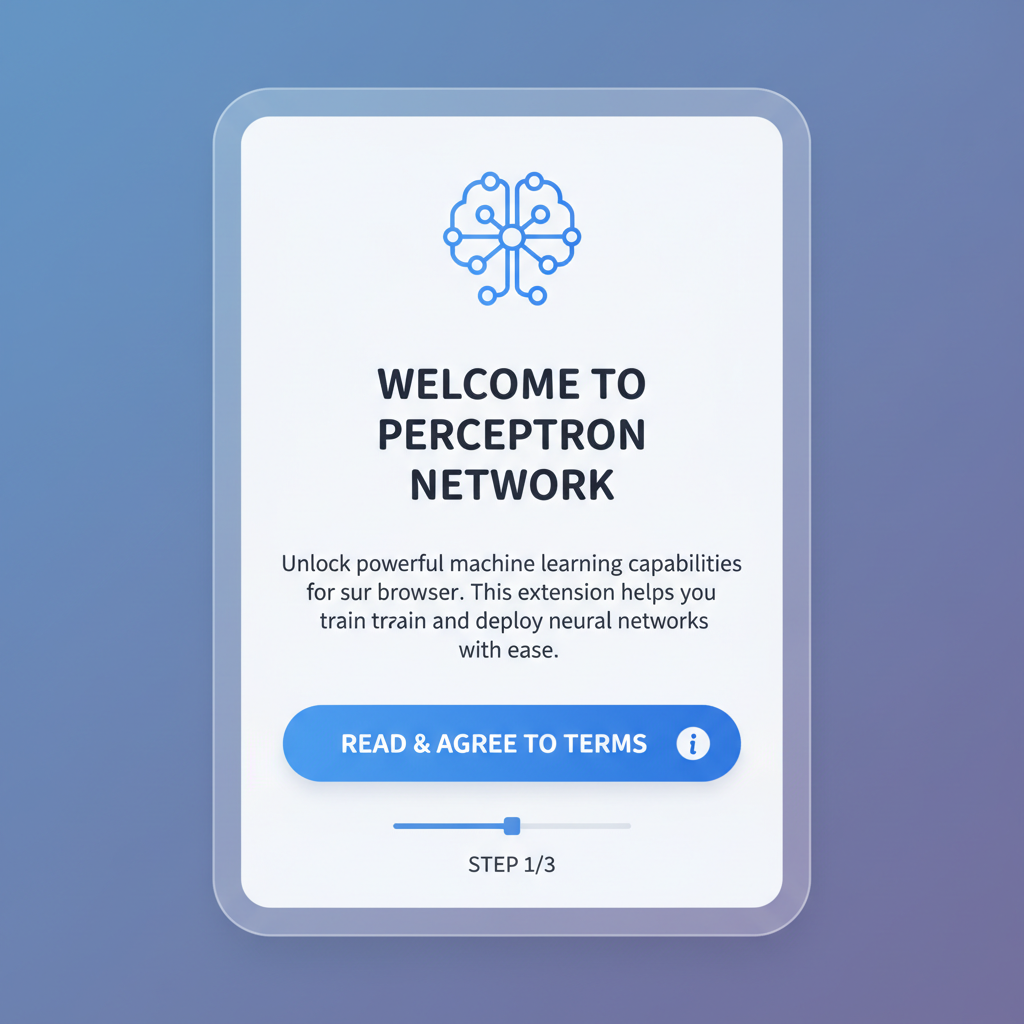
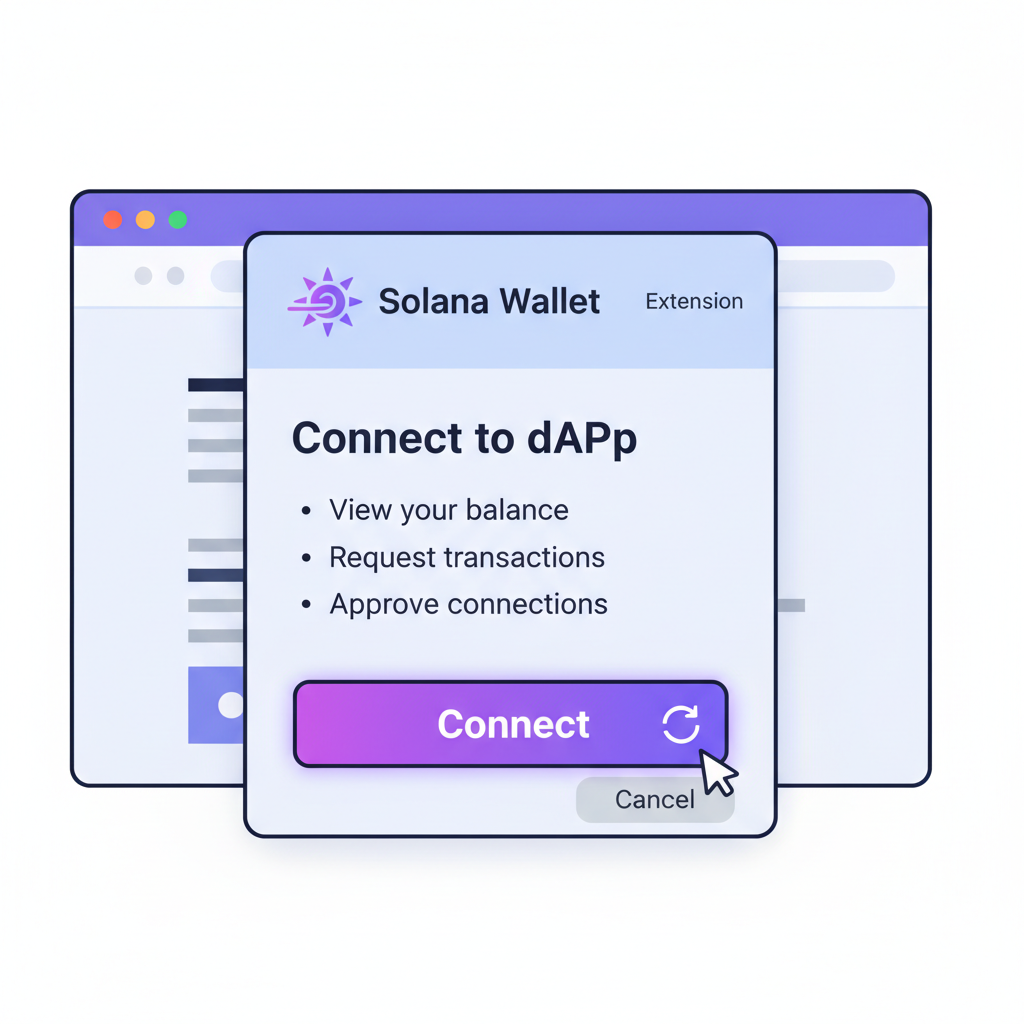
Running a Perceptron Network node begins with simplicity itself. Head to the Chrome Web Store, search for "Perceptron Network, " and install the free extension. Upon activation, it prompts wallet connection - often Solana-based for airdrop eligibility - and begins logging bandwidth points seamlessly in the background.
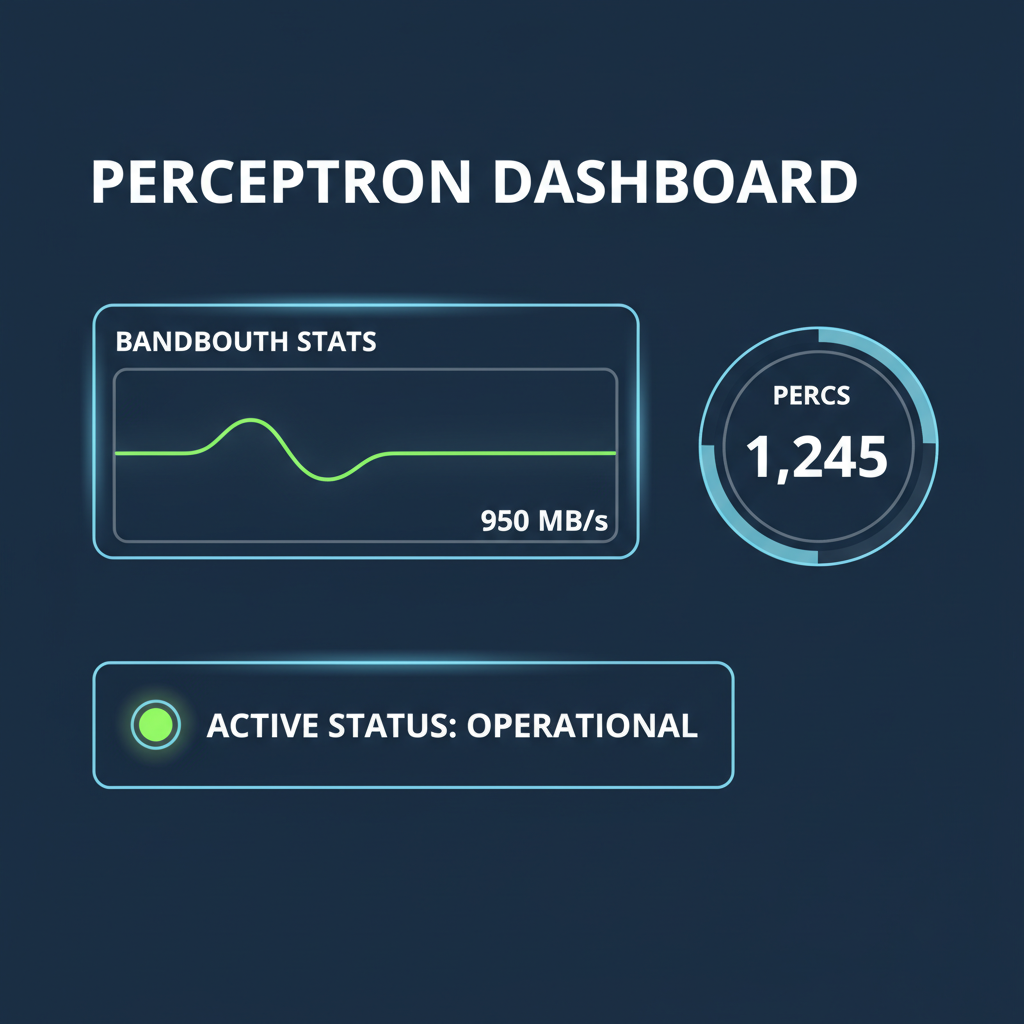
Optimization comes through consistency. Maintain active sessions during peak hours, ensure stable internet exceeding 10 Mbps upload, and monitor the dashboard for performance metrics. Advanced users stack multiple devices or browsers, but beware diminishing returns from IP clustering. Data from community reports suggests top earners hit thousands of points weekly by running nodes 24/7 on dedicated machines.
- Verify extension authenticity via official channels to sidestep phishing.
- Whitelist in ad-blockers if scraping efficiency dips.
- Track snapshots for airdrop qualifications, as hinted in recent notices.
This setup not only positions you for PERC redemptions but also contributes to a network effect strengthening Chrome DePIN AI viability. Patience pays; early adopters in similar projects like Grass or NodeGo have seen point-to-token conversions yield substantial gains.
Unlock Perceptron Network: Install, Link Wallet & Optimize for AI Data Rewards
Navigating Rewards in the Perceptron Ecosystem
PerceptronNTWK rewards hinge on sustained engagement. Bandwidth points accrue linearly with activity, convertible to PERCs upon protocol mainnet launch. These certificates unlock governance votes, premium data access, and potential token airdrops - whispers of $500 and claims circulate in forums, though exact yields depend on total supply and snapshot mechanics.
Insightfully, this incentivizes a meritocratic distribution, favoring reliable nodes over speculative entrants. Compare to centralized cloud providers charging premiums for compute; here, users are paid to participate, flipping the economics. Risks? Network congestion or regulatory scrutiny on data scraping, yet Perceptron's privacy-first design - no personal data touched - bolsters defensibility.
Yet, for those attuned to decentralized AI data collection, the upside eclipses these hurdles. Perceptron's post-merger scale - over 700,000 nodes - fosters unparalleled data diversity, a moat against smaller rivals scrambling for traction.
Benchmarking Against Peer DePIN Extensions
In the crowded arena of browser-based DePIN nodes, Perceptron carves distinction through its AI-centric focus. Grass prioritizes raw bandwidth sales; Kaisar and Gradient lean on GPU scraps for compute. Perceptron, however, channels resources into verifiable web data curation, a niche exploding with AI's hunger for untainted inputs. NodeGo. Ai echoes rewards for idle devices, but lacks the mesh scale or merger-fueled momentum.
Quantitatively, community dashboards reveal Perceptron nodes averaging 20-50% higher point yields per uptime hour versus Grass, attributable to efficient scraping algorithms. This edge stems from BlockMesh's bandwidth optimization tech, now supercharged for AI workloads. From a risk-adjusted lens - my staple in multi-asset strategies - Perceptron offers superior Sharpe ratios: minimal volatility in point accrual, tethered to real utility in AI DePIN infrastructure.
Comparison of Key DePIN Browser Extensions
| Extension | Node Count | Reward Type | Resource Use | AI Focus |
|---|---|---|---|---|
| Perceptron | 700,000+ | PERCs (Proof of Engagement Reputation Certificates) / Airdrop Points | Idle Internet Bandwidth (Lightweight) | ✅ Decentralized AI Data Mesh for Training |
| Grass | N/A | Points / Airdrop | Idle Bandwidth | ✅ AI Data Collection |
| Kaisar | N/A | Crypto Rewards | Browser Resources | ✅ AI Crypto Earnings |
| Gradient (Sentry Node) | N/A | Network Rewards | Idle Device Resources | ✅ AI Rewards Network |
| NodeGo | N/A | Real Rewards | Idle Devices | ✅ DePIN AI Connect |
Stacking nodes across projects amplifies returns, but diversification caps at network overlap risks. My advice: anchor 60% allocation to Perceptron for its data moat, 40% to complements like Grass for bandwidth breadth.
Charting the Path Forward
Looking ahead, mainnet activation looms as the inflection point. Protocol live means PERC-to-token conversions, governance activation, and airdrop distributions keyed to snapshots. Recent notices flag Solana wallet linkages at airdrop. perceptrons. xyz, signaling imminent claims. Speculation swirls around $500 potentials, but realism tempers hype: yields scale with participation tiers and total PERC dilution.
Macro tailwinds favor this model. As AI compute costs balloon - think trillions in projected spends - decentralized alternatives like Perceptron slash expenses by 70-90% via crowdsourced data. Blockchain's immutability verifies provenance, quelling hallucinations plaguing foundation models. Investors, take note: early positioning in Perceptron Network nodes parallels 2021's Helium surge, where bandwidth pioneers reaped 100x from token unlocks.
Sustained operation demands vigilance: rotate IPs quarterly, calibrate bandwidth caps to 20% max, and engage Discord for alpha on upgrades. This isn't set-it-and-forget-it; it's cultivated participation yielding compounding edges.
Addressing Common Queries
Ultimately, Chrome DePIN AI via Perceptron reframes idle resources as portfolio assets. In a world where AI devours data voraciously, contributing to this mesh positions you at the supply frontier. Precision in setup and patience through accrual phases unlock the protocol's latent value, much like nurturing blue-chip holdings through volatility. For developers and earners alike, it's a gateway to owning slices of tomorrow's AI backbone.




No comments yet. Be the first to share your thoughts!