

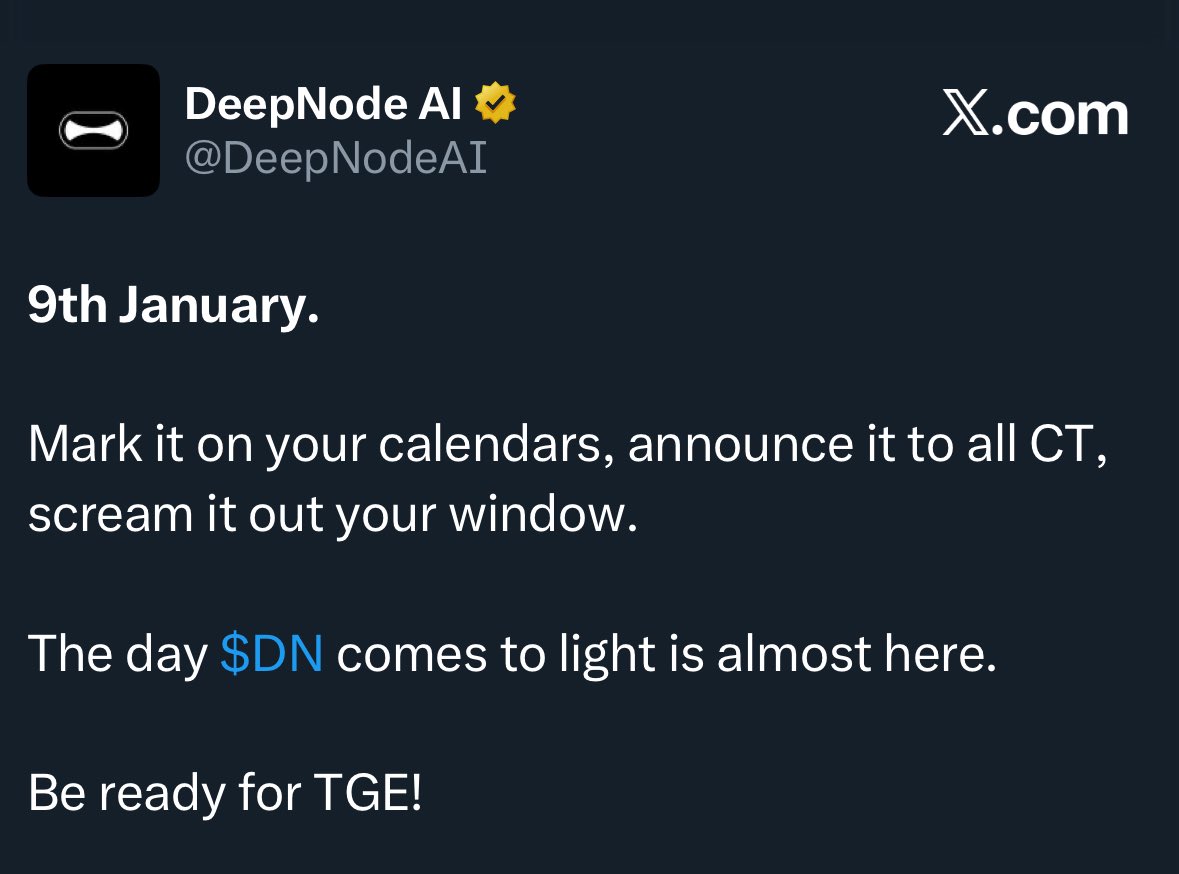
In the shadowed corners of data centers, gaming rigs, and enterprise servers worldwide, millions of GPUs hum idly, their immense computational potential wasted while AI models starve for inference power. Enter DePIN idle GPU rewards through platforms like DeepNodeAI, where decentralized AI inference networks transform these dormant resources into revenue-generating assets. DeepNodeAI's innovative PoWR consensus flips the script on traditional mining, rewarding nodes not for raw hash power, but for the tangible value their AI contributions deliver to real-world applications.

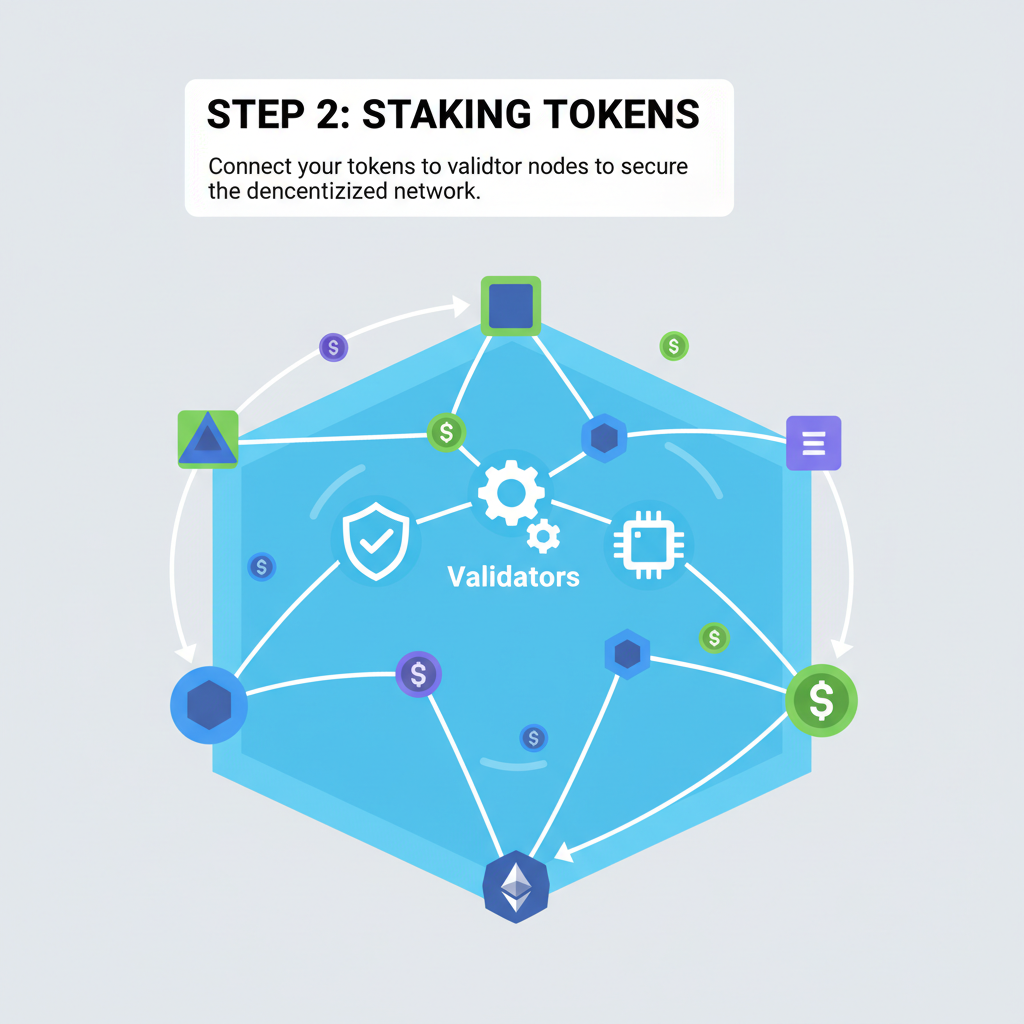
This shift isn't just theoretical; it's a practical revolution in crypto AI compute sharing. GPU owners, from gamers with high-end RTX cards to cloud providers with surplus capacity, can now monetize what was once overhead. DeepNodeAI connects these scattered resources into a verifiable, transparent network, slashing costs for AI enterprises by up to 10x compared to centralized clouds, as their documentation highlights. Validators stake $DN tokens and reputation to benchmark model performance, ensuring only high-accuracy, efficient inferences earn payouts.

Why Idle GPUs Are DePIN's Hidden Goldmine
Consider the scale: gamers alone possess GPUs capable of trillions of FLOPS annually sitting unused during off-hours. DePIN projects like DeepNodeAI tap this DePIN GPU marketplace, creating an on-demand layer for inference tasks from image recognition to natural language processing. Unlike Render Network's rendering focus or Pi Network's mobile contributions, DeepNodeAI zeros in on AI-specific workloads, leveraging globally distributed hardware for latency-sensitive jobs.
The beauty lies in incentives. Traditional cloud providers charge premiums for reliability, but DePIN democratizes access. Contributors earn passively by sharing idle capacity, while developers retain IP ownership and access cheaper compute. Recent funding of $5 million underscores market confidence, positioning DeepNodeAI as a frontrunner in this space. I see this as a pattern of disruption: just as Airbnb unlocked spare rooms, DeepNodeAI unlocks spare silicon.
Dissecting DeepNodeAI PoWR: Utility-Driven Rewards
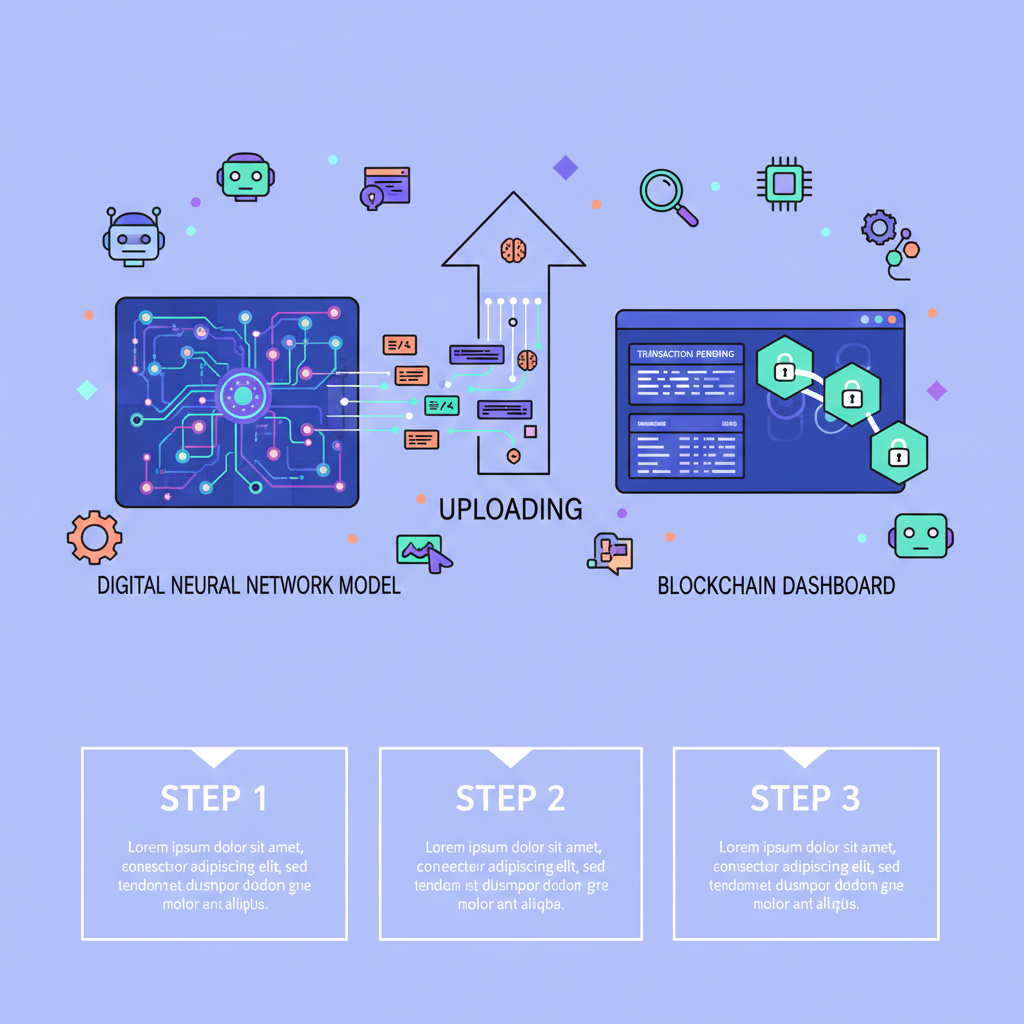
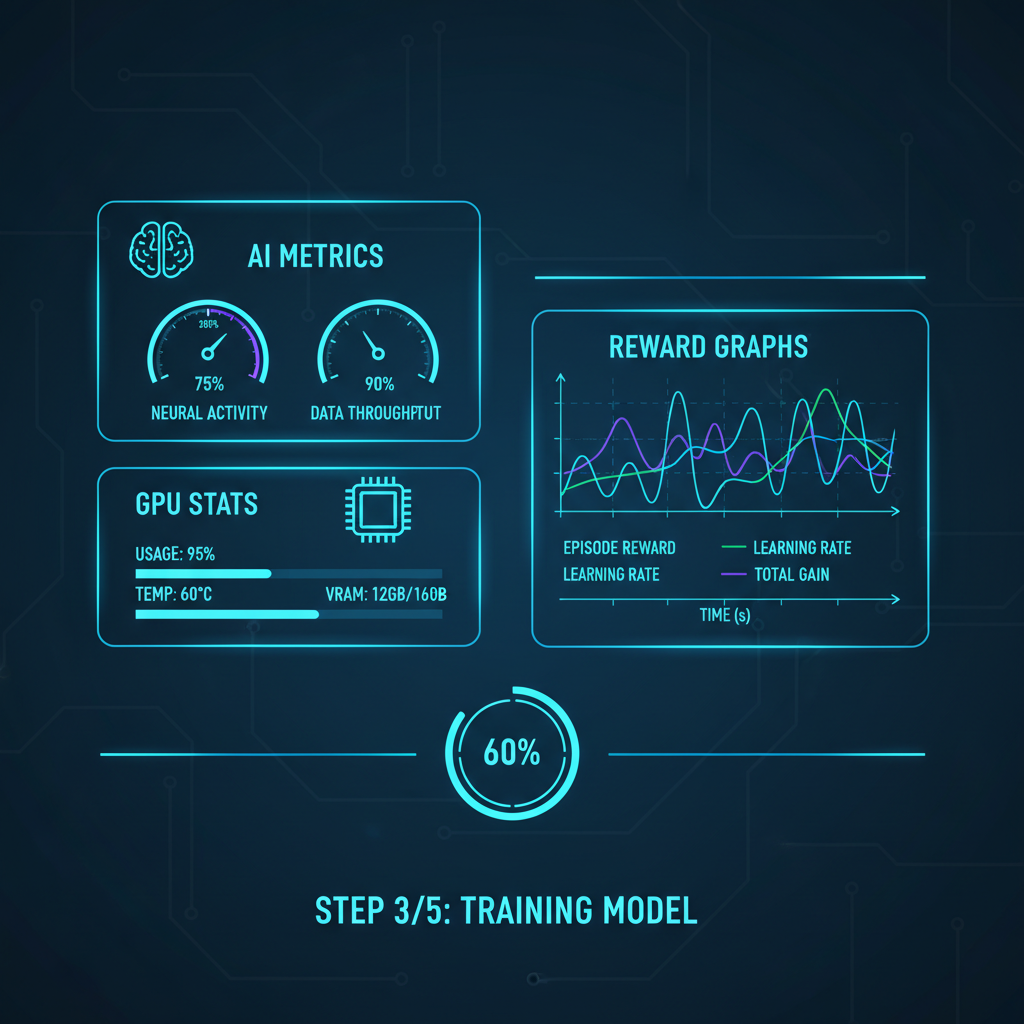
At its core, DeepNodeAI PoWR (Proof-of-Work Relevance) redefines consensus for AI networks. Nodes submit models tested against curated datasets; rewards scale with metrics like accuracy, inference speed, and energy efficiency. Validators, bonded by stakes, score submissions, slashing poor performers to maintain network integrity. This fosters evolution: mediocre models get iterated or sidelined, while top performers cascade rewards to compute providers.
PoWR sidesteps energy waste of classic Proof-of-Work by tying effort to outcomes. A mid-tier GPU running a fine-tuned Llama model might out-earn a beastly A100 on a generic task if relevance scores higher. Documentation details how $DN emissions favor high-utility nodes, with reputation systems compounding earnings over time. For operators eyeing monetizing idle GPUs as DePIN nodes, this mechanism ensures sustainability beyond hype cycles.
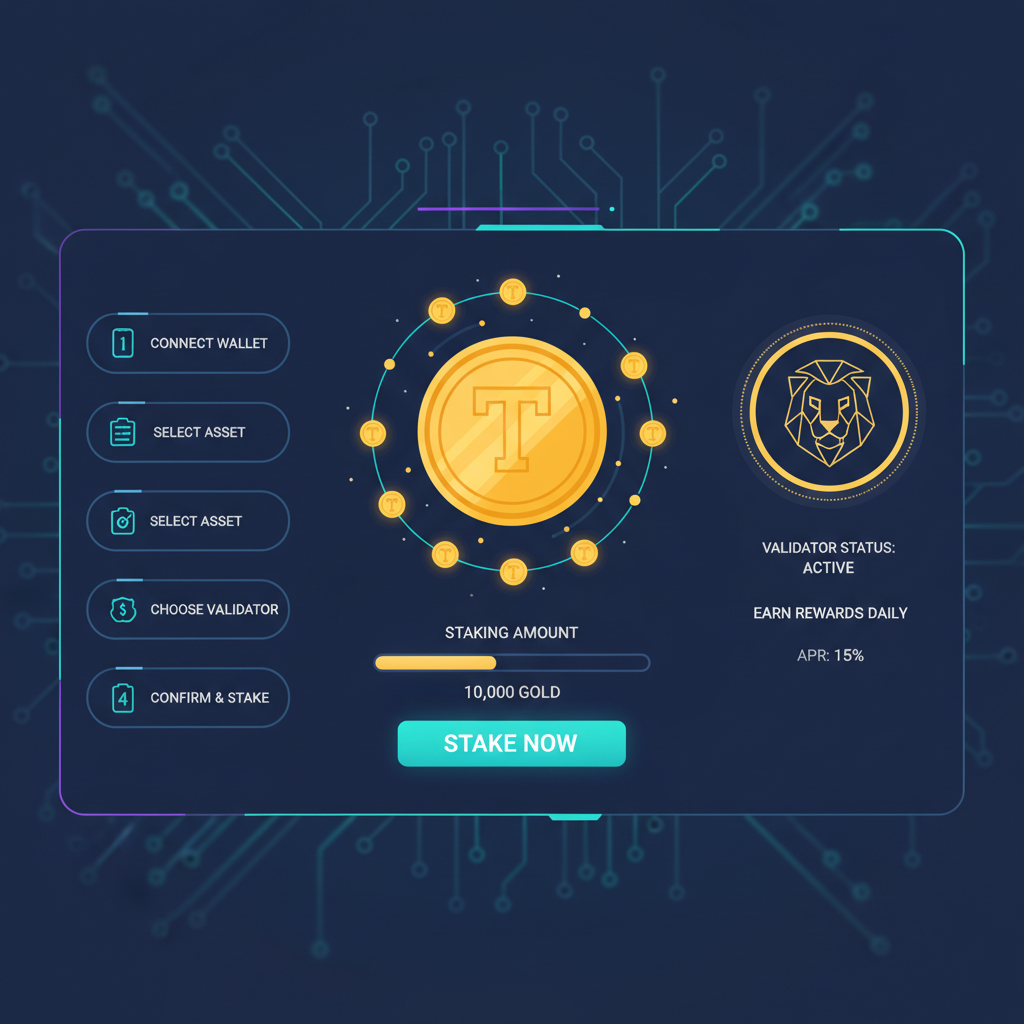
Launch Your DeepNodeAI Node: Install, Configure & Earn PoWR Rewards
Navigating Node Types and Earnings Potential
DeepNodeAI offers flexibility with node variants: full compute nodes for heavy inference, lite nodes contributing bandwidth or validation, even mobile options for bandwidth sharing. Gamers can spin up sessions post-play, data centers allocate overflow capacity. Earnings accrue in $DN, with APYs varying by network demand, but early adopters report competitive yields against staking alternatives.
Real-world utility drives demand. Enterprises query the network for verifiable inferences, paying in tokens that flow back to providers. Validators earn slashing-protected fees, creating a symbiotic ecosystem. My take: in 2026's DePIN surge, DeepNodeAI's model relevance focus positions it ahead of pure compute plays, rewarding quality contributions in a sea of commoditized hardware.
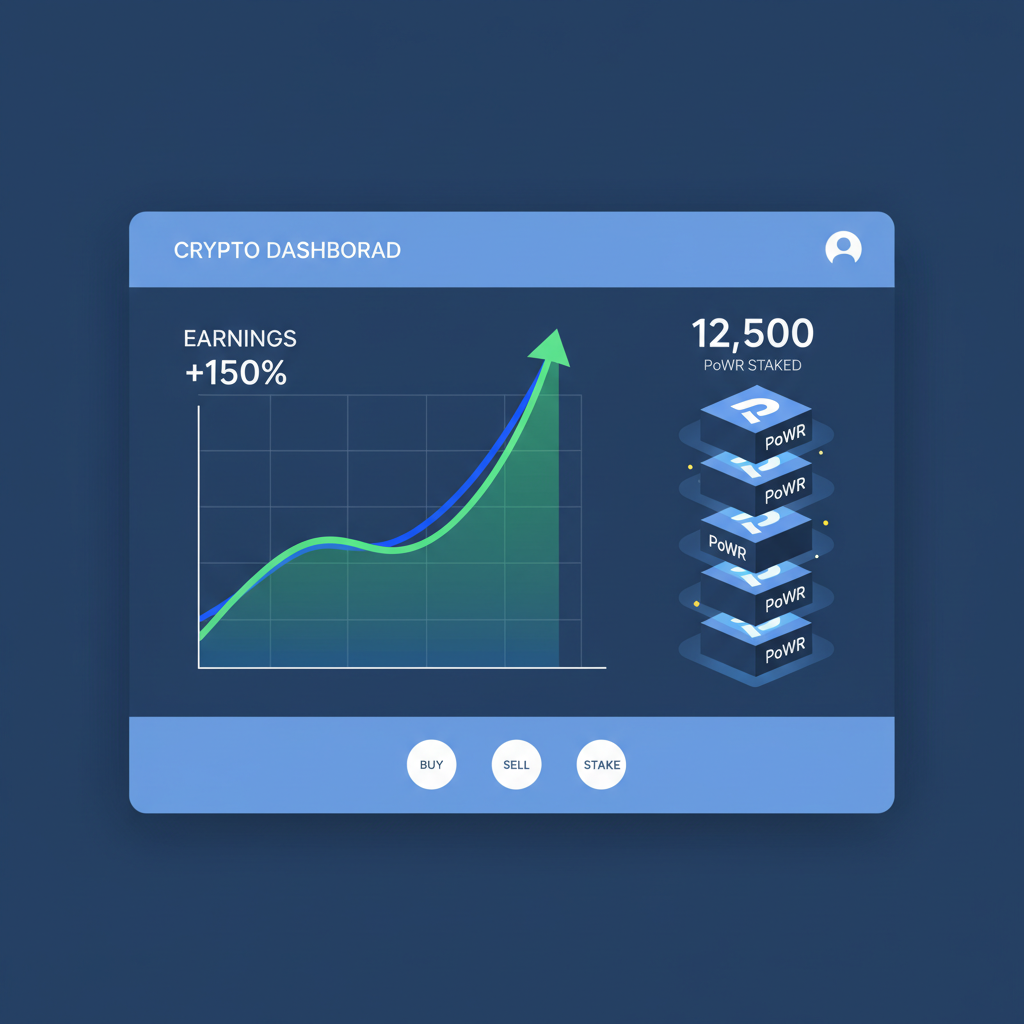
Optimizing your setup maximizes these DePIN idle GPU rewards. Prioritize models with proven benchmarks on platforms like Hugging Face, fine-tuning for DeepNodeAI's datasets to boost relevance scores. Network latency matters too; nodes in high-demand regions command premiums for low-latency inference. Tools in the dashboard monitor uptime, model performance, and projected earnings, turning raw hardware into a predictable income stream.
DeepNodeAI Node Types: Requirements and Earnings
| Node Type | Description | Requirements | Earnings Potential |
|---|---|---|---|
| Full Compute 🖥️ | High GPU rewards for heavy AI inference and model contributions | High-end GPU (e.g., RTX 30/40-series), stable high-speed internet, submit AI models for PoWR evaluation | High: PoWR rewards based on model accuracy, efficiency, and relevance (up to 10x fairer) |
| Lite Node 📡 | Bandwidth sharing and validation tasks, low entry barrier | Standard PC/laptop, reliable internet bandwidth | Medium: Rewards for validation and resource contribution |
| Mobile 📱 | Passive sharing of idle resources with staking bonuses | Smartphone/tablet with DeepNodeAI app | Low: Passive PoWR earnings + $DN staking bonuses |
Risks and Realities of Decentralized Compute Sharing
No revolution lacks friction. Volatility in $DN token value can swing earnings, though PoWR's utility backing mitigates pure speculation risks. Slashing penalties deter downtime or malicious submissions, demanding reliable hardware. Privacy-conscious users appreciate zero-knowledge proofs for inference without exposing data, but regulatory scrutiny on DePINs looms as adoption scales. Still, the math favors participants: idle utilization rates often exceed 70% in gaming scenarios, far outpacing centralized idle fees.
Competition intensifies too. Projects like Render excel in graphics, but DeepNodeAI's AI-centric PoWR carves a niche for inference-heavy tasks. My pattern-spotting lens spots convergence: as models grow hungrier, crypto AI compute sharing networks will underpin Web3 AI agents, with DeepNodeAI's verifiable outputs leading the charge.
Hands-On Path to Your First PoWR Payout
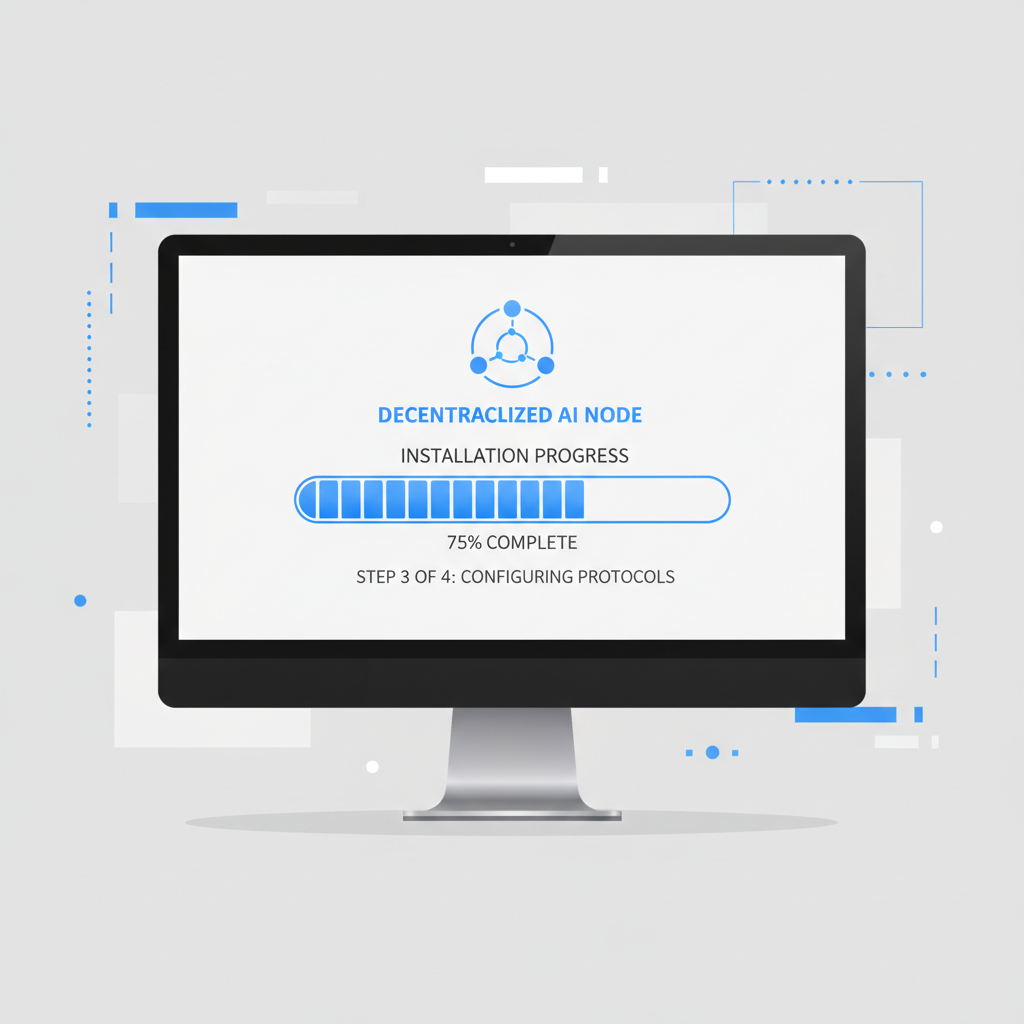
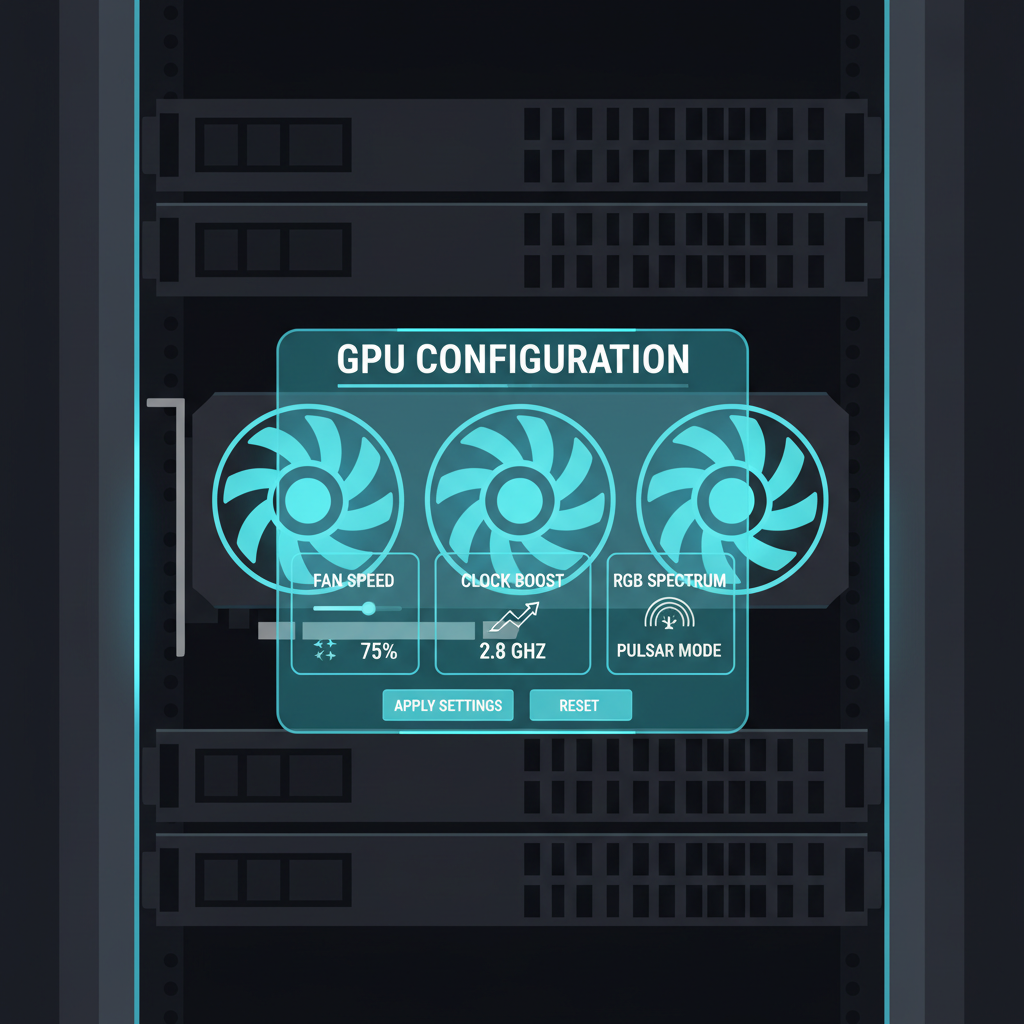
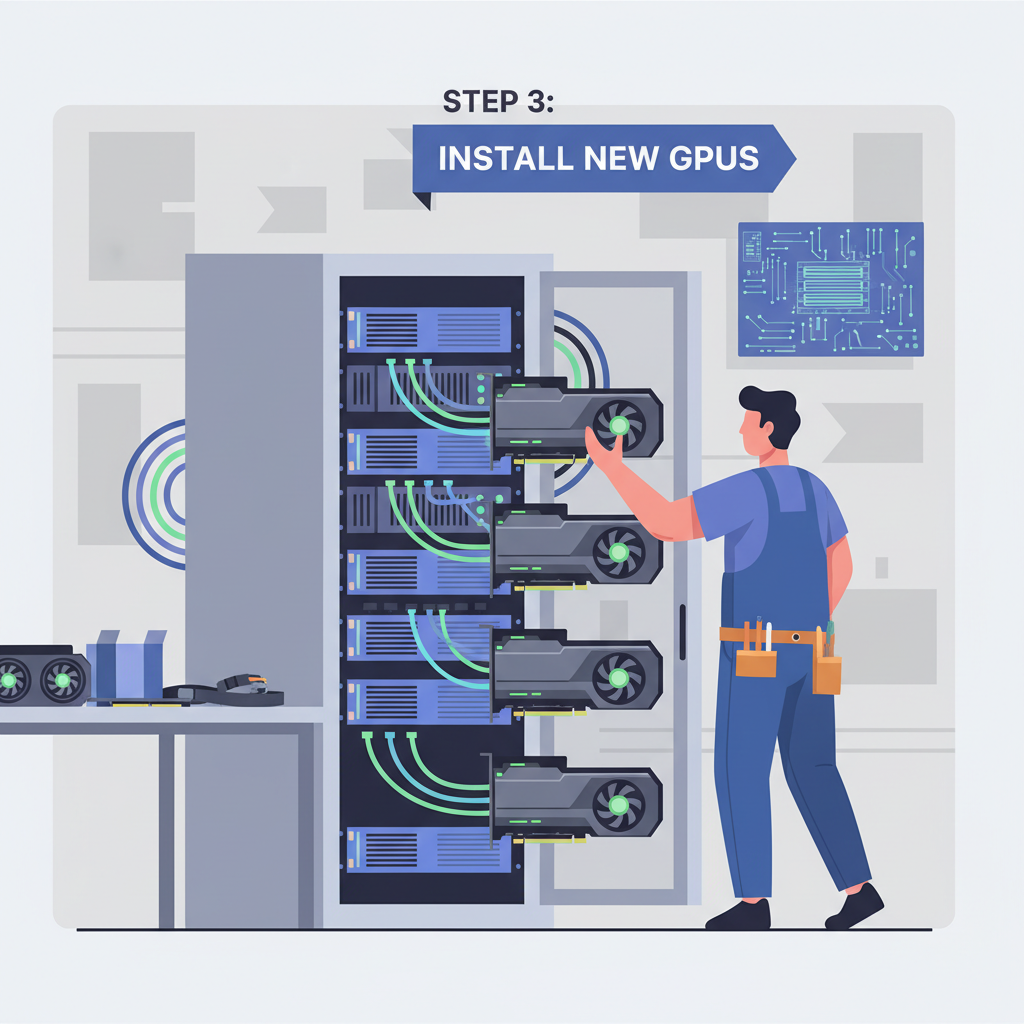
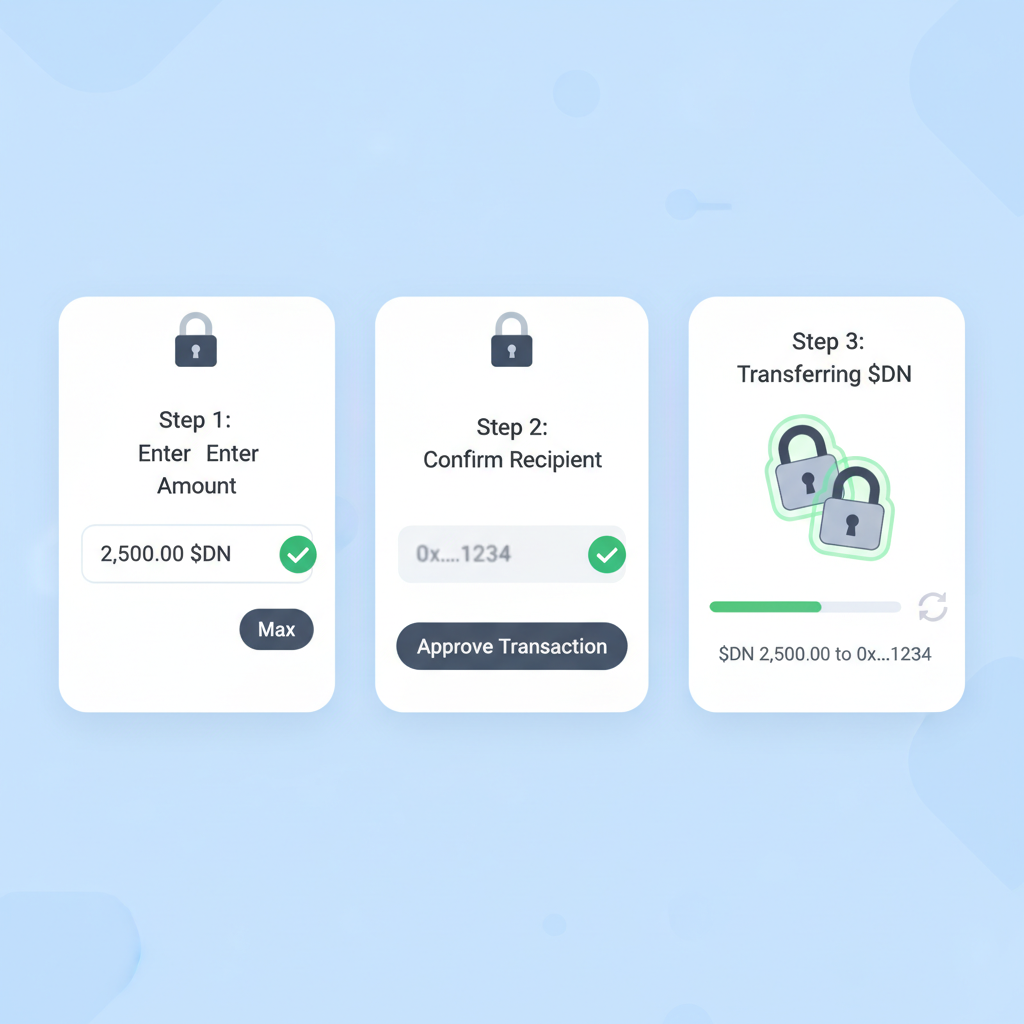
Transitioning from spectator to earner starts simple. Download the node client, authenticate your GPU via hardware attestation, and select from vetted model repositories. Submit to testnets first, gauging PoWR scores before mainnet stakes. Validators, meanwhile, bond tokens to queues, earning from challenge fees as models flood in. Track via explorers showing real-time relevance leaderboards, where top nodes pull 20-50% APYs during peaks.
This ecosystem thrives on iteration. Feedback loops refine models collectively, elevating the entire network's inference quality. Enterprises tap in via APIs, querying distributed GPUs for scalable, cost-effective predictions without vendor lock-in. For retail operators, it's passive income with upside: as AI demand surges, so does node value.
Master PoWR Rewards: Claim & Optimize in DeepNodeAI
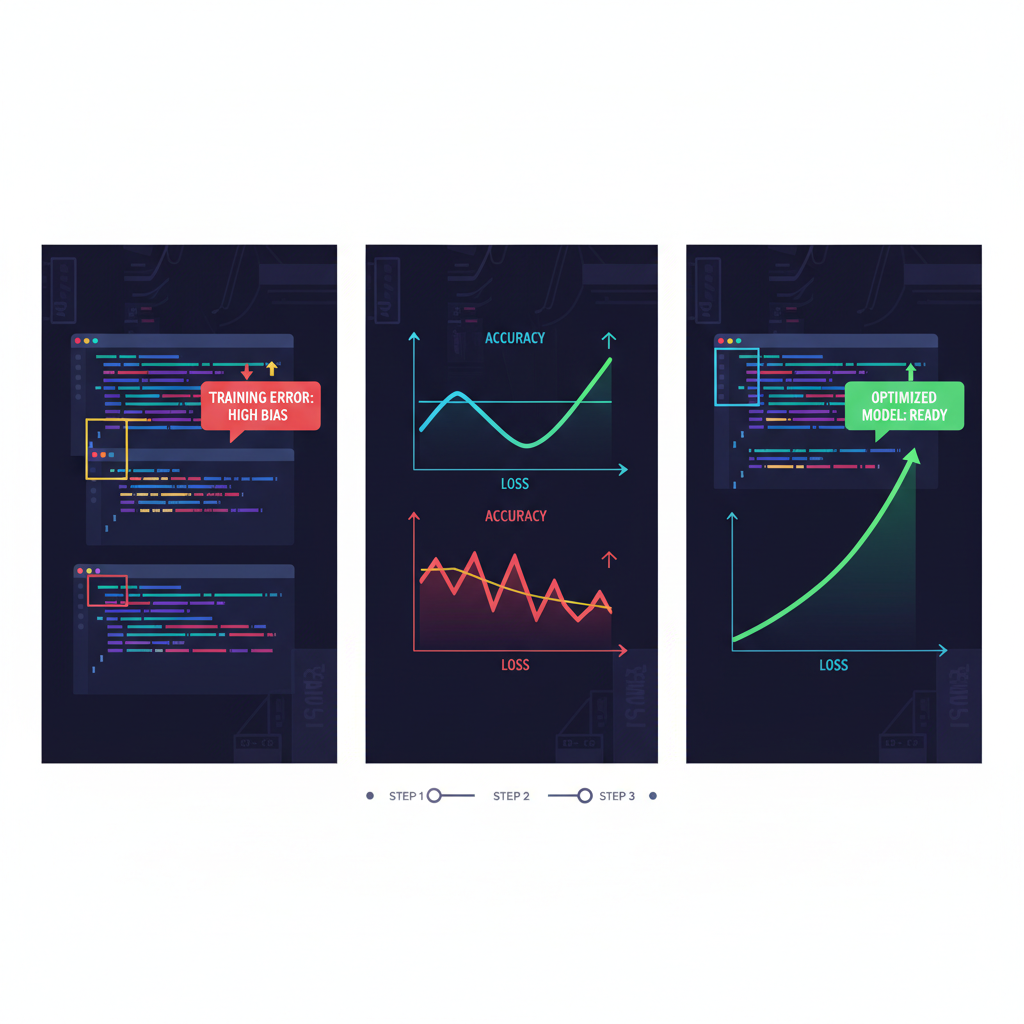
DeepNodeAI exemplifies how DePIN harnesses idle silicon for collective gain, blending blockchain incentives with AI utility. Gamers fund upgrades, researchers accelerate breakthroughs, enterprises cut bills - all verified through PoWR's meritocracy. In a world of centralized bottlenecks, this distributed fabric promises resilient, equitable compute, rewarding those who power it most effectively.




No comments yet. Be the first to share your thoughts!