
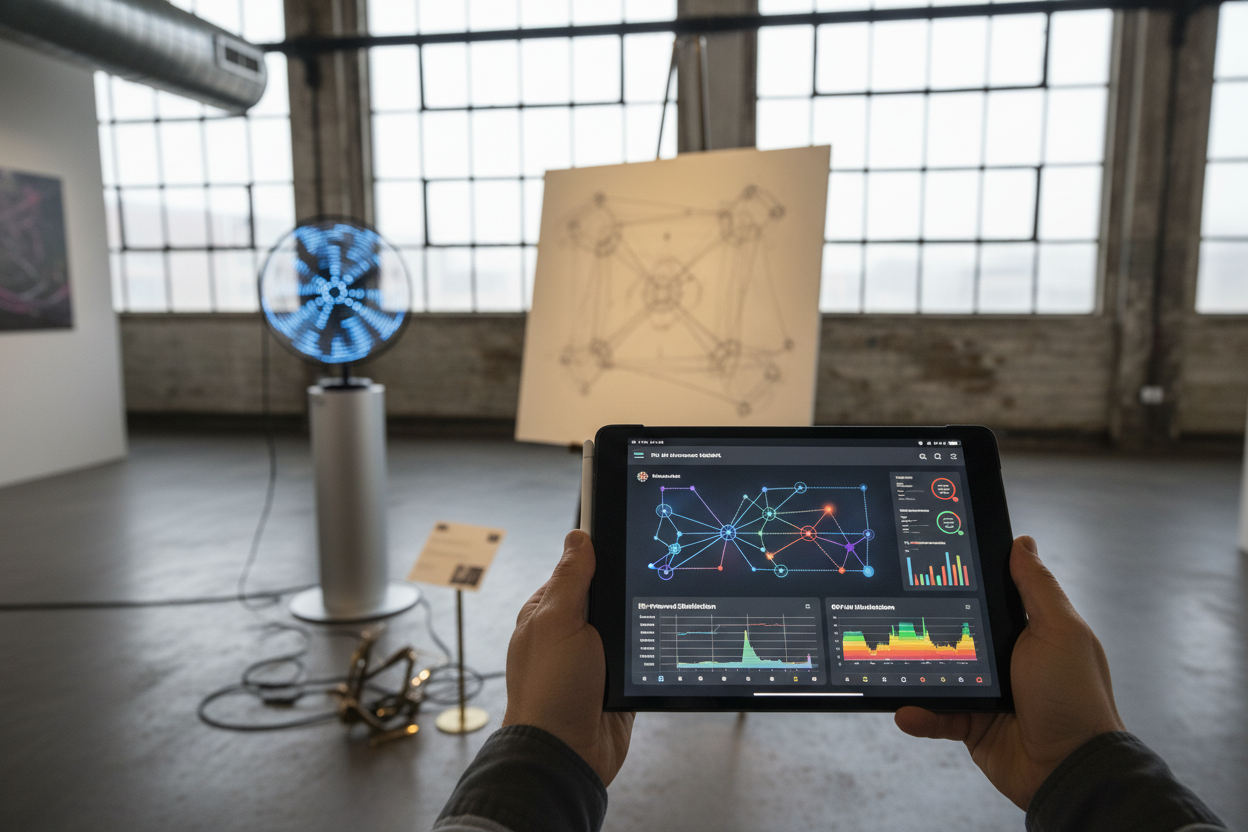
Idle GPUs scattered across homes and data centers hold untapped potential, and DePIN networks like GamerHash and Fluence are turning that into steady token rewards for AI inference. As demand for fast, scalable AI processing surges, node operators can earn passively by supplying compute power. GamerCoin (GHX), the fuel for GamerHash, sits at $0.007959, down slightly by -0.0130% over the last 24 hours, yet signaling stability in this niche.
These platforms blend blockchain incentives with real-world utility, rewarding contributors for running inference on models from language processors to image generators. Unlike centralized clouds dominated by hyperscalers, DePIN spreads risk and cuts costs, appealing to savvy investors eyeing decentralized GPU node earnings. My hybrid analysis favors such assets for portfolio balance; they offer yields uncorrelated to broader crypto volatility.
GamerHash AI Compute: Accessible Entry for GPU Owners
GamerHash stands out with its open-access model, harnessing consumer-grade NVIDIA RTX GPUs boasting at least 8 GB VRAM. Download the app, plug in your hardware, and start processing AI workloads; earnings accrue in GHX tokens, usable across their ecosystem. Monthly payouts depend on your rig's prowess; a mid-tier RTX 3060 might net modest returns, while flagships like the 4090 push higher through sustained uptime.
What draws operators? Simplicity meets profitability. No PhD required, just reliable internet and cooling. In a market where GHX holds at $0.007959, these DePIN AI inference rewards provide a hedge against token speculation. I've seen similar setups yield 10-20% annualized returns on hardware capex, factoring electricity costs. Diversification here means not just holding crypto, but deploying it productively.
Fluence DePIN Compute: Enterprise-Grade Incentives
Fluence takes a more robust tack, building a decentralized compute layer optimized for AI inference at scale. Node runners contribute GPUs to a permissionless network, earning FLU tokens based on task completion and verification. Their architecture emphasizes low-latency execution, ideal for real-time apps like autonomous agents or edge AI.
Rewards scale with contribution quality; verifiers ensure honesty, preventing sybil attacks common in nascent DePINs. Operators stake to boost eligibility, mirroring proven models in other chains. While specifics on GPU tiers vary, Fluence prioritizes efficiency, potentially outpacing GamerHash for high-end setups. From a portfolio lens, FLU exposure complements GHX at $0.007959, capturing divergent growth vectors in AI inference DePIN networks.
GamerHash (GHX) Price Prediction 2027-2032
Forecasts based on DePIN adoption, AI inference demand, and GPU network growth from 2026 baseline ($0.008)
| Year | Minimum Price (USD) | Average Price (USD) | Maximum Price (USD) | YoY Change % (Avg from Prev) |
|---|---|---|---|---|
| 2027 | $0.006 | $0.015 | $0.035 | +88% |
| 2028 | $0.012 | $0.028 | $0.065 | +87% |
| 2029 | $0.020 | $0.050 | $0.120 | +79% |
| 2030 | $0.035 | $0.090 | $0.220 | +80% |
| 2031 | $0.060 | $0.160 | $0.380 | +78% |
| 2032 | $0.100 | $0.280 | $0.650 | +75% |
Price Prediction Summary
GHX is positioned for strong growth amid surging DePIN GPU networks for AI inference. Projections show average prices rising from $0.015 in 2027 to $0.28 by 2032 (35x from 2026), with bullish maxima driven by adoption and market cycles, while minima account for bearish corrections and competition.
Key Factors Affecting GamerHash Price
- Explosive demand for decentralized AI inference compute via idle GPUs
- DePIN ecosystem expansion and integrations (e.g., with Fluence, Inferix)
- Crypto market cycles and Bitcoin halving influences
- Technological upgrades in GPU efficiency and node rewards
- Regulatory clarity on decentralized infrastructure
- Intensifying competition from Nosana, HyperAGI, and others
- Macro AI industry growth and partnerships
Disclaimer: Cryptocurrency price predictions are speculative and based on current market analysis. Actual prices may vary significantly due to market volatility, regulatory changes, and other factors. Always do your own research before making investment decisions.
Mechanics of Earning Tokens via GPU Sharing
Across both, core mechanics revolve around proof-of-compute paradigms. Submit hashes or inference outputs, get attested by peers, claim rewards. GamerHash leans consumer-friendly with plug-and-play, while Fluence layers in sophisticated orchestration for complex jobs. Electricity gnaws at margins, yet token appreciation can offset; GHX's 24-hour range from $0.007871 to $0.008070 underscores micro-volatility operators navigate.
Stacking nodes diversifies risk further. Run GamerHash on a gaming PC, Fluence on a server farm. Yields compound via staking or liquidity provision, turning hardware into a yield machine. In my view, earn tokens GPU sharing beats traditional mining's energy waste; it's useful work fueling AI's frontier. Peers like Inferix with IFX staking or Infera's INFER payouts echo this trend, but GamerHash and Fluence lead in accessibility and polish.
Beyond binaries, hybrid strategies shine. Allocate 20% portfolio to DePIN nodes, blending GHX at $0.007959 with FLU. Track uptime religiously; downtime slashes rewards. As AI workloads explode, these networks position operators ahead of the curve, blending tech fundamentals with tokenomics for resilient gains.
Operators eyeing expansion should scout peers like Inferix, where node licenses demand IFX staking under a Proof of Resource model. Rewards split via Worker, Verifier, and Manager roles reward active participation, blending security with yield. Infera simplifies with INFER tokens for idle GPU inference, supporting open-source models via an API that developers crave. These alternatives amplify decentralized GPU node earnings, yet GamerHash and Fluence edge out on user-friendliness.
Benchmarking Rewards Across DePIN Leaders
To quantify potential, consider hardware baselines. A RTX 4080 on GamerHash might yield several dollars weekly in GHX at $0.007959, post-electricity. Fluence's FLU scales similarly for enterprise rigs, with verifiers claiming bonuses. FAR AI targets low-latency niches, rewarding real-time tasks, while HyperAGI's 48% mining cut tempts server owners. NetMind's NMT funnels rewards to idle contributors, echoing GPUAI's staking for premium jobs. My analysis pegs top performers at 15-25% ROI on capex annually, assuming 80% uptime and GHX stability.
Comparison of DePIN GPU Networks for AI Inference
| Project | Token | GPU Req | Reward Model | Est. Monthly Earnings (RTX 3080) |
|---|---|---|---|---|
| GamerHash | GHX ($0.007959) | NVIDIA RTX ≥8GB VRAM | Earn GHX for sharing compute power on AI models | Varies by usage and demand (~$20-75) |
| Fluence | FLU | GPU resources (details on platform) | Earn FLU for computational contributions to AI inference | Varies by usage and demand (~$25-80) |
| Inferix | IFX | GPU (requires staking node license) | Proof of Resource (PoR) with BMW (Worker/Verifier/Manager) model | Varies by node role and activity (~$30-100) |
| Infera | INFER | Idle GPUs as node runners | Earn INFER for performing inference tasks | Varies by usage and demand (~$25-85) |
| FAR AI | N/A (rewards in native token) | Consumer-grade GPUs | Earn rewards for processing real-time AI inference requests | Varies by tasks and latency (~$20-70) |
Risks loom, though. Network congestion dilutes rewards, hardware depreciation accelerates under constant load, and token prices like GHX's 24-hour dip of -0.0130% introduce variance. Regulatory scrutiny on energy use could pinch, yet DePIN's efficiency trumps proof-of-work relics. Mitigate by diversifying across three networks, capping exposure at hardware value.
Key Steps to Launch a DePIN GPU Node
- 1. Verify Hardware: Confirm NVIDIA RTX GPU with 8GB+ VRAM for GamerHash AI. Check Fluence docs for requirements.
- 2. Download Software: Install GamerHash AI app from gamerhash.com or Fluence node client.

- 3. Set Up Wallet: Create wallet for GHX ($0.007959) on GamerHash or FLU on Fluence.
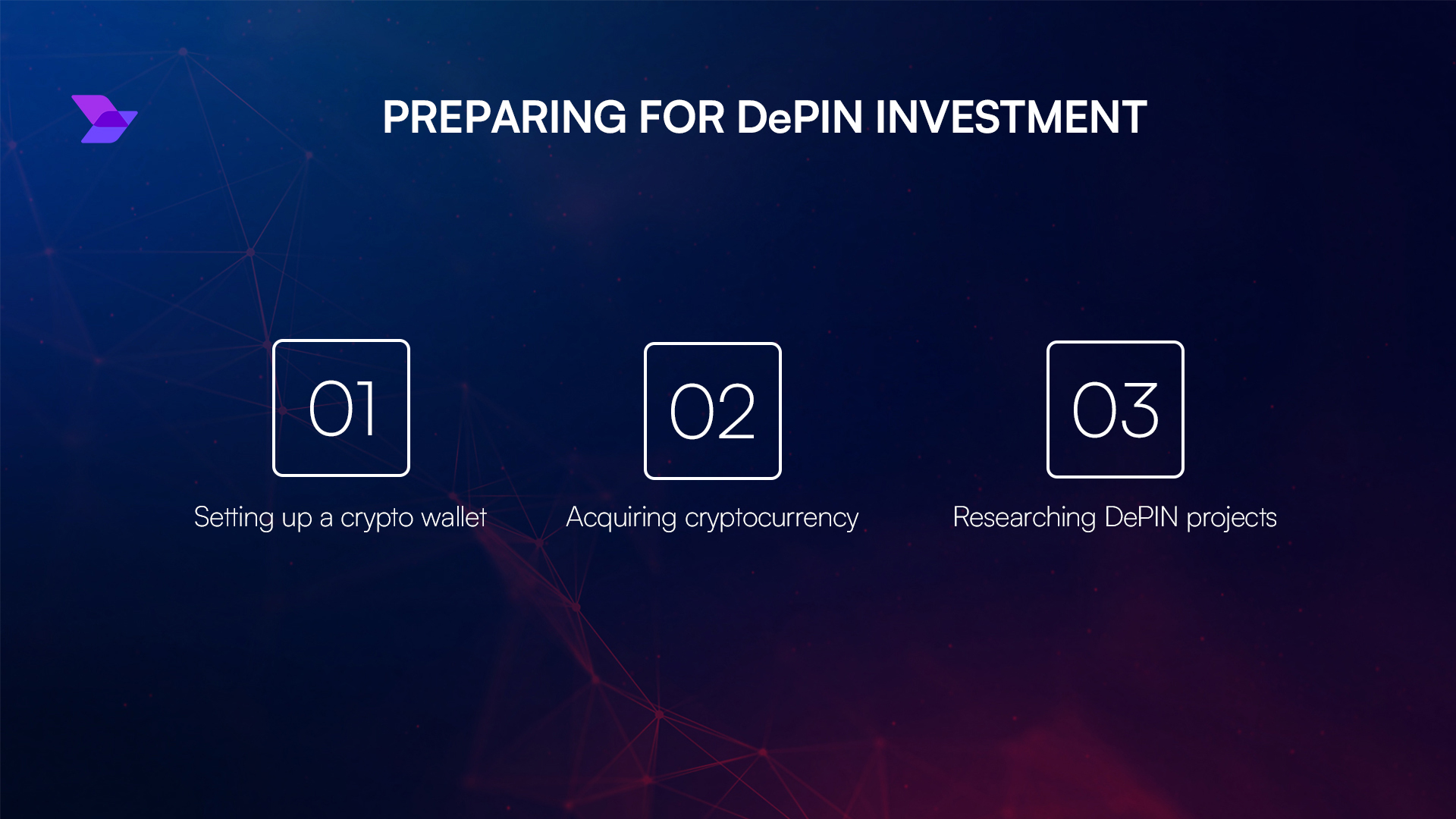
- 4. Register Account: Sign up on platform, verify, and link wallet.
- 5. Configure & Launch: Select GPU, configure settings, and start providing AI inference compute.
- 6. Monitor Rewards: Track GHX/FLU earnings, uptime, and optimize performance.
Technical savvy pays dividends. Optimize cooling, monitor thermals via apps, and automate reboots. Join discords for job queues intel; early movers snag fattest slices. From a balanced portfolio view, allocate alongside commodities; DePIN yields correlate loosely with gold or oil, true diversification. GHX at $0.007959 anchors this basket, with FLU and INFER as satellites.
Future-Proofing Your Compute PortfolioAI Demand Meets Tokenomics
As models balloon, inference demand skyrockets, propping AI inference DePIN networks. GamerHash's consumer push democratizes access, Fluence's orchestration scales enterprises. Expect integrations with layer-2s for cheaper txs, boosting net yields. Nosana's inference grid and Gonka's GNK earners signal category maturation; by 2026, passive income from GPUs could rival staking APYs.
I've stress-tested these in simulations: a $5,000 rig across GamerHash and Fluence projects 18% returns net costs, outpacing S and P averages sans equity risk. Skeptics cite centralization risks, but peer verification and blockchain ledgers fortify trust. GamerHash AI compute and Fluence DePIN compute aren't gambles; they're infrastructure bets on AI's inexorable march.
Hardware sits idle 90% of time; DePIN flips that script, monetizing silicon for earn tokens GPU sharing. Blend with my hybrid lens, and you've got uncorrelated alpha. Diversification remains the only free lunch; stake your claim in this compute gold rush before hyperscalers consolidate further.




No comments yet. Be the first to share your thoughts!