

In the evolving landscape of decentralized AI compute networks, PerceptronNTWK nodes stand out by democratizing access to rewards through something most users already possess in abundance: unused internet bandwidth. Forget the energy-hungry GPUs and complex mining rigs; this DePIN project transforms idle connections into productive assets, fueling AI model training with structured public data. With over 700,000 active devices in its global mesh, PerceptronNTWK exemplifies how bandwidth sharing AI rewards can scale decentralized infrastructure without compromising performance or privacy.

At its core, the network leverages lightweight nodes that run seamlessly in the background. These decentralized AI compute nodes capture publicly available signals, verifying them into Proof-based Engagement Reward Certificates, or PERCs. These NFTs represent tangible contributions, redeemable for value within the ecosystem. The beauty lies in its simplicity; no heavy compute demands mean anyone with a stable connection can participate, turning everyday devices into edge contributors.
Unlocking Value from Idle Bandwidth in Perceptron Network Edge Nodes
Traditional AI training guzzles centralized data centers, but PerceptronNTWK flips the script with Perceptron network edge nodes. By routing tiny fractions of spare bandwidth, nodes aggregate real-world data points essential for models craving human-like signals. This isn’t just passive income; it’s a stake in AI’s decentralized future. I’ve analyzed similar DePIN projects, and PerceptronNTWK’s integration with BlockMesh accelerates its reach, creating a robust mesh where contributions compound network utility.
Perceptron Nodes are built around a simple idea: turn unused internet capacity into something productive. They run as lightweight extensions.
Privacy remains paramount. Nodes strictly avoid personal data, focusing on public web signals. This DePIN AI signal verification process ensures contributions are authentic and valuable, distinguishing it from bandwidth scrapers that clutter the space. Users report negligible impact on speed or battery, making it ideal for laptops, desktops, or even mobile apps on Google Play.
Why PerceptronNTWK Outpaces Competitors in Bandwidth Rewards
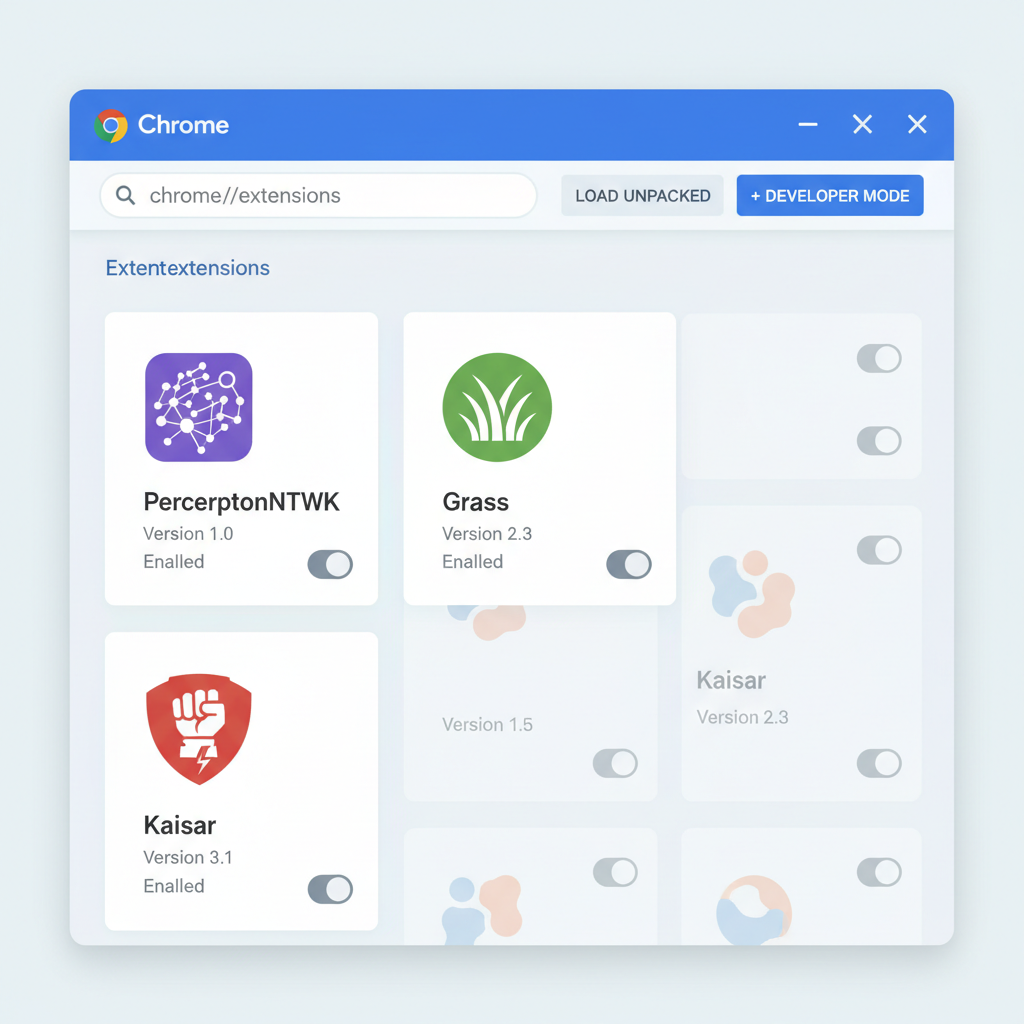
Compare it to extensions like Grass or Nodepay: PerceptronNTWK emphasizes verified AI utility over raw scraping. While others chase volume, this network prioritizes quality signals for training, potentially yielding higher long-term rewards. My pattern analysis shows projects with NFT-based incentives like PERCs retain users better, as they offer portfolio diversification in crypto-AI intersections.
Running multiple instances? Advanced users deploy on VPS with Ubuntu setups, but for most, the browser extension suffices. Earnings scale with uptime and bandwidth quality, not quantity. In a market flooded with hype, PerceptronNTWK’s 700,000 and user base signals genuine traction, positioning it as a low-barrier entry to DePIN rewards.
Set Up PerceptronNTWK Node: Earn Rewards Effortlessly with Unused Bandwidth
Essential Prerequisites Before Launching Your Node
Success with PerceptronNTWK nodes hinges on preparation. Stable internet above 10 Mbps upload is key, alongside a modern browser like Chrome. Mobile users grab the Android app for on-the-go farming. No upfront costs, but consistent runtime maximizes PERC accrual.
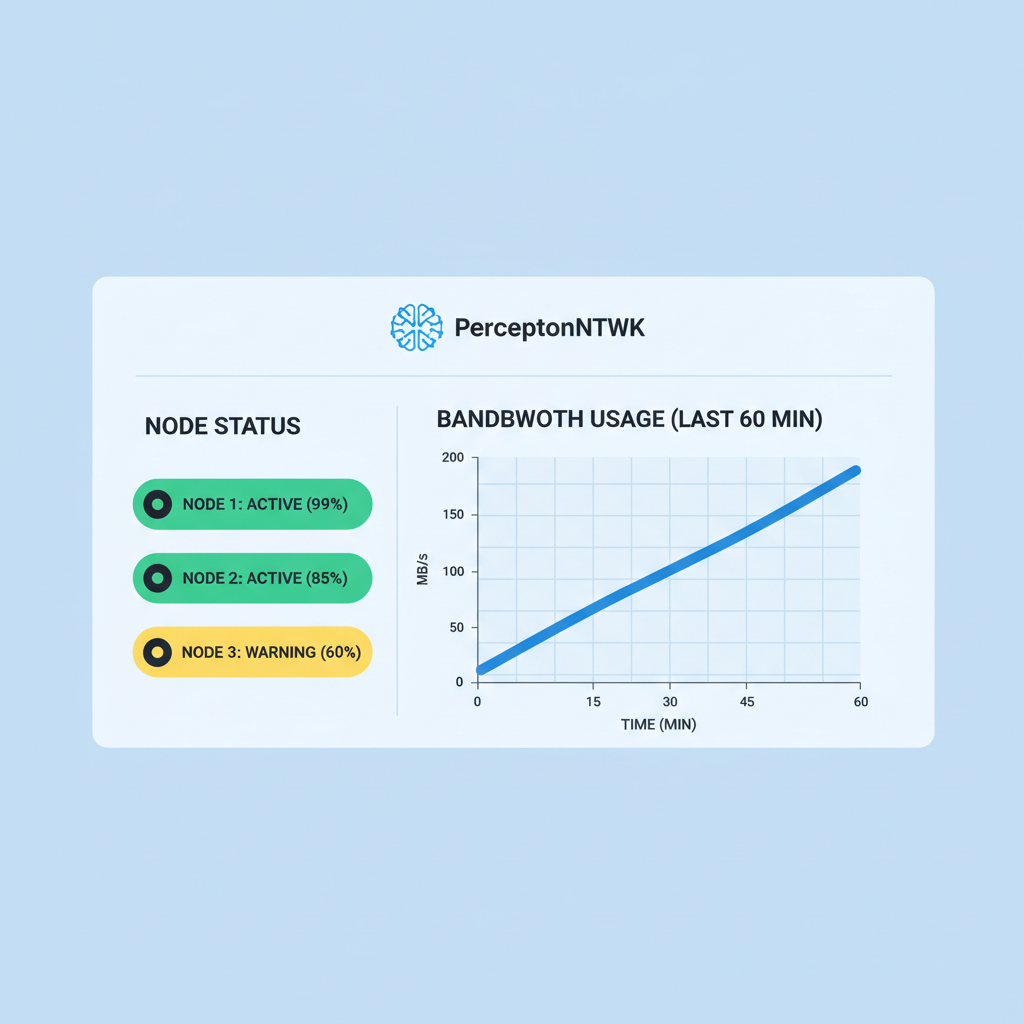
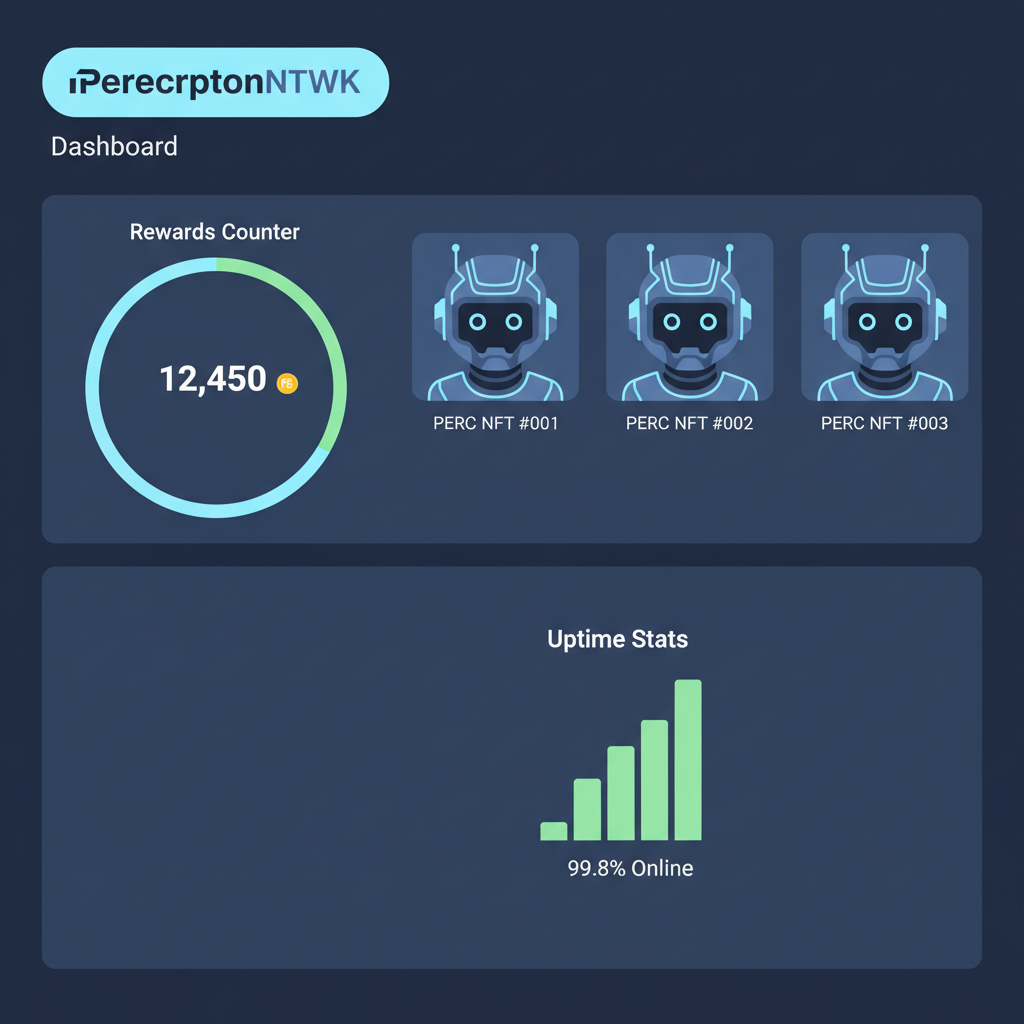
Diving deeper, consider referral systems to boost yields, though organic growth rewards patient operators. Track metrics via the dashboard: bandwidth shared, signals verified, PERCs minted. This data empowers strategic decisions, much like charting crypto trends for optimal entry points.
Optimizing your setup starts with understanding the dashboard’s feedback loop, where every verified signal edges you closer to meaningful rewards in the PerceptronNTWK nodes ecosystem.
Step-by-Step Setup for PerceptronNTWK Browser Extension Nodes
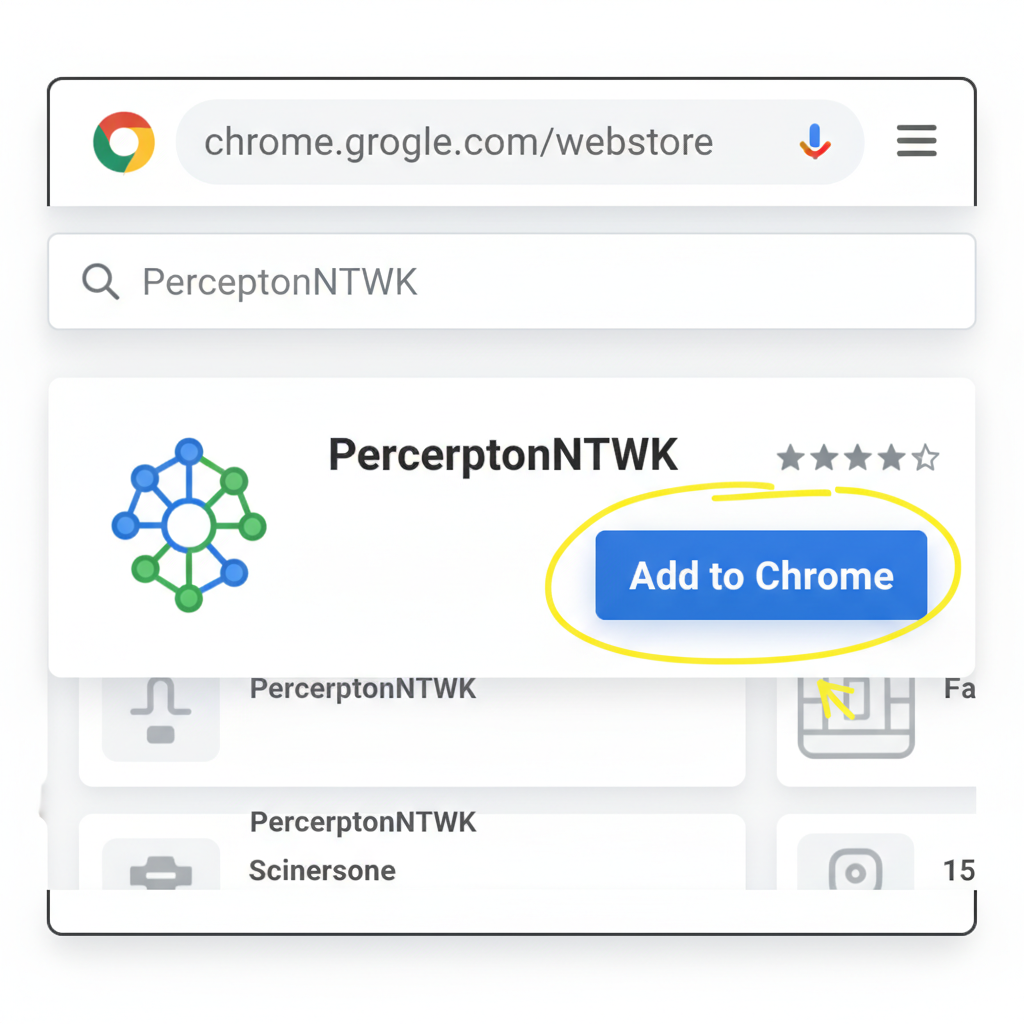
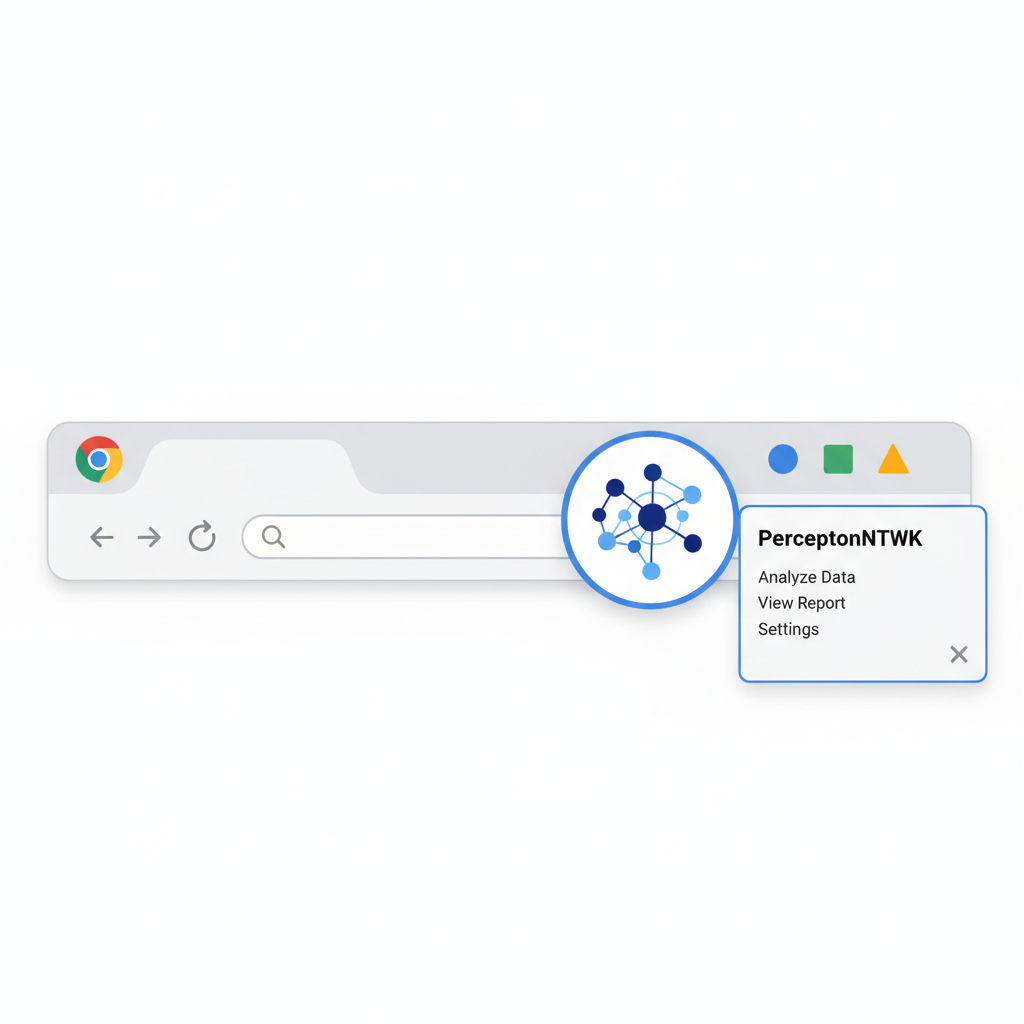
Launching your first node requires minimal friction, aligning with the project’s ethos of accessibility in decentralized AI compute nodes. Head to the Chrome Web Store or Firefox Add-ons for the extension, or download the Android app from Google Play. The process unfolds intuitively, but precision here sets the tone for sustained earnings.
Step-by-Step: Launch Your PerceptronNTWK Node & Earn Passive Rewards
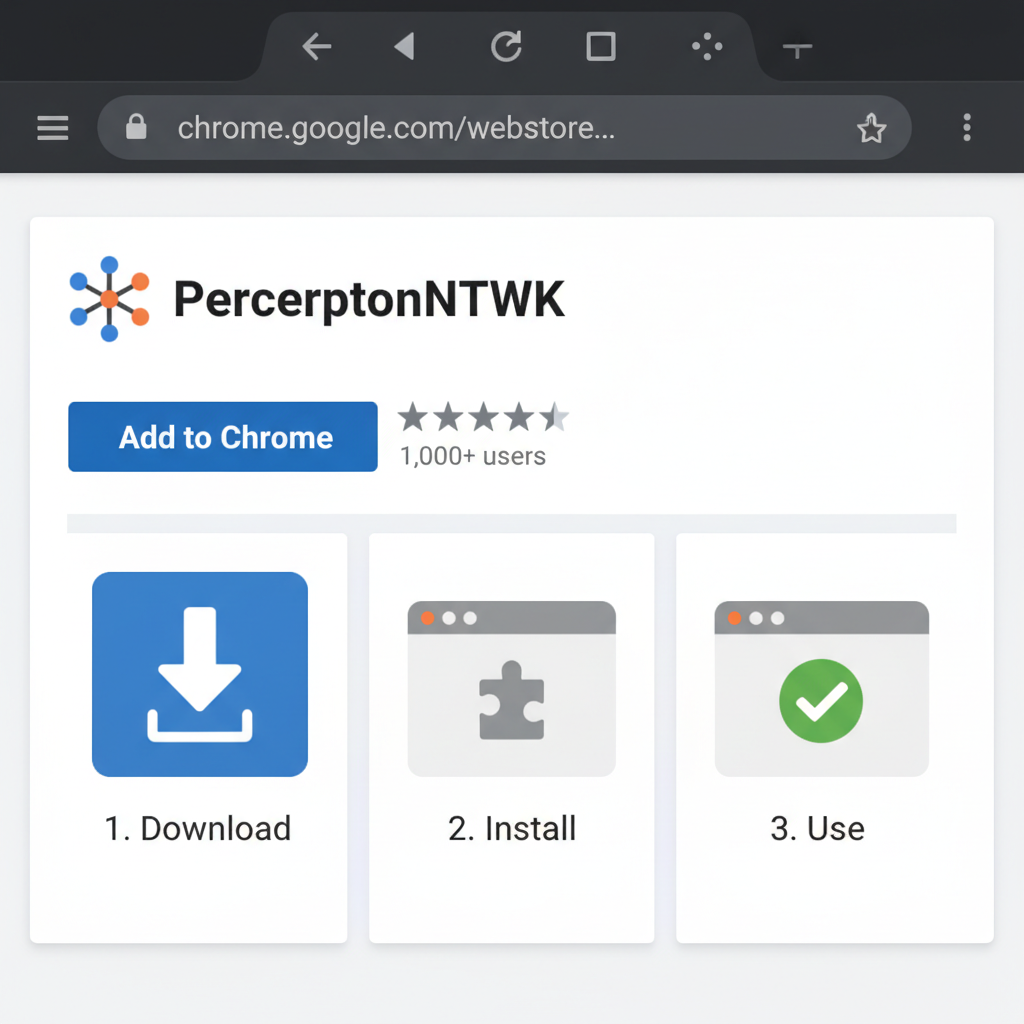
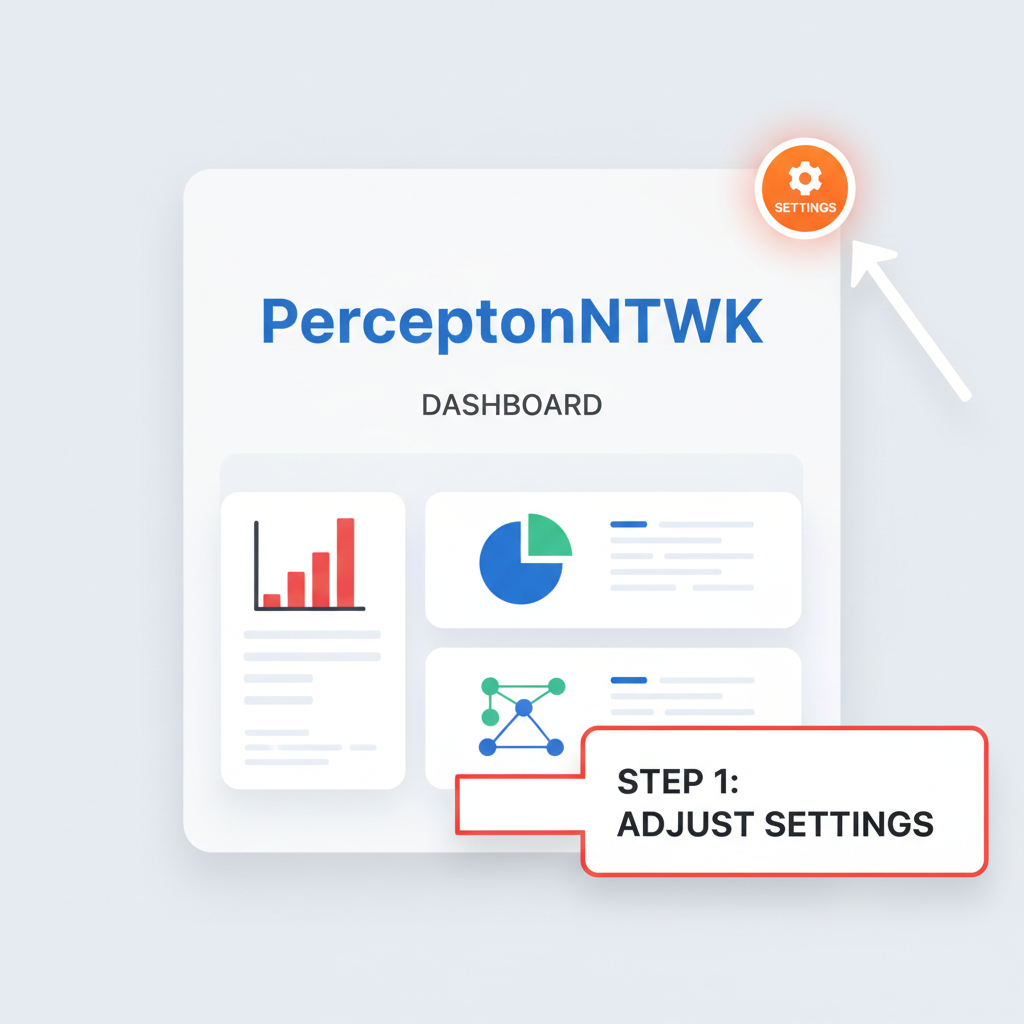
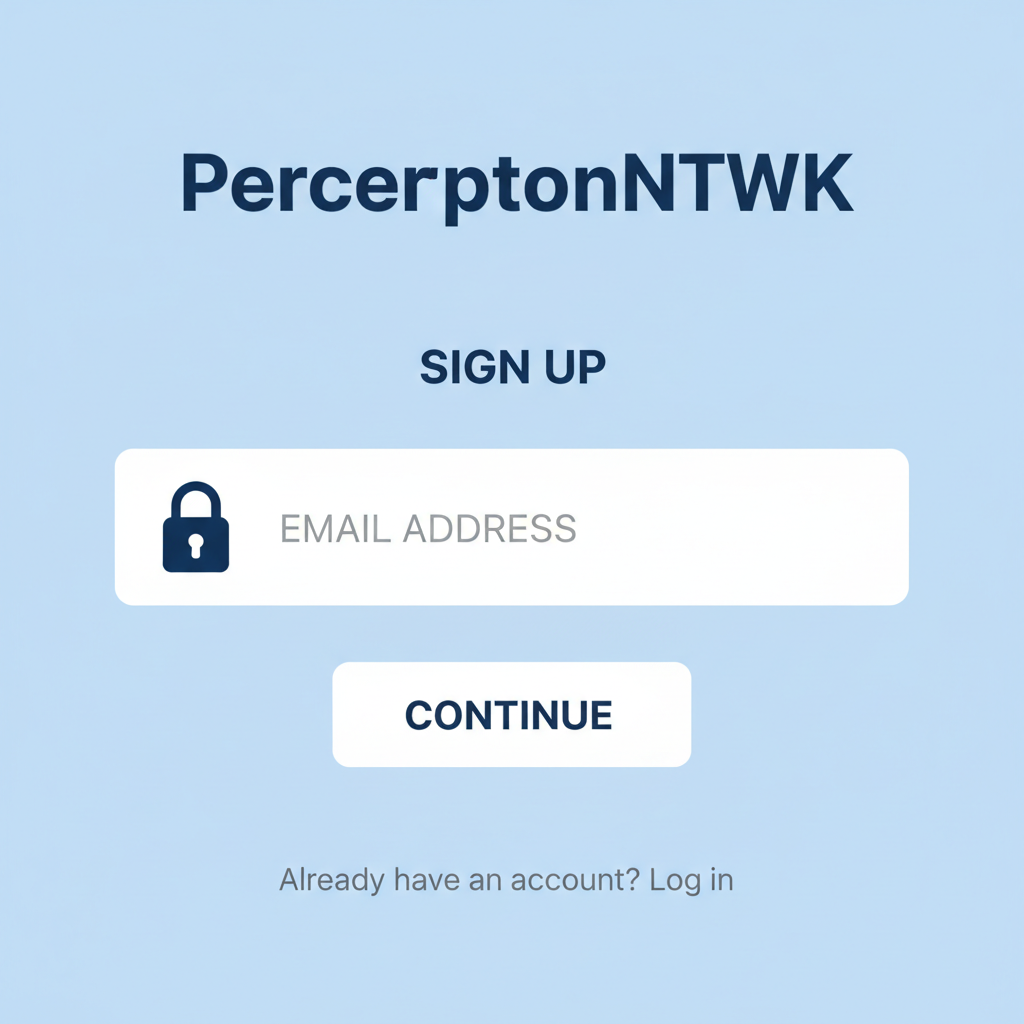
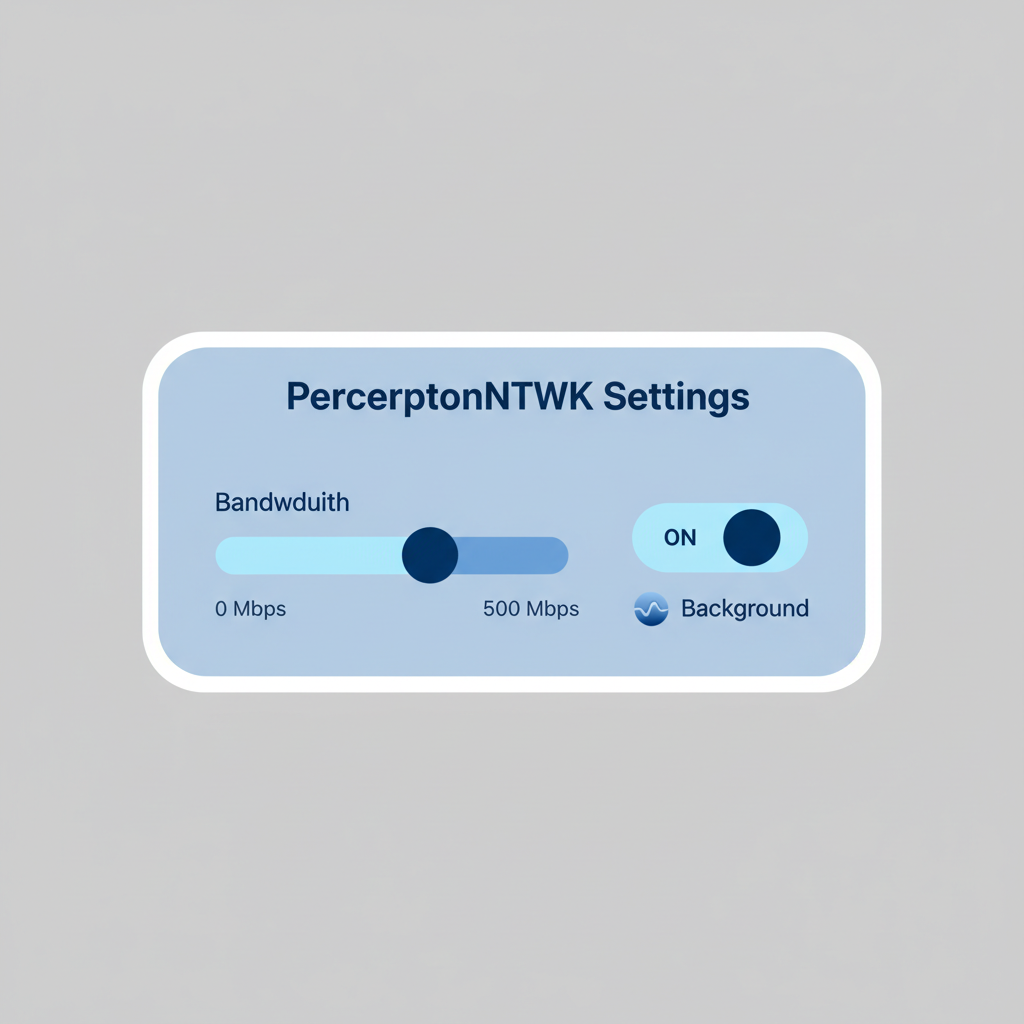
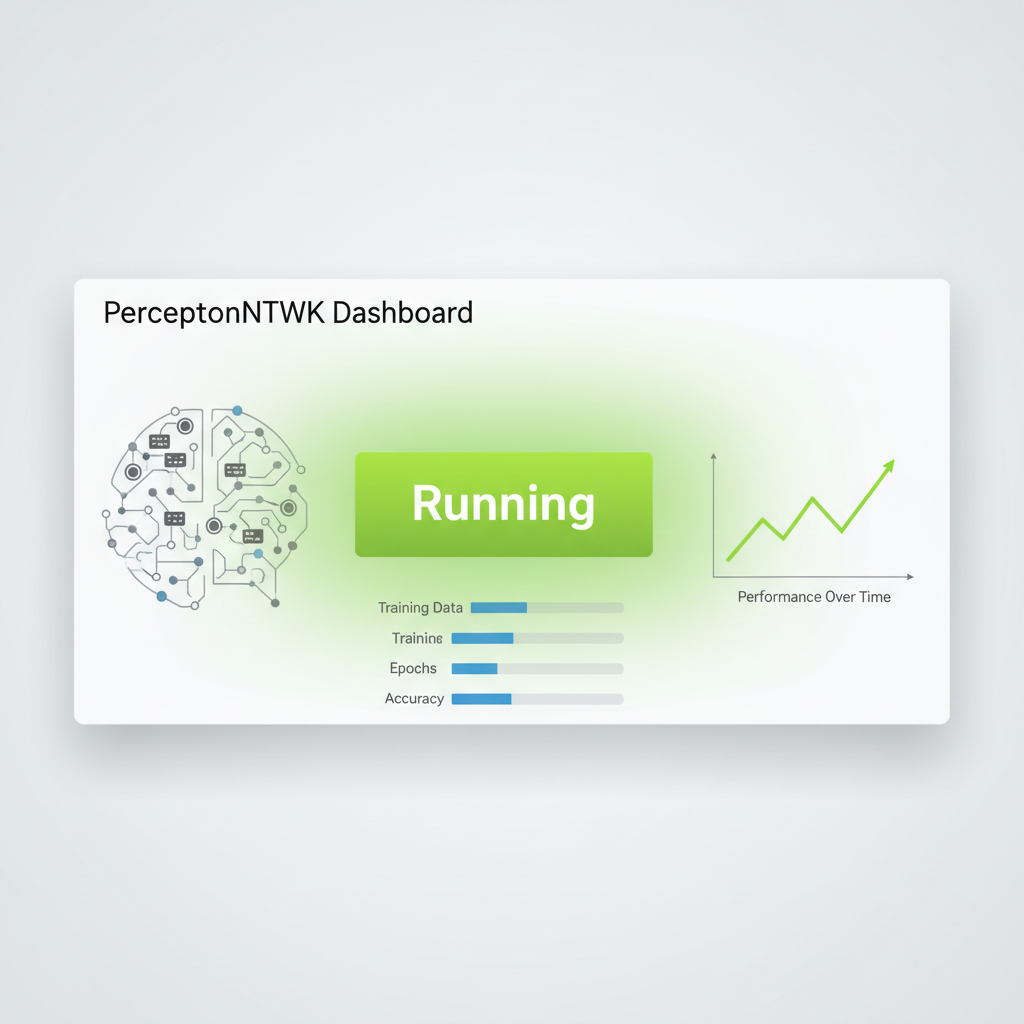
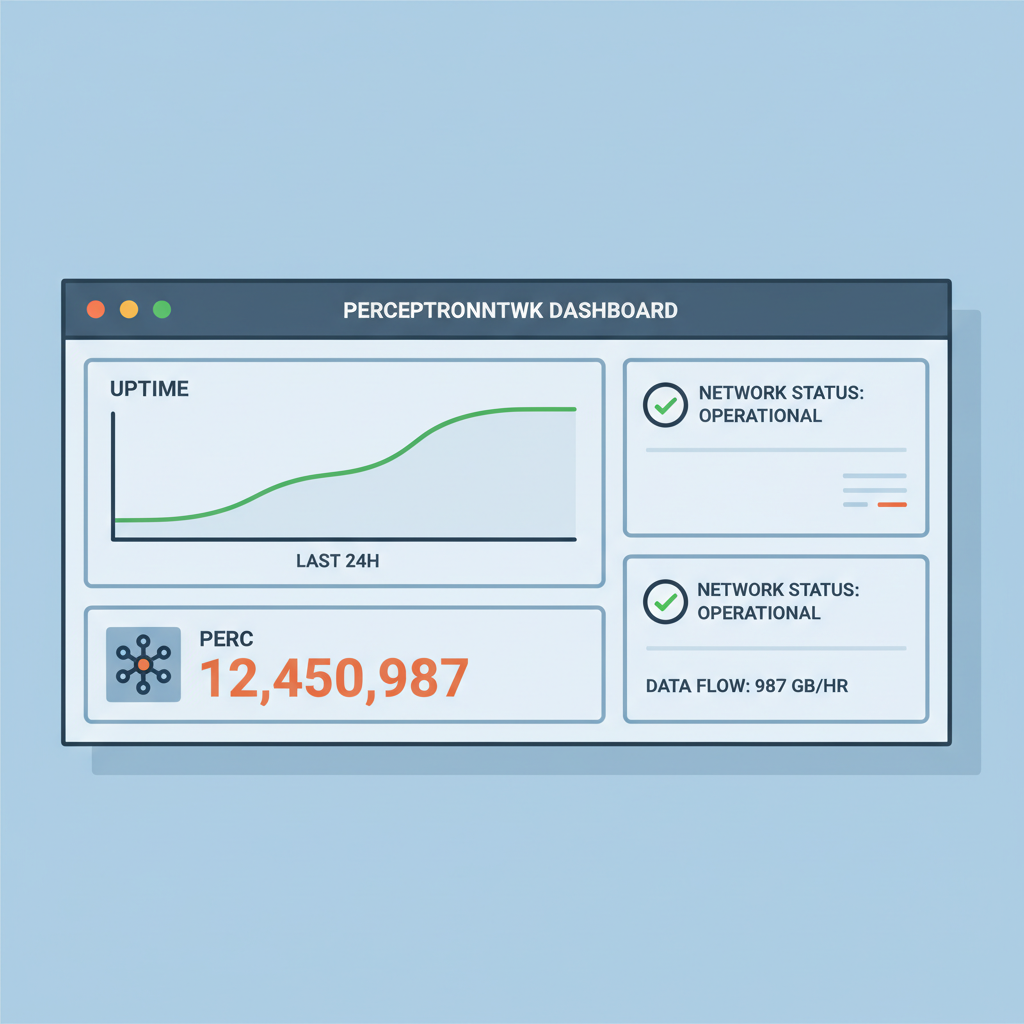
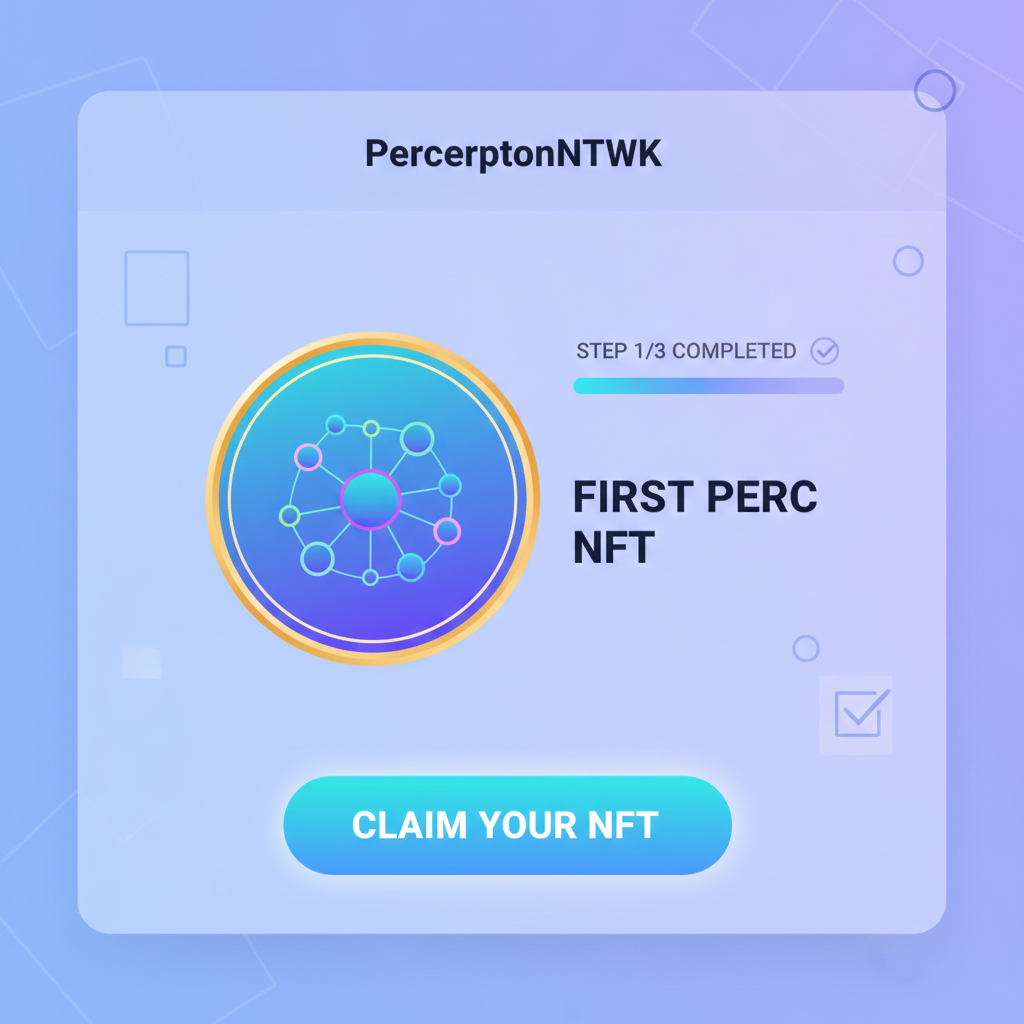
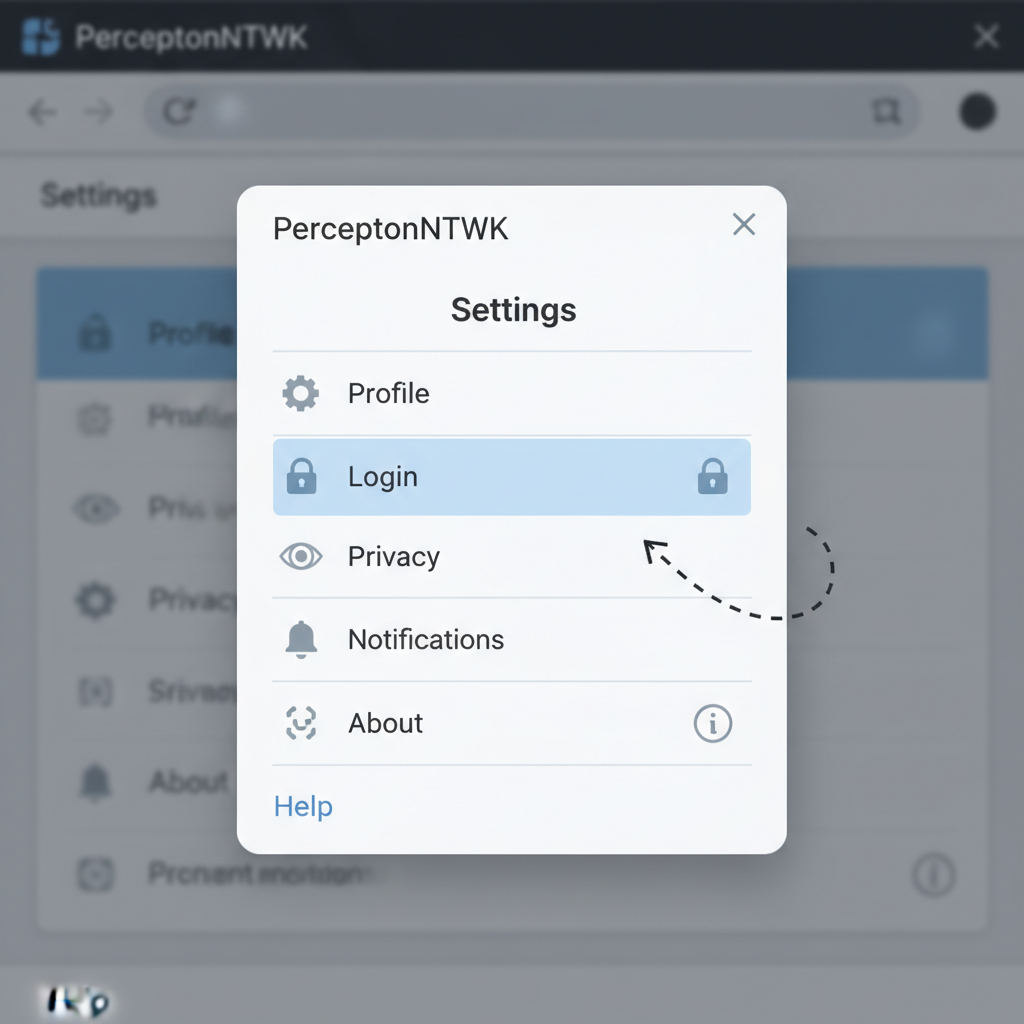
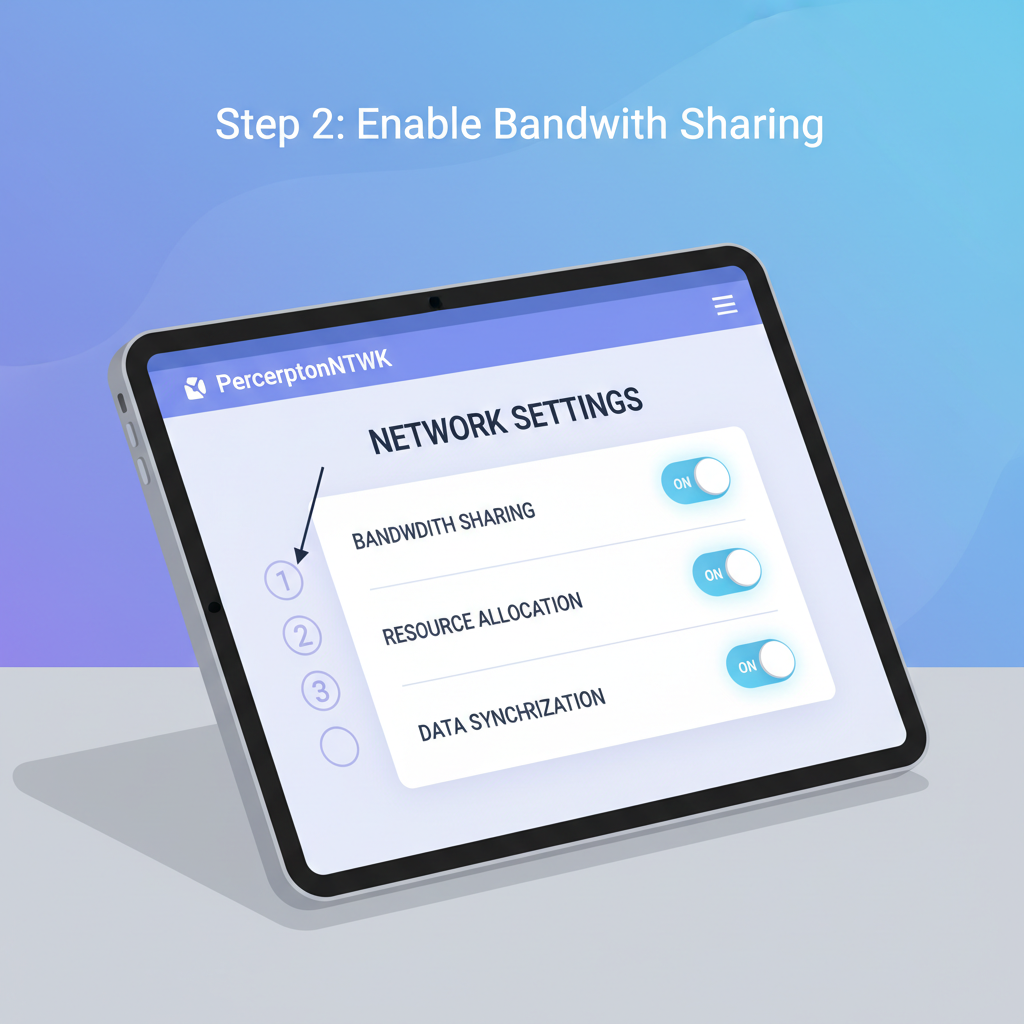
Once installed, log in via settings, grant bandwidth permissions, and let it hum in the background. Expect initial PERCs within hours, scaling as your node verifies more public signals. This hands-off approach suits multitaskers, but vigilant monitoring via the dashboard reveals patterns in uptime versus yield.
Earnings accrue through PERCs, those Proof-based NFTs minted for each batch of structured data. Unlike flat token drips, PERCs carry verifiable weight, tradable or stakable within the network. My analysis of similar DePINs shows PERC holders benefit from compounding effects as the mesh expands, especially post-BlockMesh integration boosting device count past 700,000.
Maximizing Bandwidth Sharing AI Rewards: Pro Tips and Strategies
To outperform casual runners, prioritize connection stability over speed. Residential IPs often fetch premium verification rates due to their human-signal authenticity, a edge over datacenter farms. Integrate referrals judiciously; a single chain can amplify PERCs without diluting focus. I’ve patterned user reports: nodes on fiber optics average 20-30% higher daily yields than DSL counterparts.
Customization options in settings let you cap bandwidth at 5-10% idle usage, preserving your primary browsing. Battery-conscious? Mobile apps throttle intelligently during charges. For power users eyeing bandwidth sharing AI rewards at scale, VPS deployments mimic browser environments via Ubuntu, XRDP, and headless Chrome. This multiplies nodes without hardware sprawl, though operators must rotate IPs to evade caps.
Single Browser Node vs. VPS Farm: Key Comparisons
| Aspect | Single Browser Node | VPS Farm |
|---|---|---|
| Earnings Potential | Low to Medium (Passive income from 1 lightweight node using idle bandwidth) |
High (Scalable by running multiple nodes across VPS) |
| Setup Complexity | Very Low ✅ (Install browser extension or app; runs in background) |
High ❌ (Provision VPS, install Ubuntu Desktop/XRDP, Chrome, extensions; manage multiple instances) |
| Bandwidth Needs | Low (Uses small portion of unused/idle bandwidth; no impact on performance) |
High (Requires dedicated bandwidth per VPS; scales with farm size) |
| Risk of Throttling | Low (Single node on home ISP; minimal usage) |
Medium (VPS providers may limit; need IP diversity to avoid detection) |
Diversify across devices if possible, but quality trumps quantity in DePIN AI signal verification. Track global mesh stats; surges in active nodes correlate with PERC value uplifts, signaling network maturity. Avoid common pitfalls like frequent restarts, which reset momentum, or ignoring firmware updates that enhance compatibility.
PERCs and the Economic Engine of Perceptron Network Edge Nodes
PERCs form the economic spine, bridging individual efforts to collective value. Each certificate encodes contribution metrics: signals captured, verification score, timestamp. Redeem them for native tokens during unlocks, or hold for governance weight. This incentivizes longevity, fostering a resilient grid for AI data needs.
In my view, PerceptronNTWK’s edge lies in its signal fidelity. AI models thrive on nuanced, real-world data, not commoditized scraps. Projects ignoring this chase short-term volume, but Perceptron network edge nodes deliver precision, positioning early adopters for outsized gains as enterprise AI pivots decentralized.
Sustainability shines through zero personal data harvest, audited transparency, and eco-light footprint. Community pulses on X and LinkedIn buzz with uptime hacks and yield shares, underscoring organic momentum. As DePIN evolves, PerceptronNTWK nodes carve a niche where bandwidth becomes blockchain-backed intelligence, rewarding contributors who spot the pattern early.
About the Author