
Decentralized AI compute networks are rapidly redefining what’s possible for autonomous blockchain agents. By leveraging distributed infrastructure, these networks unlock a new era of AI-powered DeFi agents, crypto wallet AI assistants, and complex agentic systems that operate directly on-chain. As the boundaries between artificial intelligence and decentralized finance blur, the ability for agents to act independently, collaborate securely, and optimize economic outcomes is no longer theoretical, it's being realized in live protocols today.
How Decentralized Compute Fuels Autonomous Blockchain Agents
Traditional AI models rely heavily on centralized cloud providers for their computational needs. This approach introduces single points of failure, cost inefficiencies, and potential privacy risks, especially problematic for autonomous agents operating in trustless blockchain environments. Decentralized AI compute networks address these pain points head-on by distributing both data and computation across a global network of nodes.
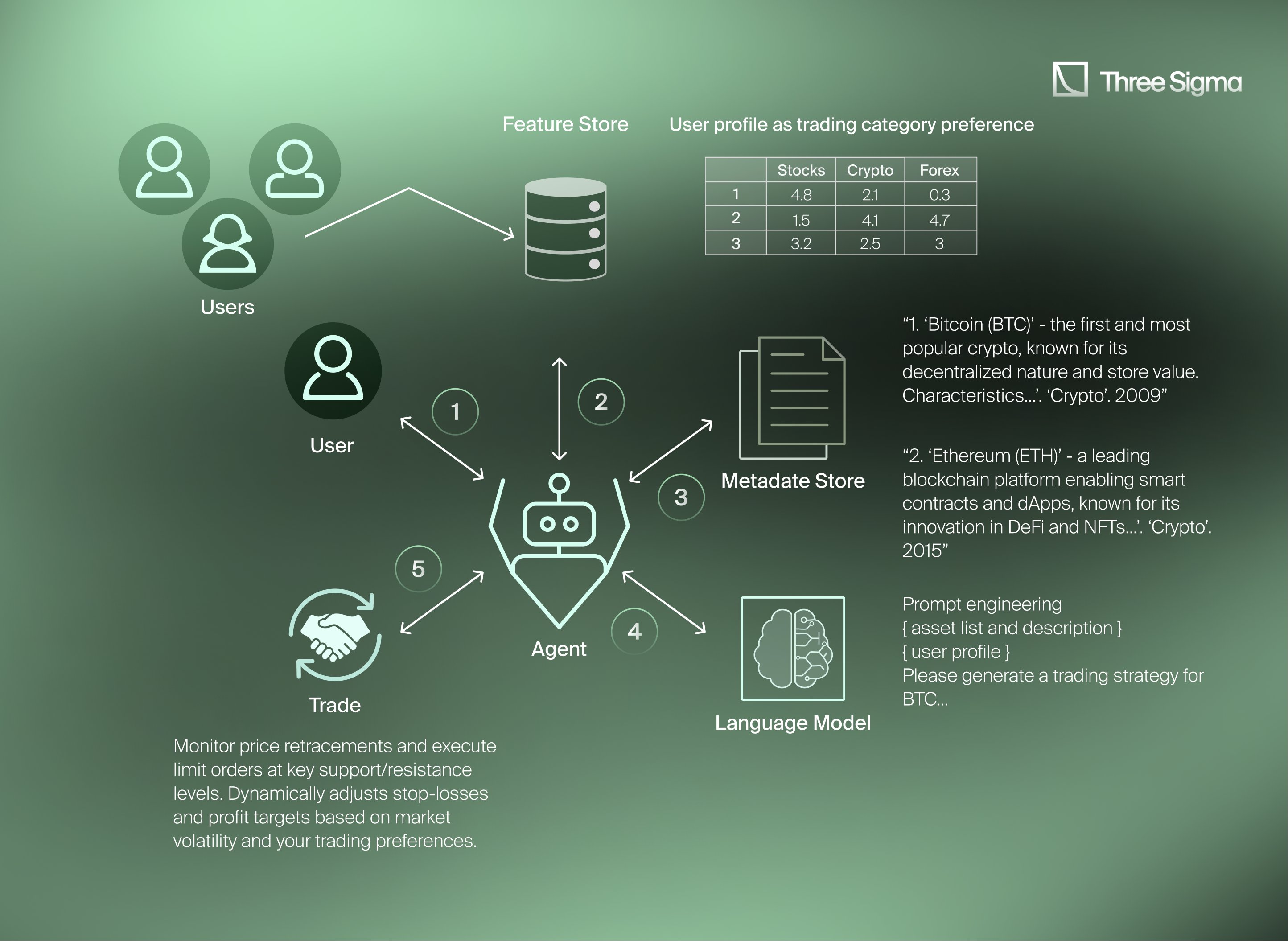
Hyperbolic’s AgentKit exemplifies this shift: it enables AI agents to autonomously assess their GPU requirements, select optimal resources from a decentralized pool, and manage those resources through transparent blockchain transactions. This level of autonomy allows agents to make real-time decisions without human intervention or reliance on a single provider.
"Decentralized AI distributes data, compute, and control. It makes AI more open, private, and community-driven. " – Polkadot
Collaboration and Interoperability: The Rise of Peer-to-Peer Agentic Systems
The next frontier isn’t just about individual agent autonomy, it’s about collaboration at scale. Projects like Shinkai’s Decentralized AI Agent Network are building peer-to-peer infrastructures where autonomous agents can communicate securely, share workloads, and even engage in economic transactions while preserving user privacy. This kind of agentic interoperability enables more sophisticated solutions than any single agent could achieve alone.
How Decentralized AI Compute Empowers On-Chain Agents
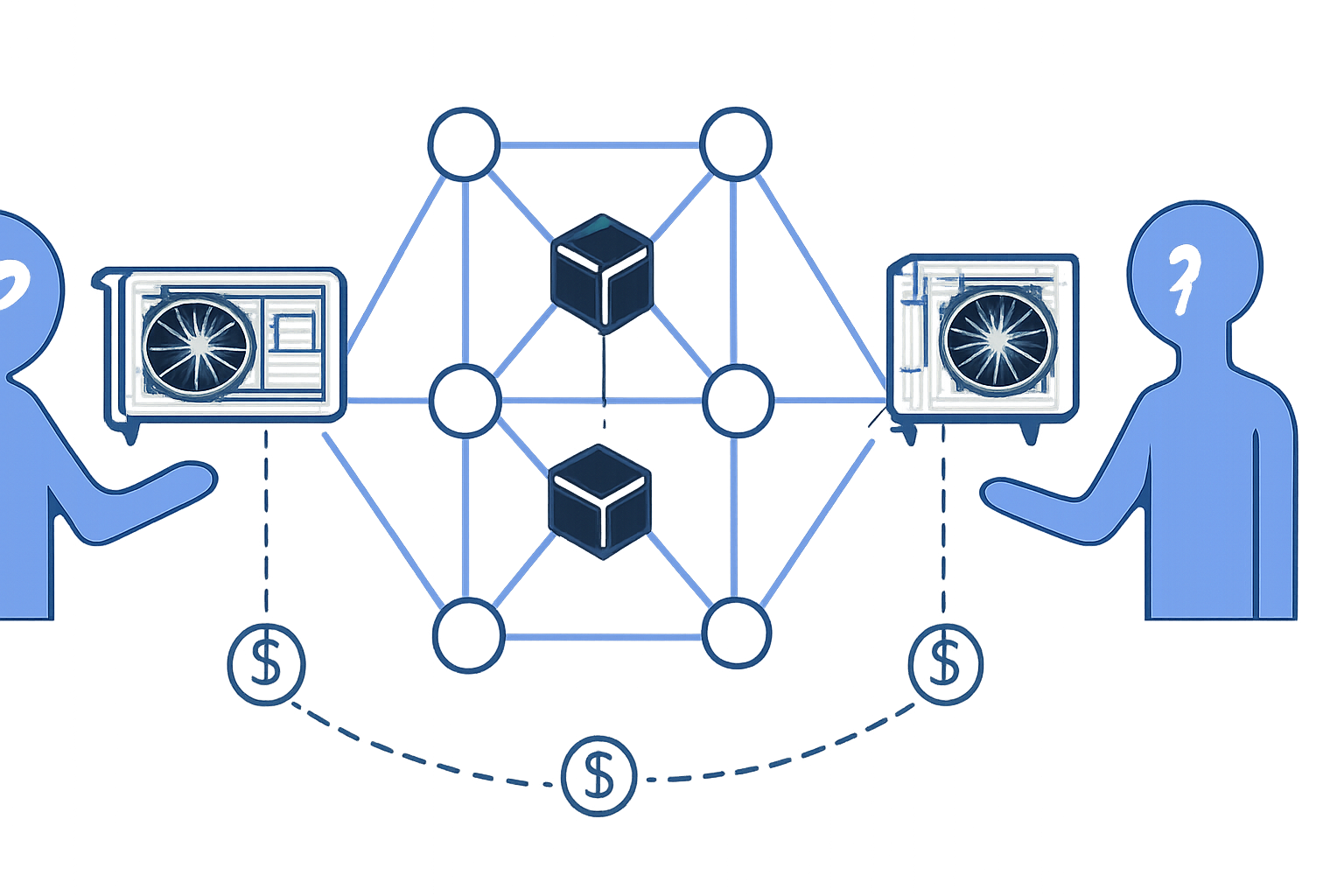
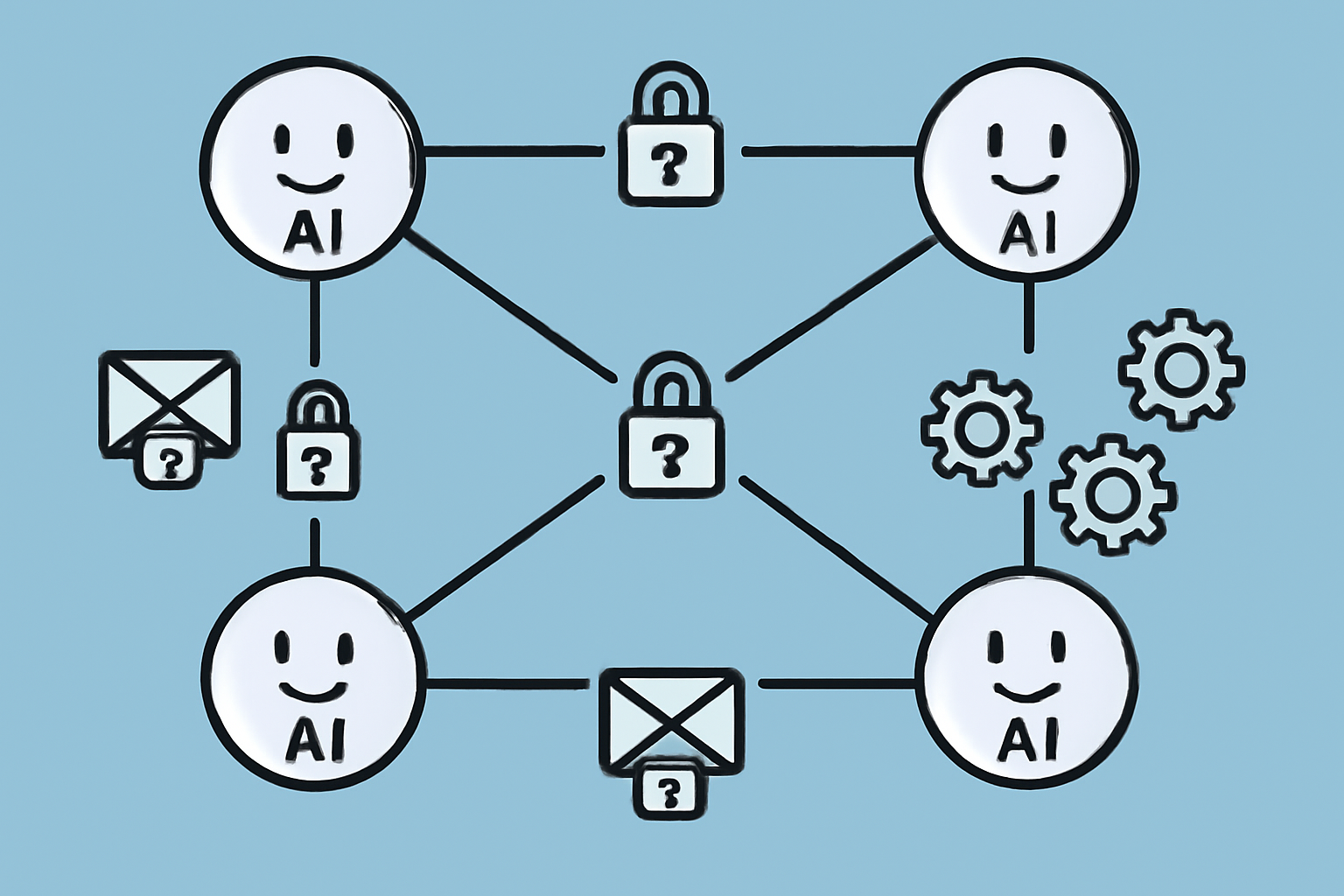
The result? Distributed agent ecosystems capable of coordinating everything from DeFi yield optimization to cross-chain arbitrage, without ceding control to centralized intermediaries.
Privacy-Preserving Computation: Trust Without Compromise
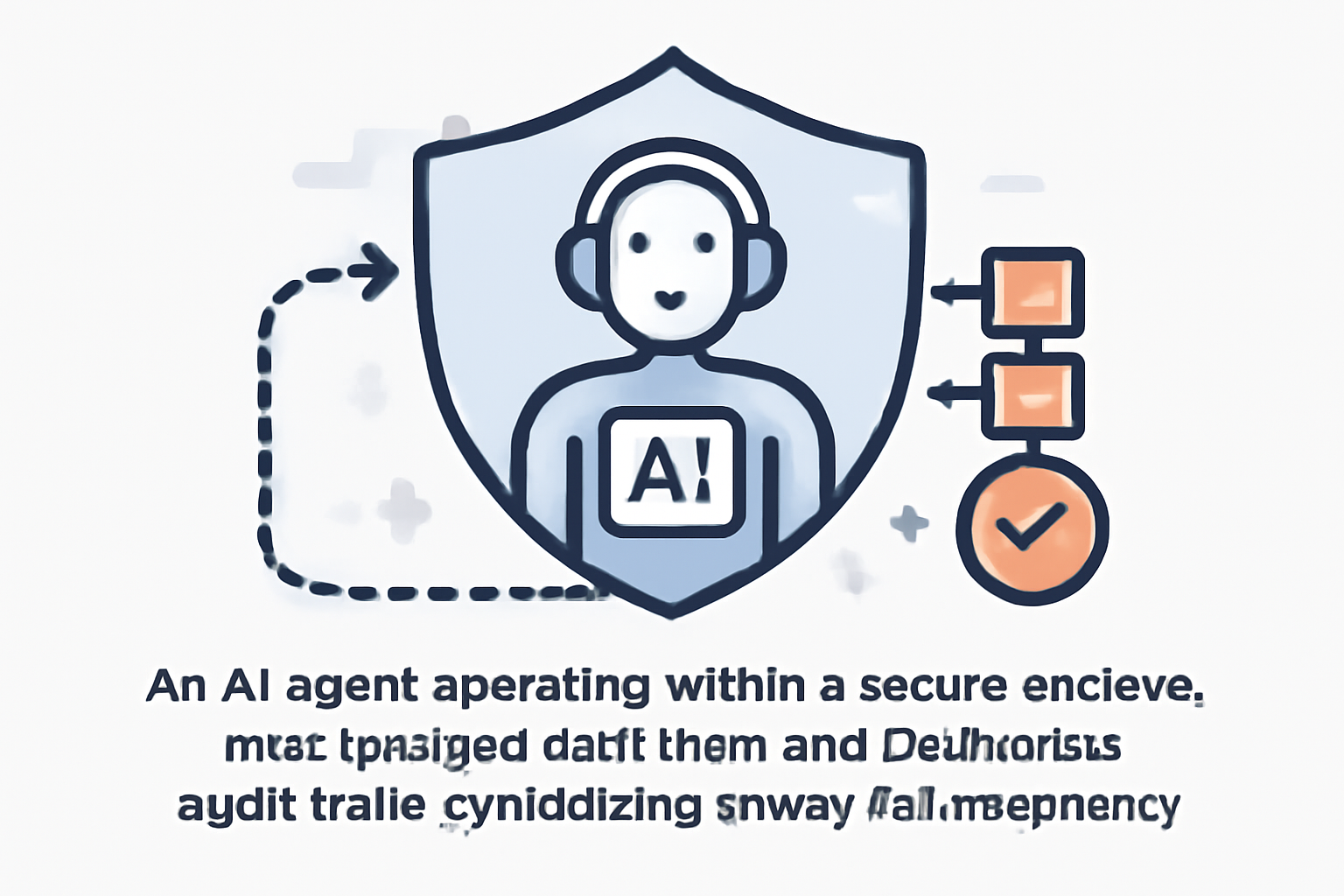
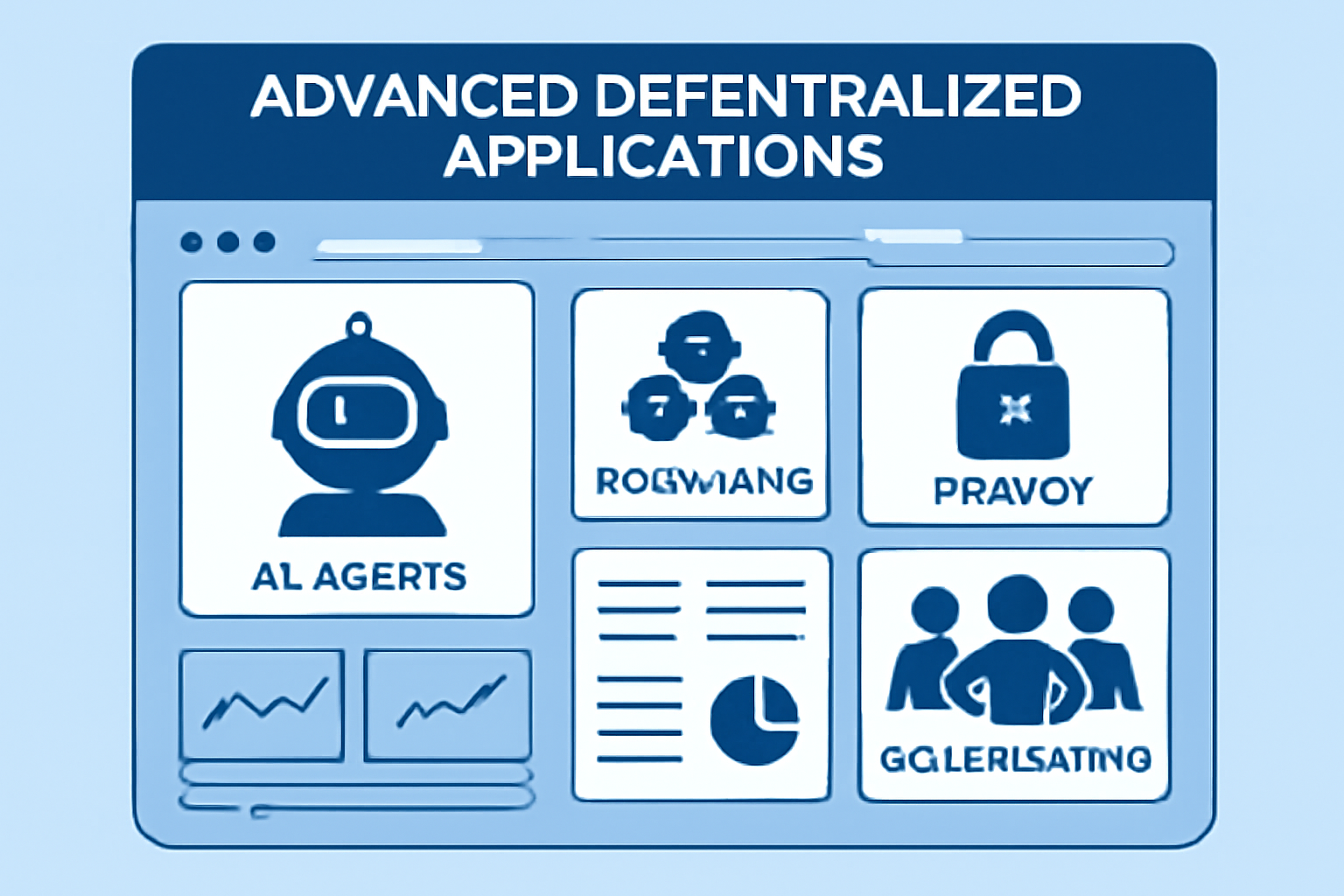
The integration of privacy technologies is non-negotiable as agent-based systems handle increasingly sensitive tasks like trading strategies or private key management. Autonomys’ partnership with Secret Network leverages Trusted Execution Environments (TEEs) that keep all inputs, outputs, and model states confidential yet auditable on-chain. This approach empowers developers to build super dApps, decentralized applications powered by advanced autonomous agents, with robust security guarantees at a fraction of traditional costs.
The Economic Engine: Incentivizing Scale and Participation
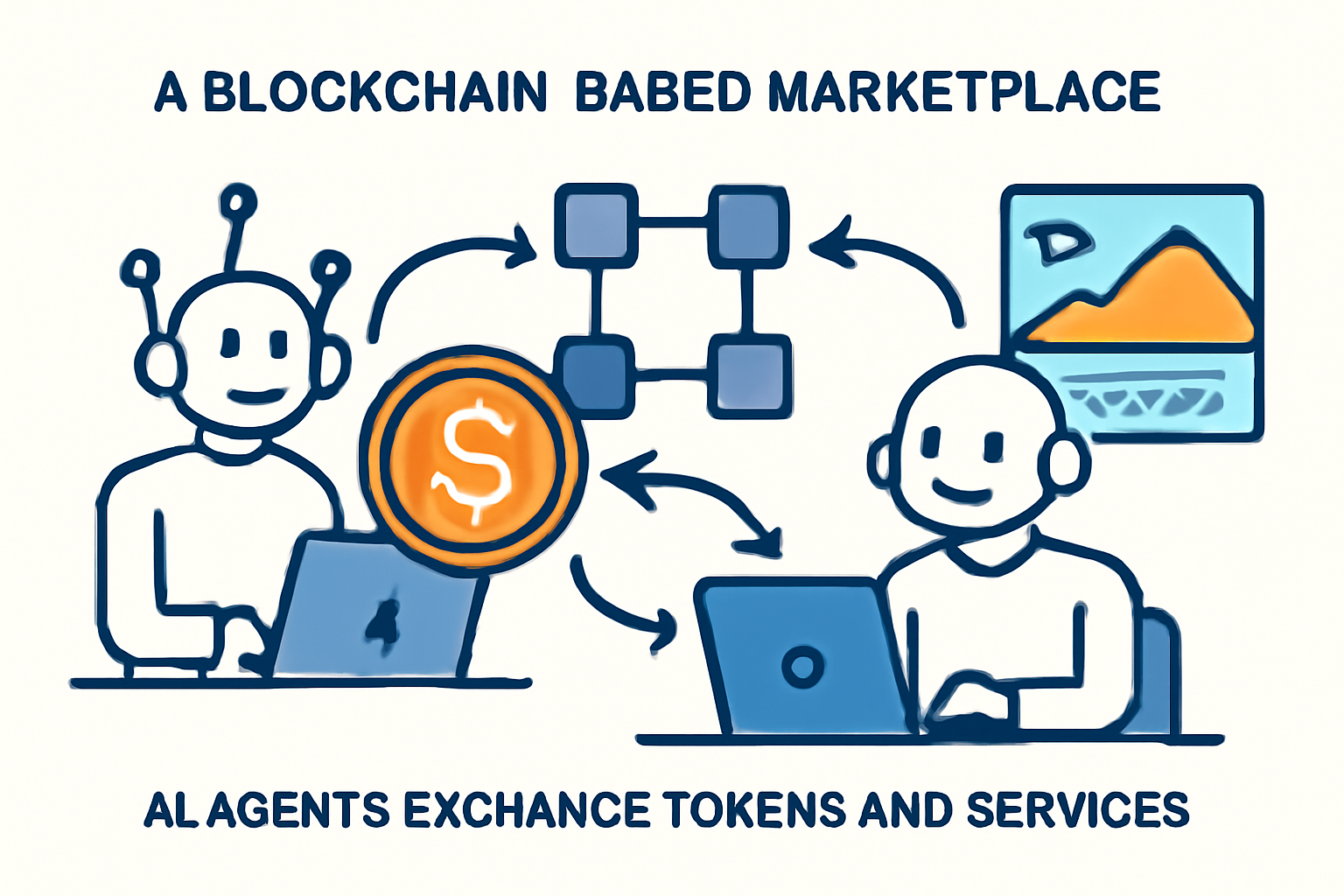
No discussion is complete without addressing the economic layer underpinning these networks. Protocols like AgentLayer introduce native currencies (such as $AGENT) to create self-sustaining marketplaces for minting, deploying, and swapping AI-powered assets directly on-chain. Combined with Byzantine fault-tolerant registries that ensure service reliability and verifiability, these tokenomics models fuel an entire economy around distributed intelligence, making scalable participation both possible and profitable.
In practice, this economic alignment is transforming the landscape for both developers and node operators. Developers can monetize their AI models as autonomous on-chain agents, while compute providers earn rewards for contributing GPU or specialized hardware to the network. The result is a virtuous cycle: more compute resources attract more sophisticated agents, which in turn drive demand for decentralized AI compute, creating a robust ecosystem that’s resilient to centralized chokepoints and single-vendor risk.
For end users, these advances mean tangible improvements in DeFi protocols, crypto wallets, and agentic automation across the blockchain stack. Imagine AI-powered DeFi agents that autonomously rebalance liquidity pools, optimize yield strategies in real-time, or negotiate lending terms directly with other smart contracts, all without exposing sensitive data or relying on opaque third parties. This isn’t just about efficiency; it’s about trustless composability and user empowerment at scale.
Challenges Ahead: Scaling Trust and Performance
Despite significant progress, several hurdles remain before decentralized AI compute networks become ubiquitous infrastructure. Latency and throughput must improve to support high-frequency trading bots or real-time NFT marketplaces. Interoperability standards are needed so agentic systems can operate seamlessly across different chains and ecosystems. And governance models must balance permissionless participation with the need to mitigate malicious activity or collusion among nodes.
Technical innovation is converging with community-driven governance to address these challenges. For instance, projects are experimenting with sharding mechanisms for distributed AI workloads and leveraging zero-knowledge proofs to verify agent actions without revealing underlying data. As these solutions mature, expect decentralized compute DeFi platforms to rival, and in some cases surpass, the capabilities of their centralized counterparts.
Top Use Cases for Autonomous Blockchain Agents
- On-Chain Autonomous Agent Collaboration: Shinkai's Decentralized AI Agent Network enables peer-to-peer communication and collaboration among AI agents, allowing them to jointly solve complex tasks and coordinate economic activities while maintaining privacy and user control.

- Privacy-Preserving AI Applications: Autonomys, in partnership with Secret Network, empowers the creation of confidential AI-powered decentralized applications (super dApps) and agents using Trusted Execution Environments (TEEs) to ensure data privacy and auditability.

- Decentralized AI Agent Marketplaces: AgentLayer introduces a decentralized registry for AI services and agents, using its native currency ($AGENT) to incentivize the minting, deployment, and exchange of AI assets, fueling a scalable on-chain agent economy.
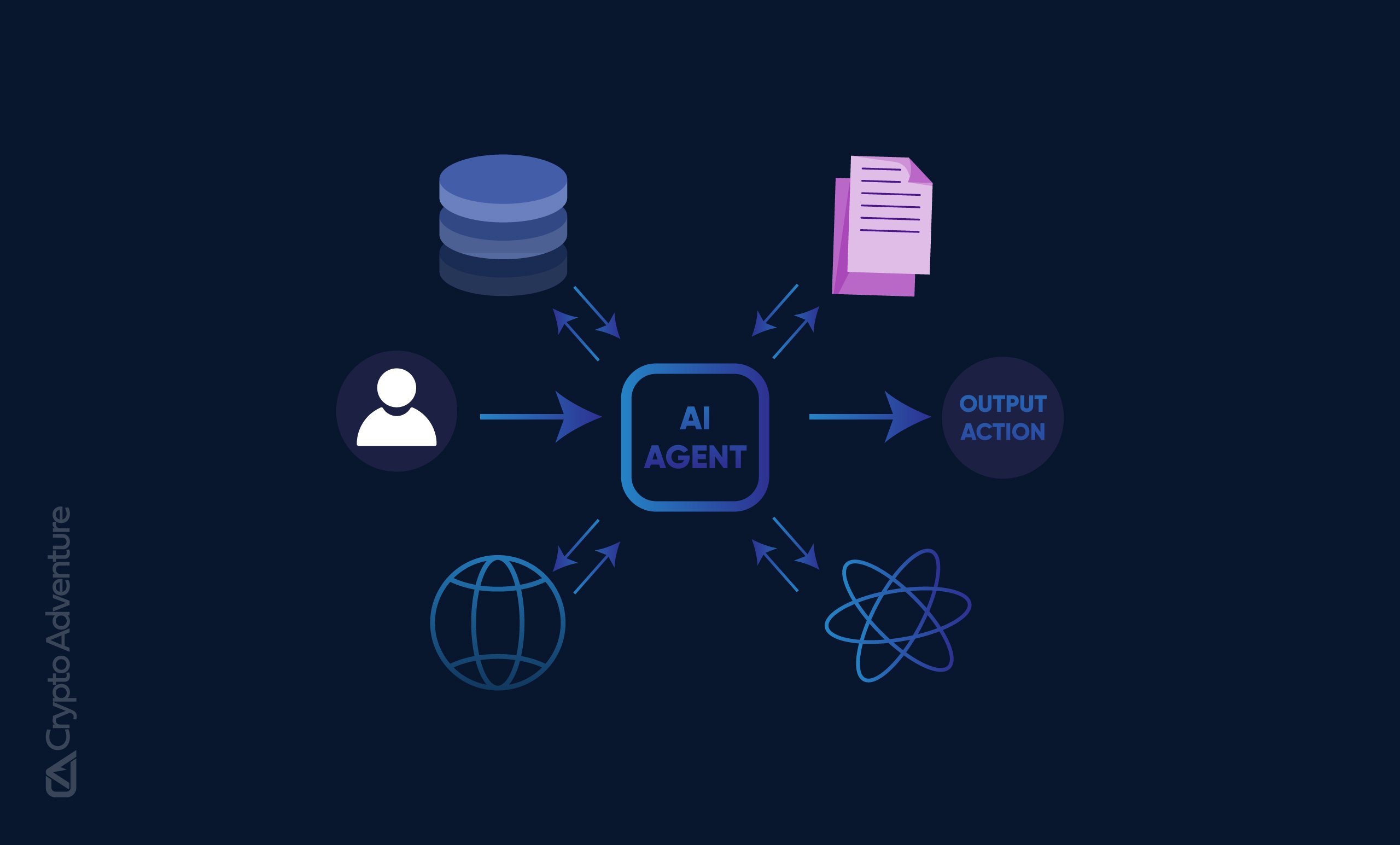
- Verifiable and Transparent AI Computation: Hyperbolic's AgentKit integrates with decentralized GPU networks to allow AI agents to autonomously manage and verify their computational resources, ensuring transparency and trust in on-chain AI operations.
Looking Forward: The Path to Autonomous On-Chain Intelligence
The convergence of distributed AI infrastructure with programmable blockchains is catalyzing a new generation of intelligent on-chain agents, systems that are not only autonomous but also economically incentivized and privacy-preserving by design. As agentic systems proliferate across DeFi, gaming, supply chain management, and beyond, the demand for secure and scalable decentralized AI compute will only accelerate.
Ultimately, the success of this paradigm hinges on broad participation from developers, node operators, and users alike. By embracing open-source collaboration and transparent incentive structures, decentralized AI networks can foster an ecosystem where innovation thrives without sacrificing security or autonomy.
The next wave of crypto innovation won’t be defined by isolated protocols, it will emerge from interconnected swarms of autonomous agents leveraging global distributed intelligence. For those building at the intersection of blockchain and artificial intelligence today, the opportunity is clear: help shape an open future where every agent acts verifiably in your best interest, and does so at scale.




No comments yet. Be the first to share your thoughts!