

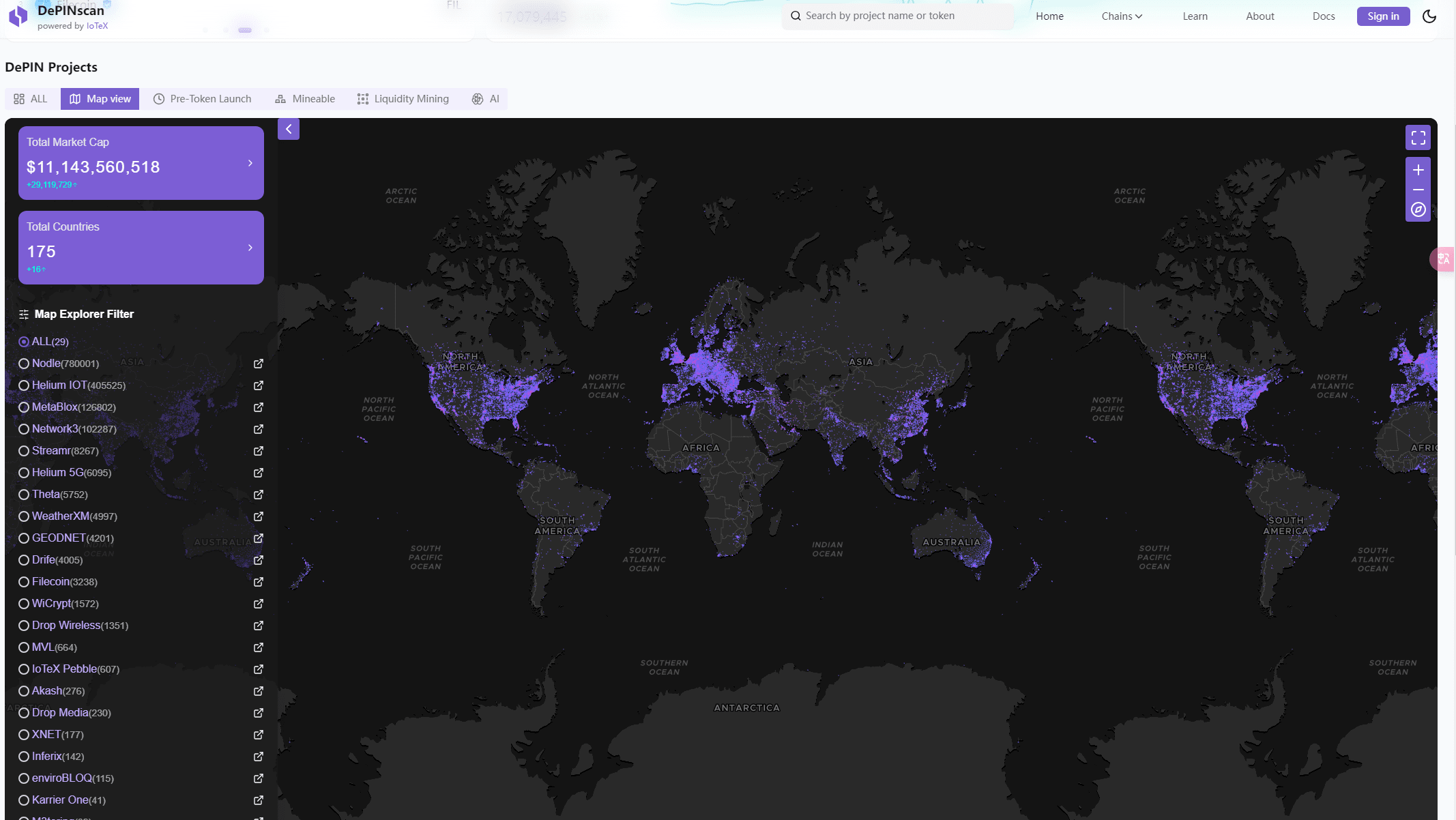
In the relentless pursuit of AI that truly understands the world, the bottleneck has never been raw compute power. It's data - real, verifiable data from the physical realm. Enter DePIN AI integration, where decentralized sensor networks are flipping the script by piping authentic, tamper-proof inputs directly into on-chain AI data feeds. This isn't some futuristic pipe dream; projects like IoTeX are already connecting over 40 million devices, turning everyday sensors into a global nervous system for blockchain-powered intelligence.
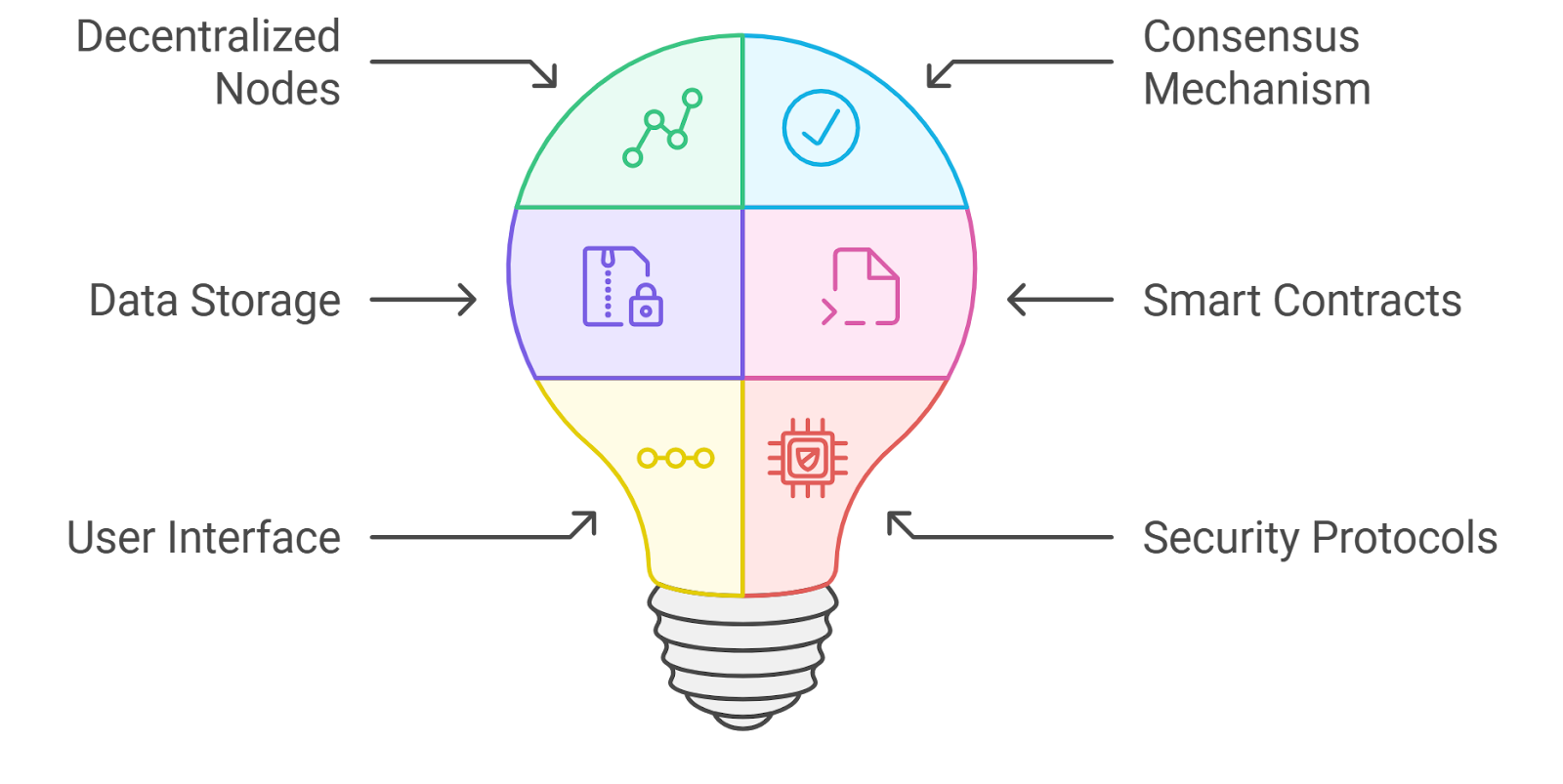
Imagine traffic cams in bustling cities, weather stations in remote farms, or even wearable health monitors - all crowdsourced via crypto incentives AI compute offers. Participants deploy hardware, collect data, and earn tokens, creating a self-sustaining loop that dwarfs centralized data silos. This DePIN real-world data AI fusion addresses AI's Achilles heel: trusting the inputs. No more scraping dubious web scrapes or paying premiums to data monopolies.
Decentralized Sensor Networks: Crowdsourcing the Physical Layer
DePIN, or Decentralized Physical Infrastructure Networks, flips traditional infrastructure on its head. Instead of venture-backed behemoths building everything, token incentives rally individuals to contribute hardware. Sensors, cameras, IoT gadgets - they form vast, permissionless arrays capturing everything from air quality to vehicle flows. NATIX Network's DePAI vision takes this further, blending DePIN with AI for autonomous physical systems that operate transparently on blockchain rails.
Take IoTeX as the poster child. By September 2025, their network spanned mobility, robotics, energy, and healthcare, with modular DePIN Infrastructure Modules (DIMs) and a Modular Security Pool (MSP) enabling plug-and-play scalability. This setup isn't just about volume; it's strategic. Developers can tap into verifiable streams for training models that predict energy demands or optimize robotic fleets, all while slashing costs through shared infrastructure.
The economic model is brutally efficient. Token rewards align supply with demand, ensuring data flows where it's needed most. As Outlier Ventures notes, this crowdsources high-quality datasets for AI, bypassing the labeler armies of Web2. It's opinionated infrastructure: decentralized by design, resilient to single points of failure, and primed for the machine-driven internet ahead.
From Sensors to Smart Contracts: The Data Pipeline
Raw sensor data doesn't magically become AI fuel. Decentralized sensor networks AI thrive on a pipeline that bridges atoms to bits securely. Devices timestamp and hash readings on-chain, creating immutable proofs of provenance. This feeds directly into AI models running in decentralized compute environments, where outputs can trigger smart contracts - think automated insurance payouts from verified accident data or dynamic pricing from live supply chain feeds.
Key Advantages of DePIN AI Integration
- Authentic real-world data via hardware incentives: DePIN networks like IoTeX incentivize individuals to deploy sensors, cameras, and IoT devices, collecting verifiable data from over 40 million devices across mobility, robotics, energy, and healthcare.
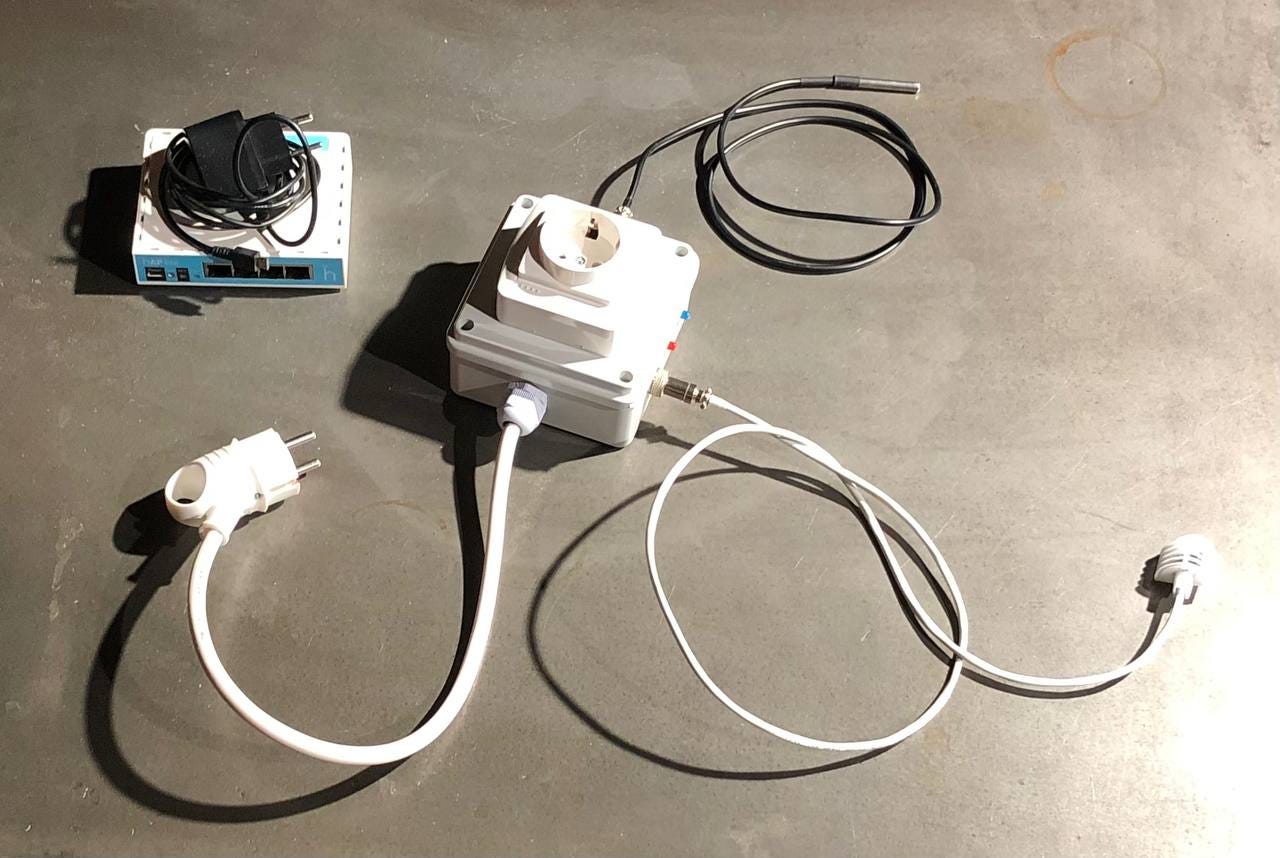
- Cost savings over centralized providers: Crowdsourced physical infrastructure via token incentives drastically reduces expenses compared to proprietary data centers and centralized AI data pipelines.
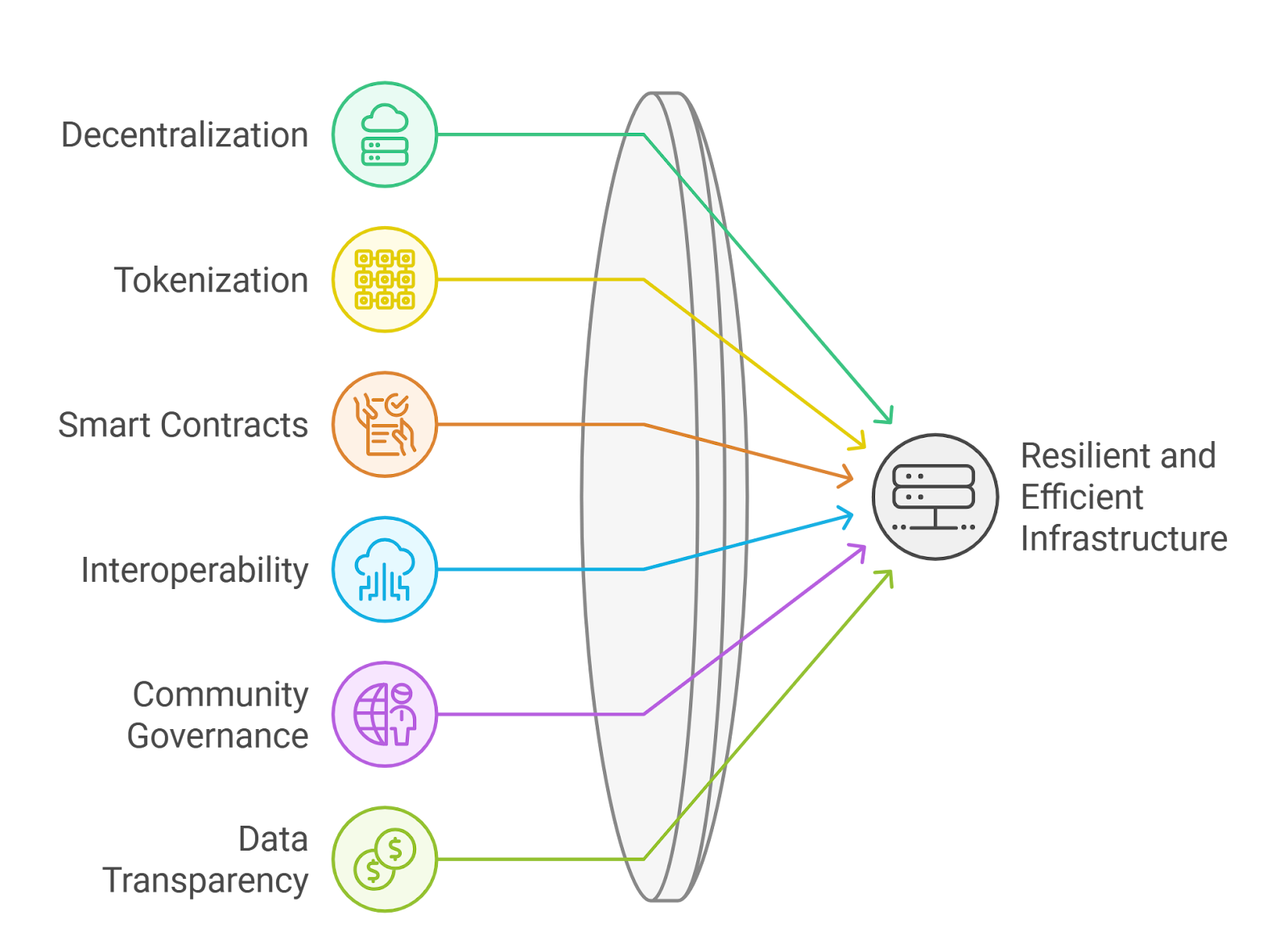
- Scalability through modular deployments like IoTeX DIMs: DePIN Infrastructure Modules (DIMs) and Modular Security Pool (MSP) enable interoperable, easy-to-deploy expansions for high-volume real-world data feeds.
- Trust-minimization with cryptographic verification: Techniques like zero-knowledge machine learning (zkML) provide proofs for data authenticity and correct AI computations in hybrid on-chain/off-chain setups.

Hybrid architectures make it feasible. High-volume streams get processed off-chain with verifiable compute, posting only proofs or state changes on-chain. iExec highlights this modularity: AI and DePIN together forge autonomous systems that scale without trust assumptions. It's a strategic pivot from on-chain everything to smart orchestration, preserving decentralization's edge while dodging gas fee nightmares.
Projects are already proving the playbook. In mobility, sensor swarms enable decentralized autonomous fleets, feeding AI models for route optimization and predictive maintenance. Energy grids balance loads with real-time telemetry, all incentivized by tokens. This crossover isn't additive; it's multiplicative, unlocking AI applications that were previously gated by data droughts.
Verifiable AI: Cryptographic Glue for DePIN Data
Trust is the linchpin. Enter verifiable AI, wielding zero-knowledge machine learning (zkML) to prove computations happened correctly on genuine inputs. A sensor reports temperature data; zkML generates a proof that an AI model processed it accurately, postable on-chain for anyone to verify. No revealing sensitive data, just ironclad assurance.
This layer scales DePIN beyond basic telemetry. Healthcare devices stream vitals to models diagnosing in real-time, with proofs ensuring compliance and accuracy. Robotics firms train on crowdsourced environmental data, confident in its fidelity. As SuperEx frames it, the AI surge demands this real-world bridge, and DePIN delivers with blockchain's transparency baked in.
Challenges persist - bandwidth hogs, sybil attacks - but tokenomics and slashing mechanisms keep actors honest. The result? A framework where on-chain AI data feeds from physical sources power everything from climate modeling to urban planning, all verifiable and incentivized. Investors take note: this is the infrastructure moat for AI's next decade.
Scalability demands nuance. While zkML proofs add overhead, layer-2 solutions and optimized oracles are compressing costs, making DePIN real-world data AI viable for high-frequency apps. NATIX's DePAI pushes boundaries, envisioning AI agents that act on physical data autonomously, all settled transparently via blockchain.
Industry Use Cases: DePIN AI in Action
Mobility leads the charge. Crowdsourced dashcams and LiDAR units create live maps richer than Google’s, fueling AI for autonomous machines. Predictive analytics spot congestion before it hits, rerouting fleets and slashing emissions. IoTeX’s 40 million devices already power such systems, proving the model at scale.
Energy sectors leverage sensors for grid balancing. Distributed nodes report usage patterns, enabling AI to forecast peaks and dispatch renewables dynamically. Token incentives ensure coverage in underserved areas, democratizing access that centralized utilities ignore. Healthcare follows suit: wearables stream anonymized vitals to models spotting outbreaks early, with proofs guaranteeing data integrity for regulatory nods.
Supply chains get a radical upgrade. IoT tags on goods provide tamper-proof provenance, feeding AI for demand forecasting and fraud detection. No more opaque black boxes; every movement is on-chain verifiable. As Coinrule details, these networks solve real infrastructure pains through tangible, incentivized deployments.
Overcoming Hurdles: The Path to Mainstream Adoption
Sybil resistance remains tricky - fake nodes could poison data. But reputation scores, hardware attestation, and stake-slashing create skin in the game. Bandwidth? Edge computing preprocesses locally, sending lean proofs chainward. Economic attacks? Dynamic rewards adjust to threat models, keeping the system antifragile.
Regulatory clarity will accelerate. As data privacy laws evolve, zk-proofs offer compliance without sacrificing utility. MEXC underscores how DePIN slashes infra costs while boosting accessibility, a strategic win for bootstrapped innovators. My take: early projects building moats in data quality and network effects will dominate, much like AWS did for cloud.
Top DePIN AI Projects to Watch
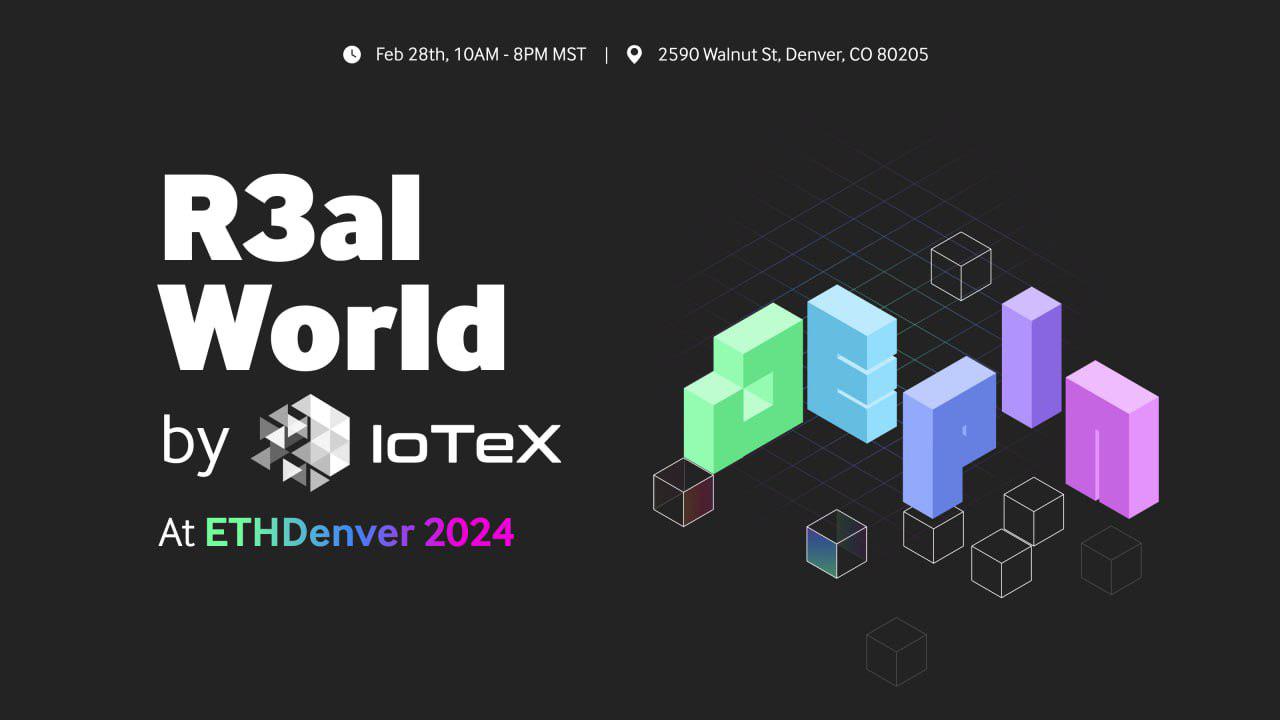
- IoTeX: Connected over 40 million devices across mobility, robotics, energy, and healthcare; modular DIMs and MSP enable scalable DePIN-AI integration.
- NATIX: DePAI framework for physical AI autonomy, leveraging decentralized dashcams and blockchain incentives for real-world data.

- iExec: Verifiable compute for hybrid AI-DePIN, supporting modular, trust-minimized systems with cryptographic proofs.
- Helium: IoT backbone with vast hotspot network, expanding to AI data feeds from decentralized sensors.

- Render: Decentralized GPUs complement sensor data, powering on-chain AI rendering and compute workloads.
Interoperability is key. Standards like IoTeX’s MSP pool security across chains, letting Solana-speed apps tap Ethereum-grade data. This modular ethos, per Outlier Ventures, positions DePIN as the backbone for machine-driven nets, curating datasets that centralized labs envy.
Investment Thesis: Positioning for the DePIN AI Boom
As a 17-year veteran navigating equities and crypto cycles, I see crypto incentives AI compute as the undervalued multiplier. DePIN tokens accrue value from network utility, not hype. IoTeX’s trajectory - from niche IoT to multi-sector giant - mirrors early cloud plays. Stake in projects with proven hardware adoption and verifiable pipelines; they’ll compound as AI demand surges.
Titan Network’s 2026 DePIN rankings spotlight leaders crowdsourcing physical infra effectively. Pair with compute layers like decentralized GPUs for full-stack exposure. Risks? Adoption lags or macro headwinds. But the flywheel - data begets better AI, which demands more data - is inexorable.
DePIN x AI isn’t a trend; it’s the rearchitecture of intelligence itself. Sensor networks, once siloed, now pulse with blockchain vitality, birthing models that act on the world with unassailable trust. For builders and investors, the window is now - deploy nodes, train models, secure the future.


No comments yet. Be the first to share your thoughts!