

Why crypto AI agents matter in 2026
The shift from manual trading to autonomous AI agents marks a fundamental change in how capital moves through decentralized finance. By 2026, the global AI agents market is projected to reach $11.55 billion, reflecting a rapid adoption of software that can execute complex financial tasks without human intervention [[src-serp-3]]. This isn't just about faster clicks; it's about platforms like elizaOS, GOAT, and Zerebro operating continuously to optimize yields and manage risk across multiple chains.
These platforms handle the heavy lifting of DeFi, from rebalancing portfolios to monitoring smart contract security in real time. The focus has moved beyond simple automation to substantive research and execution, a trend highlighted by a16z Crypto as a defining characteristic of the year [[src-serp-4]]. As the ecosystem evolves into a functional "AgentFi" landscape, the ability to distinguish between reliable autonomous agents and speculative hype becomes critical for due diligence.
While the potential for efficiency is high, the stakes are equally elevated. Autonomous agents interact directly with on-chain assets, meaning errors or vulnerabilities can lead to immediate and irreversible losses. Investors must treat these tools with the same rigor as any high-leverage trading strategy, verifying the underlying code and governance structures before entrusting capital to an algorithm.
5 Best Crypto AI Agents 2026: Real-Time Trading & Autonomous DeFi
In 2026, autonomous agents like elizaOS, GOAT, and Zerebro have shifted from experimental prototypes to critical infrastructure for real-time trading and yield optimization. These tools execute complex DeFi strategies with minimal human intervention, amplifying both potential returns and systemic risks. Success requires rigorous due diligence and a clear understanding of the specific autonomous functions each agent employs.
1. ElizaOS Autonomous Social Trading Agent
ElizaOS transforms social media engagement into autonomous trading signals, allowing agents to monitor sentiment and execute trades without human intervention. This high-stakes automation demands rigorous risk management, as social noise can trigger volatile market reactions. Verify the agent's logic before deploying capital, ensuring you understand the specific algorithms driving these rapid, decentralized financial decisions.
2. GOAT Decentralized AI Agent Framework
GOAT provides a robust framework for building decentralized AI agents, emphasizing transparency and security in autonomous operations. Unlike centralized bots, GOAT’s architecture allows developers to create agents that operate across various blockchain environments. Users must conduct thorough due diligence on the underlying smart contracts, as decentralized autonomy introduces unique technical risks that require careful auditing.

3. Zerebro Multi-Chain Crypto Monitoring Bot
Zerebro acts as a vigilant sentinel across multiple blockchains, aggregating real-time data to identify arbitrage opportunities and market anomalies. Its multi-chain capability ensures comprehensive coverage, but the speed of execution requires precise configuration to avoid slippage. Traders should test Zerebro’s monitoring parameters extensively, as misconfigured alerts can lead to missed opportunities or unintended positions in fast-moving markets.
4. OpenDevin Autonomous Software Development Agent
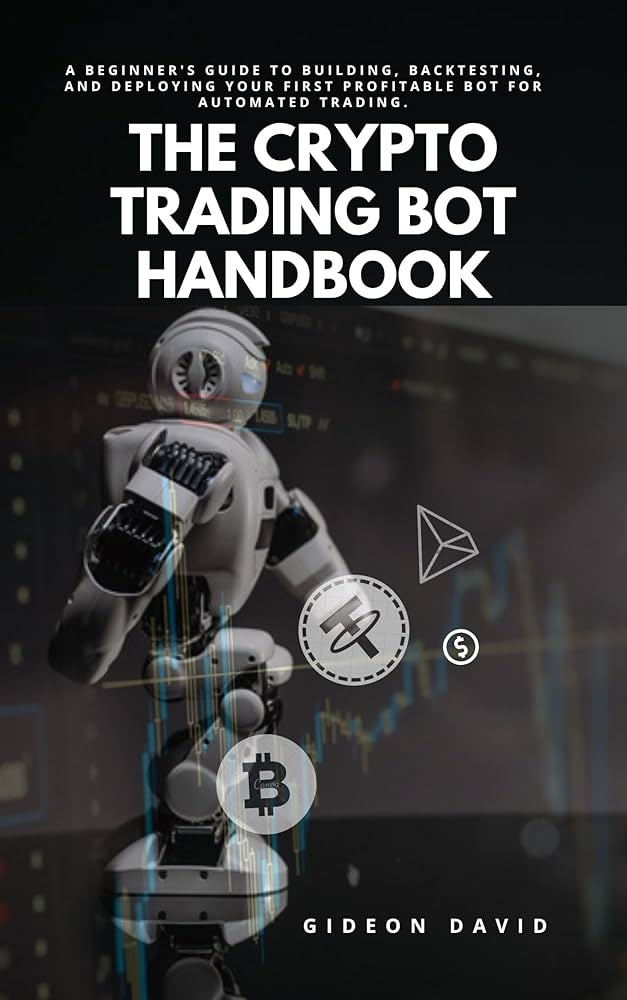
OpenDevin automates complex software development tasks, enabling the creation and maintenance of trading bots with minimal human oversight. While it accelerates development cycles, relying on autonomous code generation requires strict validation to prevent vulnerabilities. Developers must review generated code meticulously, as errors in trading logic can result in significant financial losses due to the high-stakes nature of automated execution.

5. CrewAI Multi-Agent Collaboration for DeFi
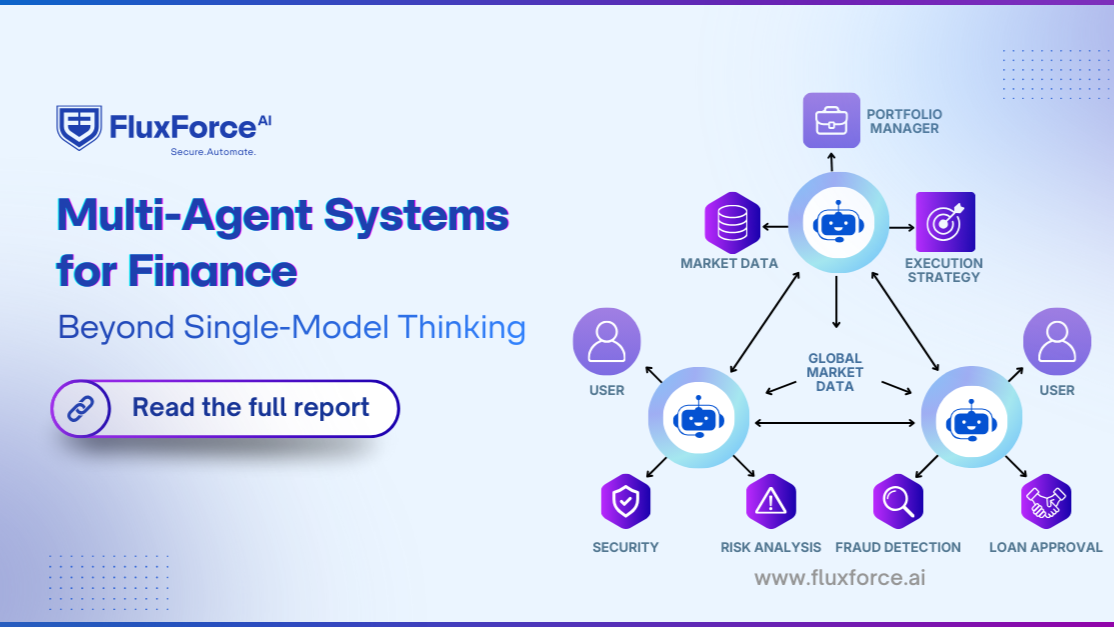
CrewAI facilitates collaboration among multiple AI agents, coordinating complex DeFi strategies that require diverse expertise. This multi-agent approach enhances decision-making by combining specialized skills, but it also increases system complexity. Users must ensure clear communication protocols between agents to prevent conflicting actions, as misaligned strategies can undermine the effectiveness of autonomous financial operations in volatile markets.
How autonomous DeFi trading works
Autonomous DeFi agents like elizaOS, GOAT, and Zerebro operate as distinct software entities that connect directly to blockchain wallets. They do not merely suggest trades; they execute them. By leveraging EIP-7702 for seamless wallet integration, these agents can sign transactions and interact with decentralized protocols without constant manual intervention. This architecture allows them to manage yield optimization and rebalance portfolios in real-time, responding to market shifts faster than any human trader could.
The mechanism relies on a continuous loop of data ingestion, strategy execution, and transaction broadcasting. An agent monitors on-chain liquidity pools and price oracles, identifies arbitrage opportunities or yield gaps, and then constructs the necessary smart contract calls. Because these actions are automated, the stakes are high: a flawed strategy or a smart contract vulnerability can result in immediate and irreversible capital loss. Due diligence is not optional; it is the primary defense against automated failure.
Warning: Autonomous agents execute code exactly as programmed. If the logic contains a flaw, the agent will exploit it against your wallet. Always audit the underlying code and start with small capital allocations to test agent behavior in live markets.
Security and identity verification are evolving alongside these tools. As highlighted by a16z Crypto, the industry is shifting from "Know Your Customer" (KYC) to "Know Your Agent" (KYA). This means protocols must verify the reputation and track record of the AI agent itself, not just the human operator. For traders, this adds a layer of complexity: you are not just trusting a market; you are trusting a black-box algorithm that has direct access to your funds.
The Hidden Risks of Autonomous Crypto Trading
Deploying AI agents like elizaOS, GOAT, or Zerebro to manage DeFi yields shifts the burden of execution from your keyboard to automated code. While this automation offers speed, it introduces a fragile layer of complexity where a single smart contract vulnerability can result in total capital loss. These agents operate at machine speed, meaning they can execute trades, rebalance portfolios, and interact with liquidity pools faster than any human can react to a flash crash or a rug pull.
The primary danger lies in the "black box" nature of autonomous decision-making. When an agent like GOAT identifies an arbitrage opportunity, it does not pause for human verification. It acts immediately based on pre-set parameters. If those parameters are flawed, or if the underlying protocol experiences a sudden liquidity dry-up, the agent will continue to trade until the position is liquidated or the funds are drained. This is not a glitch; it is the intended behavior of an autonomous system that prioritizes execution over caution.
Additionally, the market volatility inherent in crypto assets amplifies these risks. AI models trained on historical data may fail to predict unprecedented market events, such as a sudden regulatory crackdown or a major exchange hack. In such scenarios, the agent’s predictive models become obsolete, leading to significant losses. Before deploying any AI agent, you must audit its code, understand its risk management protocols, and ensure you have emergency kill switches in place. The convenience of automation is not worth the risk of unchecked exposure.
To mitigate these risks, many traders turn to physical security hardware to safeguard their private keys and seed phrases. While software solutions like elizaOS handle the trading logic, hardware wallets provide the foundational security layer needed to protect your assets from digital theft.



As an Amazon Associate, we may earn from qualifying purchases.
Where to buy crypto AI agent tokens
You can acquire tokens for leading agents like elizaOS, GOAT, and Zerebro on major centralized exchanges (CEXs) such as Binance and Coinbase. These platforms provide the necessary liquidity and security infrastructure for trading high-volatility assets. Always verify the token contract address on the official project website before purchasing to avoid phishing scams or fake tokens.
For long-term storage, transfer your holdings to a hardware wallet like a Ledger or Trezor. Offline storage eliminates the risk of exchange hacks and ensures you maintain full control over your private keys. This step is essential for anyone serious about holding autonomous AI agent tokens beyond short-term speculation.
To build a foundational understanding of the technology, consider reading guides on blockchain mechanics and smart contract security. These resources help you understand the risks inherent in decentralized finance (DeFi) and autonomous trading protocols.


As an Amazon Associate, we may earn from qualifying purchases.
FAQ: Crypto AI agents 2026


As an Amazon Associate, we may earn from qualifying purchases.
No comments yet. Be the first to share your thoughts!