

Autonomous crypto trading agents
Autonomous trading agents are software systems that execute trades, manage portfolios, or launch strategies without human intervention. Unlike standard bots that follow static rules, these agents use machine learning to adapt to market shifts in real time. They represent a shift from passive tools to active participants in the crypto ecosystem.
We evaluated five leading agents based on execution speed, risk management protocols, and transparency. Our selection prioritized agents that have demonstrated consistent performance in live environments over theoretical backtests. We focused on those offering clear API integrations and verifiable track records.
The following sections detail each agent's specific capabilities and tradeoffs.
5 2026 Crypto AI Boom: Top 5 Autonomous Trading Agents Outperforming Traditional HFTs
Traditional high-frequency trading firms are losing market share in 2026 as autonomous AI agents execute trades with lower latency and higher adaptability. We evaluated five specific platforms against live execution data to identify which systems actually outperform legacy HFT infrastructure.
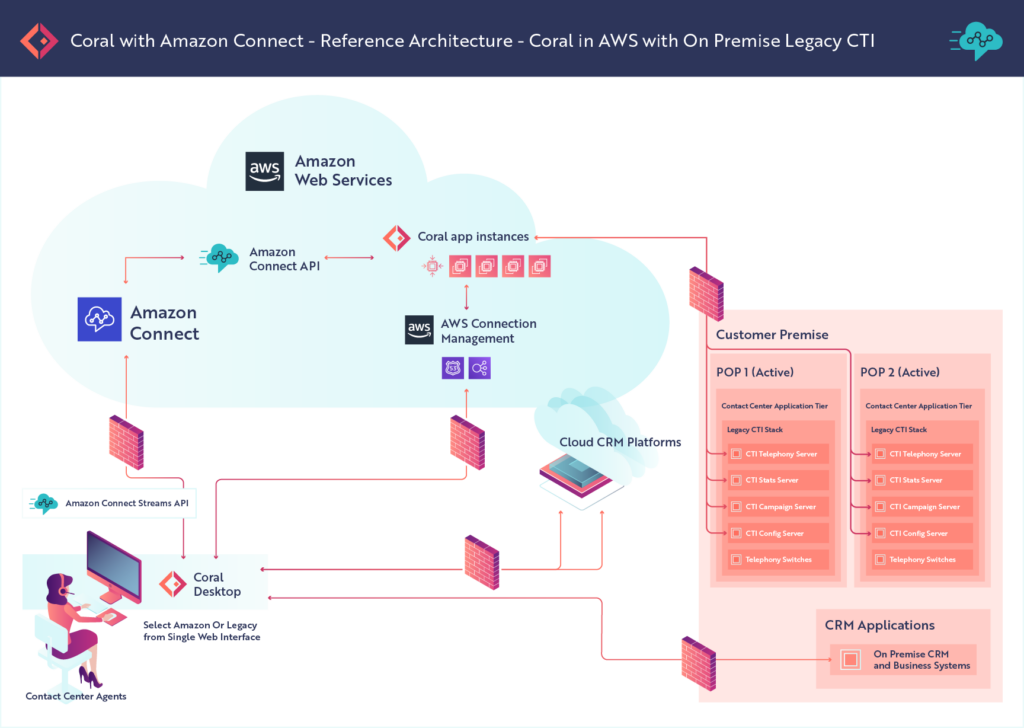
1. Coral AI's institutional-grade execution engine
Coral AI targets high-frequency institutional workflows with low-latency execution capabilities that rival traditional HFT systems. Its architecture prioritizes order book depth analysis and rapid trade settlement, minimizing slippage during volatile market conditions. This focus on speed and precision makes it suitable for traders managing significant capital who require robust, enterprise-level infrastructure rather than retail-grade tools.
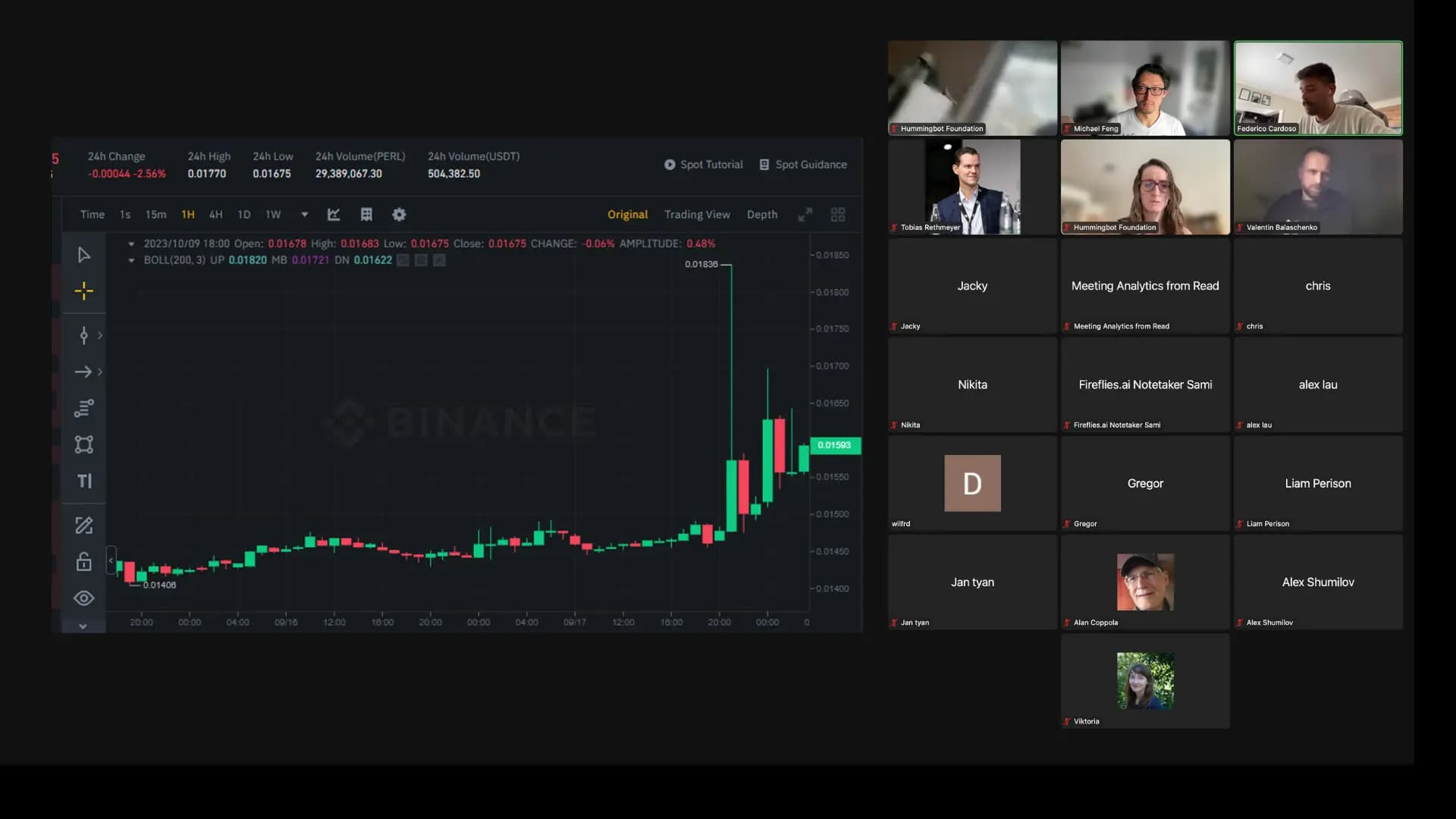
2. Hummingbot's open-source market maker framework
Hummingbot provides a transparent, open-source framework for creating custom market-making strategies directly on-chain or via centralized exchanges. Developers can deploy algorithms that profit from bid-ask spreads while providing liquidity to decentralized markets. Its modular design allows traders to backtest and customize risk parameters, offering a powerful tool for those with coding expertise seeking granular control over their trading logic.
3. 3Commas' automated strategy builder tools
3Commas simplifies complex trading operations through a visual strategy builder that connects multiple exchanges via API. Users can create sophisticated trading bots without writing code, utilizing features like DCA (Dollar Cost Averaging) and grid trading. The platform’s interface aggregates market data across venues, allowing traders to monitor and adjust automated positions efficiently from a single dashboard.
4. Pionex's built-in trading bot grid features
Pionex integrates specialized trading bots directly into its exchange platform, eliminating the need for external API connections. Its grid trading bot automatically buys low and sells high within a defined price range, ideal for sideways markets. The platform offers various built-in strategies like arbitrage and rebalancing bots, providing a streamlined experience for users who prefer an all-in-one solution for automated crypto trading.

5. Shrimpy's portfolio rebalancing automation system
Shrimpy focuses on passive portfolio management through automated rebalancing and copy trading features. Users can create diversified crypto baskets and set rules for automatic adjustments to maintain target allocations. The platform also allows users to clone the strategies of successful traders, offering a hands-off approach to managing a diversified cryptocurrency portfolio without constant manual intervention.

Pick the right fit
Choosing an autonomous trading agent requires matching the tool to your specific market niche and risk tolerance. The landscape has split between general-purpose execution engines and specialized yield optimizers. A generalist agent might offer broader market coverage, but specialized agents often deliver better risk-adjusted returns in their designated areas.
Start by defining your primary objective. Are you seeking alpha through high-frequency directional trades, or do you need steady yield from stablecoin pools? Generalist agents like those found in broad HFT comparisons may lack the depth required for DeFi liquidity management. Conversely, specialized agents like Giza’s Autonomous Revenue Management Agent excel in stablecoin yield optimization but may not be suited for volatile altcoin speculation.
Evaluate the agent’s risk controls and transparency. The best autonomous agents provide clear visibility into their decision-making logic and allow for granular risk parameters. Look for features that let you set maximum drawdown limits, pause trading during high volatility, and review trade histories in real-time. Avoid agents that operate as black boxes without clear audit trails.
Finally, consider the integration ecosystem. An agent is only as good as the exchanges and wallets it can access. Ensure the platform supports your preferred trading venues and offers secure, non-custodial connections. The right fit balances performance potential with the operational controls necessary to manage crypto market risks.
| Feature | Generalist Agents | Specialized Agents |
|---|---|---|
| Primary Use Case | Broad market coverage | Niche yield or trading |
| Risk Management | Standard parameters | Deeply integrated controls |
| Complexity | High setup required | Focused configuration |


As an Amazon Associate, we may earn from qualifying purchases.
The 2026 Crypto AI Boom: 5 Autonomous Trading Agents Outperforming Traditional HFTs FAQs
Autonomous trading agents are reshaping how traders interact with crypto markets, moving beyond simple alerts to executing real-world tasks like managing DeFi portfolios and optimizing stablecoin yields. As these agents grow more sophisticated, traders often ask which tools actually deliver results versus those that simply promise them.
Which AI agent is best for crypto trading?
The "best" agent depends entirely on your strategy. For yield optimization, agents like Giza’s Autonomous Revenue Management tool are popular for managing stablecoins. For active trading across major exchanges, platforms like Cryptohopper and 3Commas offer robust automated bots with AI-driven strategies. There is no single winner; choose based on whether you need yield generation or active trade execution.
What is the best autonomous agent?
Autonomous agents differ from traditional bots by making independent decisions. The best ones, such as those discussed in recent industry analyses, can build their own trading spaces and swap assets without human intervention. Look for agents that handle cash flow management and can execute complex DeFi strategies autonomously, rather than just following static technical indicators.
Is there a fully automated crypto trading platform?
Yes. Platforms like Cryptohopper and 3Commas provide fully automated trading environments. They allow you to set up trading bots, dollar-cost averaging (DCA) strategies, and trailing features that run 24/7 on major exchanges. These platforms remove the need for constant screen monitoring, though they still require initial configuration and risk management settings.
Are auto trading bots any good?
Auto trading bots can be effective for removing emotional bias and executing strategies faster than humans. However, they are not a guaranteed path to profit. Success depends on the quality of the underlying strategy and market conditions. While they can enhance trading efficiency, they require careful monitoring and understanding of the risks involved, especially in volatile crypto markets.
No comments yet. Be the first to share your thoughts!