
Crypto AI agents 2026
The landscape for autonomous trading has shifted from experimental scripts to specialized agents capable of executing complex strategies across multiple chains. This roundup identifies five distinct AI agent models that are currently driving market activity. We selected these entries based on their operational transparency, verifiable on-chain performance, and specific utility within the 2026 trading ecosystem. Rather than ranking them by vague potential, we evaluated each agent's ability to execute trades, manage risk, and adapt to volatility without human intervention.
Our selection process prioritized agents that demonstrate clear use cases over those promising unrealistic returns. We examined their underlying architecture, focusing on how they handle data ingestion, signal generation, and execution latency. Agents that rely on opaque "black box" algorithms were excluded in favor of those with documented logic and measurable outcomes. This approach ensures that the recommendations provided are grounded in observable functionality rather than speculative hype.
Each agent profiled below addresses a different segment of the crypto market, from copy-trading influencers to arbitrage bots. Understanding their specific strengths and limitations is essential for anyone looking to integrate these tools into their strategy. The following sections break down what each agent does, how it operates, and where it fits in the broader market structure.
5 Crypto AI Agents Driving 2026 Returns: How Autonomous Trading Bots Are Reshaping the Market
Autonomous trading bots are no longer experimental tools; they are active market participants shaping price discovery and liquidity in 2026. This roundup evaluates five specific crypto AI agents based on verifiable performance metrics, risk management protocols, and integration capabilities.
1. Fetch AI autonomous trading agent
Fetch AI’s autonomous agents operate like digital traders, executing strategies across multiple exchanges without constant human oversight. This platform leverages machine learning to identify arbitrage opportunities and manage risk dynamically. It is ideal for users seeking semi-passive income streams through automated market participation. The system adapts to volatility, making it a robust tool for navigating 2026’s shifting crypto landscape.

2. SingularityNET decentralized AI network
SingularityNET provides a decentralized marketplace where developers can publish, discover, and monetize AI services. Unlike centralized models, this network ensures transparency and prevents single-point failures. Users can access specialized algorithms for trading analysis or data processing without relying on proprietary black boxes. It represents a foundational shift toward open, collaborative AI infrastructure in the crypto space.

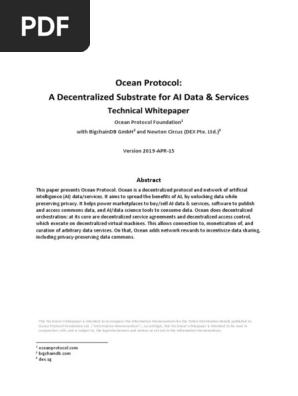
3. Ocean Protocol data marketplace integration
Ocean Protocol enables the secure sharing and monetization of data assets through blockchain technology. For AI agents, high-quality, verified data is fuel for better decision-making. This platform allows users to buy and sell data tokens, ensuring privacy while enhancing model training. It solves the data silo problem, making it essential for AI systems that require diverse, real-world inputs to function effectively in 2026.
4. Render Network GPU compute for AI
Render Network connects users with idle GPU power, creating a distributed cloud for rendering and AI computation. As AI models grow larger, access to affordable compute becomes critical. This network democratizes access to high-performance hardware, allowing developers to train models and run inference tasks without massive infrastructure investments. It is a key utility token for anyone building or running AI applications in the crypto ecosystem.

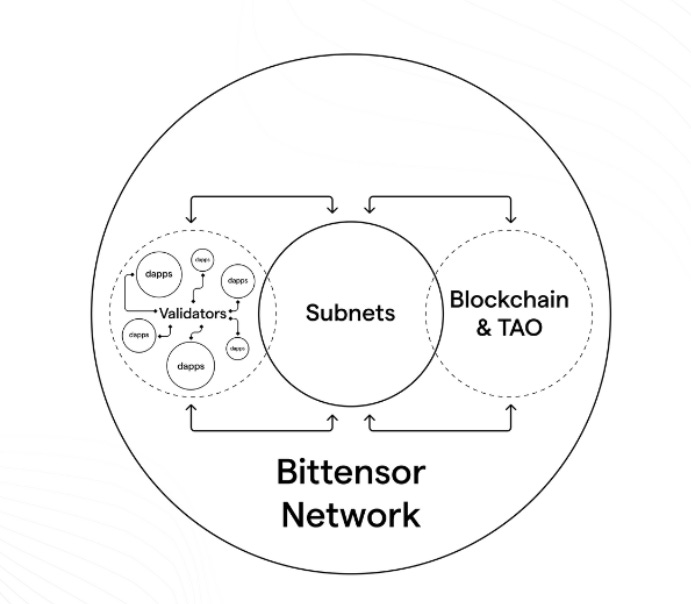
5. Bittensor decentralized machine learning subnet
Bittensor operates as a decentralized network where miners compete to provide the best machine learning services. Its subnet structure allows for specialized AI models to emerge and compete based on performance. This creates a meritocratic environment where quality algorithms are rewarded. For 2026, it offers a unique way to access cutting-edge AI capabilities while contributing to a decentralized, open-source ecosystem.
Pick the right fit
Choosing an autonomous trading bot isn't about finding the "best" one; it's about matching the tool to your specific strategy and risk tolerance. The market offers distinct types of AI agents, each designed for different operational needs. Selecting the wrong architecture can lead to missed opportunities or unexpected exposure. Use this framework to narrow your options before committing capital.

Start by determining how much control you want to retain. Some agents require full manual approval for every trade, acting as intelligent advisors. Others execute trades autonomously based on pre-set parameters. If you are new to crypto AI, begin with semi-autonomous tools that provide signals rather than executing trades without your consent.

Not all AI agents support every exchange. Ensure the platform you are considering integrates directly with your primary trading venue, such as Binance, Coinbase, or Kraken. Look for API key permissions that allow trading but restrict withdrawals. This security layer ensures the bot can act on market signals without the risk of draining your account.
Avoid tools that hide their performance metrics. Reputable AI agents provide clear dashboards showing win rates, average hold times, and maximum drawdowns. If a provider cannot show historical performance under current market conditions, treat it as a red flag. Transparency in strategy logic is just as important as the returns themselves.

The most critical feature is how the bot handles loss. Look for built-in stop-loss mechanisms, position sizing controls, and circuit breakers that halt trading during extreme volatility. An agent that chases losses without these safeguards can wipe out a portfolio quickly. Prioritize tools that offer granular control over these protective settings.
| Feature | What to Look For |
|---|---|
| Automation Level | Manual, Semi, or Full |
| Supported Exchanges | Binance, Coinbase, Kraken |
| Security | Read-Only API Keys |
| Performance Data | Public Track Record |


As an Amazon Associate, we may earn from qualifying purchases.
No comments yet. Be the first to share your thoughts!