
Tokenized GPU infrastructure is rapidly redefining the landscape of Decentralized Physical Infrastructure Networks (DePIN), especially within AI compute. By transforming idle or underutilized GPU resources into onchain, tradable assets, this model unlocks new avenues for both decentralized AI compute investment and technical innovation. At its core, tokenization enables individuals and organizations to contribute GPU power to a distributed network, earning tokens that represent both usage rights and yield potential. This approach is not just a technological shift; it is a fundamental reimagining of how compute liquidity, financialization, and access are structured in the era of AI.
GAIB and Aethir: Pioneering Onchain GPU Investment
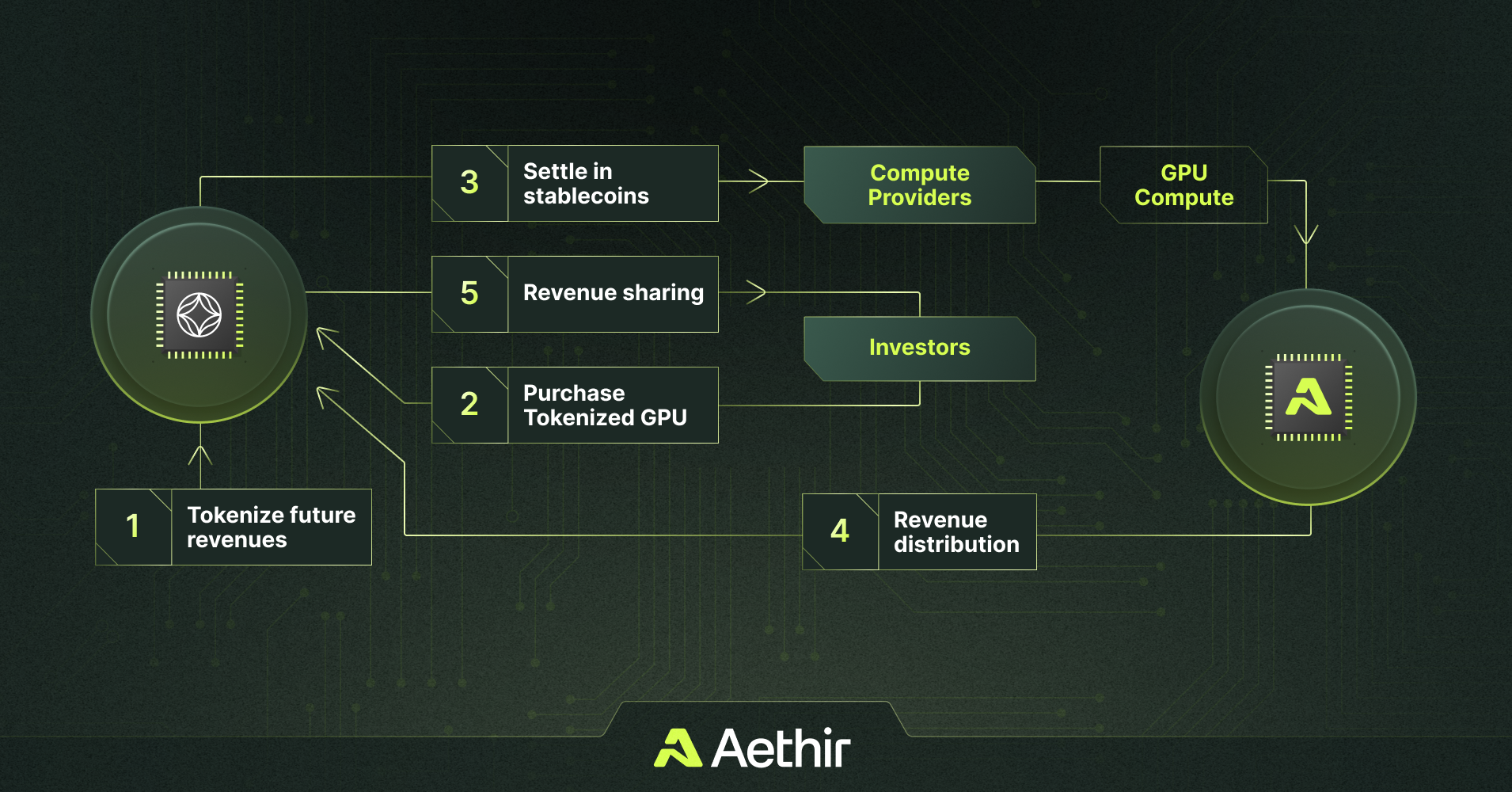
Two names dominate the current market narrative for tokenized GPU infrastructure: GAIB and Aethir. Their recent $30 million USD partnership with Siam. AI marks a significant institutional endorsement for this emerging asset class. By leveraging GAIB’s economic layer for AI compute and Aethir’s decentralized architecture, the collaboration enables rapid acquisition and deployment of GPUs through decentralized markets. Investors can now fund hardware purchases in exchange for exposure to future GPU-generated revenue streams and platform rewards.
This model is being piloted on the BNB Chain, where tokenized GPUs are staked and traded as yield-bearing assets. For details on this pilot program and its implications for DePIN participants, see Aethir’s official announcement. The result is a new class of crypto-powered GPU liquidity that bridges traditional hardware investment with blockchain-native financial mechanisms.
The Mechanics: How Tokenization Drives Efficiency and Access
The integration of tokenized GPU infrastructure into DePIN AI compute networks brings tangible advantages:
Key Benefits of Tokenized GPU Infrastructure in DePIN AI Compute Networks
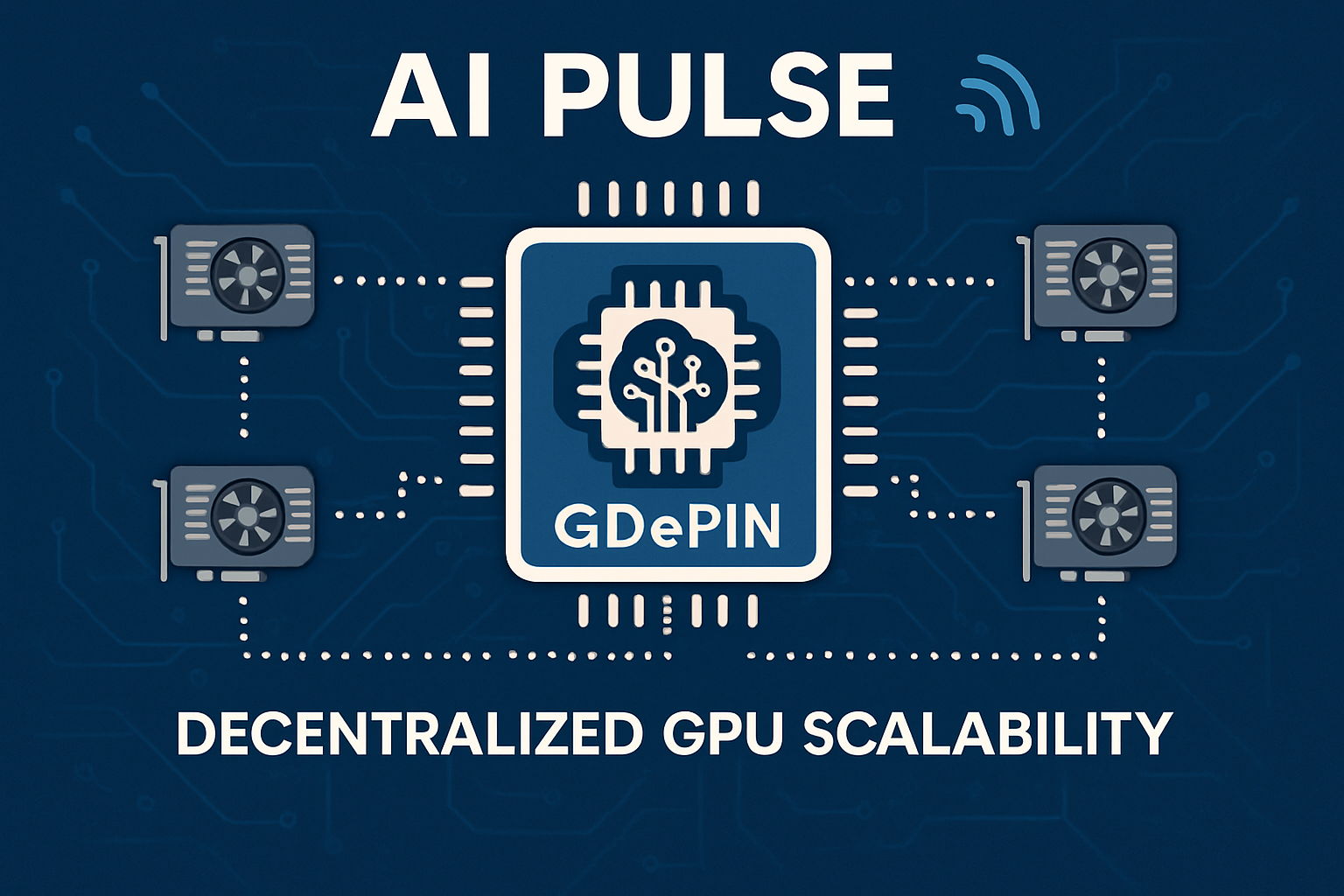
- Scalability: Decentralized models such as AI Pulse's GDePIN allow rapid scaling of compute power by tapping into a global network of contributors, supporting the growing demands of AI applications without centralized bottlenecks.
- Democratized Access: Tokenization opens up AI compute participation to individuals and smaller organizations, as seen in GAIB and Aethir's GPU tokenization pilot, fostering innovation and inclusivity across the AI ecosystem.
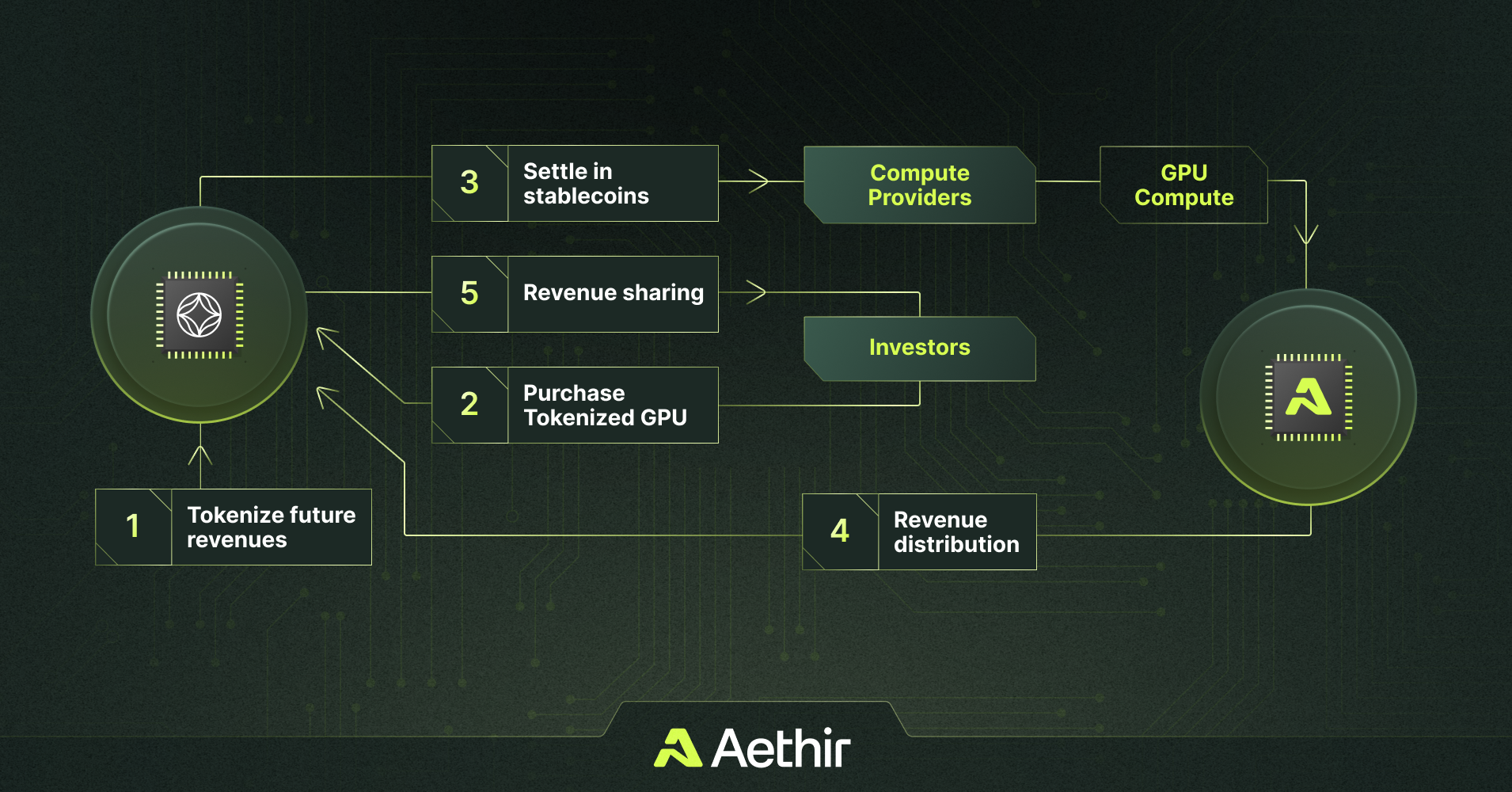
- On-Chain Financialization: Platforms like GAIB's RWAiFi enable the creation of new asset classes by linking tokenized GPUs to future revenue streams, providing investors with exposure to AI infrastructure yields.
- Enhanced Transparency and Security: By leveraging blockchain technology, tokenized GPU networks offer transparent tracking of resource allocation and usage, ensuring secure and verifiable transactions for all participants.
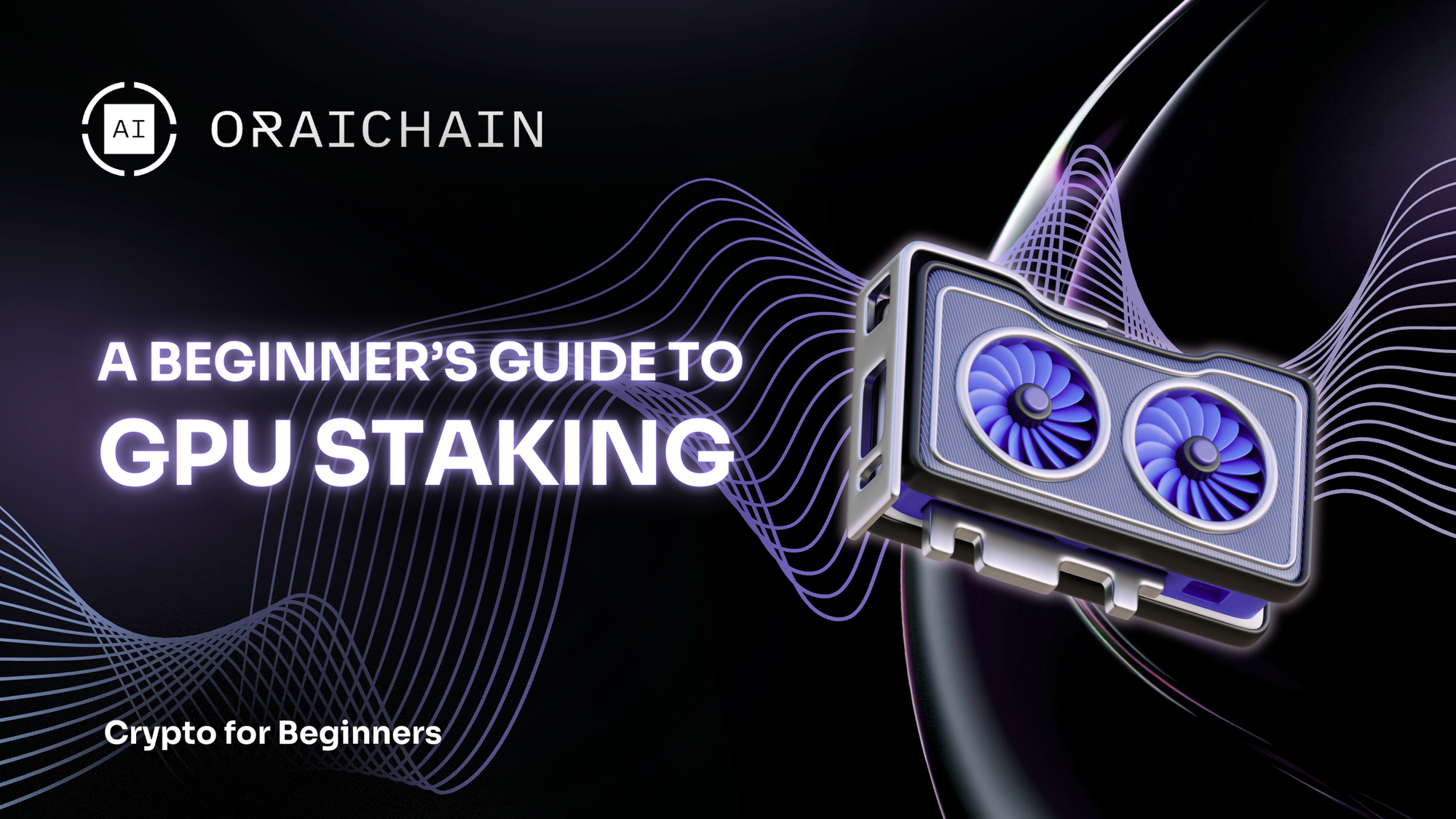
Cost efficiency is achieved by tapping into underused GPUs worldwide, providing a competitive edge over centralized cloud providers. Scalability becomes inherent to the network as new contributors can join seamlessly by staking their hardware or purchasing tokens representing fractional ownership in existing resources. Most importantly, democratization of access empowers small businesses, researchers, and independent developers to participate in high-performance AI workloads without prohibitive upfront costs.
Financialization and Yield: The New Frontier in DeFi for AI Compute
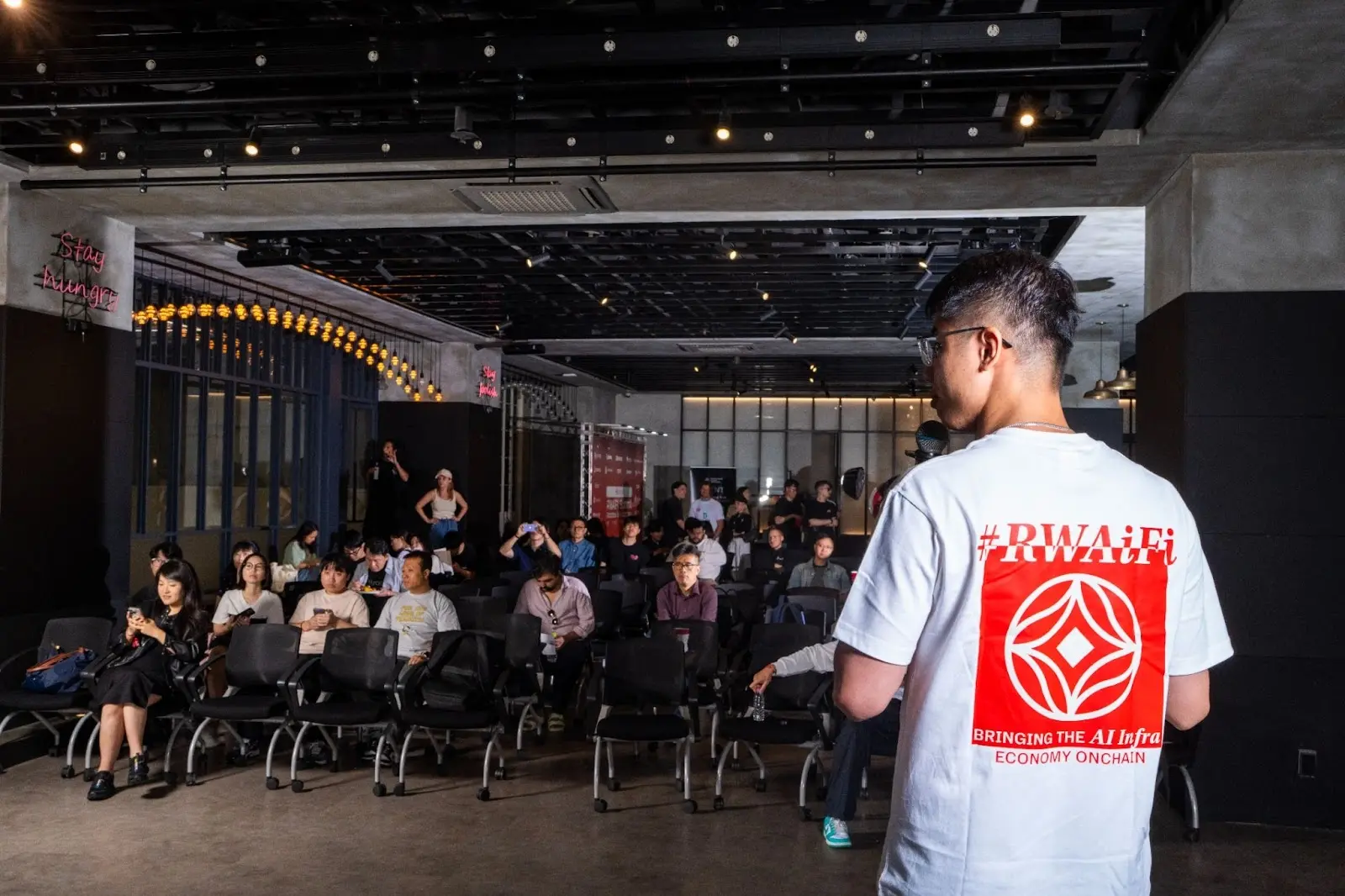
The concept of onchain financialization - exemplified by GAIB’s RWAiFi (RWA and AI and DeFi) framework - introduces a powerful flywheel effect for capital formation and utility. By collateralizing real-world assets like GPUs onchain, platforms unlock new DeFi primitives such as staking, lending, and synthetic asset creation tied directly to AI infrastructure cash flows.
This evolution is not theoretical; it’s actively reshaping investment strategies across Asia-Pacific markets. GAIB’s $10 million strategic backing from Amber Group signals growing institutional confidence in tokenized AI compute as a legitimate yield-generating opportunity (DepinScan coverage). As more investors seek exposure to real-world assets with crypto-native liquidity characteristics, expect further acceleration in both adoption and sophistication within this sector.
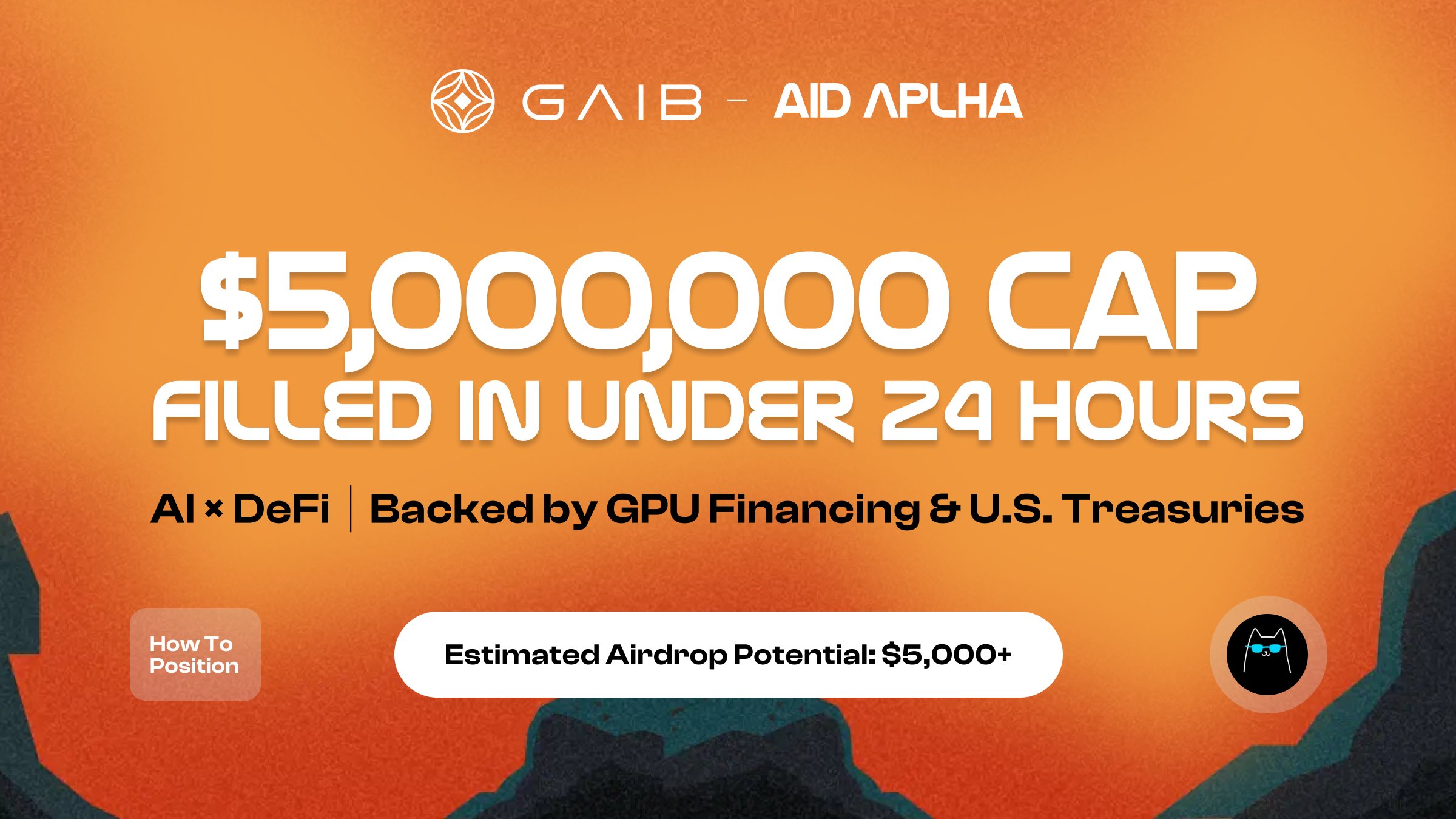
GAIB’s approach to tokenized GPU infrastructure is particularly notable for its introduction of the AID synthetic dollar, a stablecoin backed by GPU cash flows. This mechanism not only facilitates capital access for infrastructure expansion but also provides a transparent, auditable link between real-world compute activity and onchain financial products. In practice, this means investors can stake AID tokens and receive yields derived from the actual utilization of AI hardware, creating a direct feedback loop between capital markets and the physical compute layer. For a technical breakdown of the staking process and its implications for decentralized AI compute investment, refer to the detailed AID Token Staking Guide.
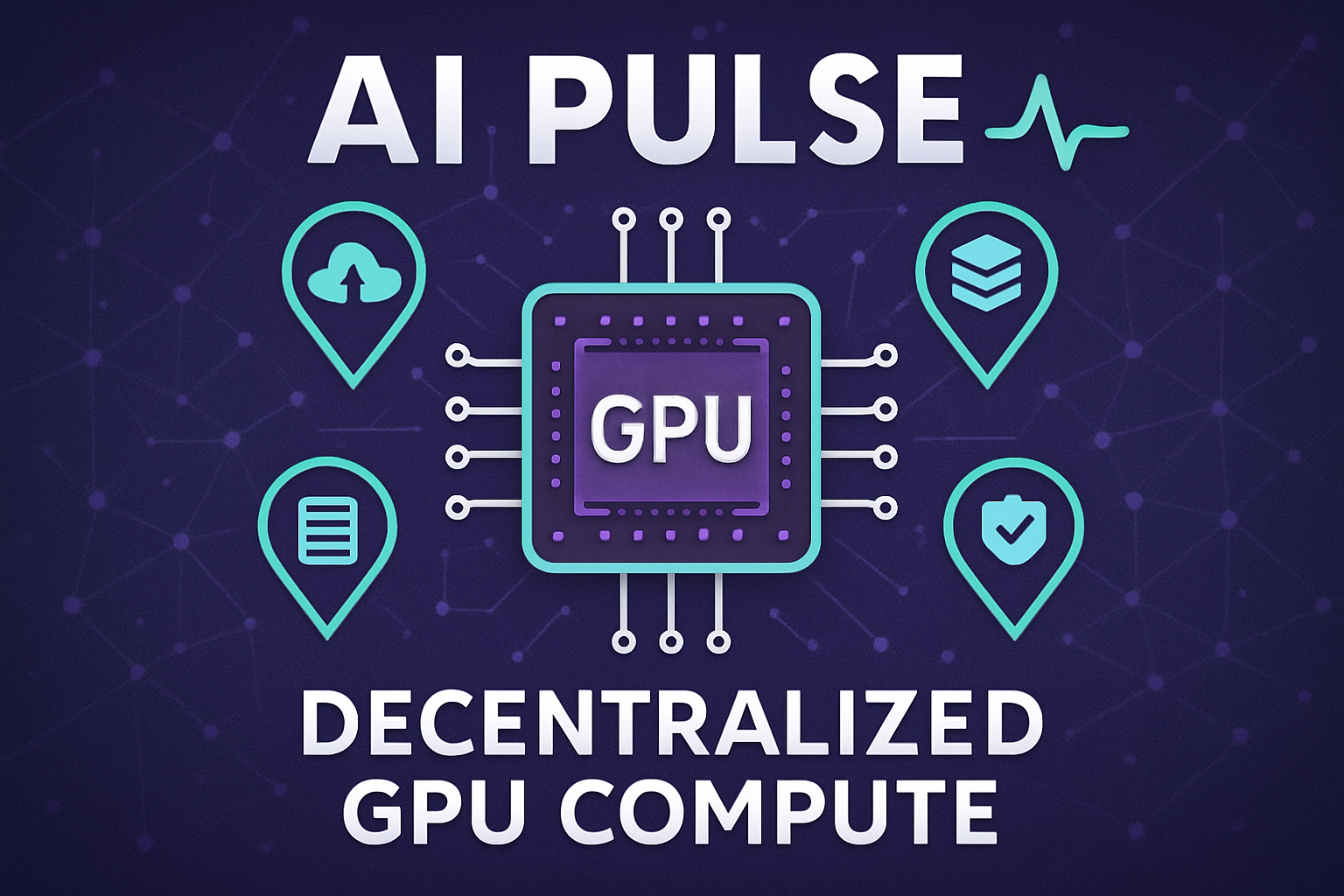
Meanwhile, projects like AI Pulse are pushing the boundaries with decentralized GPU compute models such as GDePIN. By allowing users to monetize idle computing power through a distributed network, these initiatives address persistent global shortages in high-performance hardware. The result is a more elastic supply of compute resources that can be dynamically allocated to demanding AI workloads in real time.
As these ecosystems mature, a secondary market for tokenized GPUs is emerging. Investors can now trade exposure to hardware performance, future revenue streams, and even platform-specific rewards. This creates a new layer of liquidity for what was previously an illiquid asset class, further enhancing the attractiveness of crypto-powered GPU liquidity within DePIN AI compute networks.
Challenges Ahead: Risks and Considerations
Despite rapid progress, several challenges remain at the intersection of tokenized GPU infrastructure and DePIN AI compute:
- Regulatory clarity around real-world asset (RWA) tokenization and cross-border capital flows is still evolving.
- Hardware verification and uptime guarantees require robust onchain monitoring to prevent fraud or underperformance.
- Market volatility in token prices can impact both investor returns and the operational stability of compute networks.
Innovators are actively addressing these risks through improved governance frameworks, insurance protocols, and transparent reporting mechanisms. As best practices emerge, expect increased institutional participation and greater confidence in the underlying value proposition.
What’s Next: The Roadmap for DePIN AI Compute Networks
The momentum behind tokenized GPU infrastructure shows no sign of slowing. With landmark deals like GAIB’s $30 million partnership with Siam. AI and Aethir’s strategic reserve for pharmaceutical research, the sector is moving from proof-of-concept to operational scale. As more platforms adopt onchain GPU investment models and integrate DeFi for AI compute, users can anticipate:
Key Trends Shaping Tokenized GPU Infrastructure in DePIN
- Aethir's Strategic Compute Reserve with Predictive Oncology: Aethir has partnered with Predictive Oncology to establish a $344.4 million compute reserve. This initiative leverages the ATH network token to address GPU shortages and bolster AI model training, particularly in pharmaceutical research.
- GAIB and Aethir's GPU Tokenization Pilot on BNB Chain: GAIB and Aethir launched a pilot program that allows investors to purchase tokenized GPUs on the BNB Chain, backed by future GPU revenue and platform rewards. This creates a new asset class at the intersection of blockchain and AI infrastructure.
- AI Pulse's GDePIN Decentralized GPU Compute Model: AI Pulse introduced GDePIN, enabling users to monetize idle GPU power through a distributed network. This model supports global AI workloads and democratizes access to high-performance compute resources.
- On-Chain Financialization of AI Infrastructure via RWAiFi: GAIB’s RWAiFi framework integrates Real World Assets (RWA), AI, and DeFi, facilitating the on-chain financialization of GPU infrastructure and powering new yield opportunities for participants.
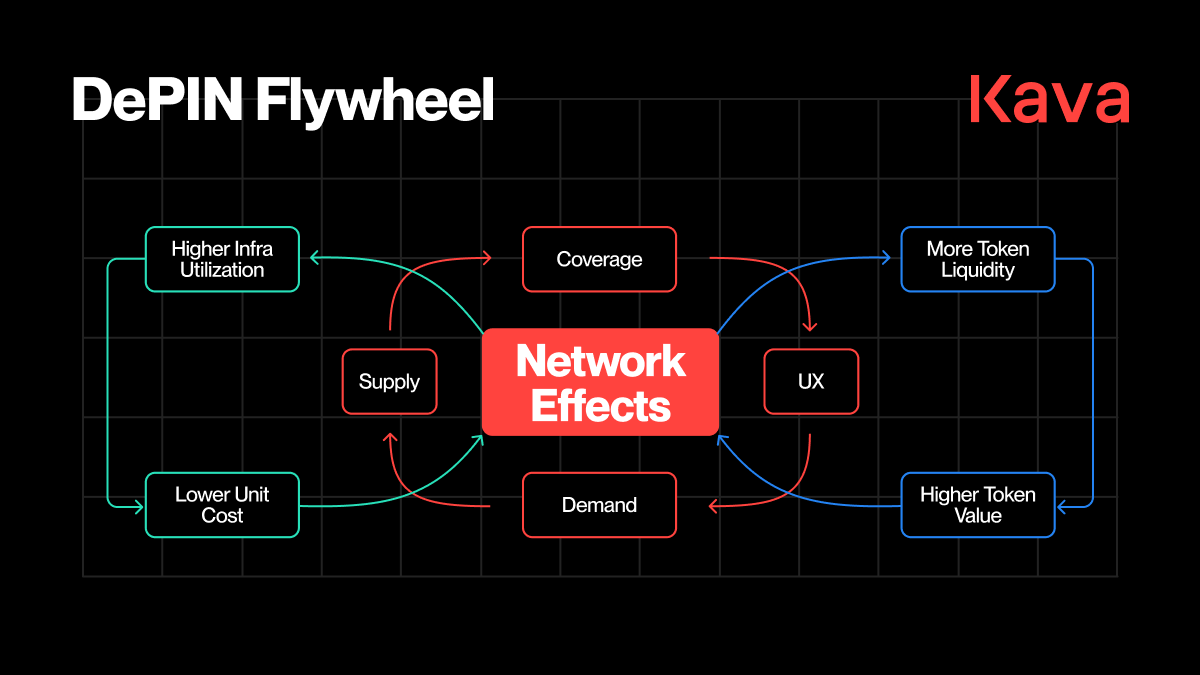
- Democratization and Cost Efficiency in DePIN Networks: Tokenized GPU infrastructure allows individuals and organizations to contribute idle GPU resources, earning tokens in return. This approach reduces costs, increases scalability, and fosters broader participation in AI compute networks.
The convergence of hardware tokenization, DeFi primitives, and decentralized governance is laying the groundwork for a resilient, inclusive AI compute ecosystem. For developers, enterprises, and investors alike, the opportunity lies in understanding these evolving dynamics and positioning early within this new frontier.




No comments yet. Be the first to share your thoughts!