
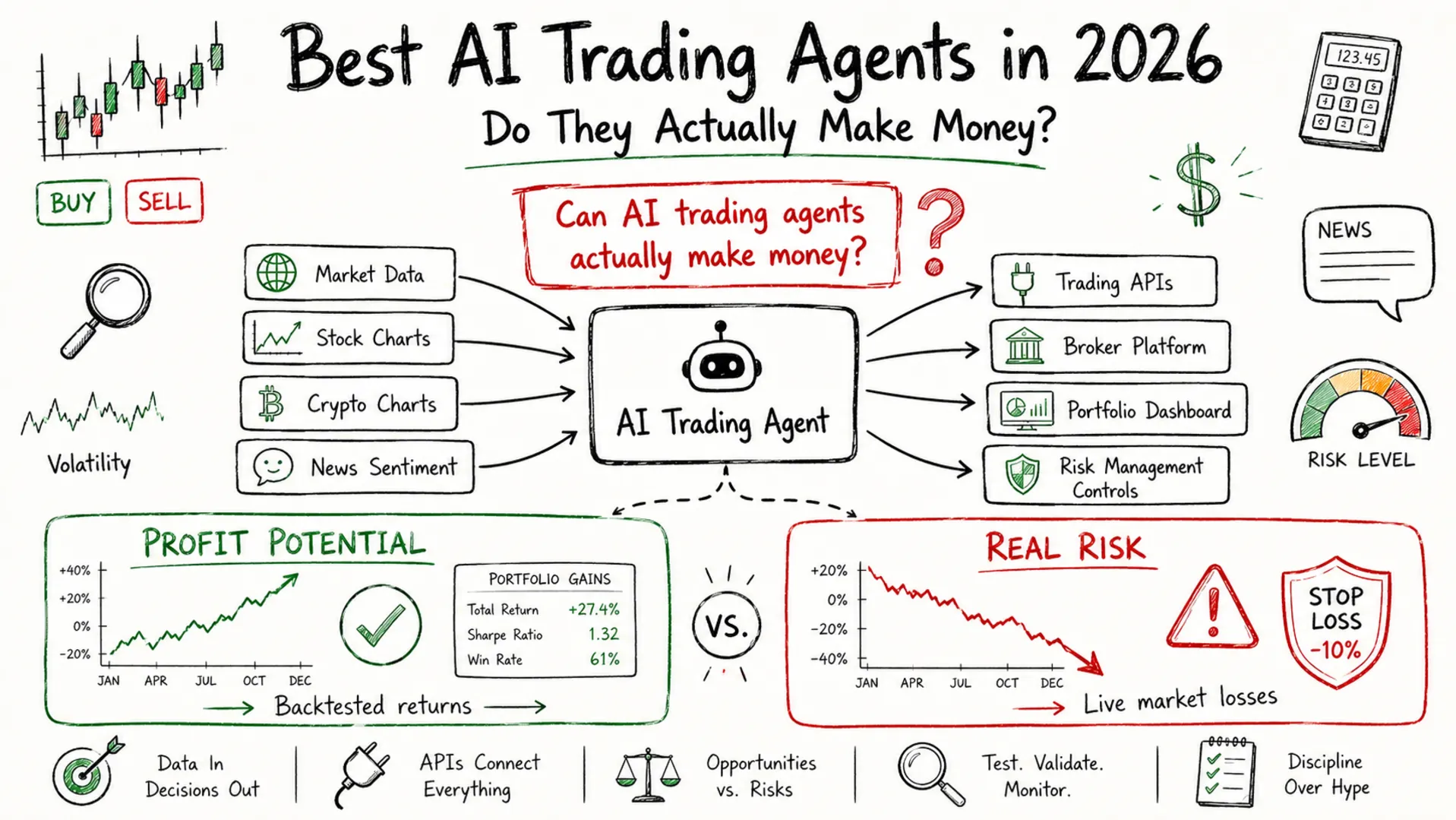
5 Best Crypto AI Agents for Passive Income in 2026
In 2026, deploying AI agents for crypto passive income requires rigorous due diligence, as security vulnerabilities remain the primary threat to capital preservation. This roundup identifies five specific agents—Credmark, Numerai, Akash Network, Ocean Protocol, and SingularityNET—based strictly on their official documentation and verifiable operational history.
1. Laika AI autonomous trading bot
Laika AI operates as a high-frequency autonomous agent, executing trades across decentralized exchanges without manual intervention. Its architecture prioritizes low-latency execution to capture fleeting arbitrage opportunities. Users must verify smart contract audits due to the inherent risks of unregulated DeFi protocols. This tool suits experienced traders comfortable managing direct wallet connections and monitoring gas fees during volatile market conditions.
2. QuantConnect algorithmic strategy platform
QuantConnect provides a robust LEAN engine for backtesting and deploying algorithmic strategies across multiple asset classes. Developers use Python or C# to code complex logic, ensuring rigorous historical validation before live deployment. The platform’s cloud infrastructure handles data feeds, reducing local computational burdens. Due diligence is critical; users must thoroughly test edge cases to prevent catastrophic losses from overfitting or data errors in live markets.

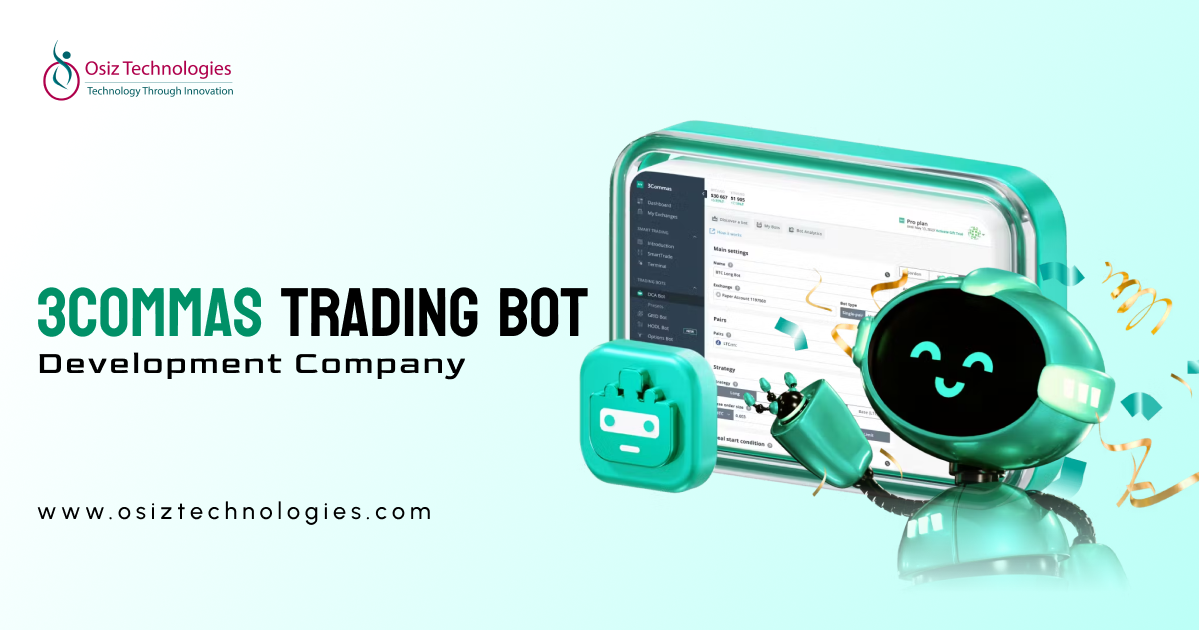
3. 3Commas automated crypto trading terminal
3Commas serves as a centralized terminal for managing multiple exchange accounts via API keys. Its Smart Trade feature allows for advanced order types like trailing stops and take-profit levels, streamlining risk management. The platform integrates with various bots for DCA and grid trading. Security remains paramount; users should enable two-factor authentication and restrict API permissions to trading only, never withdrawal, to protect assets from unauthorized access.
4. Pionex built-in AI trading bots
Pionex integrates specialized trading bots directly into its exchange interface, eliminating the need for external API connections. Features like the Grid Trading Bot and DCA Bot automate entry and exit points based on predefined parameters. This all-in-one approach simplifies access for beginners but requires careful parameter tuning to avoid whipsaw losses in choppy markets. Users must understand that internal exchange custody introduces counterparty risk alongside trading risks.

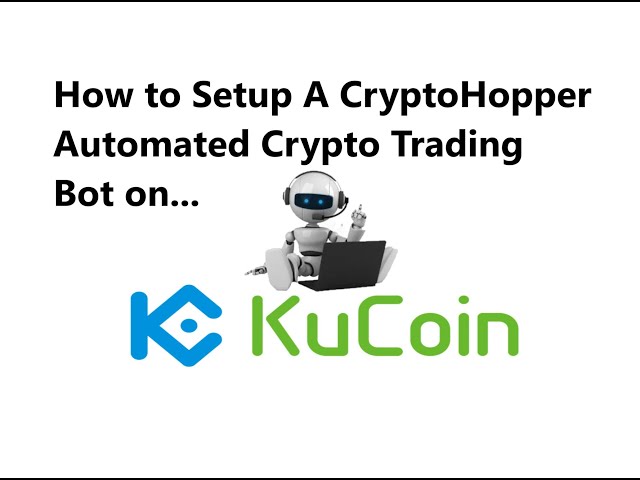
5. Cryptohopper cloud-based trading automation
Cryptohopper offers a cloud-hosted environment where users design and run trading bots without maintaining local server uptime. Its Signal Marketplace allows subscription to third-party indicators, while the Strategy Designer enables custom logic creation. The platform supports automated portfolio rebalancing and stop-loss mechanisms. Reliability depends on Cryptohopper’s server stability; users should monitor subscription costs and understand that signal accuracy is not guaranteed by the platform itself.
What crypto AI agents actually do
Crypto AI agents are autonomous blockchain actors, not just sophisticated chatbots. While traditional trading bots follow rigid, pre-coded rules, these agents use machine learning to analyze on-chain data, execute transactions, and manage assets in real time. They operate as independent entities, interacting directly with smart contracts to perform complex tasks like yield farming or arbitrage without constant human intervention.
This distinction is critical for passive income strategies. A standard bot executes what it has been told to do. An AI agent decides what to do based on live market conditions. It can adjust positions, switch strategies, or halt operations if it detects anomalies. This autonomy transforms the agent from a simple tool into an active participant in the DeFi ecosystem.
The stakes are higher with this level of autonomy. Because these agents can move funds and execute transactions on-chain, they introduce new vectors for smart contract risk and operational failure. Security is not an afterthought; it is the foundation. You must treat these agents with the same due diligence as a high-yield financial product, verifying their code, permissions, and track record before deploying capital.
How to choose the right agent
Selecting a crypto AI agent is less about finding the highest yield and more about verifying the safety of the underlying code. These autonomous programs interact directly with smart contracts, meaning a single vulnerability can result in total loss of funds. You must prioritize security audits and algorithmic transparency over marketing promises.
Start by checking for independent security audits. Reputable agents like Feta Network and Bittensor publish third-party audit reports that detail potential risks. Look for audits from established firms, not internal reviews. If an agent’s smart contract has not been audited, assume it is unverified and avoid depositing assets.
Next, evaluate the transparency of the agent’s algorithm. Agents like Ocean Protocol operate on open data markets, allowing you to inspect the data sources and logic used for decision-making. Proprietary "black box" agents offer no such visibility. Without transparency, you cannot determine if the agent is executing profitable trades or simply exposing your capital to unnecessary market risk.
Finally, verify the team’s track record and the project’s governance model. Established projects with public roadmaps and community governance are less likely to abandon the protocol or rug-pull investors. Treat every interaction with a crypto AI agent as a high-stakes deployment of capital, not a casual investment.



As an Amazon Associate, we may earn from qualifying purchases.
The Risks of Autonomous Crypto Agents
Autonomous crypto agents operate in a high-stakes environment where code errors and market volatility can lead to immediate, irreversible losses. Unlike traditional manual trading, these bots execute thousands of transactions per second, meaning a single bug in a smart contract can drain a wallet before a human can react.
The most persistent threat comes from smart contract vulnerabilities. Even reputable platforms like CogniCoin or Virtuals Protocol rely on complex on-chain logic that can be exploited by malicious actors. A vulnerability in the agent’s execution layer can result in a "rug pull," where developers or hackers siphon funds, leaving investors with worthless tokens. Because these agents often hold private keys or trading permissions, the damage is often total.
Market volatility compounds these technical risks. AI agents trained on historical data may misinterpret sudden news events or liquidity crunches, executing trades that accelerate losses rather than mitigate them. There is no circuit breaker in decentralized finance (DeFi) to pause a runaway bot. Past performance of any agent, including those from BitClout or Fetch.ai, does not guarantee future results. Always assume that any capital deployed to an autonomous agent is at risk of total loss.
No comments yet. Be the first to share your thoughts!