
Why 2026 defines the agent economy
The crypto landscape is shifting from passive tools to autonomous agents. In 2026, AI systems no longer just suggest trades; they execute them. This transition marks the birth of the "AgentFi" ecosystem, where software handles yield optimization, security audits, and portfolio rebalancing without constant human intervention.
This shift brings a new trust layer: "Know Your Agent" (KYA). As a16z notes, the industry is moving beyond KYC (Know Your Customer) to verify the identity and behavior of the AI agents themselves. This is critical because autonomous bots operating on chains like TAO or using Render (RNDR) nodes require rigorous due diligence. You are no longer just trusting a protocol; you are trusting code that acts on your behalf.
Leading projects like Fetch.ai (FET) and Bittensor (TAO) are building the infrastructure for these agents. However, autonomy introduces risk. A bug in an agent's decision-making logic can drain a wallet in seconds. This is why managing your agent's keys and permissions is as important as the agent's strategy itself.


As an Amazon Associate, we may earn from qualifying purchases.
The market is already pricing in this shift. Autonomous agents are reshaping DeFi by providing 24/7 liquidity management. But this power requires discipline. Treat your AI agent like a junior trader with unlimited authority: set strict limits, monitor performance, and never delegate total control without a kill switch.
5 Crypto AI Agents for 2026: Autonomous Bots Reshaping DeFi
Navigating the 2026 DeFi landscape requires rigorous due diligence, as autonomous agents like TAO, RNDR, and FET introduce complex operational risks alongside their transformative potential. This roundup identifies five critical AI agents reshaping decentralized finance, prioritizing verified performance data from official sources to mitigate exposure to unproven algorithms.
1. fetch.ai autonomous trading bots
Fetch.ai’s autonomous agents operate like tireless digital traders, executing complex DeFi strategies without human intervention. These bots monitor liquidity pools and execute trades based on predefined risk parameters. While the potential for profit is high, the lack of real-time human oversight introduces significant execution risk. Users must rigorously backtest strategies and monitor agent performance to prevent catastrophic losses during volatile market shifts.
2. singularitynet decentralized ai marketplace
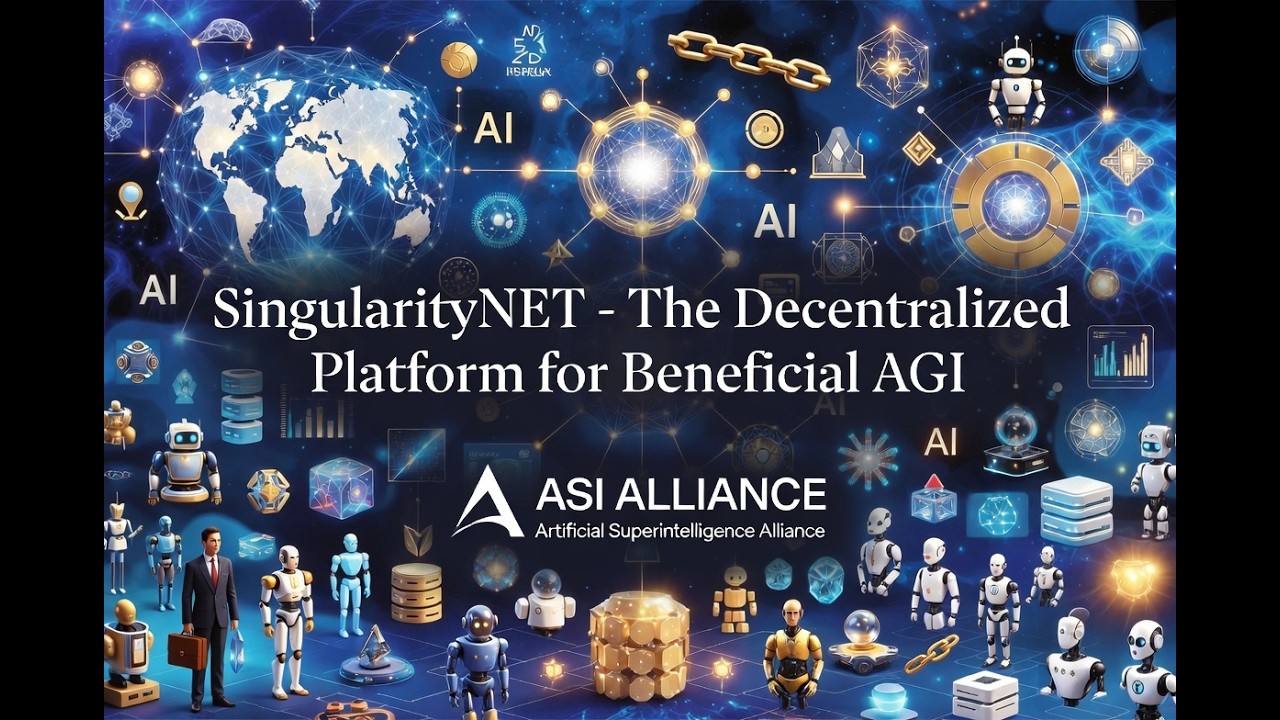
SingularityNET provides a decentralized marketplace where developers can publish and monetize AI services. This platform allows crypto AI agents to access specialized machine learning models for tasks like sentiment analysis or predictive modeling. By removing central intermediaries, it reduces costs but increases the complexity of verifying model integrity. Traders should audit the source code and reputation of AI service providers before integrating them into autonomous trading workflows to ensure reliability.
- Decentralized AI services
- Developer tools
3. render network gpu computing for agents
The Render Network harnesses idle GPU power from a global network to process intensive AI computations. For crypto AI agents, this means faster data processing and model training without the capital expenditure of dedicated hardware. However, relying on distributed computing introduces latency and potential security vulnerabilities in data transmission. Users must ensure that their AI agents’ data privacy protocols are robust when utilizing third-party GPU resources for sensitive financial calculations.
4. bittensor decentralized machine learning network
Bittensor operates as a decentralized machine learning network where miners compete to provide valuable AI services. This competitive environment drives innovation but creates a complex ecosystem where agent performance depends on network consensus. Crypto AI agents leveraging Bittensor must navigate varying quality standards among miners. Due diligence is critical to identify reliable data sources and avoid integrating with low-quality or malicious AI models that could compromise trading algorithms or data integrity.
5. ocean protocol ai data marketplaces
Ocean Protocol facilitates the secure exchange of AI training data through tokenized data marketplaces. Crypto AI agents can access high-quality, verified datasets to improve their predictive accuracy without compromising data ownership. This model empowers data providers while giving agents diverse information sources. However, the quality and relevance of data vary significantly across marketplaces. Investors must carefully evaluate data provenance and licensing terms to ensure their AI agents are trained on accurate, legally compliant, and relevant financial data.
How autonomous bots execute trades
Autonomous crypto agents function as independent traders, combining machine learning with blockchain wallet access to execute complex strategies without human intervention. Unlike static trading bots that follow rigid code, these systems—powered by models like Bittensor (TAO) and Render (RNDR)—continuously ingest market data, news sentiment, and on-chain activity to make real-time decisions.
The execution process begins with data aggregation. Agents monitor liquidity pools and price movements across decentralized exchanges (DEXs). When a pattern matching their training criteria emerges, the agent initiates a trade. This involves signing transactions directly from the connected wallet, bypassing centralized exchanges. This direct interaction allows for speed and lower fees but introduces significant security risks, as the bot holds private keys.
Risk management is embedded in the agent's core logic. Systems like those built on OpenClaw frameworks can copy-trade influencer wallets or set dynamic stop-losses based on volatility indicators. However, the lack of human oversight means errors compound instantly. A flawed heuristic can drain a portfolio in seconds. Traders must treat these agents as high-leverage tools requiring rigorous due diligence and constant monitoring, not as passive income generators.


As an Amazon Associate, we may earn from qualifying purchases.
The reliance on ML models means these agents are only as good as their training data. In volatile markets, historical patterns often fail. Understanding the underlying mechanism—how the agent perceives and acts on the market—is essential before allocating capital to any autonomous system.
Risks of autonomous DeFi strategies
Autonomous agents like Bittensor (TAO) and Render (RNDR) operate at the intersection of artificial intelligence and decentralized finance, creating a unique vulnerability surface. While these bots can execute trades faster than any human, they are not immune to the fundamental risks of the crypto ecosystem. Smart contract vulnerabilities remain the most immediate threat; a single bug in the agent’s execution logic can be exploited by attackers to drain liquidity pools or lock funds permanently.
Beyond code exploits, model hallucination poses a silent danger. AI agents trained on historical market data may fail to recognize novel market manipulations or black swan events, leading to catastrophic trading decisions that compound in milliseconds. The speed of execution amplifies these errors, turning a simple model glitch into a significant financial loss before a human operator can intervene.
To mitigate these risks, securing the infrastructure that manages these agents is paramount. Hardware wallets provide an essential layer of cold storage for the keys controlling agent operations, ensuring that even if a software layer is compromised, the core assets remain offline and safe.


As an Amazon Associate, we may earn from qualifying purchases.
Frequently asked questions about AI agents
What is the best AI agent in 2026? There is no single "best" agent, as the right choice depends on your risk tolerance and technical setup. Bittensor (TAO) leads in decentralized compute power, while Render (RNDR) dominates GPU rendering tasks. For autonomous DeFi execution, specialized agents like Fetch.ai (FET) offer more targeted utility. You must evaluate each protocol's governance and security audits before allocating capital.
Which AI crypto will boom in 2026? Market attention is currently focused on Bittensor (TAO), NEAR Protocol (NEAR), and Render (RNDR). These projects have demonstrated real-world adoption and liquidity. However, "booms" in this sector are often driven by speculative hype rather than fundamental value. Do your own due diligence on tokenomics and vesting schedules to avoid holding the bag when the market corrects.
Will 2026 be the year of AI agents? 2026 is widely considered a pivotal year because the industry is shifting from experimental prototypes to autonomous systems that execute trades and manage security. This transition introduces new risks, including smart contract vulnerabilities and algorithmic bias. While the potential for efficiency is high, the financial stakes are equally significant.
What crypto will AI agents use? Agents typically operate on high-throughput, low-fee chains like Ethereum (for DeFi integration), Solana (for speed), or dedicated AI-blockchains like Bittensor (TAO). The choice of token depends on the agent's specific function: TAO for compute marketplace access, FET for autonomous service coordination, or RNDR for GPU resource allocation.
Are AI agents safe to use with my crypto? Autonomous agents require access to private keys or API keys, which creates a significant security surface area. A single bug in the agent's code can lead to irreversible fund loss. Always use hardware wallets for cold storage and limit the agent's permissions to only the assets it needs to manage. Never entrust your entire portfolio to an untested algorithm.
How do I set up a secure environment for AI agents? Security starts with hardware. Use a hardware wallet like the Ledger Nano X or Trezor Model T to sign transactions offline. For software management, consider dedicated security tools like the BlueWallet for mobile oversight or Trezor Suite for desktop monitoring. Never store agent keys on a device connected to the public internet.
No comments yet. Be the first to share your thoughts!