

It’s 2025, and the world is running on AI. From real-time language models to autonomous vehicles and edge-powered robotics, the need for GPU compute has exploded. But here’s the catch: traditional cloud providers just can’t keep up. Centralized infrastructure is buckling under demand, prices are sky-high, and access is a privilege reserved for those with deep pockets or deep connections. Enter decentralized AI compute networks, the new backbone of scalable, sustainable AI innovation.
The GPU Bottleneck: Why Centralized Clouds Hit a Wall
Let’s call it what it is: the GPU bottleneck has become the defining challenge for AI in 2025. Sure, Big Tech clouds like AWS and Azure have been the go-to for years, but their walled gardens are showing cracks. As model sizes balloon and inference requests skyrocket, centralized providers struggle with:
- Soaring costs: Renting high-performance GPUs is prohibitively expensive, especially for startups or indie devs.
- Limited availability: Compute slots vanish in seconds during peak demand. Waitlists are common.
- Regional latency: Centralized data centers can’t serve every geography efficiently, leading to laggy user experiences.
This pressure cooker environment has led to a search for alternatives that don’t just patch over these issues, they flip the script entirely.
Decentralized Compute Networks: Aggregating Idle GPUs Worldwide
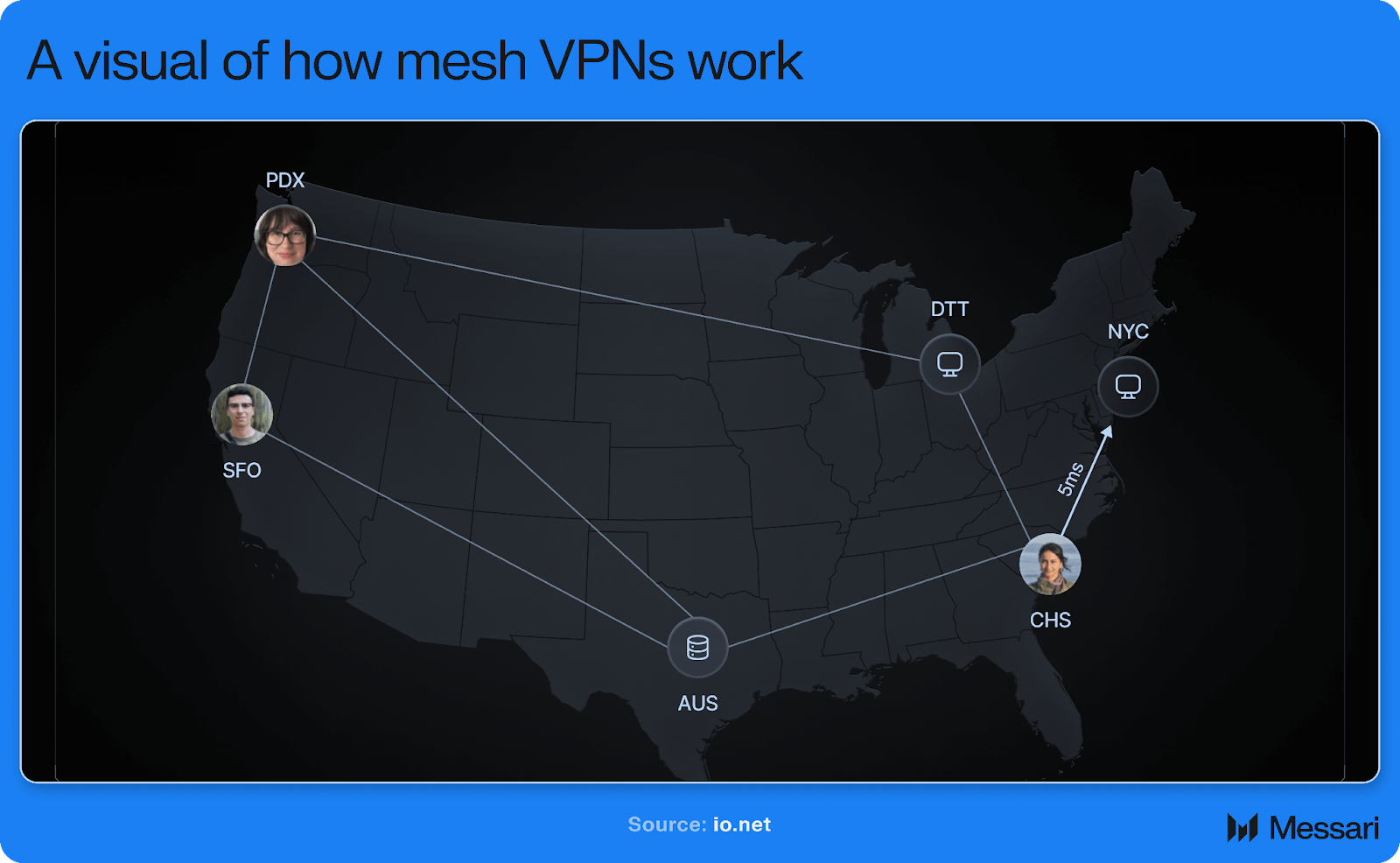
This is where DePIN (Decentralized Physical Infrastructure Networks) come charging in. Imagine thousands, sometimes millions, of idle GPUs sitting unused in independent data centers, universities, crypto farms, or even hobbyist rigs. Decentralized networks like CUDOS Intercloud and Berkeley Compute aggregate these orphaned resources into a permissionless global supercomputer.
The magic? Anyone can plug their hardware into these networks and get rewarded with tokens when their compute power is used by developers or enterprises. This creates an open market where supply and demand set prices, not corporate gatekeepers. The result? AI compute costs plummet by as much as 70%, democratizing access across industries.
The Secret Sauce: Scalability, Cost Efficiency and Low Latency
So how exactly do decentralized AI compute networks solve the bottleneck?
- Sustainable Scalability: Need more power? Just onboard more nodes, no need to wait for a mega data center to expand capacity.
- Dramatic Cost Reductions: By tapping into underutilized GPUs worldwide, these networks drive down prices while rewarding hardware owners, a true win-win scenario.
- Global Coverage and Low Latency: With distributed nodes across continents, inference requests are routed to the nearest available GPU, slashing response times for users everywhere.
This approach isn’t theory, it’s already live. Projects like USD. AI tokenize Nvidia GPUs as NFTs housed in insured data centers; lenders earn yields from real-world rental income (with reported returns between 13%–17%). Meanwhile, other platforms focus on frictionless onboarding so anyone with spare hardware can join the party, and get paid for contributing to humanity’s collective intelligence engine.
Pioneers Leading the Charge in Distributed GPU Sharing
The decentralized wave isn’t just hype, it’s being built out right now by some seriously ambitious teams:
- CUDOS Intercloud: Unlocks idle GPUs from independent operators for scientific simulations and AI workloads alike.
- Berkeley Compute: Democratizes high-performance computing by aggregating hardware from diverse sources globally.
- Aethir and io. net: Pushing boundaries on both tokenomics and technical performance so enterprises never hit a compute wall again.
If you’re ready to dig deeper into how DePIN infrastructure is transforming cost structures, and why this matters for builders at every level, check out our next guide: How Decentralized GPU Networks Are Transforming AI Compute Costs and Accessibility in 2025.
But let’s get practical. What does this mean for the developer in Lagos, the robotics startup in Bangalore, or the biotech team in Berlin? It means unprecedented access to affordable, high-performance AI compute, no more gatekeeping by mega-corps or endless waitlists. By leveraging distributed GPU sharing, these teams can train, deploy, and iterate on AI models at a pace that matches their ambition, not their budget.
This shift isn’t just about infrastructure. It’s about reshaping incentives. DePIN-powered networks use crypto rewards to motivate hardware owners to join and stay online. The result is a self-reinforcing ecosystem: more nodes mean lower costs and better performance for users, which attracts more demand, and so the flywheel spins faster.
"Compute is the new oil, " as Aethir puts it. In 2025, whoever controls scalable GPU access controls the future of AI. Decentralized networks are making sure that future isn’t locked up by a handful of cloud giants.
What’s Next for Decentralized AI Compute?
The momentum is only accelerating. As tokenization frameworks mature and onboarding becomes even easier (think plug-and-play for GPUs), we’ll see:
- Hyper-local inference: Edge devices tapping into nearby GPU nodes for real-time applications, think autonomous vehicles or smart cities.
- Sustainable AI compute: More efficient use of existing hardware slashes energy waste and carbon footprint compared to building out new centralized data centers.
- Permissionless innovation: Anyone with an idea (and some tokens) can access world-class compute without begging for credits or VC intros.
If you’re an investor eyeing sustainable AI compute or a builder tired of hitting walls with Big Tech clouds, now’s the time to explore DePIN infrastructure. The barriers are falling, and those who move first will shape the next generation of AI breakthroughs.
The Bottom Line: Decentralized Networks Are Here to Stay
The old paradigm, scarce GPUs hoarded by tech giants, is breaking down. With decentralized AI compute networks aggregating idle resources from every corner of the globe, we’re entering a new era where AI scalability meets blockchain-powered efficiency. Costs drop, access widens, and innovation accelerates across every industry.
If you’re curious about how these networks are driving down costs (sometimes by as much as 70%–80% compared to AWS), there are deep dives and case studies waiting for you on our site. But one thing is clear: decentralized GPU sharing isn’t just solving today’s bottleneck, it’s laying the foundation for an open, permissionless future where anyone can build with world-class AI tools.


No comments yet. Be the first to share your thoughts!