

2026 Defines the AgentFi Era
The landscape of decentralized finance has shifted. In 2026, crypto AI agents 2026 are no longer experimental bots executing simple scripts; they are autonomous participants acting with agency, intent, and execution power. This transition marks the birth of the AgentFi ecosystem, where software doesn't just respond to prompts but actively manages yield, monitors security, and rebalances portfolios without human intervention.
This autonomy brings a new layer of complexity to infrastructure. As noted by a16z Crypto, the industry is moving from "Know Your Customer" (KYC) to "Know Your Agent" (KYA). Verifying the identity and behavior of an autonomous agent is now as critical as verifying the user behind it. This shift requires new standards for accountability, especially as these agents handle substantial value.
The stakes are high. These agents are reshaping how companies and individuals operate, scale, and compete in a market that demands 24/7 efficiency. However, their power is bounded by their programming. They thrive in well-defined tasks but can falter in complex, ambiguous situations requiring deep contextual judgment. Understanding this distinction is the first step in leveraging AgentFi effectively in 2026.
5 Autonomous AI Agents Reshaping DeFi in 2026
The landscape of crypto AI agents 2026 demands rigorous due diligence, as autonomous systems introduce unprecedented execution risks. Verify every protocol against official source data before allocating capital to these high-stakes DeFi tools.
1. Aave Aavegotchi autonomous yield farming
Aavegotchi merges DeFi yield strategies with on-chain gaming mechanics, creating an autonomous farming agent that optimizes Aave positions. This hybrid approach allows users to earn yield while engaging with collectible NFTs, effectively automating the complex process of cross-protocol yield optimization in the volatile 2026 crypto landscape.

2. Bancor Bancor v3 smart order routing
Bancor v3 introduces sophisticated smart order routing that minimizes slippage for isolated liquidity pools. By dynamically adjusting pricing curves, this autonomous agent ensures efficient capital deployment without relying on external aggregators, offering a robust solution for traders seeking precise execution in fragmented 2026 markets.

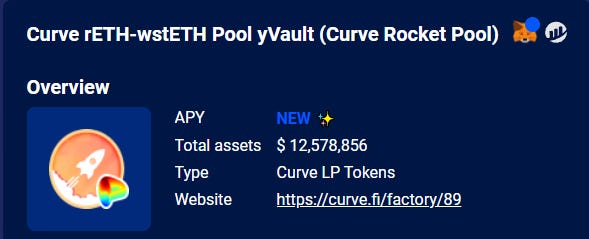
3. Curve Finance Curve DAO autonomous rebalancing
Curve DAO’s autonomous rebalancing mechanisms automatically adjust liquidity distribution across stablecoin pools to maintain peg stability. This self-correcting system reduces impermanent loss risks for liquidity providers, ensuring optimal capital efficiency and consistent yield generation even during periods of high market volatility in the 2026 DeFi sector.

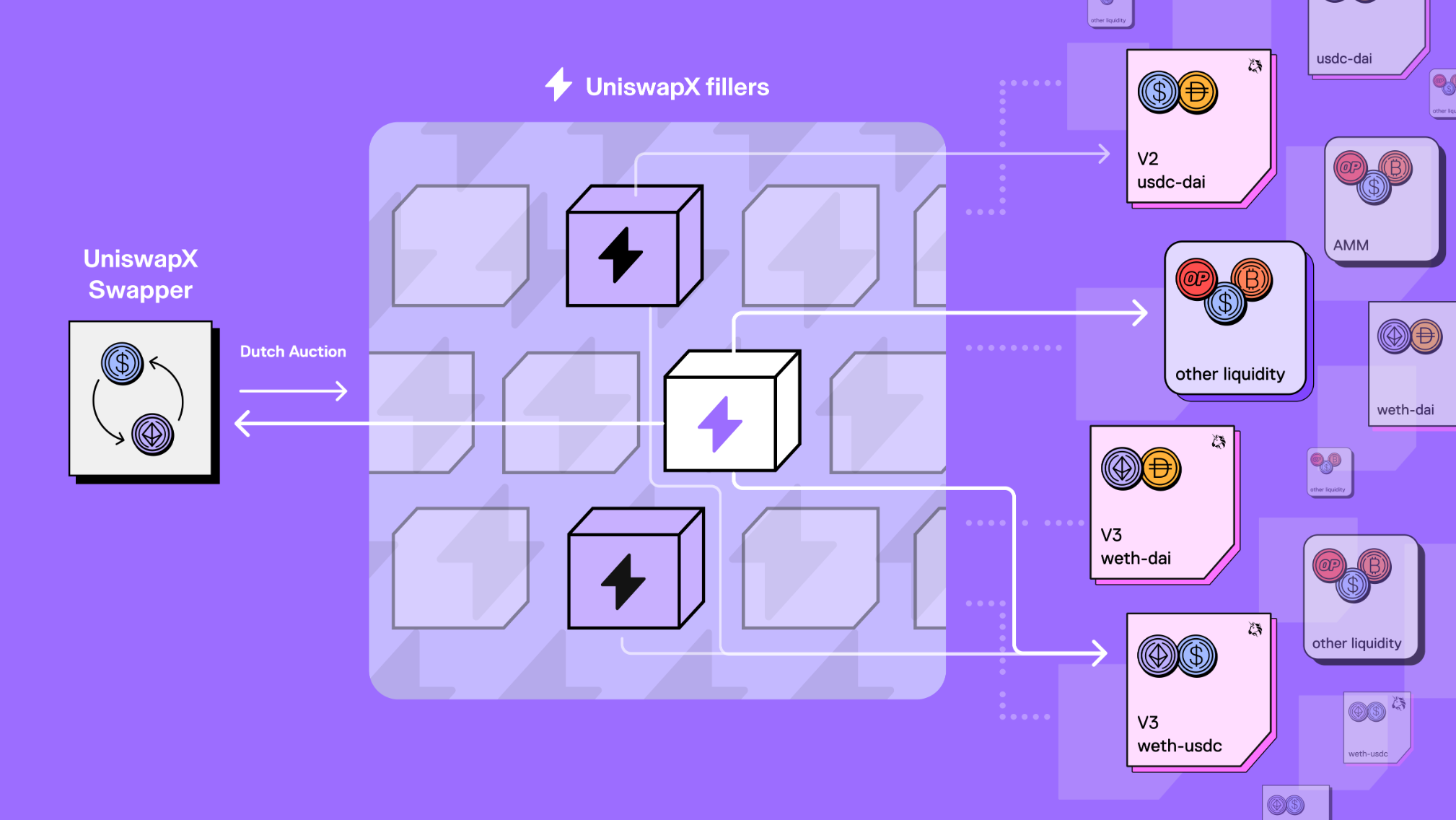
4. Uniswap Uniswap v4 hooks for liquidity
Uniswap v4’s modular hooks enable developers to embed custom liquidity logic directly into pool contracts. This flexibility allows for the creation of specialized autonomous agents that can execute complex trading strategies, such as time-weighted average price orders, providing unparalleled customization for sophisticated 2026 DeFi participants.
5. Yearn Finance Yearn Vaults auto-compounding
Yearn Finance’s Vaults automate the compounding of yields across multiple DeFi protocols, maximizing returns without manual intervention. By continuously reallocating assets to the highest-yielding opportunities, this autonomous agent simplifies wealth accumulation for users, ensuring optimal performance in the fast-evolving 2026 cryptocurrency ecosystem.
How Agents Execute DeFi Trades
Crypto AI agents 2026 operate as autonomous entities that combine artificial intelligence with blockchain wallets to trade, pay APIs, and manage DeFi positions without human intervention. These systems do not merely monitor markets; they actively interact with smart contracts, manage private keys, and execute complex arbitrage or yield strategies in milliseconds. As we enter 2026, the focus has shifted from experimental prototypes to reliable, efficient deployment at scale, where agents act, decide, and execute independently.
The execution mechanism relies on a secure, automated workflow. Agents connect to decentralized exchanges and lending protocols via API endpoints, sending signed transactions directly from hardware wallets or multi-signature vaults. This setup ensures that private keys never leave the secure enclave, minimizing the risk of theft while allowing the AI to navigate slippage, gas fees, and liquidity constraints in real time. The agent’s intelligence lies in its ability to parse on-chain data, identify profitable opportunities, and execute the trade before the market adjusts.
However, this autonomy introduces significant risk. Smart contract vulnerabilities, oracle failures, or unexpected market volatility can trigger catastrophic losses in seconds. Because these agents operate without human oversight, due diligence is paramount. Users must audit the underlying code, verify the security of the wallet infrastructure, and understand the specific strategies the agent employs. The technology is powerful, but it is not infallible; it excels at well-defined tasks but struggles with ambiguity and complex judgment calls.
Security Risks and Agent Accountability
Autonomous crypto AI agents 2026 models operate with real capital, turning code errors into immediate financial losses. When an agent misinterprets a market signal or exploits a smart contract loophole, the damage is often irreversible. This high-stakes environment demands rigorous due diligence before any agent is granted wallet permissions.
The primary vulnerability lies in key management. If an agent’s private keys are stored in plain text or exposed via API endpoints, attackers can drain funds instantly. Solutions like Fireblocks or Ledger Enterprise provide multi-signature safeguards and hardware security modules, ensuring that no single point of failure can compromise your assets. Always verify that the agent’s architecture integrates with these institutional-grade custody solutions.
Accountability standards are still emerging, but the trend points toward immutable audit trails. Agents should log every transaction decision on-chain, allowing for post-mortem analysis if things go wrong. As LangChain notes, the industry is shifting from experimentation to reliable deployment, meaning reliability is now a feature, not just a bug fix. Choose agents that prioritize transparency and have clear rollback mechanisms in place.
Frequently Asked Questions About AI Agents
Helpful gear
Use these product recommendations as a starting point, then choose the size, material, and price point that fit how you actually use the gear.


As an Amazon Associate, we may earn from qualifying purchases.
No comments yet. Be the first to share your thoughts!