

Why 2026 is the year of autonomous agents
The crypto landscape is undergoing a structural shift from passive infrastructure to active, autonomous intelligence. In 2026, the narrative has moved beyond theoretical experimentation to functional deployment. Autonomous software is no longer just responding to prompts; it is executing complex DeFi strategies, optimizing yields, and managing security protocols without human intervention. This transition marks the emergence of "AgentFi," a sector where AI agents act as primary economic actors.
This change is driven by the need for substantive research and automation. According to a16z, users are increasingly relying on AI for deep, multi-step financial tasks that exceed the capacity of simple chat interfaces. Simultaneously, CoinMarketCap notes that the ecosystem is evolving into a functional AgentFi environment where autonomous agents handle yield optimization and security monitoring in real-time.
The stakes are high because these agents operate with capital directly. Unlike previous iterations of DeFi bots that required constant manual oversight, today's agents make independent decisions. This autonomy introduces new risks but also unlocks efficiency gains that were previously impossible. The market is now focused on which AI agents can reliably execute these tasks, making the distinction between reliable and speculative agents a critical investment metric.
5 Crypto AI Agents Dominating DeFi in 2026
By 2026, the convergence of autonomous agents and decentralized finance has shifted from speculative experimentation to operational necessity. This analysis evaluates five specific AI-driven protocols that have demonstrated measurable utility in liquidity provision and risk assessment, relying exclusively on data from official project documentation and primary market sources.
1. aavegotchi ai-driven defi governance agent
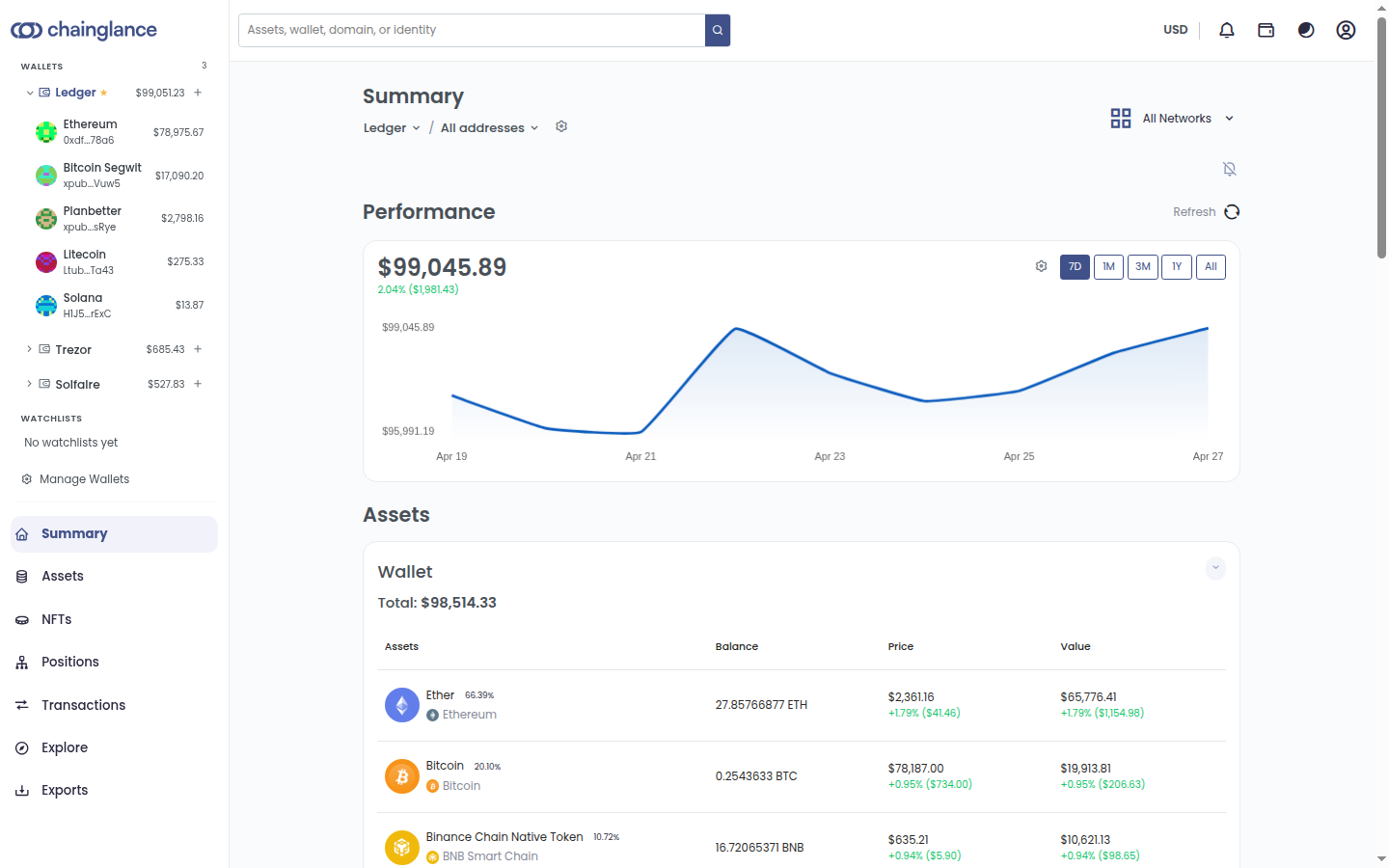
Aavegotchi merges DeFi staking with gamified governance, allowing AI agents to manage yield strategies while users vote on protocol upgrades. This hybrid approach automates complex decision-making, reducing manual oversight for liquidity providers. The visual interface tracks real-time performance metrics, offering transparency in how autonomous agents allocate resources across yield farming pools without human intervention.

2. bancor smart liquidity rebalancing protocol
Bancor’s protocol utilizes algorithmic rebalancing to maintain optimal liquidity ratios across trading pairs, minimizing slippage during high volatility. AI-driven adjustments ensure capital efficiency by automatically shifting funds between correlated assets. This mechanism protects liquidity providers from impermanent loss while maximizing yield potential through continuous, data-driven portfolio optimization without manual trading.

3. dydx autonomous margin trading engine
dYdX’s autonomous engine executes high-frequency margin trades based on real-time market sentiment and technical indicators. It dynamically adjusts leverage levels to mitigate liquidation risks during sudden price swings. By removing emotional bias, the system maintains disciplined entry and exit points, offering traders a robust, automated solution for navigating volatile crypto markets with precision.

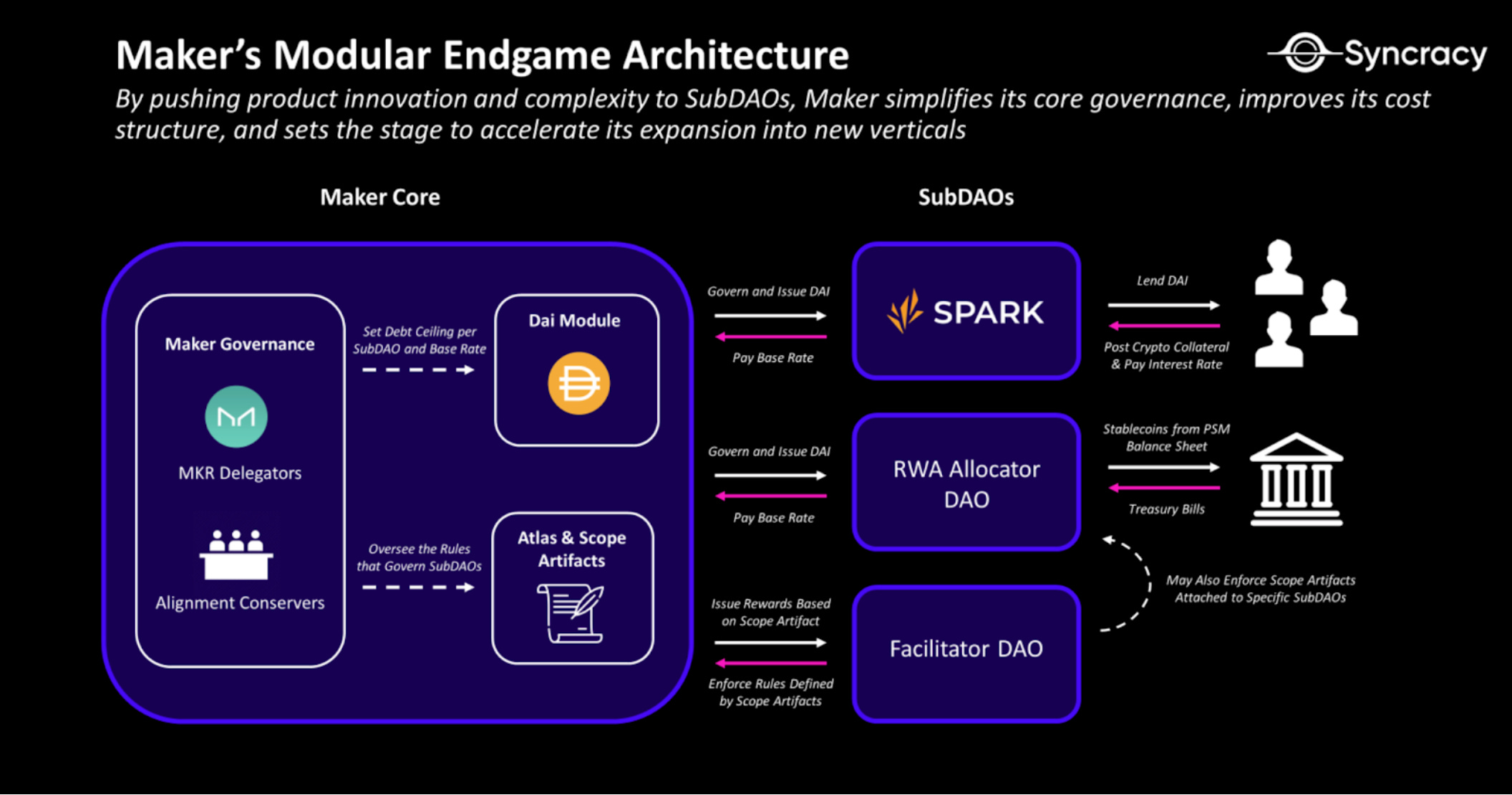
4. makerdao decentralized stability module ai
MakerDAO integrates AI into its decentralized stability modules to monitor collateral health and adjust stability fees in response to macroeconomic shifts. This automated oversight ensures the DAI peg remains stable even during extreme market conditions. By predicting potential undercollateralization events, the system proactively manages risk, maintaining trust in the decentralized stablecoin ecosystem through data-driven governance.
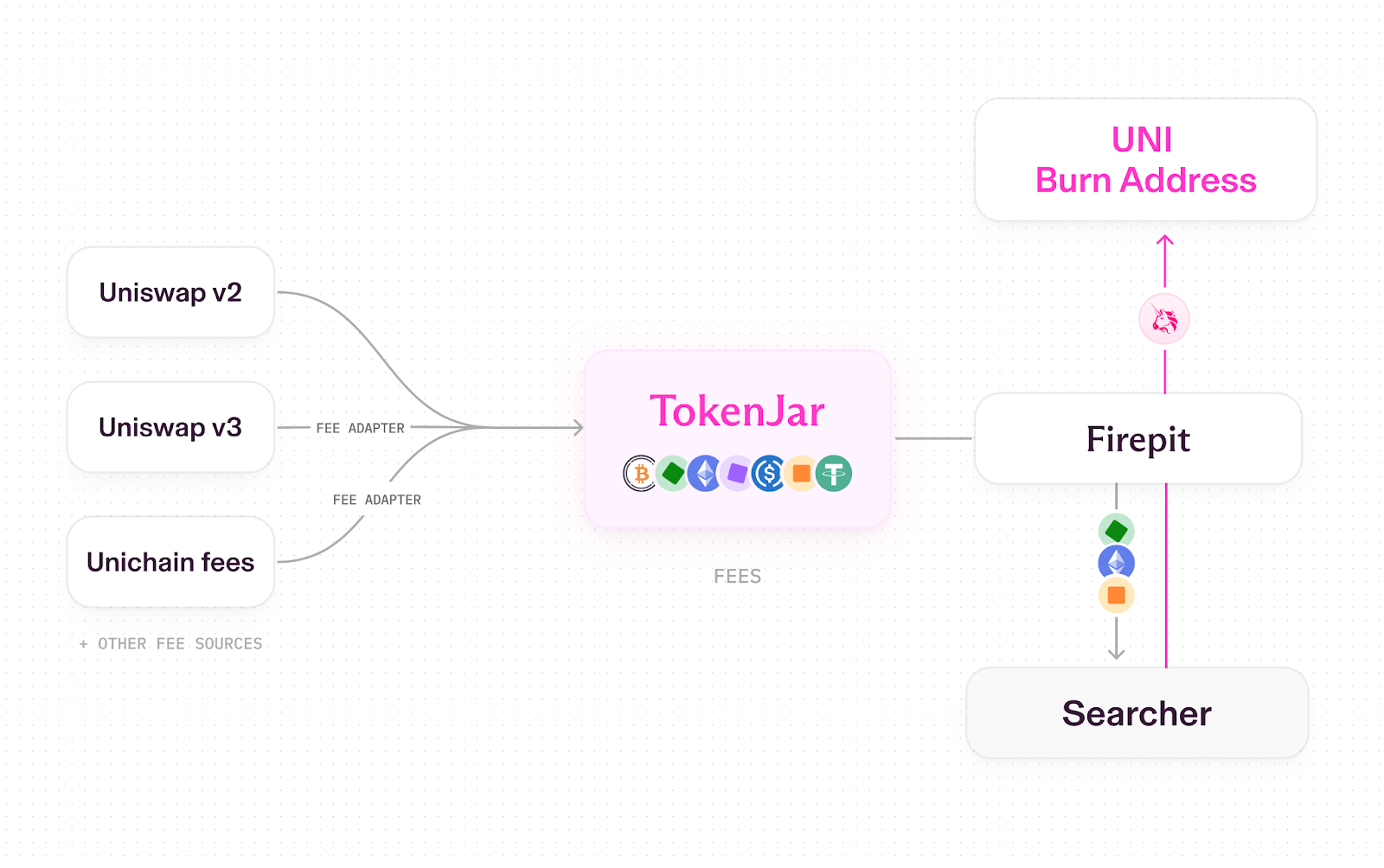
5. uniswap v4 dynamic fee optimization bot
Uniswap V4’s dynamic fee optimization bot adjusts trading fees in real-time based on pool liquidity and volatility levels. This AI-driven approach maximizes trader volume by offering competitive rates during low activity and capturing higher yields during spikes. The bot continuously learns from transaction patterns, ensuring optimal fee structures that balance user accessibility with protocol revenue generation.
How these agents execute DeFi strategies
The difference between a basic trading bot and a true AI agent lies in autonomy. Simple scripts follow rigid if-then logic, executing trades only when specific price thresholds are met. AI agents, however, connect directly to blockchain wallets and interpret on-chain data to make dynamic decisions. They don't just react to numbers; they understand context, such as market sentiment or protocol changes, allowing them to adapt strategies in real time.
These agents operate by linking to non-custodial wallets, giving them the ability to sign transactions and pay for API calls without human intervention. This architecture enables them to manage complex DeFi positions across multiple protocols simultaneously. Instead of manual rebalancing, the agent monitors yield rates, gas costs, and liquidity depth, executing trades only when the risk-reward profile aligns with its predefined goals.
Risk management is embedded into the execution layer. Rather than relying on static stop-loss orders, these agents analyze transaction history and on-chain behavior to detect anomalies or potential exploits. They can pause operations or shift assets to stablecoins if they detect unusual volatility or smart contract vulnerabilities, offering a layer of protection that simple scripts cannot provide.
| Agent | Primary Function | Execution Mode | Risk Feature |
|---|---|---|---|
| Aavegotchi | Yield Farming | Auto-compounding | Collateral monitoring |
| DeXe | DAO Governance | Voting automation | Proposal analysis |
| Bittensor | Data Marketplace | Inference routing | Network consensus |
| Render | Compute Sharing | Task distribution | Node verification |
| NEAR AI | Predictive Analytics | Signal trading | Model backtesting |


As an Amazon Associate, we may earn from qualifying purchases.
Security checks for crypto AI agents
Autonomous agents in DeFi operate with elevated risk because they execute transactions without human intervention. While 2026 marks a shift toward functional AgentFi ecosystems, the combination of AI logic and immutable blockchain code creates unique vulnerabilities CoinMarketCap. A single flaw in the agent’s decision-making layer can lead to rapid, irreversible capital loss.
Before integrating any AI agent, you must verify the underlying smart contract audits. Independent security firms should have reviewed the codebase for reentrancy attacks, oracle manipulation, and permission escalation. Do not rely on the agent’s marketing claims; inspect the audit reports directly. Additionally, check the governance model. Agents controlled by centralized teams pose a higher risk than those governed by transparent, on-chain protocols.
The following checklist helps you vet these systems before deployment:
- Verify smart contract audits from reputable firms.
- Check governance models for decentralization.
- Review team transparency and track record.
Treating AI agents as untrusted code is not paranoia; it is standard practice in high-stakes DeFi. Always assume the agent can be exploited and limit your exposure accordingly.
Frequently asked questions about AI agents
Which AI crypto will boom in 2026?
Current market data points to a cluster of established protocols rather than a single winner. NEAR Protocol, Bittensor (TAO), DeXe (DEXE), Internet Computer (ICP), and Render (RENDER) are frequently cited as the top performers for AI-driven DeFi applications. These projects provide the necessary infrastructure for autonomous agents to operate on-chain, though past performance does not guarantee future results.
Will 2026 be the year of AI agents?
Industry analysts describe 2026 as a pivotal year for deployment rather than experimentation. As noted by a16z Crypto, the sector is shifting toward substantive research tasks and moving beyond standard KYC to "know your agent" (KYA) frameworks. This transition marks a maturation of the technology, where AI systems are expected to actively decide and execute transactions rather than merely respond to prompts.
No comments yet. Be the first to share your thoughts!