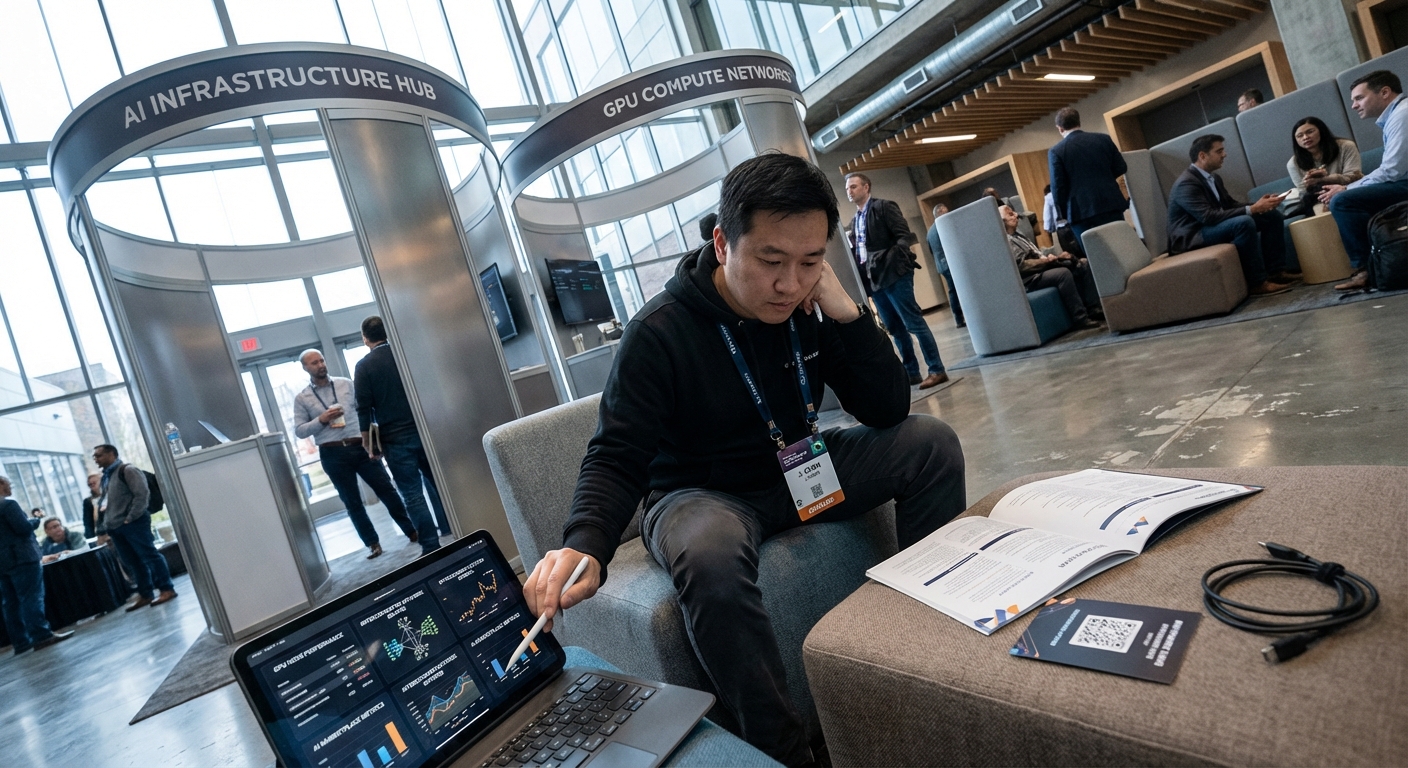
In the shadow of NVIDIA's steady $177.00 share price, a quiet revolution brews among everyday GPU owners. Billions in compute power lie dormant in homes, offices, and data centers worldwide, yet DePIN idle GPU monetization offers a pathway to transform this waste into steady crypto rewards. Decentralized Physical Infrastructure Networks (DePIN) have matured into robust platforms, pooling idle hardware AI infrastructure for AI training, inference, and rendering. This isn't speculative hype; it's a market-driven shift fueled by AI's insatiable hunger for GPUs, where projects like io. net and Render Network lead the charge.
Strategic minds recognize the convergence: skyrocketing AI workloads meet tokenized incentives. Frameworks like REACH optimize heterogeneous GPU clusters, boosting task completion amid diverse hardware. Meanwhile, repurposed mining GPUs, such as the NVIDIA CMP 170HX, prove viable for AI after CUDA tweaks. With AMD at $217.53 and Intel at $40.56, demand surges, positioning DePIN as a hedge against centralized cloud monopolies. Platforms like Aethir and Nosana exemplify this, tokenizing compute to slash costs and democratize access.

Crowdsourced AI GPU Rewards Through Leading DePIN Ecosystems
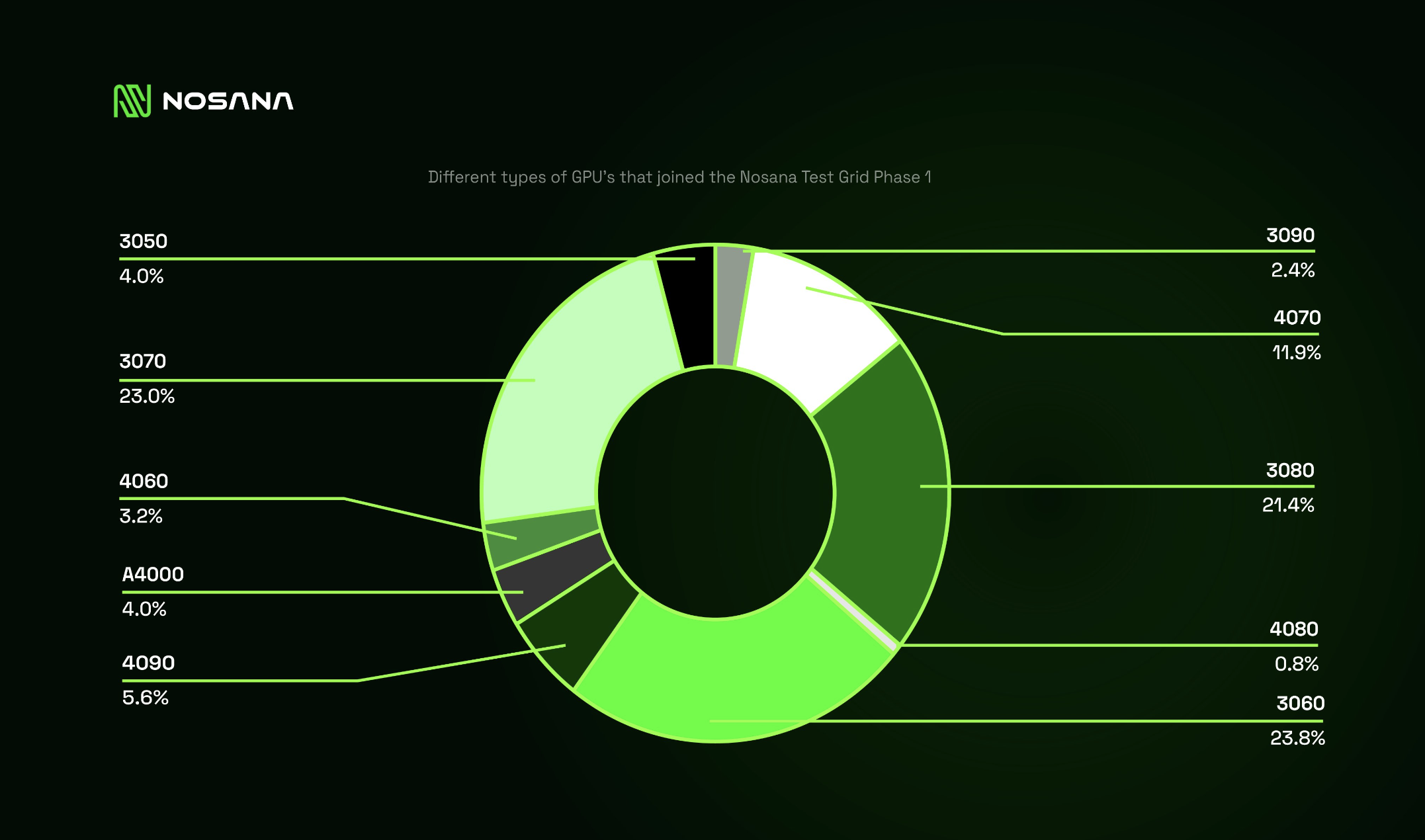
GPU DePIN networks 2025 thrive on incentive alignment. Nosana's Solana-based grid, for instance, deploys GPU containers for machine learning, rewarding contributors with $NOS tokens. Aethir's decentralized cloud extends to AI, rendering, and gaming, backed by GAIB's GPU tokenization on BNB Chain. Render Network's Solana migration accelerates throughput for AI model training. These aren't fringe experiments; they're scaling global pools of underused silicon, with POPAI enabling even AMD and Intel GPUs via $POPCOIN.
DePINed App simplifies entry with one-click resource sharing for SuperCloud tasks. Bittensor's subnets pioneer decentralized AI models, where GPU miners earn $TAO. Kuzco, a16z-backed, focuses purely on AI compute nodes. Akash marketplaces let owners lease directly. This ecosystem counters Big Tech's grip, offering yields traditional clouds can't match.
io.net (IO) Price Prediction 2026-2031
Forecasts for io.net token amid DePIN GPU monetization trends and AI compute demand growth post-2025
| Year | Minimum Price | Average Price | Maximum Price |
|---|---|---|---|
| 2026 | $2.80 | $5.50 | $9.50 |
| 2027 | $4.00 | $8.20 | $15.00 |
| 2028 | $5.50 | $12.00 | $22.50 |
| 2029 | $7.20 | $17.50 | $32.00 |
| 2030 | $9.80 | $24.00 | $45.00 |
| 2031 | $13.00 | $32.00 | $60.00 |
Price Prediction Summary
io.net (IO) is forecasted to see strong growth driven by DePIN adoption for idle GPU monetization in AI workloads. Average prices are projected to increase from $5.50 in 2026 to $32.00 in 2031 (CAGR ~42%), with mins reflecting bear markets/regulatory risks and maxes capturing bullish AI demand surges. YoY avg growth: 2026 +25%, 2027 +49%, 2028 +46%, 2029 +46%, 2030 +37%, 2031 +33%.
Key Factors Affecting io.net Price
- Surging AI compute demand boosting DePIN GPU networks like io.net
- Idle GPU monetization enabling mass participation and network effects
- Tech advancements (e.g., REACH scheduling, GPU repurposing) enhancing efficiency
- Competition from RNDR, Nosana, Aethir, TAO impacting market share
- NVIDIA-led GPU market strength ($177 in 2025) supporting infrastructure
- Crypto market cycles: potential 2026-2027 correction post-2025 bull
- Regulatory developments on DePIN/crypto incentives and rewards
Disclaimer: Cryptocurrency price predictions are speculative and based on current market analysis. Actual prices may vary significantly due to market volatility, regulatory changes, and other factors. Always do your own research before making investment decisions.
Seven Proven Strategies to Deploy Your GPUs Profitably
Drawing from real-world traction, here are the definitive plays for decentralized AI compute nodes. Each leverages proven protocols, with earnings tied to utilization and network demand.
7 Proven DePIN GPU Strategies
- Join io.net: Deploy idle GPUs for high-demand AI training and inference tasks earning IO tokens. Ideal for monetizing spare NVIDIA GPUs in decentralized compute pools.

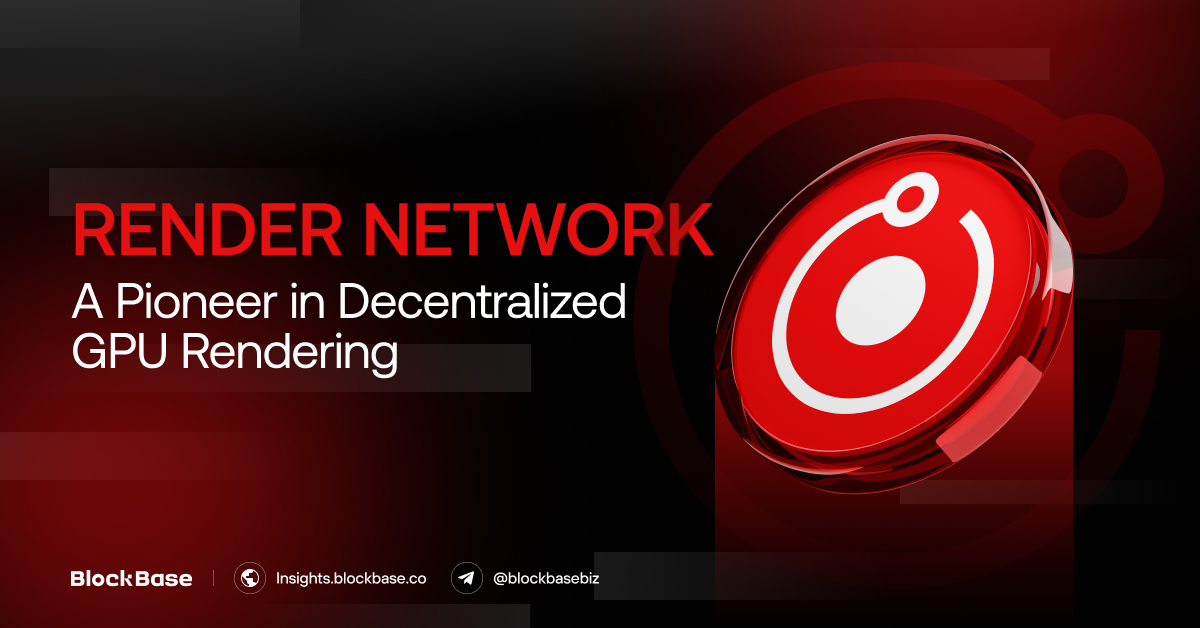
- Enroll in Aethir: Monetize via decentralized cloud for AI workloads, rendering, and gaming with ATH rewards. Pool resources globally for enterprise-grade compute.
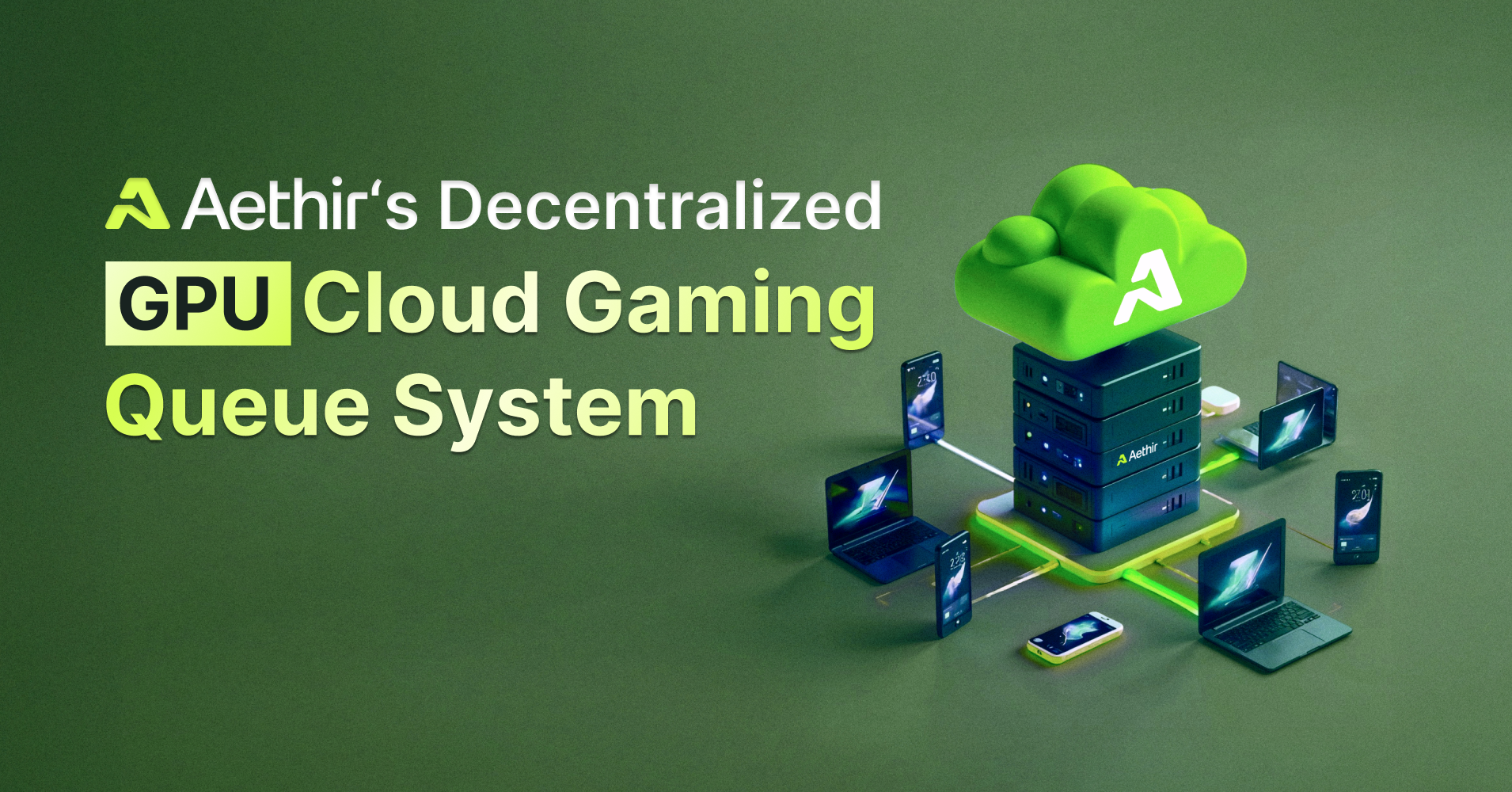
- Contribute to Render Network: Supply GPUs for AI-enhanced 3D rendering and compute earning RNDR tokens. Now on Solana for faster throughput.
- Launch Kuzco Nodes: Provide compute power in a16z-backed decentralized GPU network for AI applications. Secure rewards from validated AI inference jobs.

- Operate Nosana Grid: Run Solana-based GPU containers for ML jobs and earn NOS tokens. Efficient for complex AI without cloud overhead.
- Lease Resources on Akash: List idle GPUs in the decentralized cloud marketplace for AI deployments. Bid-based leasing for flexible earnings.
- Participate in Bittensor Subnets: Run GPU miners for decentralized AI models earning TAO rewards. Contribute to collaborative machine intelligence.

Consider the mechanics. These strategies sidestep centralized overhead, using blockchain for verifiable contributions. io. net clusters idle GPUs for high-value AI jobs, paying IO tokens that capture rising compute premiums. Aethir's model diversifies across workloads, stabilizing earnings; expect 20-50% ROI on mid-tier RTX cards during peaks, per operator reports.
Render Network shines for creators, blending AI inference with rendering. Its Solana pivot cuts latency, appealing to devs scaling models. Kuzco's venture pedigree signals enterprise adoption, prioritizing reliable AI inference nodes. Nosana's containerized approach suits ML pipelines, with Solana's speed enabling real-time bidding.
Akash flips the script as a permissionless marketplace; list your GPU, set terms, and attract AI deployments. Bittensor elevates this to intelligence markets, where subnets reward model performance alongside raw compute. Early adopters report $200-500 monthly per high-end GPU, scaling with network growth.
This first wave demands minimal upfront tweaks: stable internet, compatible drivers, and basic monitoring. Yet rewards compound as AI demand outpaces supply, with DePIN capturing the long tail of crowdsourced AI GPU rewards.
Navigating Risks and Maximizing Yields in GPU DePIN
Authority tempers enthusiasm. Volatility stalks tokens like RNDR and TAO, but dollar-cost averaging via staking mitigates this. Hardware wear accelerates under load, so cap utilization at 70%. Energy costs vary; U. S. users average $0.15/kWh breakeven, lower in hydro-rich regions. Security protocols in Nosana and io. net thwart bad actors, with slashing for downtime.
Network congestion spikes during AI hype cycles, but smart operators rotate across platforms like io. net and Akash to balance loads. Regulatory shadows loom over crypto rewards, yet DePIN's utility-first design positions it as infrastructure, not speculation. My take: treat this as a portfolio diversifier, allocating 10-20% of idle hardware to GPU DePIN networks 2025.
Comparison of 7 DePIN Strategies
| Platform | Workloads | Token | Est. Monthly Earnings per RTX 4090 (low/high demand) | Setup Ease (Easy/Med/Hard) |
|---|---|---|---|---|
| io.net | AI training and inference tasks | IO | $80-150 / $300-500 | Med |
| Aethir | AI workloads, rendering, gaming | ATH | $100-180 / $350-550 | Easy |
| Render Network | AI-enhanced 3D rendering and compute | RNDR | $120-200 / $400-650 | Med |
| Kuzco | Decentralized GPU network for AI applications | KUZ | $90-160 / $320-520 | Med |
| Nosana | Solana-based GPU containers for ML jobs | NOS | $110-170 / $380-580 | Med |
| Akash | Decentralized cloud marketplace for AI deployments | AKT | $70-130 / $250-450 | Hard |
| Bittensor | GPU miners for decentralized AI models | TAO | $150-250 / $500-800 | Hard |
Optimization hinges on hardware specs. High-end NVIDIA RTX 40-series or A100s command premiums in Bittensor subnets, where TAO rewards scale with model accuracy. Mid-tier cards thrive in Aethir's diversified pool or Render's rendering queue. Kuzco favors enterprise-grade stability, ideal for locked-in AI inference. Nosana's Solana efficiency suits bursty ML jobs, while Akash empowers custom leases. io. net dominates training clusters, funneling IO tokens to reliable suppliers. Earnings? Operators whisper of $300-800 monthly per top GPU at current utilization, netting positive after power draws.
Step-by-Step Deployment for Maximum Returns
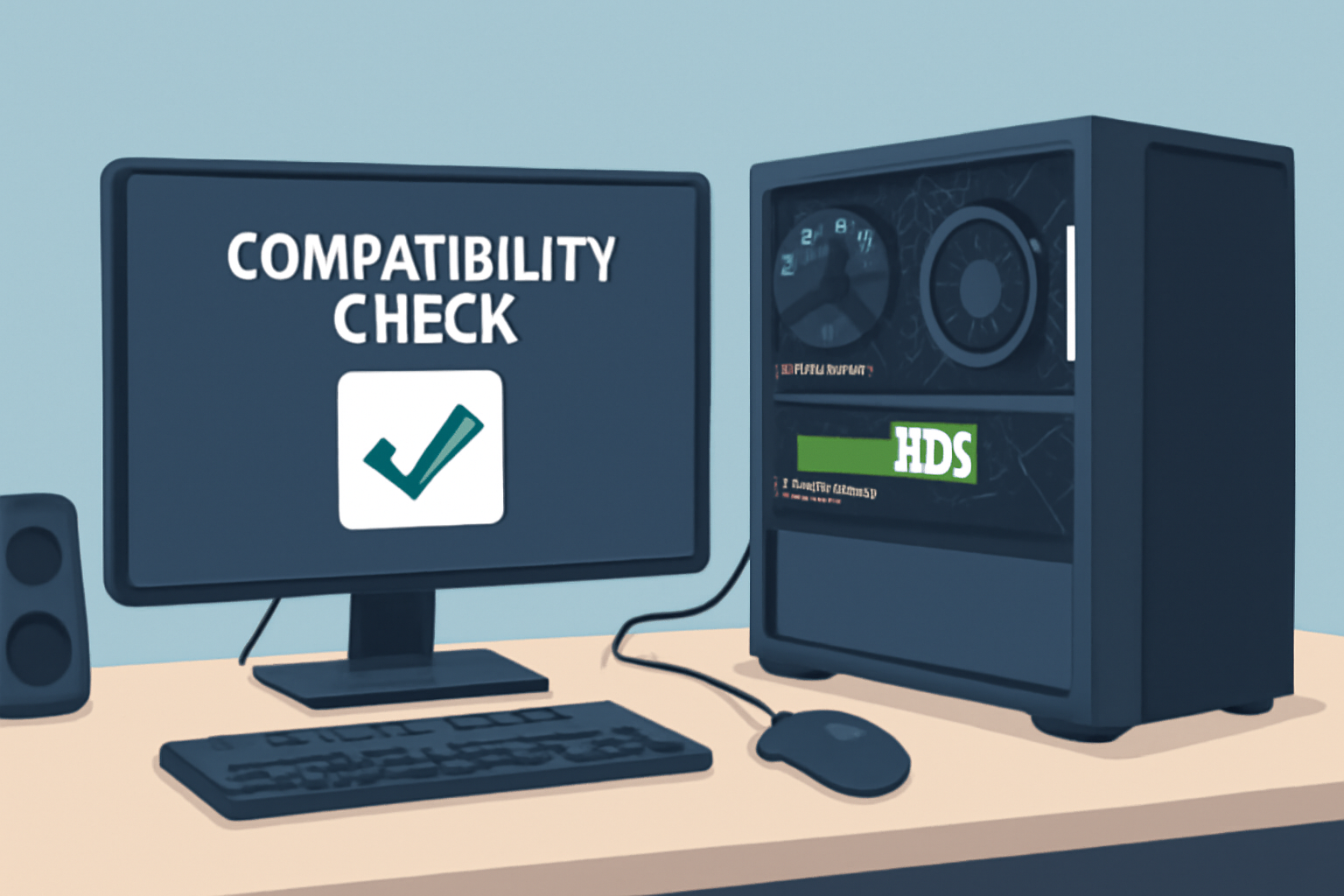
Execution separates winners from watchers. Prioritize stable 1Gbps and internet and UPS backups. Benchmark your rig first; tools like CUDA-Z reveal FP32 performance. Diversify across two-three strategies to hedge volatility, pair io. net's AI focus with Aethir's gaming buffer.
6 Steps to Launch & Monetize Your Idle GPU as a DePIN Node for AI Compute in 2025
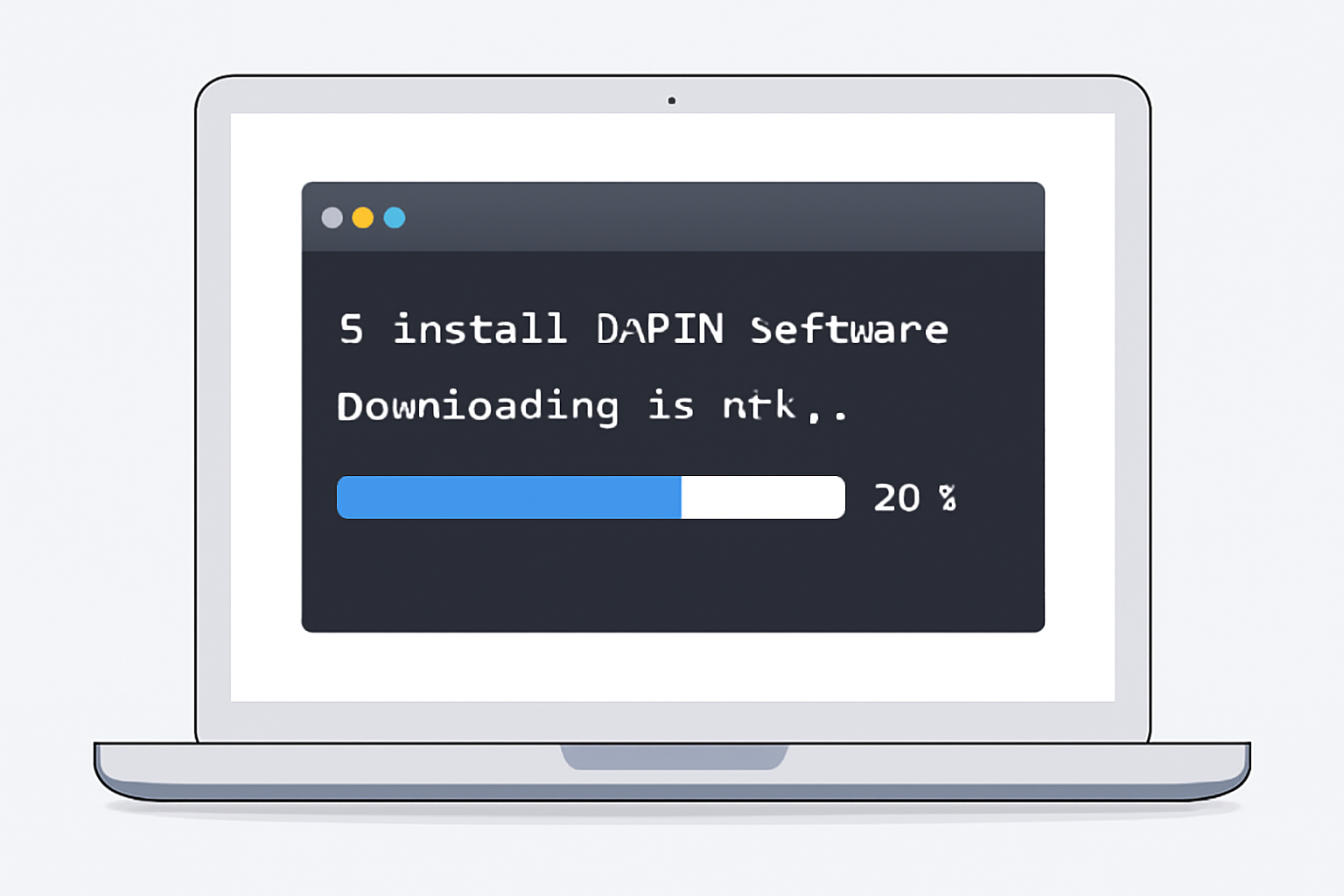
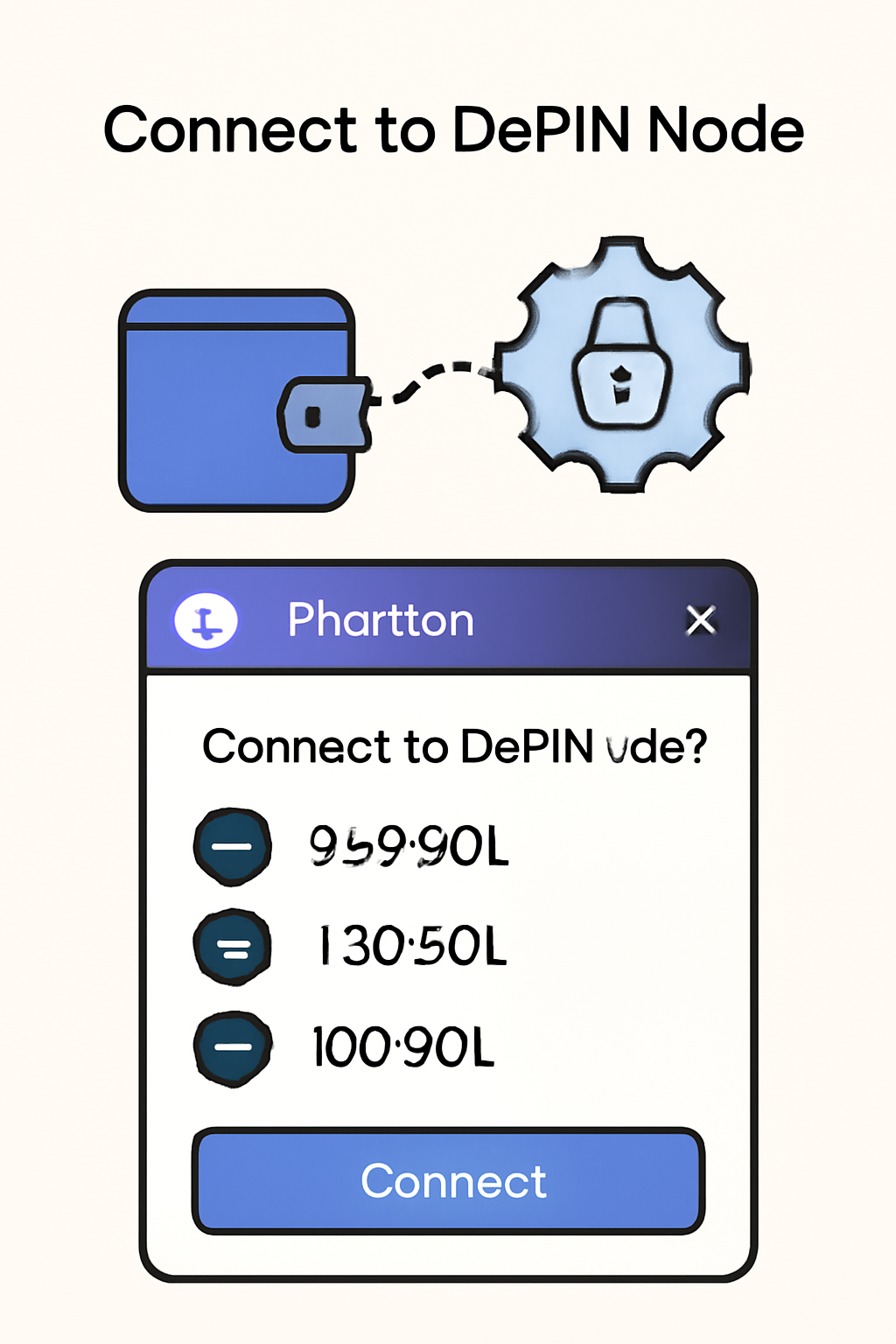
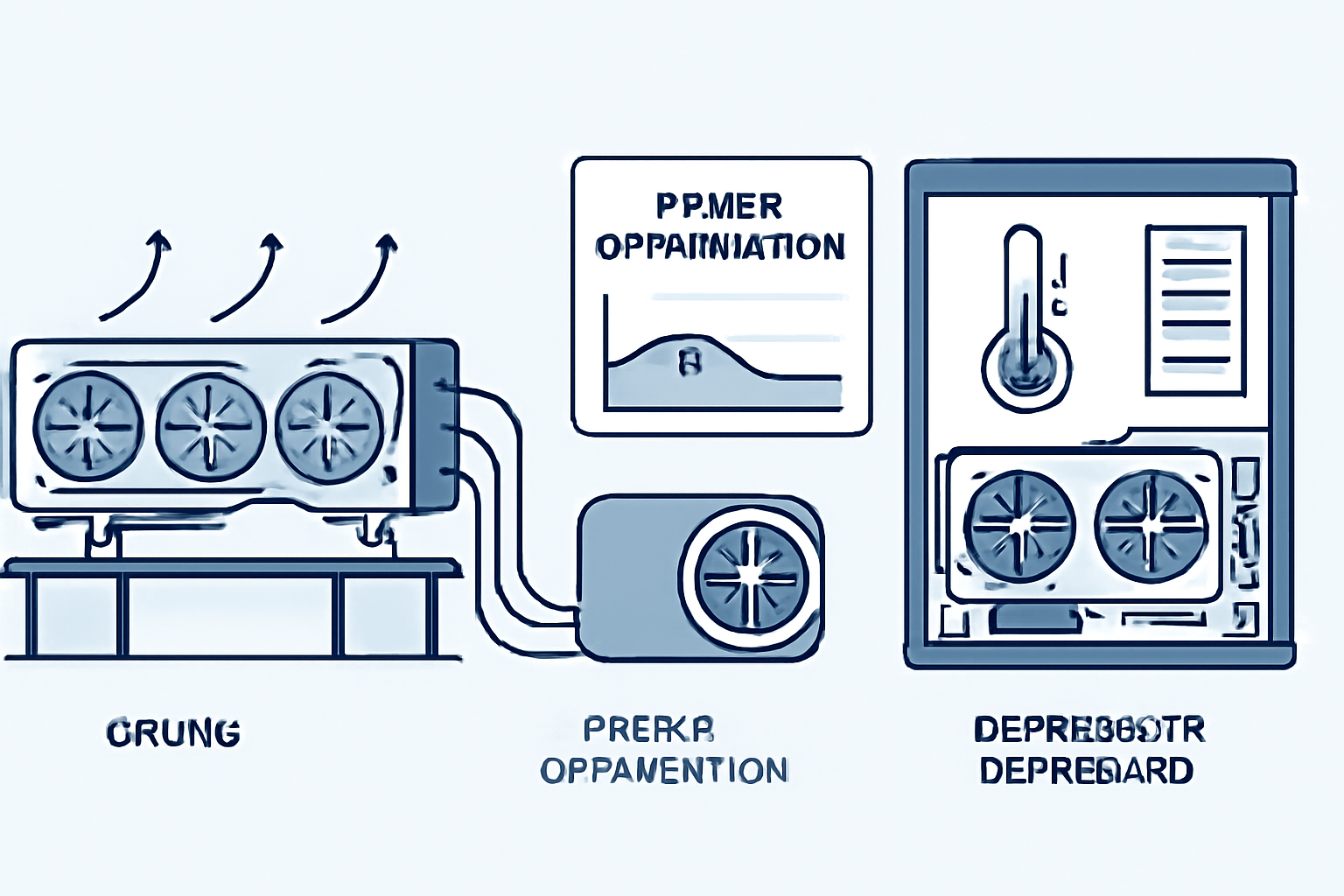
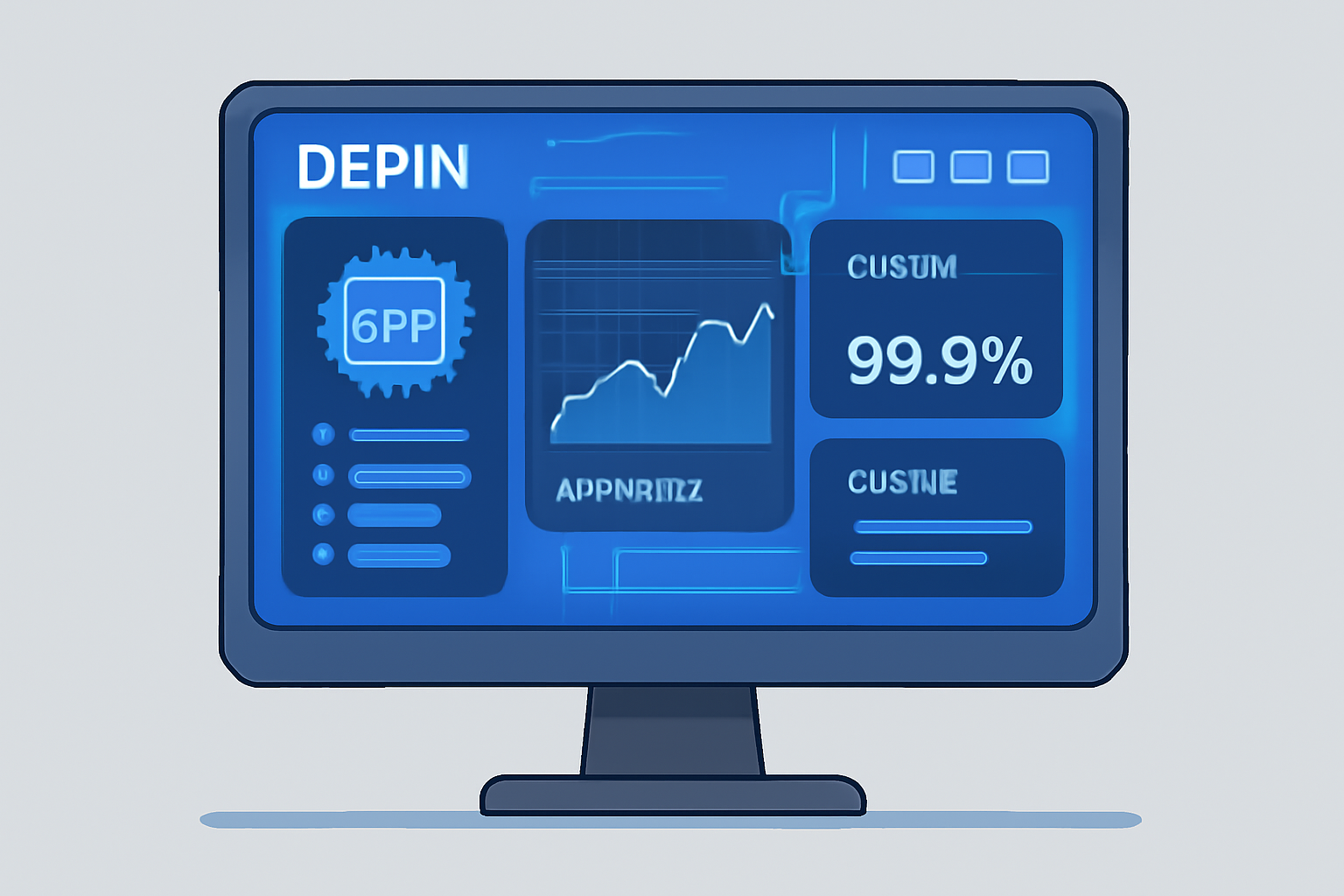
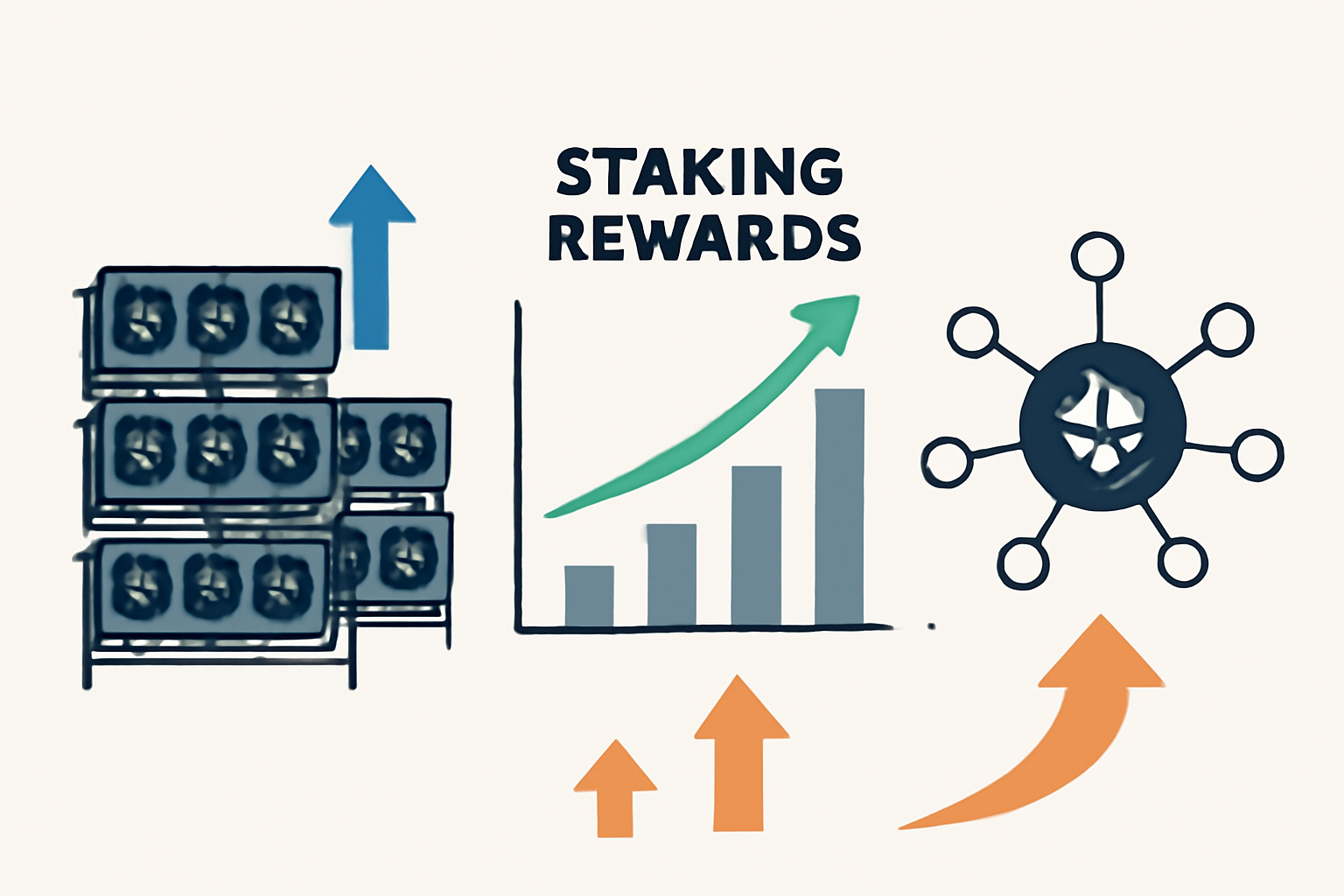
Once live, dashboards provide granular metrics: uptime, jobs completed, projected yields. Stake tokens for APYs boosting 15-30%, as seen in Render's RNDR pools. Community forums pulse with tweaks, overclock safely for 10% uplift, or underclock for longevity. This isn't set-it-and-forget-it; weekly audits ensure peak performance amid fluctuating demand.
Zoom out to macro signals. NVIDIA holds at $177.00, underscoring sustained GPU scarcity despite production ramps. AMD's $217.53 reflects DePIN's spillover to versatile silicon, while Intel's $40.56 invites value plays in hybrid setups. AI's compute famine persists; hyperscalers ration H100s, thrusting decentralized AI compute nodes into the breach. Tokenized models like Aethir's GAIB pilot fractionalize access, drawing institutions wary of outright buys.
Yet conviction builds on correlations. DePIN volumes track TAO and RNDR pumps, with io. net's IO mirroring training booms. Frameworks like REACH layer intelligence atop raw power, favoring adaptive nodes. Repurposed miners add supply without inflating new capex. Skeptics cite centralization risks, but Solana's throughput in Nosana and Render proves blockchain scales for compute.
Venture into this thoughtfully, and your idle RTX becomes a revenue engine. As crowdsourced AI GPU rewards mature, early positioning yields compounding edges, hardware today funds tomorrow's upgrades. The forest reveals abundance: DePIN turns silicon surplus into strategic advantage, fueling AI's next leap amid $177.00 NVIDIA stability.



No comments yet. Be the first to share your thoughts!