

In the surging DePIN AI compute landscape, OptimAI Network nodes stand out as a gateway to passive income through decentralized AI reinforcement data. With over 930,000 nodes spanning 179 countries as of early 2026, this EVM-compatible Layer-2 network transforms idle devices into revenue-generating assets. Contributors mine data, validate inputs, and fuel adaptive AI agents, earning OPI tokens in a system that scales with global participation.
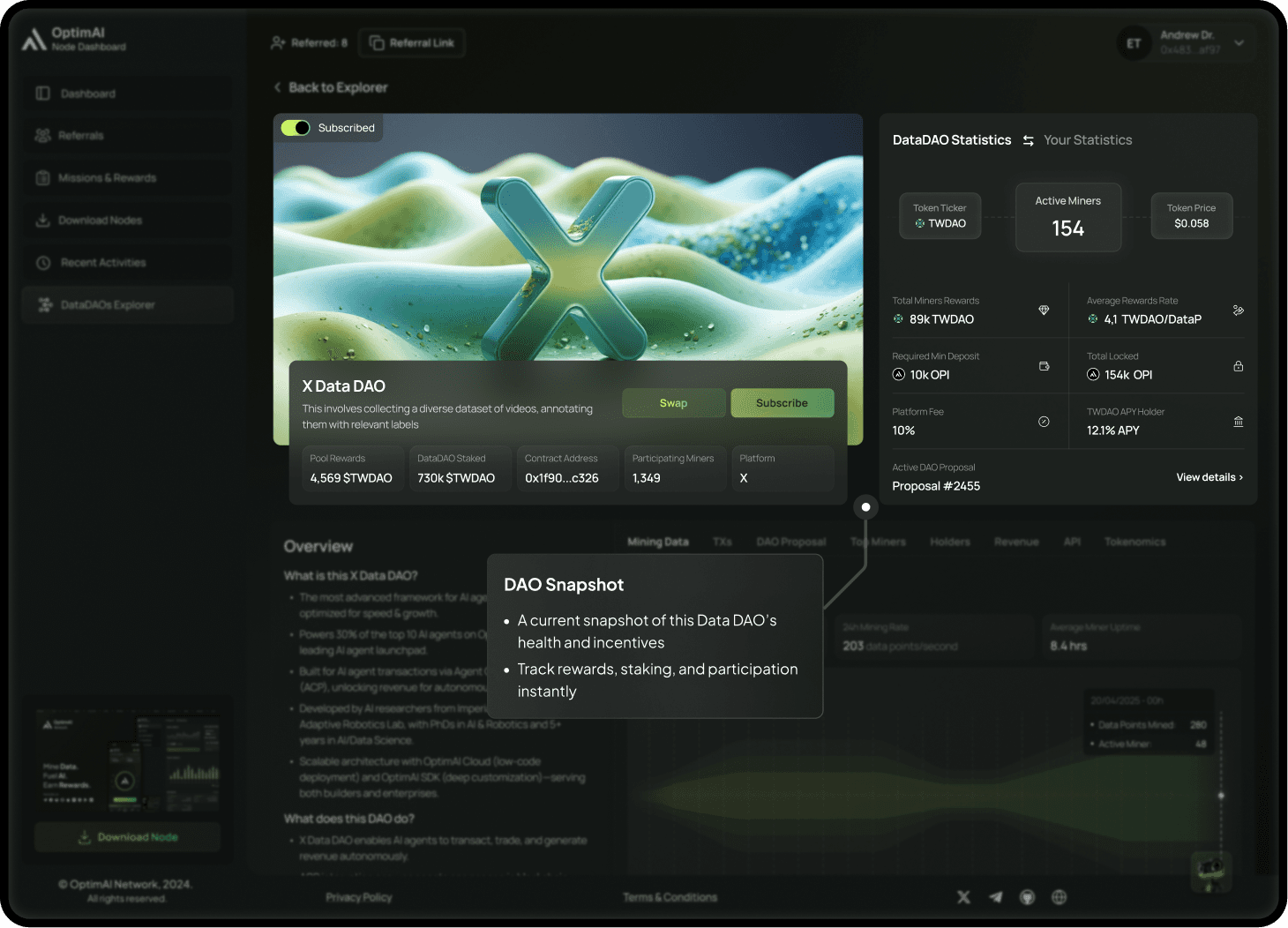
OptimAI flips the script on traditional AI data pipelines. Instead of centralized silos, it deploys a reinforcement data mesh where nodes capture real-time, context-rich inputs. This powers AI agents that learn across regions and markets, a critical edge in volatile crypto environments. From my vantage as a trader tracking cross-market correlations, projects like OptimAI bridge DePIN AI compute nodes with blockchain incentives, creating sustainable loops for data and compute.
OptimAI Network: Mine Data. Fuel AI. Get Rewards.
Decoding the L2 AI Data Mesh DePIN
At its core, OptimAI integrates an EVM Layer-2 blockchain with DePIN infrastructure, enabling seamless data reinforcement for AI. Nodes handle tasks from lightweight bandwidth sharing to intensive GPU processing, all validated by community consensus. This decentralized AI reinforcement data setup ensures tamper-proof inputs, vital for training agents that adapt to dynamic conditions like forex swings or crypto volatility.
The network's strength lies in its mesh topology. Data flows peer-to-peer, reducing latency and costs compared to cloud giants. Early adopters benefit from network effects: more nodes mean richer datasets, boosting AI accuracy and token value accrual. I've seen similar dynamics in other DePIN plays, but OptimAI's focus on reinforcement learning gives it a nuanced advantage for long-term holders.
Node Types Tailored for Accessibility
OptimAI Node Varieties: Setup & Rewards
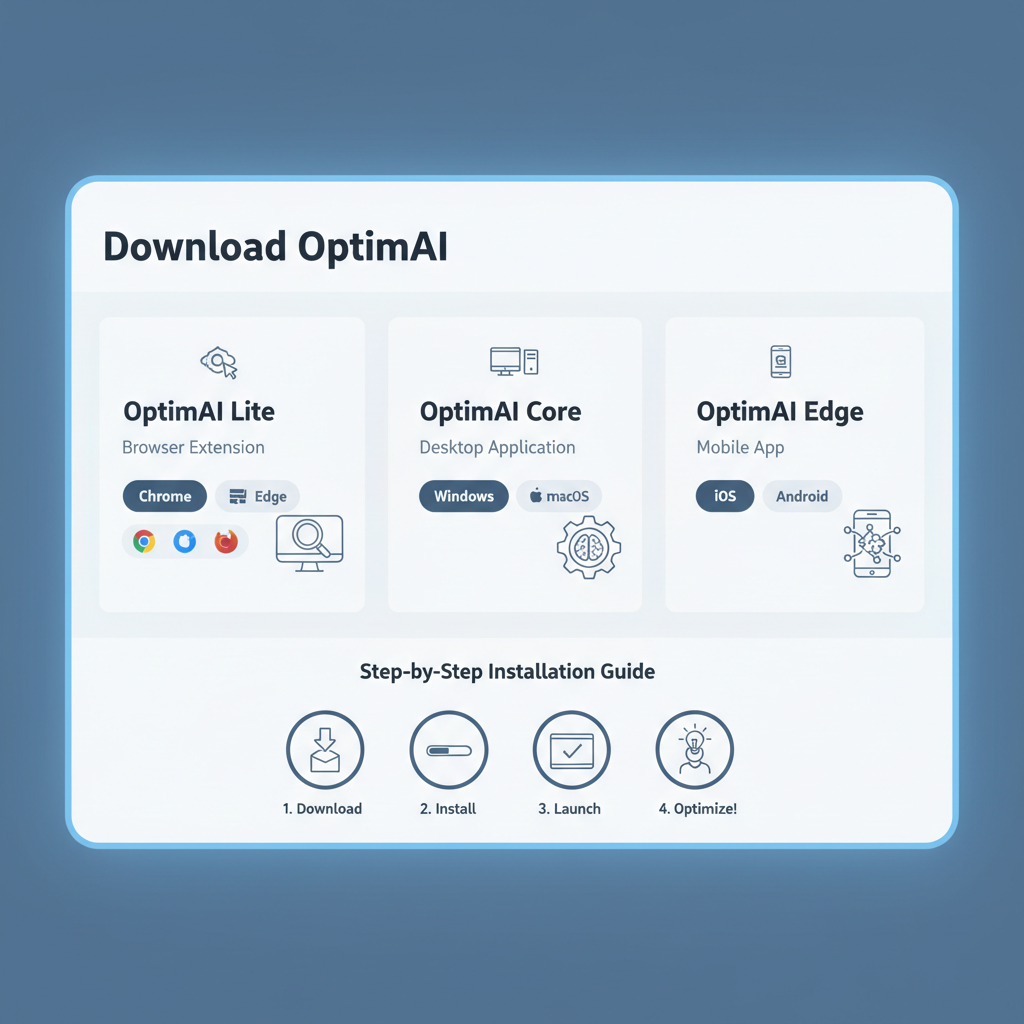
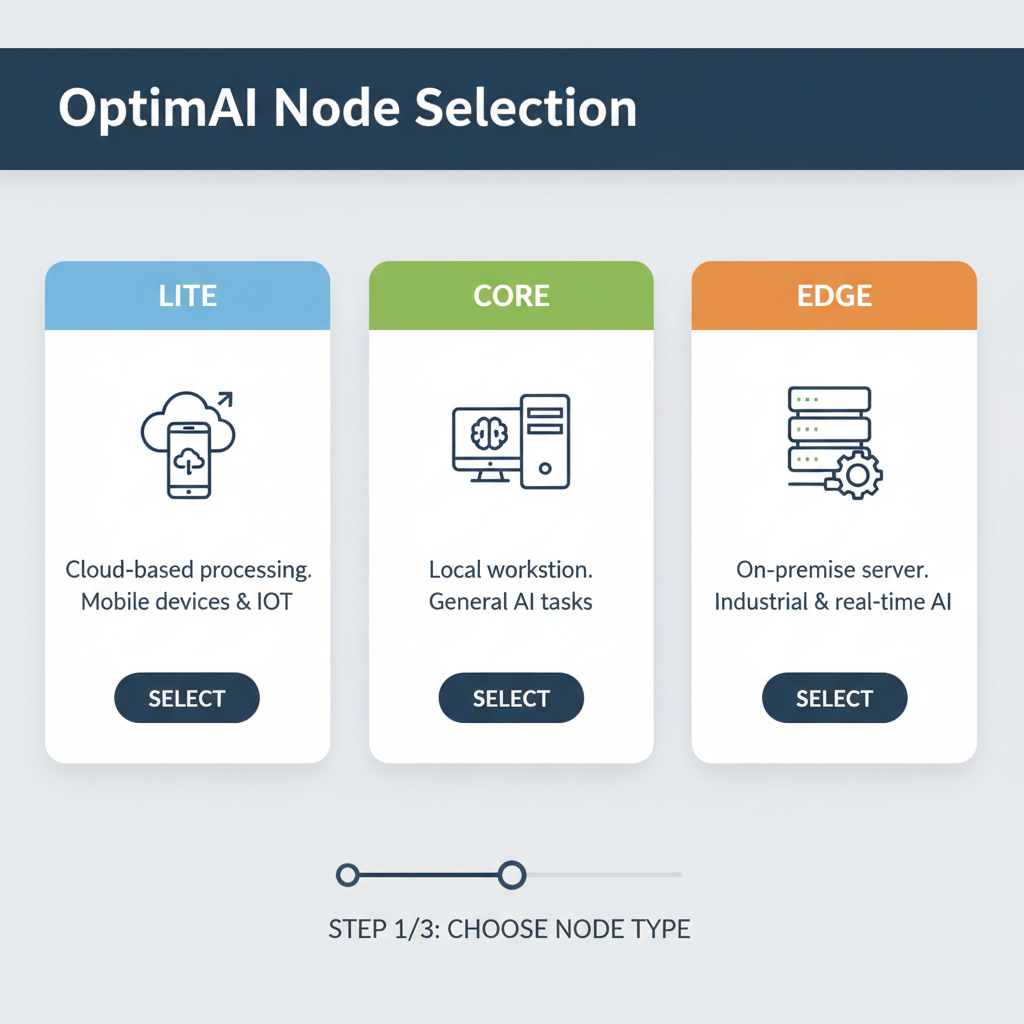
- Lite Node: Browser extension for idle bandwidth and lightweight data mining. Setup: Easy Chrome install. Rewards: Entry-level OPI tokens for simple tasks.
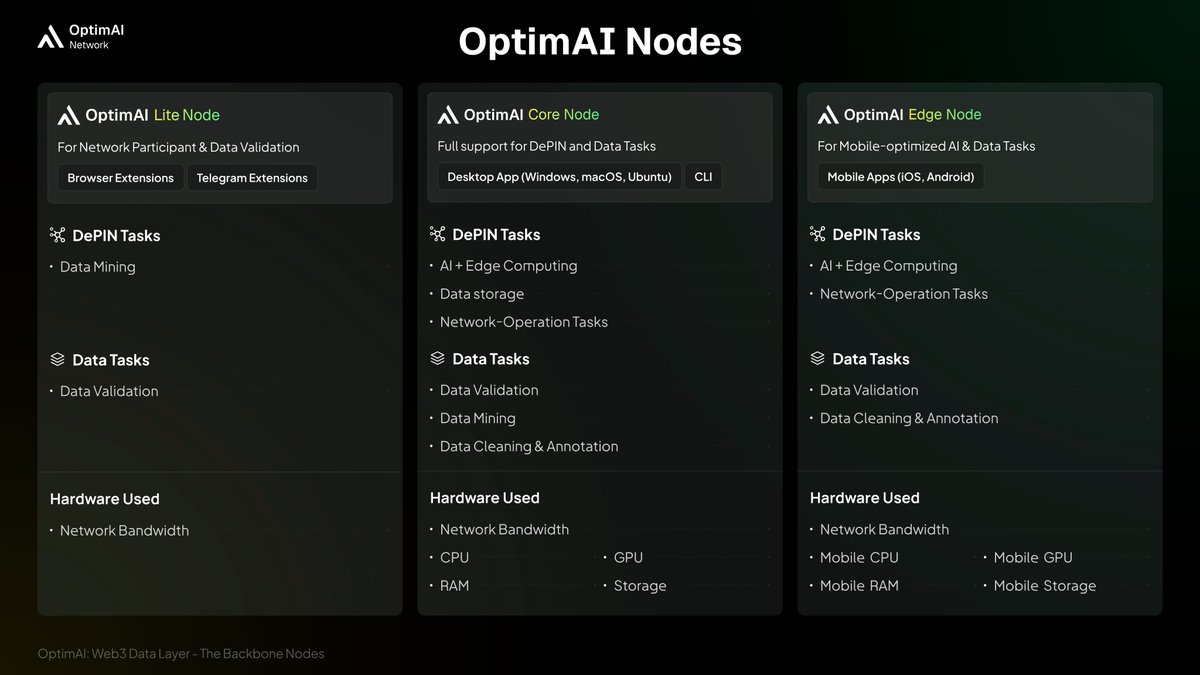
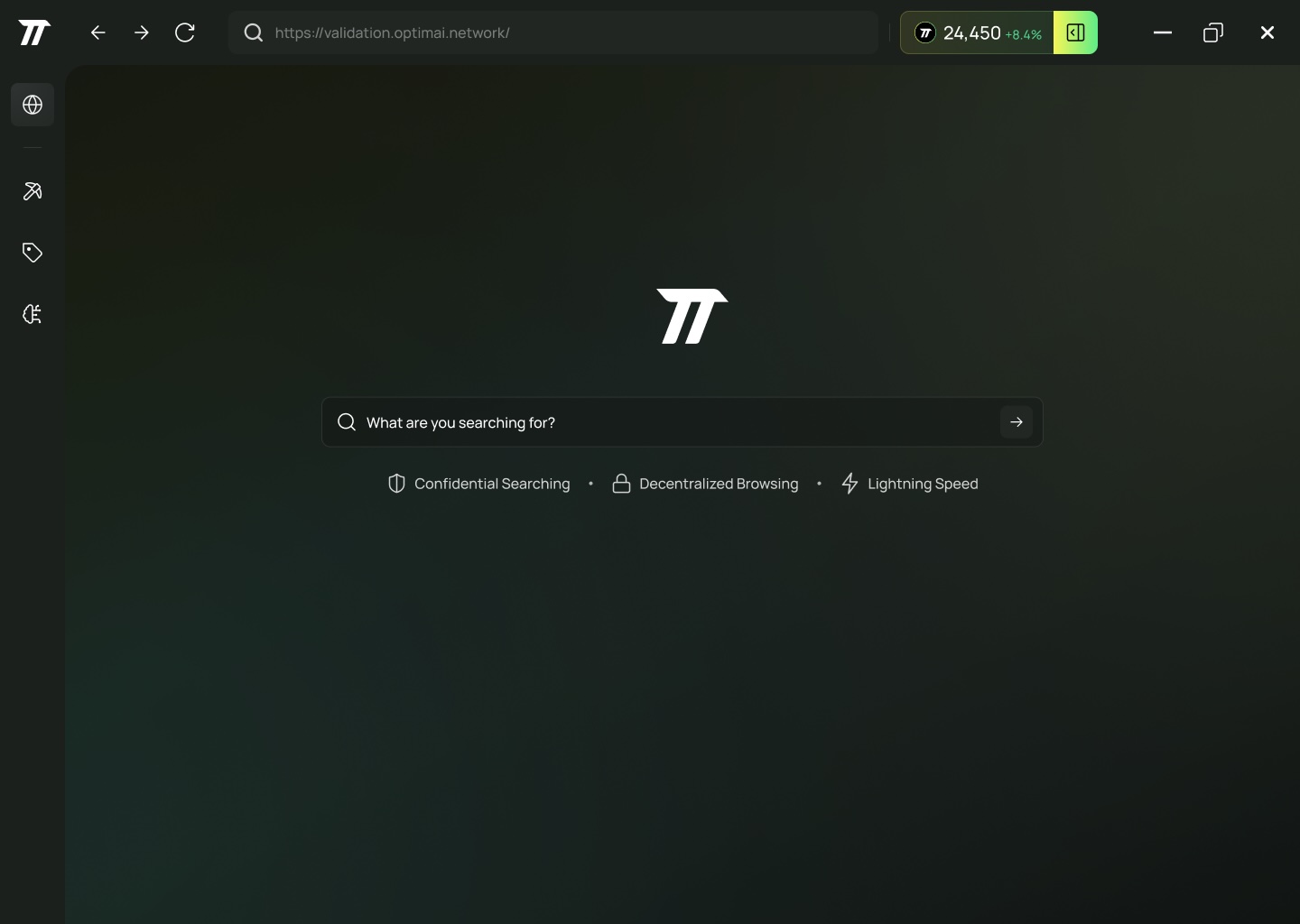
- Core Node: Desktop app with full CPU/GPU/memory/storage DePIN support. Setup: Download desktop app. Rewards: Higher OPI for intensive compute tasks.
- Edge Node: Mobile app for real-time data capture. Setup: Install Android app from Google Play. Rewards: OPI for on-the-go contributions. Learn more
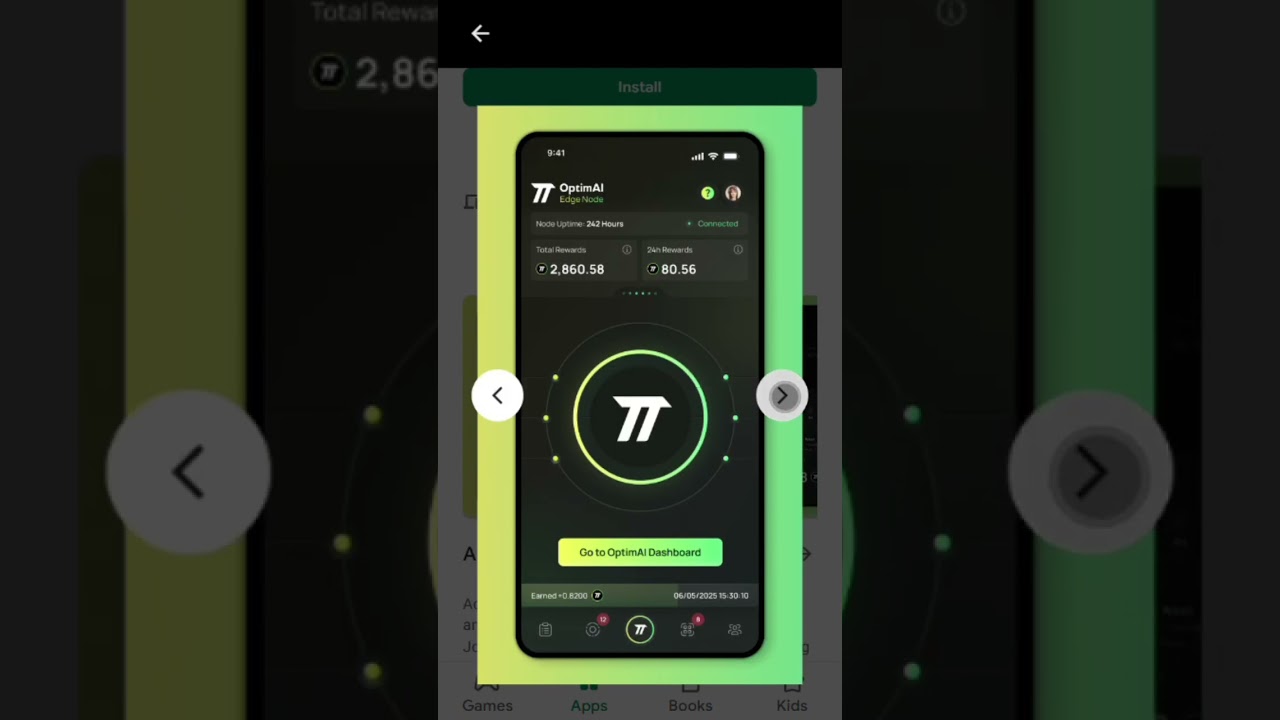
Lite nodes suit casual users, running via Chrome extensions to mine data passively. Expect steady, low-effort OPI drips from bandwidth contributions. Core nodes demand more: desktop setups leverage hardware for validation and compute, yielding higher rewards proportional to uptime and task complexity. Edge nodes, via Android apps, excel in mobile data capture, ideal for on-the-go earners tapping unused phone resources.
Setup is straightforward across platforms, lowering barriers in the DePIN AI compute nodes space. Download, connect a wallet, and contribute; no PhD required. This accessibility drives the 930,000-node milestone, signaling robust grassroots adoption. Strategically, diversify across node types to hedge resource risks and maximize yields.
Reward Mechanics Powering Node Incentives
OPI rewards mirror contribution value: simple tasks pay modestly, while GPU-heavy validations command premiums. The system factors uptime, data quality, and network demand, creating actionable incentives. Referral campaigns amplify earnings, turning operators into evangelists.
From a trader's lens, OptimAI's model correlates with DePIN adoption trends. Higher node density enhances token utility, potentially driving OPI appreciation amid AI hype. Run OptimAI node rewards strategically: prioritize Core nodes during peak demand, layer Lite for baseline income. This hybrid approach mirrors portfolio diversification, capturing upside in decentralized AI reinforcement data.
Global node growth to 930,000 underscores this momentum, with denser meshes yielding superior data for AI agents navigating crypto's cross-market ripples. My analysis of DePIN trends spots OptimAI as a frontrunner: its reinforcement focus aligns with rising demand for adaptive models in trading bots and predictive analytics.
Launch Your OptimAI Node: Maximize OPI Rewards Now
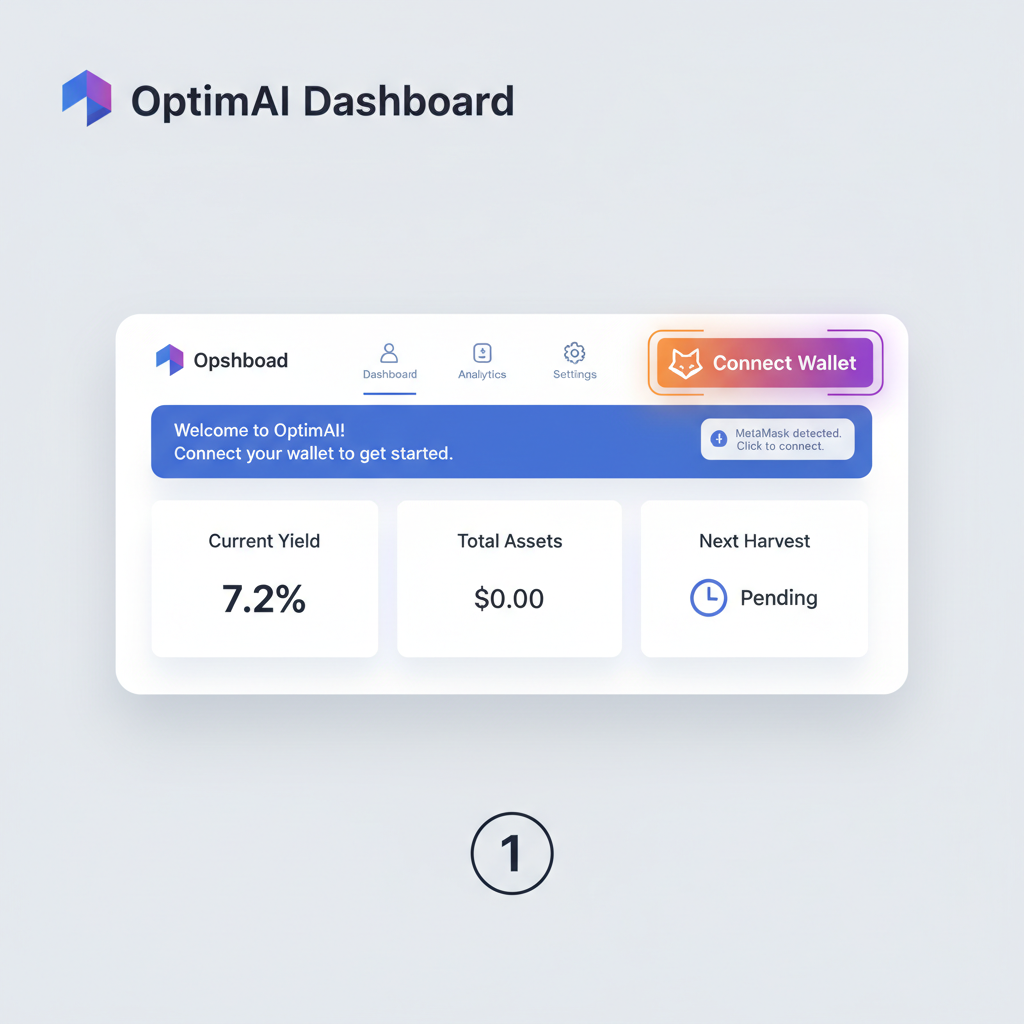
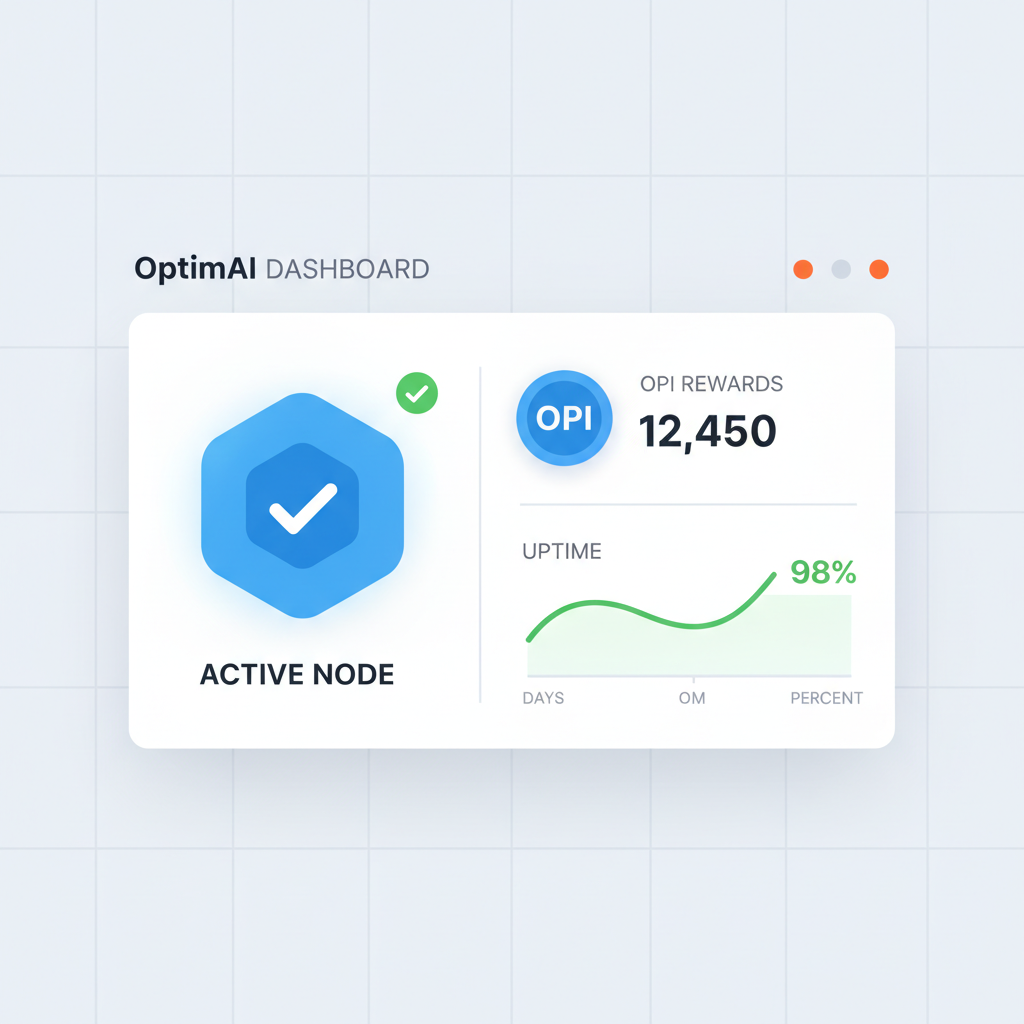
Once live, monitor your dashboard for real-time metrics. Uptime above 95% unlocks bonus multipliers, while data quality scores from validations push yields higher. I've advised traders to treat nodes like positions: scale in during low competition, harvest rewards amid hype cycles. This tactical layering turns OptimAI Network nodes into a DePIN staple.
Edge nodes shine for mobile warriors, capturing geo-specific data that enriches the mesh. Pair them with Core setups for balanced exposure, much like hedging forex pairs against equity swings. Referral tiers add exponential upside; one viral chain can double outputs without extra hardware.
Node Comparison: Match Type to Your Setup
Comparison of OptimAI Node Types
| Node Type | Requirements | Tasks | Est. Daily Rewards (OPI) | Best For |
|---|---|---|---|---|
| Lite 🌐 | Browser extension, Low bandwidth | Lightweight data mining | Low-moderate | Casual users |
| Core 💻 | Desktop app, CPU/GPU/Storage | Validation & compute | High | Power users |
| Edge 📱 | Mobile app, Phone resources | Real-time data capture | Moderate | On-the-go |
This breakdown reveals why diversification pays. Lite nodes baseline your portfolio at minimal risk, while Core dives into high-reward validations. In my cross-market scans, projects ignoring accessibility flop; OptimAI nails it, fueling grassroots scale across 179 countries.
Deeper into the mechanics, community validation prevents sybil attacks, ensuring only quality data reinforces AI. This tamper-resistant layer appeals to institutional eyes scanning DePIN AI compute nodes. As adoption swells, expect governance votes on reward pools, letting node runners shape protocol evolution.
From a macro view, OptimAI slots into the L2 AI data mesh DePIN surge. Reinforcement data trumps static datasets, training agents that pivot on live signals, like BTC breakouts or yen interventions. Operators gain dual alpha: steady OPI flows plus token uplift from network lock-in.
Challenges persist, sure; bandwidth volatility or GPU queues test resolve. Yet, the 930,000-node army proves resilience. Stack nodes smartly, track demand via dashboards, and ride the decentralized AI reinforcement data wave. In volatile markets, this setup delivers the details that define edges.




No comments yet. Be the first to share your thoughts!