In the midst of a persistent global GPU shortage fueling the AI boom, decentralized physical infrastructure networks (DePIN) like Render and Akash present a pragmatic avenue for individuals to monetize idle hardware. With Render's RNDR token trading at $1.87 after a 24-hour dip of -6.50%, the sector's volatility underscores the need for cautious participation. Yet, for those with compatible GPUs, sharing compute power can generate passive rewards in crypto tokens, offsetting electricity costs and potentially yielding hundreds monthly amid rising demand from AI developers.
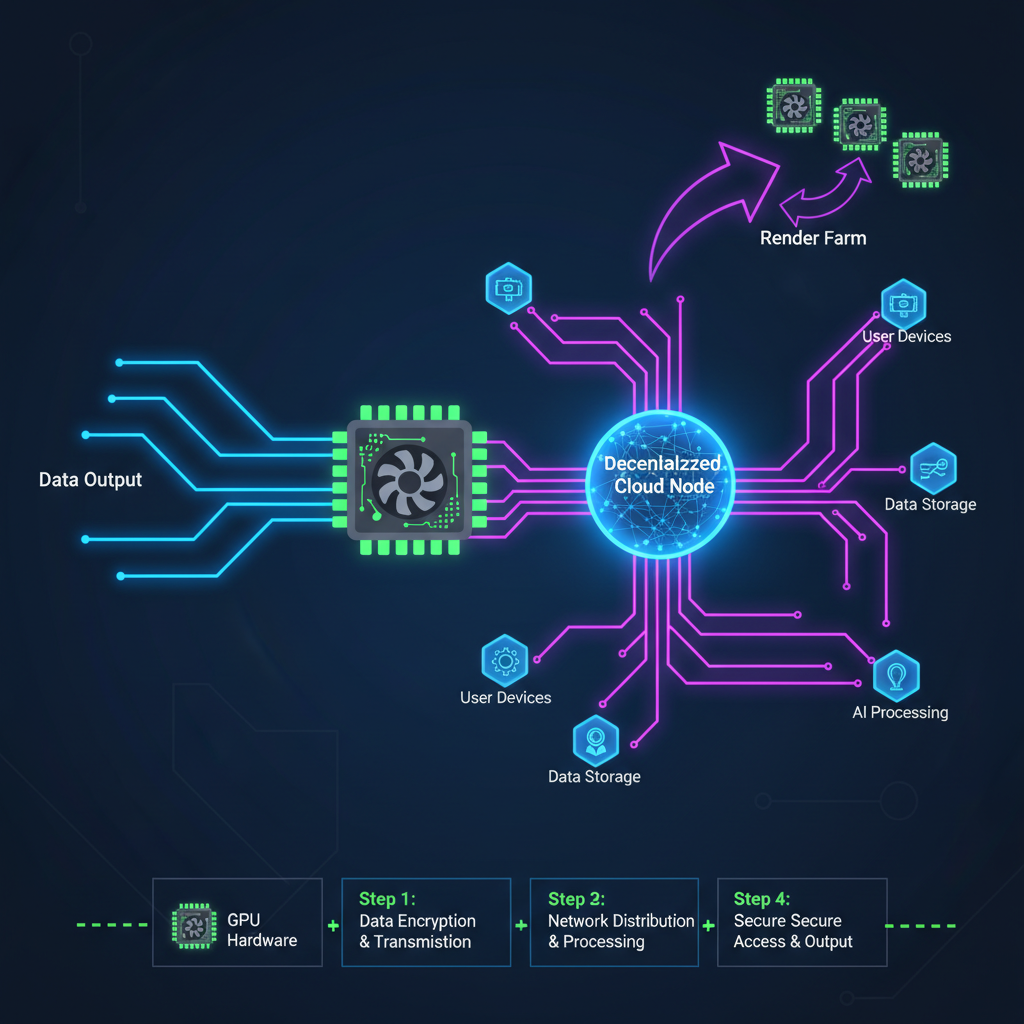
DePIN AI compute networks aggregate distributed GPUs into peer-to-peer marketplaces, bypassing centralized cloud giants. Platforms such as Render specialize in rendering and AI tasks, while Akash offers general-purpose cloud leasing. Recent data highlights Render's effectiveness, with node operators earning rewards like 21,250 RNDR in a single payout. io. net complements this by focusing on hourly rewards for unused GPUs, even when idle, appealing to risk-averse providers seeking steady drips over lump sums.
Assessing Viability Before Committing Hardware
Before diving into DePIN GPU sharing rewards, evaluate your setup rigorously. High-end cards like RTX 3080 or better command premiums, but electricity at $20-$200 monthly can erode margins if utilization stays below 50%. RNDR's current $1.87 price amplifies this calculus; a 6.50% daily swing means rewards fluctuate wildly. Akash providers face similar hurdles, requiring Kubernetes savvy and 100 and Mbps internet for competitiveness. I advise modeling break-even points: for a mid-tier GPU, aim for $100 and monthly net after costs, factoring in bid fees of 0.005 AKT.
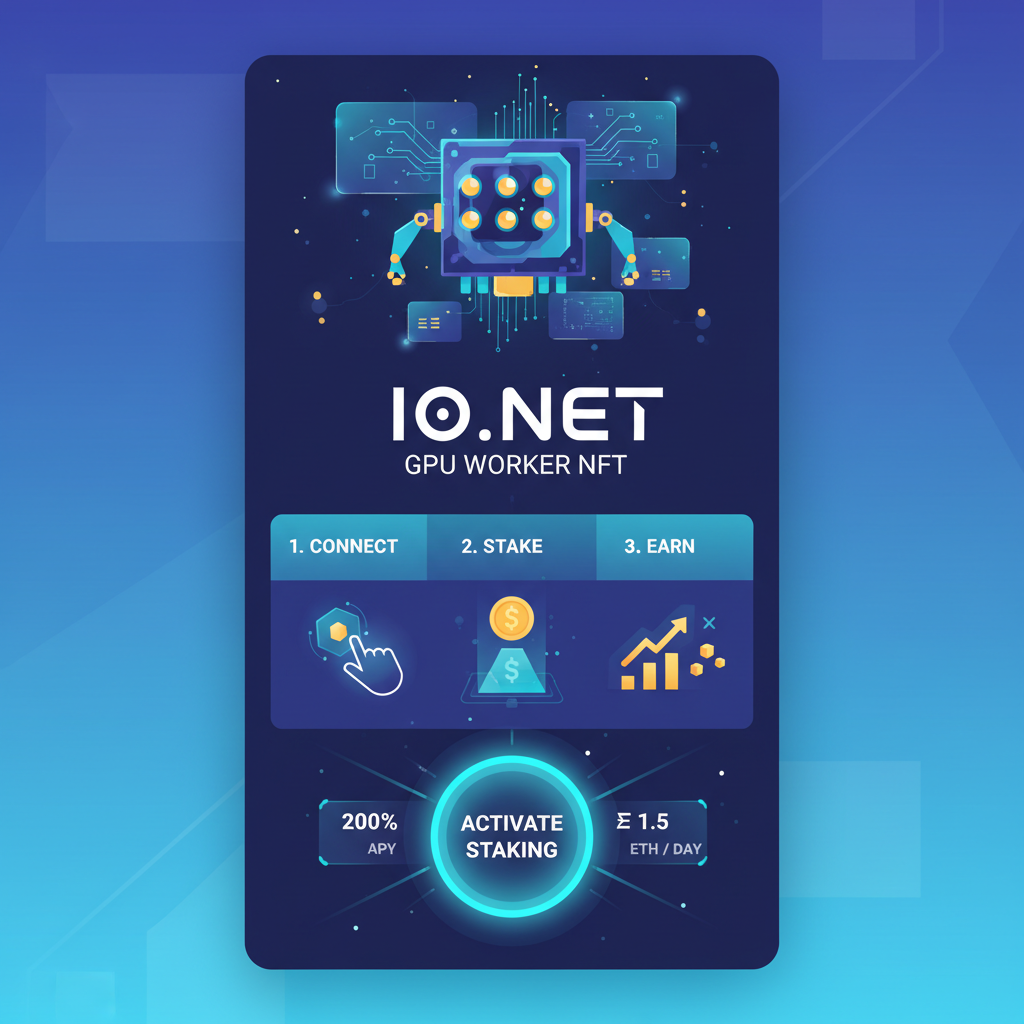
Market dynamics favor persistence. DePIN scans show io. net's GPU worker NFTs simplifying entry, letting users own fractional physical devices without full hardware management. Still, decentralized AI compute nodes demand 99% uptime; downtime slashes earnings. Cross-reference active provider explorers to gauge saturation - oversupplied regions yield peanuts.
Render (RNDR) Price Prediction 2027-2032
Forecasts based on DePIN AI growth, GPU compute demand, market cycles, and adoption trends from current price of $1.87
| Year | Minimum Price (USD) | Average Price (USD) | Maximum Price (USD) |
|---|---|---|---|
| 2027 | $2.20 | $4.50 | $7.80 |
| 2028 | $3.00 | $6.50 | $12.00 |
| 2029 | $4.20 | $9.20 | $17.50 |
| 2030 | $5.80 | $12.80 | $24.00 |
| 2031 | $8.00 | $17.50 | $32.00 |
| 2032 | $10.50 | $22.00 | $38.00 |
Price Prediction Summary
RNDR is positioned for strong long-term growth amid the AI-driven DePIN boom and GPU shortages. Average prices are projected to rise progressively from $4.50 in 2027 to $22.00 in 2032, with maximum potentials reaching $38.00 in bullish scenarios fueled by network adoption and market cycles. Minimums reflect bearish risks like competition and regulation, ensuring realistic ranges.
Key Factors Affecting Render Price
- Explosive demand for decentralized GPU compute in AI, rendering, and ML via Render Network
- Global GPU shortages amplifying DePIN utility (Render, io.net, Akash)
- Crypto market cycles with potential 2028 BTC halving bull run boosting altcoins
- Technological upgrades in Render Network for scalability and efficiency
- Regulatory developments favoring DePIN infrastructure
- Competition from io.net, Akash, and emerging GPU networks capping upside
- Market cap expansion potential from $1B to $10B+ with mainstream adoption
- Passive income trends increasing token utility and holder base
Disclaimer: Cryptocurrency price predictions are speculative and based on current market analysis. Actual prices may vary significantly due to market volatility, regulatory changes, and other factors. Always do your own research before making investment decisions.
Render Network Node Setup: From Interest Form to Rewards
Render's onboarding targets both individuals and data centers, emphasizing Render network node setup for 3D rendering and AI workloads. Start with the GPU Interest Form via the Render Foundation; it's live and straightforward for compute client nodes. Expect verification before activation, ensuring only reliable operators join. For scale, data centers with 25 and GPUs or H100s qualify separately, unlocking larger task allotments.
Once live, earnings accrue in RNDR at the prevailing $1.87 rate. Historical payouts like 21,250 RNDR illustrate potential, but expect variability tied to network demand. Cautiously, monitor for over-reliance on volatile tokens; diversify across platforms if possible. Pro tip: Optimize GPU profiles for AI-specific tasks, where shortages drive 60% higher GPU-hour rates observed in peer networks.
Akash Network: Technical Path to AKT Rewards
Akash broadens appeal as a decentralized cloud marketplace, rewarding Akash AI compute rewards for GPU leasing. Providers need Linux admin skills, Kubernetes basics, and spare capacity with static IPs. Initial escrow of 0.5 AKT per lease (recommend 5 AKT buffer) covers bids at 0.005 AKT each. Setup spans 15 minutes via Provider Console to 2 hours with Kubespray, followed by 2-4 hours weekly maintenance.
Revenue shines for GPUs: $100-$1,000 and monthly in high demand, dwarfing CPU's $10-$100. Use Akash's Earn Calculator to project based on your specs, but temper optimism - electricity and internet ($50-$100/month) bite. Discord's #providers channel offers real-user insights; browse active leases to benchmark. This setup suits tinkerers comfortable with command-line tweaks, transforming hobby rigs into earn crypto GPU DePIN assets.
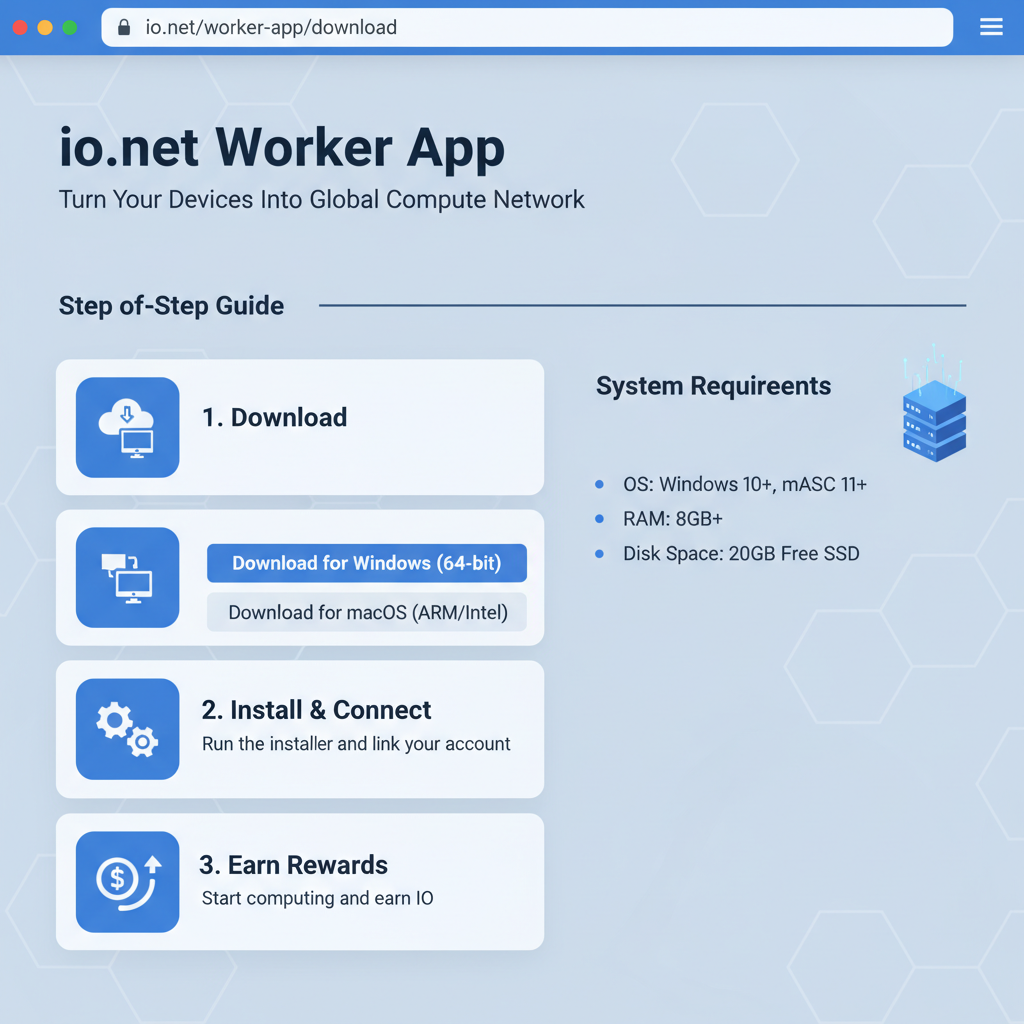
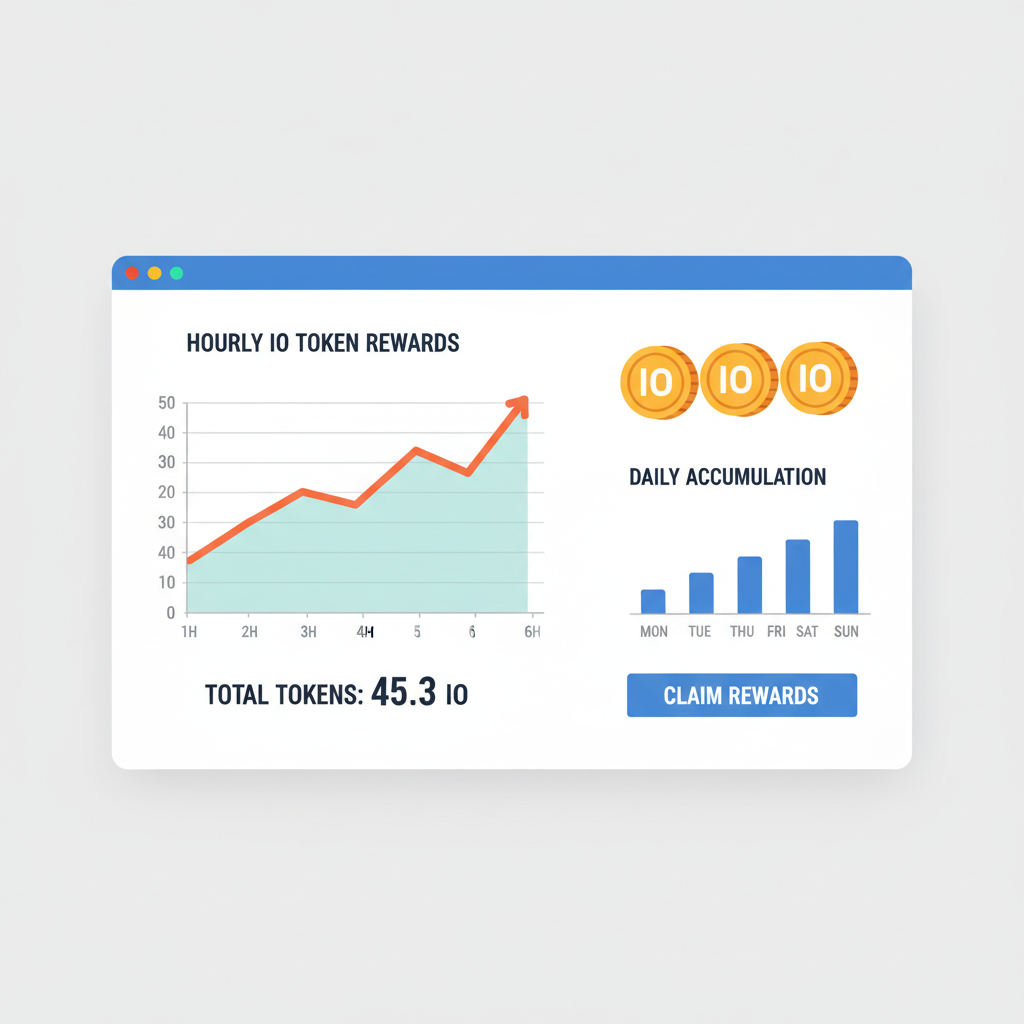
io. net emerges as a compelling alternative in the io. net GPU earning guide landscape, tackling the GPU shortage head-on by aggregating distributed resources for AI builders. Unlike Render's task-specific focus, io. net pays hourly rewards for unused GPUs, even during idle periods, reducing the sting of low utilization. Staking $IO tokens bolsters network security and yields additional returns, while the new GPU worker NFT lets users claim fractional ownership of physical hardware - a clever workaround for those short on rigs. This model suits casual participants wary of Akash's technical steep curve.
Step-by-Step: Earning Passive GPU Rewards on io.net
Emerging Contenders: Salad and Golem for Low-Barrier Entry
Salad. io lowers the barrier dramatically, turning gaming PCs into earners without blockchain headaches. Idle overnight, an RTX 3080 pulls up to $35 monthly in crypto or gift cards, ideal for DePIN GPU sharing rewards sans setup drudgery. Golem Network mirrors this with GLM token payouts for AI training or rendering; 2025 saw average GPU-hour rates jump 60% as Web3 demand surged. Both prioritize simplicity - install app, set limits, collect - but cap upside compared to Render's 21,250 RNDR hauls.
These platforms diversify decentralized AI compute nodes options, yet scrutiny reveals patterns: consumer GPUs thrive in high-demand niches, but profitability hinges on electricity arbitrage. At RNDR's $1.87, equivalent rewards demand vigilant cost tracking; a -6.50% dip erodes stacks overnight.
DePIN Platforms Comparison for RTX 3080 GPU Sharing
| Platform | Token | Setup Time | Monthly Earnings (RTX 3080) | Tech Req. |
|---|---|---|---|---|
| Render | RNDR ($1.87) | 1-2 hrs | $100-500 | Medium |
| Akash | AKT | 15min-2hrs | $100-1000 | High |
| io.net | IO | 30min | $50-200 (hourly basis) | Low |
| Salad | Balance | 5min | $35 (idle) | None |
| Golem | GLM | 10min | $40-60 | Low |
Risk Management: Navigating Volatility and Downtime
Volatility bites hardest in DePIN; RNDR's 24-hour -6.50% swing to $1.87 mirrors sector tremors, where GPU hype meets token dumps. Operational risks compound this: 99% uptime mandates robust cooling and power backups, lest penalties slash earnings. I've seen operators burn through $200 monthly power only to net $50 amid oversupply. Hedge by stacking platforms - Render for bursts, io. net for baselines - and cap exposure at 20% of portfolio.
Regulatory shadows loom too; as DePIN scales, taxman eyes crypto rewards as income. Track meticulously, and consider stablecoin conversions post-earn. My FRM lens insists on stress-testing: simulate 50% token drops alongside 20% utilization slumps. True opportunity lies in managed exposure, not all-in bets.

Providers who thrive treat this as a side hustle, not retirement plan. Benchmark against centralized alternatives like Vast. ai, where spot GPU rentals hit $1/hour, but DePIN's censorship resistance and community governance add intangible premiums.
Ultimately, sharing GPU compute in DePIN networks like these transforms latent assets into resilient income streams. With AI's insatiable hunger and Render holding at $1.87, early movers positioning across Render, Akash, and io. net stand to capture outsized yields - provided they master the risks. Monitor dashboards religiously, iterate setups quarterly, and let disciplined participation turn hardware hums into portfolio hums.

No comments yet. Be the first to share your thoughts!