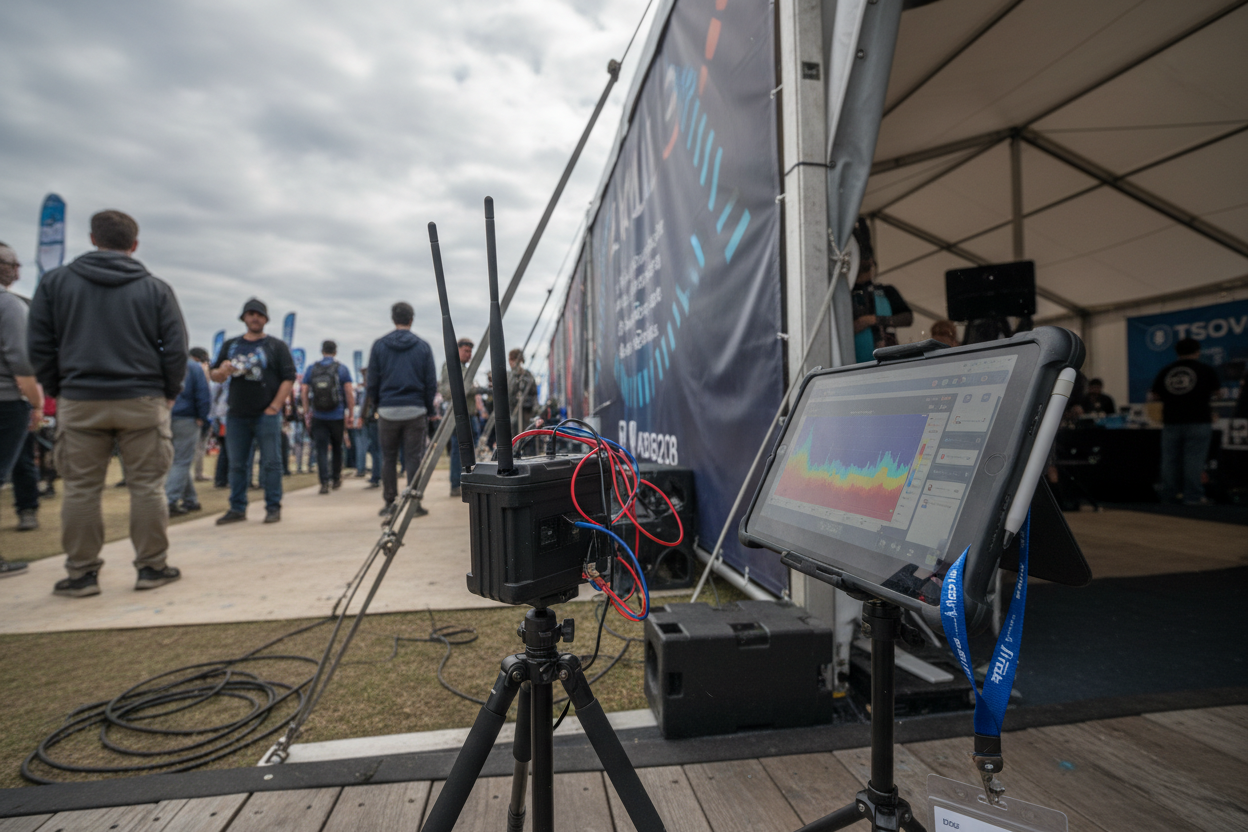
In the surging world of decentralized AI compute, where GPUs scattered across the globe power the next wave of machine learning models, reliability isn't just a nice-to-have; it's the unbreakable backbone. Enter DePIN proof-of-coverage for AI networks, a mechanism borrowed from wireless pioneers like Helium but supercharged for verifying compute resources. Unlike telecom's focus on signal strength, here it ensures that distributed hardware delivers genuine, high-performance cycles for AI workloads, sidestepping the pitfalls of centralized clouds.
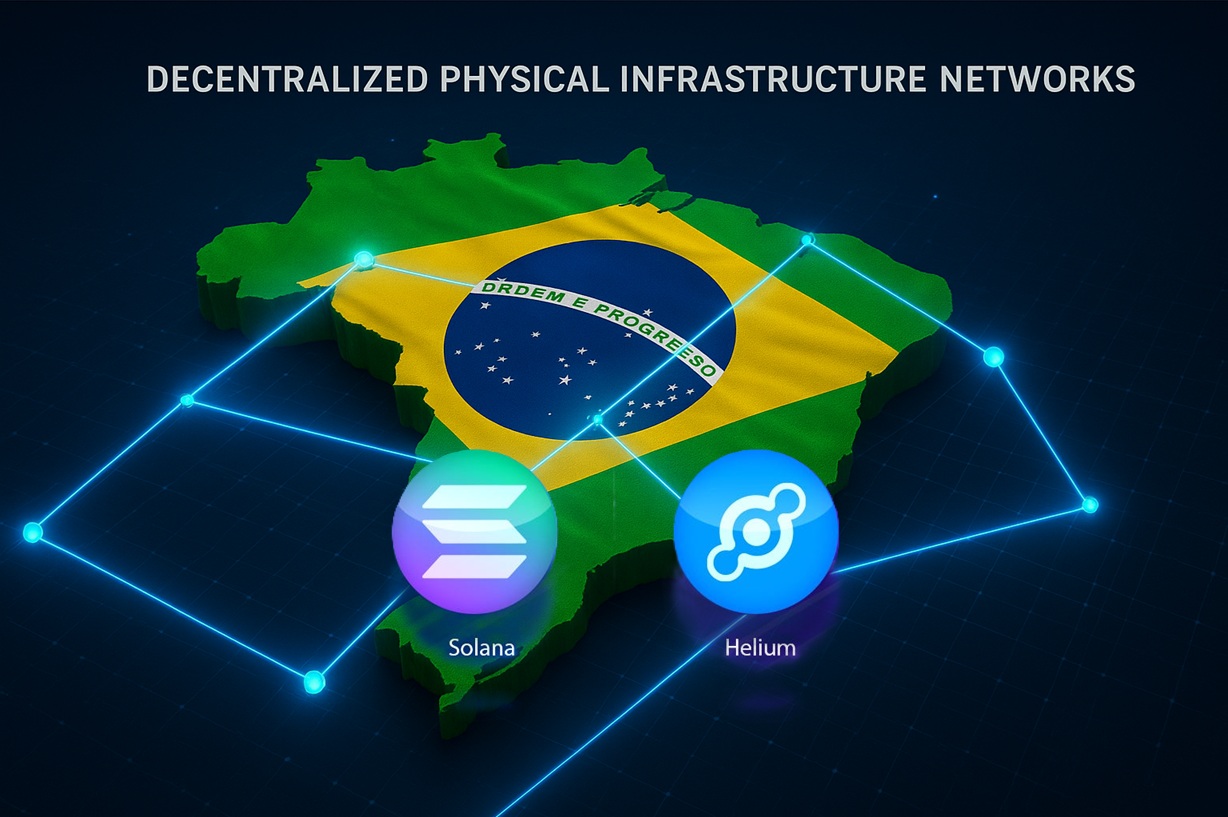
Helium's HNT token, trading at $0.9496 after a 24-hour dip of -0.0338%, underscores the maturing DePIN ecosystem. This price reflects investor confidence in networks expanding beyond hotspots into compute-heavy AI infrastructure. Proof-of-coverage, or PoC, originally validated wireless coverage by challenging nodes to prove location and signal quality via blockchain challenges. Now, in decentralized AI compute verification, it's adapting to confirm GPU uptime, bandwidth, and computational fidelity without trusting a single oracle.
From Hotspots to Hyper-Scale AI: DePIN's Strategic Pivot
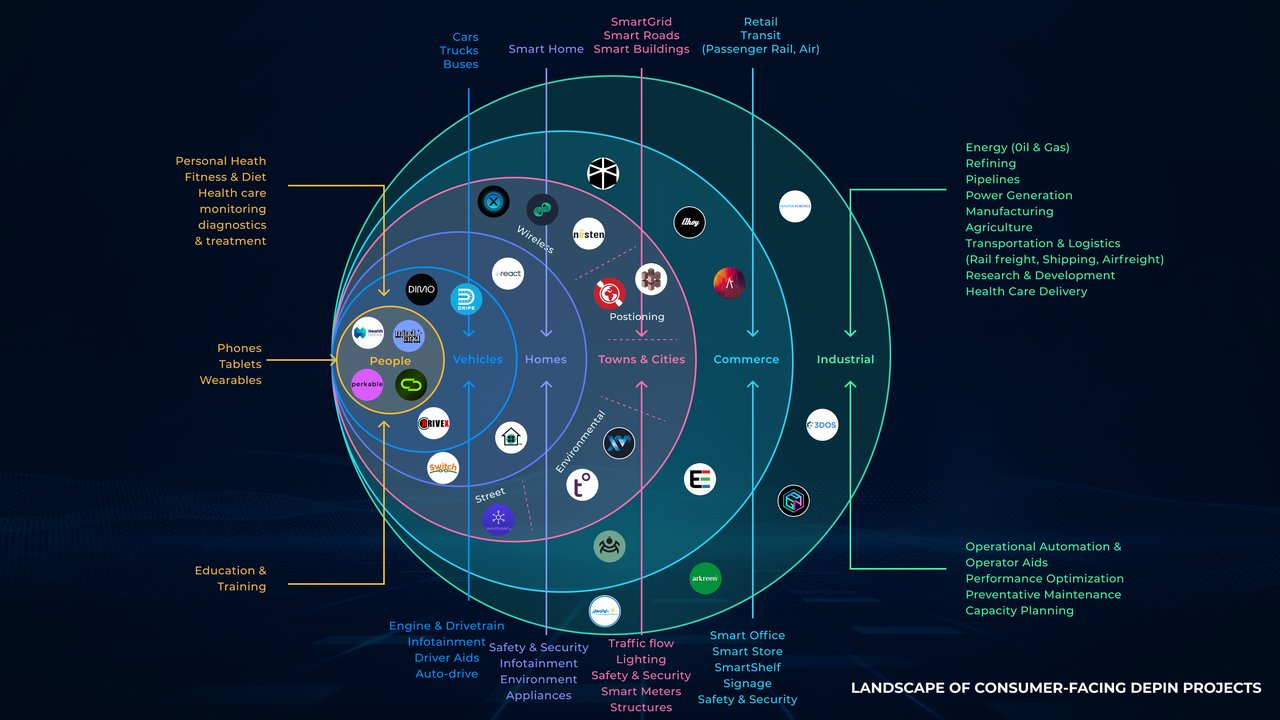
DePIN started with physical networks like Helium's decentralized wireless, where anyone could deploy a hotspot and earn HNT for proven coverage. Fast forward to today, and projects like Render Network and Akash are flipping the script for AI. Render connects idle GPUs worldwide for rendering tasks, while Akash acts as a permissionless cloud marketplace. But what ties them to reliable AI compute? PoC DePIN networks evolve the concept: nodes don't just broadcast signals; they prove they can handle tensor operations, data throughput, and model inference at scale.
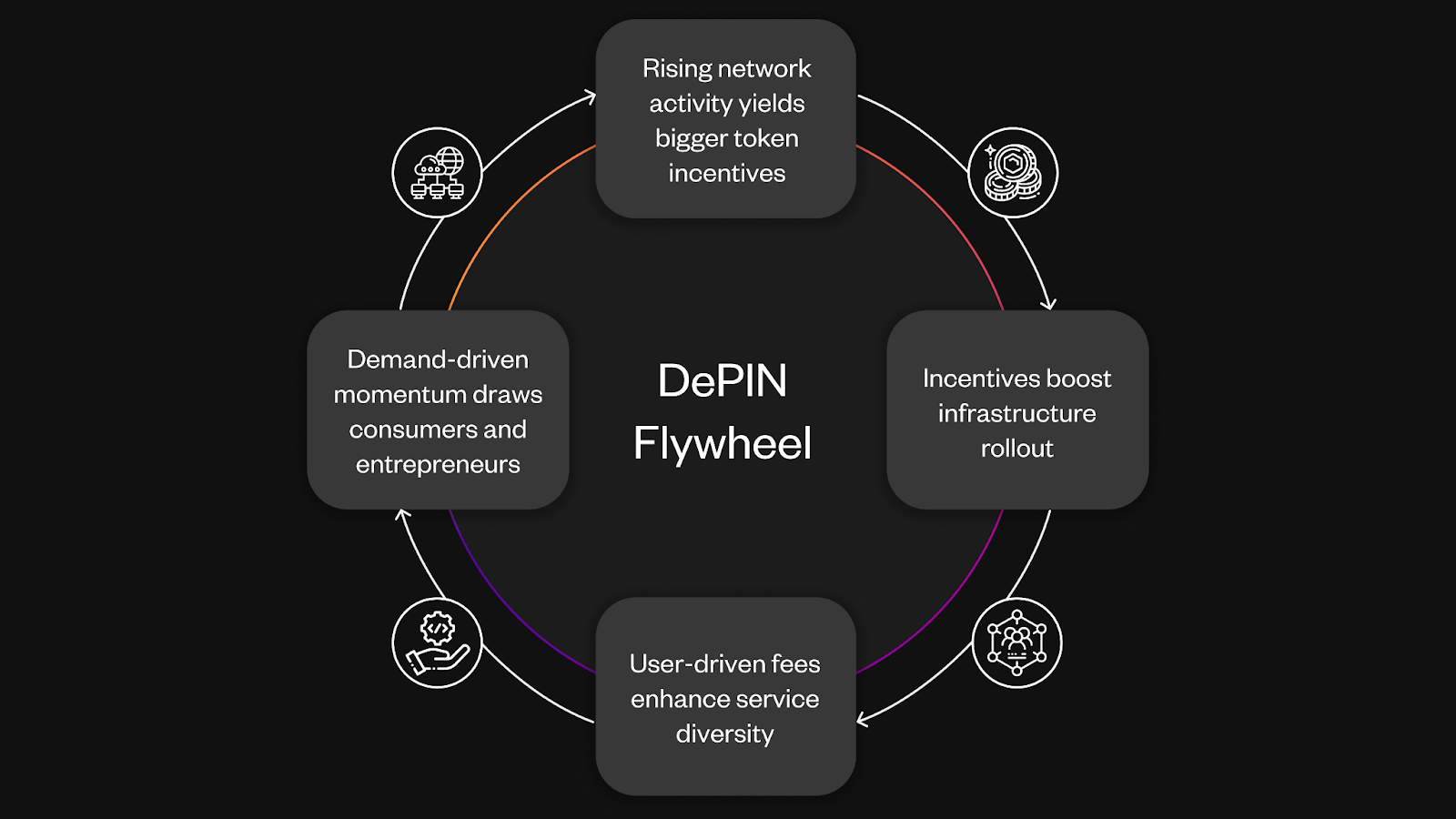
Strategically, this pivot makes sense. Centralized providers like AWS charge premiums for AI accelerators, often leaving developers waiting in queues. DePIN flips that by incentivizing underutilized data centers and gamers to contribute GPUs, verified through cryptographic challenges. Imagine a farmer in Iowa or a miner in Siberia proving their rig's AI GPU coverage proof via zero-knowledge proofs, earning tokens without revealing proprietary workloads. It's trustless, borderless, and brutally efficient.
DePIN-based compute networks enable participants and data centers to contribute unused GPUs for various AI tasks, as noted in recent analyses.
Decoding Proof-of-Coverage: Cryptographic Heart of Trustless DePIN Compute
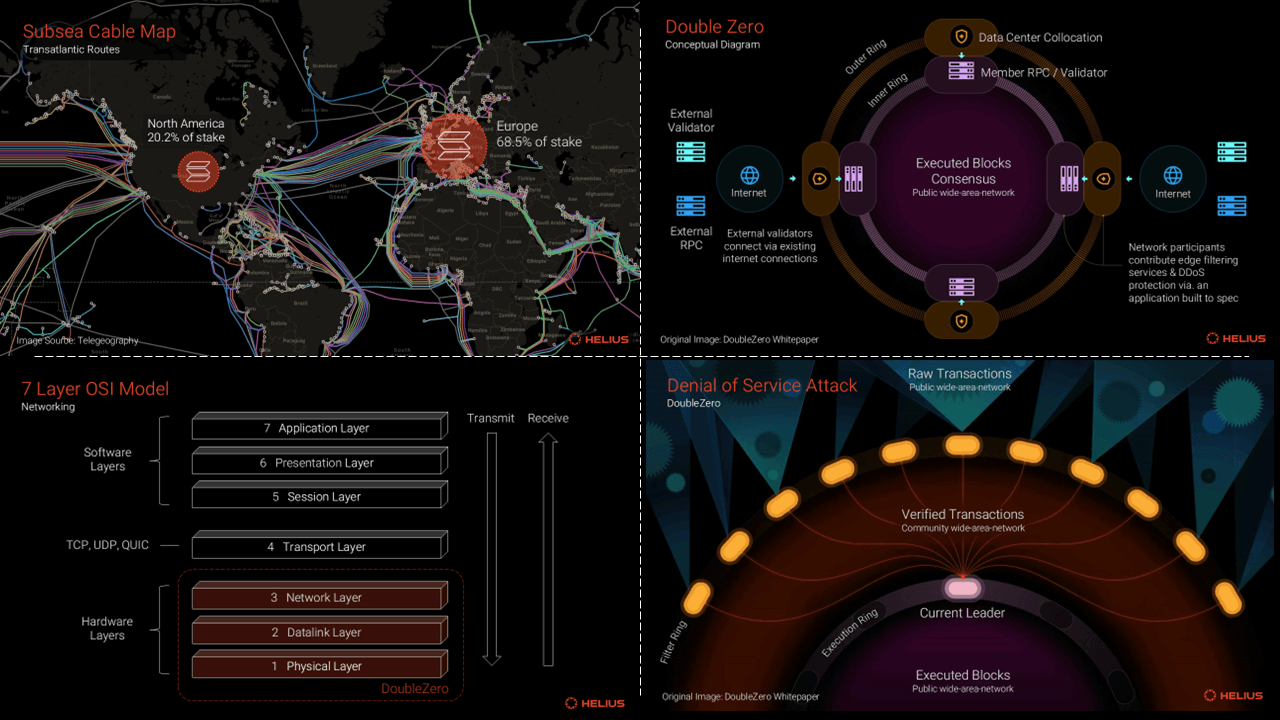
At its core, proof-of-coverage in DePIN AI works through multi-step cryptographic handshakes. A challenger node broadcasts a compute task, say, a matrix multiplication benchmark. Witness nodes nearby validate the response's timeliness, accuracy, and resource signatures. Helium's original PoC used radio transmissions; AI variants employ proof-of-compute protocols, akin to Filecoin's replication proofs but tuned for floating-point precision and latency.
Take a typical flow: Node A pledges GPU resources. Network selects challengers randomly. Challengers send randomized AI inference payloads, encrypted for privacy. Node A responds within a time-bound slot, signing with hardware attestations. Witnesses score the proof on metrics like FLOPS delivered, error rates under 0.01%, and sustained uptime. Blockchain tallies scores, minting rewards only for top performers. This weeds out sybils and low-quality hardware, ensuring trustless DePIN compute that rivals hyperscalers.
Opinion: This isn't hype; it's a macro shift. With HNT at $0.9496, down slightly from its 24-hour high of $0.9828, the market's pricing in growing pains. Yet, as AI demand explodes, PoC's rigor positions DePIN as the anti-fragile alternative to Big Tech monopolies.
Verification Layers: Beyond Basic PoC for AI Resilience
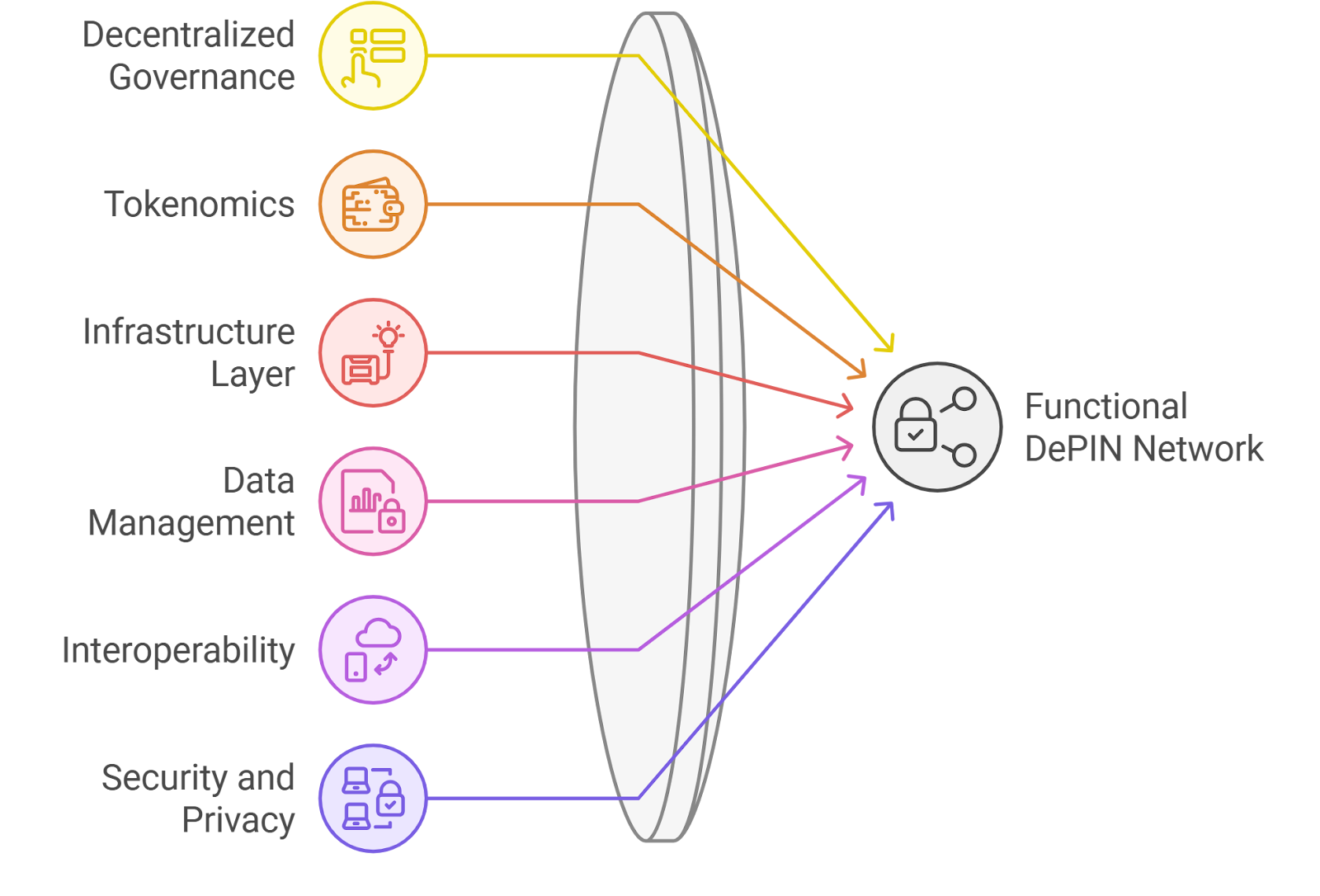
PoC alone isn't enough for AI's voracious needs. Layered mechanisms amplify it. Zero-knowledge proofs (ZKPs) let nodes attest compute without exposing data, vital for proprietary models. Proof-of-location ensures geographic diversity, preventing latency spikes from clustered nodes. Uptime proofs via periodic heartbeats confirm 99.9% availability, crucial for training jobs spanning days.
In practice, Akash deploys Kubernetes-style deployments across verified providers, using PoC-like oracles for bidding. Render's OTOY engine distributes frames only to proven GPUs, slashing render times by 70% in benchmarks. Helium's expansion into 5G hints at hybrid networks where coverage proofs underpin mobile edge AI, processing sensor data on-device before cloud offload.
Helium (HNT) Price Prediction 2027-2032
Forecasts driven by DePIN Proof-of-Coverage advancements and AI compute network growth from current 2026 price of $0.9496
| Year | Minimum Price ($) | Average Price ($) | Maximum Price ($) | YoY % Change (Avg from Prev) |
|---|---|---|---|---|
| 2027 | $1.80 | $3.50 | $6.50 | +268% |
| 2028 | $2.80 | $5.50 | $10.50 | +57% |
| 2029 | $4.20 | $8.50 | $16.00 | +55% |
| 2030 | $6.00 | $12.00 | $23.00 | +41% |
| 2031 | $8.50 | $17.00 | $32.00 | +42% |
| 2032 | $12.00 | $24.00 | $45.00 | +41% |
Price Prediction Summary
Helium (HNT) is positioned for strong growth amid DePIN's role in AI compute networks, with average prices projected to rise from $3.50 in 2027 to $24 by 2032—a 25x increase from current levels—driven by adoption, tech upgrades, and market cycles, though min/max reflect bearish/bullish scenarios.
Key Factors Affecting Helium Price
- DePIN sector expansion into AI compute and 5G infrastructure
- Proof-of-Coverage verification enhancing network reliability
- Token incentives boosting node participation and utility
- Crypto market cycles, including 2028 BTC halving effects
- Regulatory clarity on decentralized physical networks
- Technology improvements and real-world use cases beyond telecom
- Competition from RNDR, AKT, and broader DePIN ecosystem
Disclaimer: Cryptocurrency price predictions are speculative and based on current market analysis. Actual prices may vary significantly due to market volatility, regulatory changes, and other factors. Always do your own research before making investment decisions.
These layers create a moat: attackers faking coverage face slashing penalties, while honest nodes compound rewards. For investors eyeing AI infrastructure, this is where alpha hides; not in flashy L1s, but in the verifiable pipes powering tomorrow's models.
Layering these verifications transforms DePIN from a novel experiment into a production-grade powerhouse for AI. Consider the economics: a verified GPU on Akash might lease for 30-50% less than AWS equivalents, with PoC ensuring no downtime surprises mid-training. Providers stake tokens as collateral, slashed for failures, aligning incentives razor-sharp. This isn't theoretical; Render's network has powered Hollywood VFX, proving PoC DePIN networks scale under real pressure.
Step-by-Step: Deploying Proof-of-Coverage in Your AI DePIN Node
Launch Your DePIN AI Node: From Hardware to HNT Rewards with Proof-of-Coverage
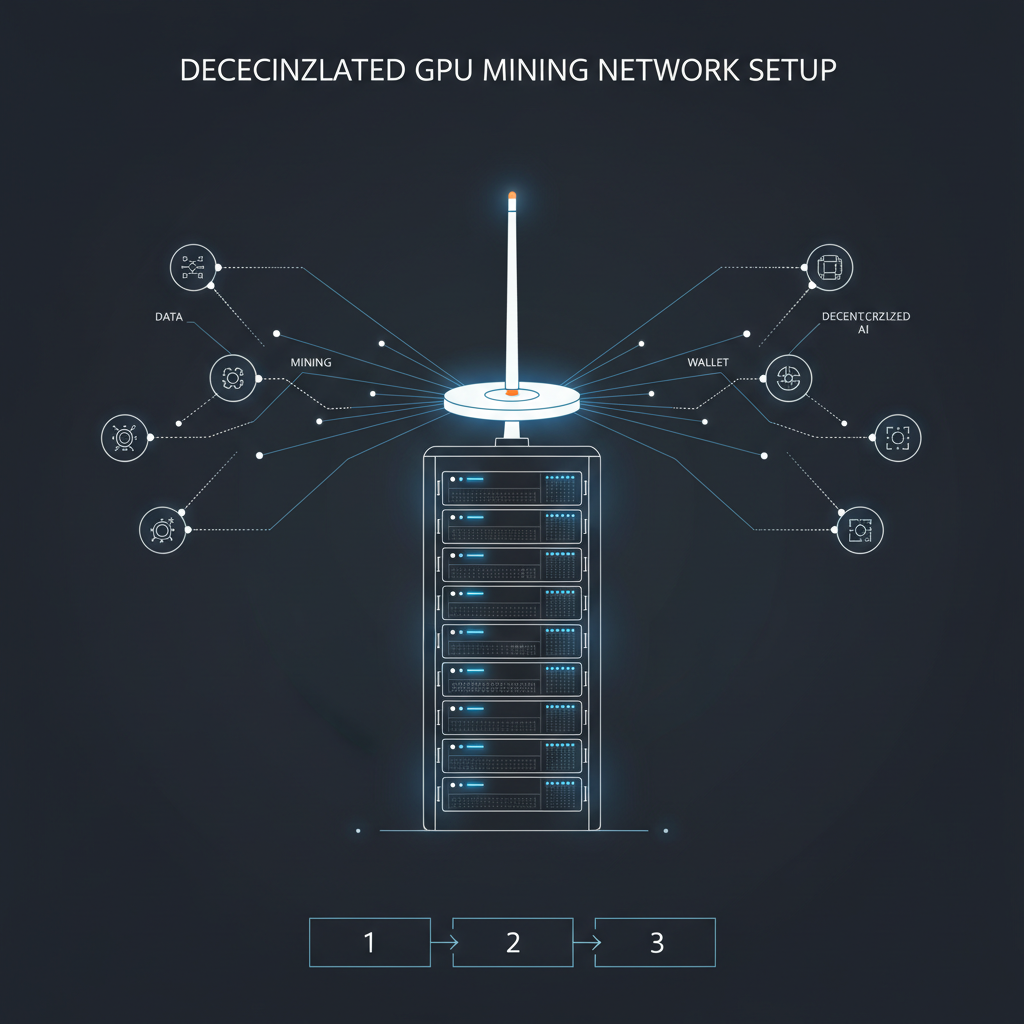
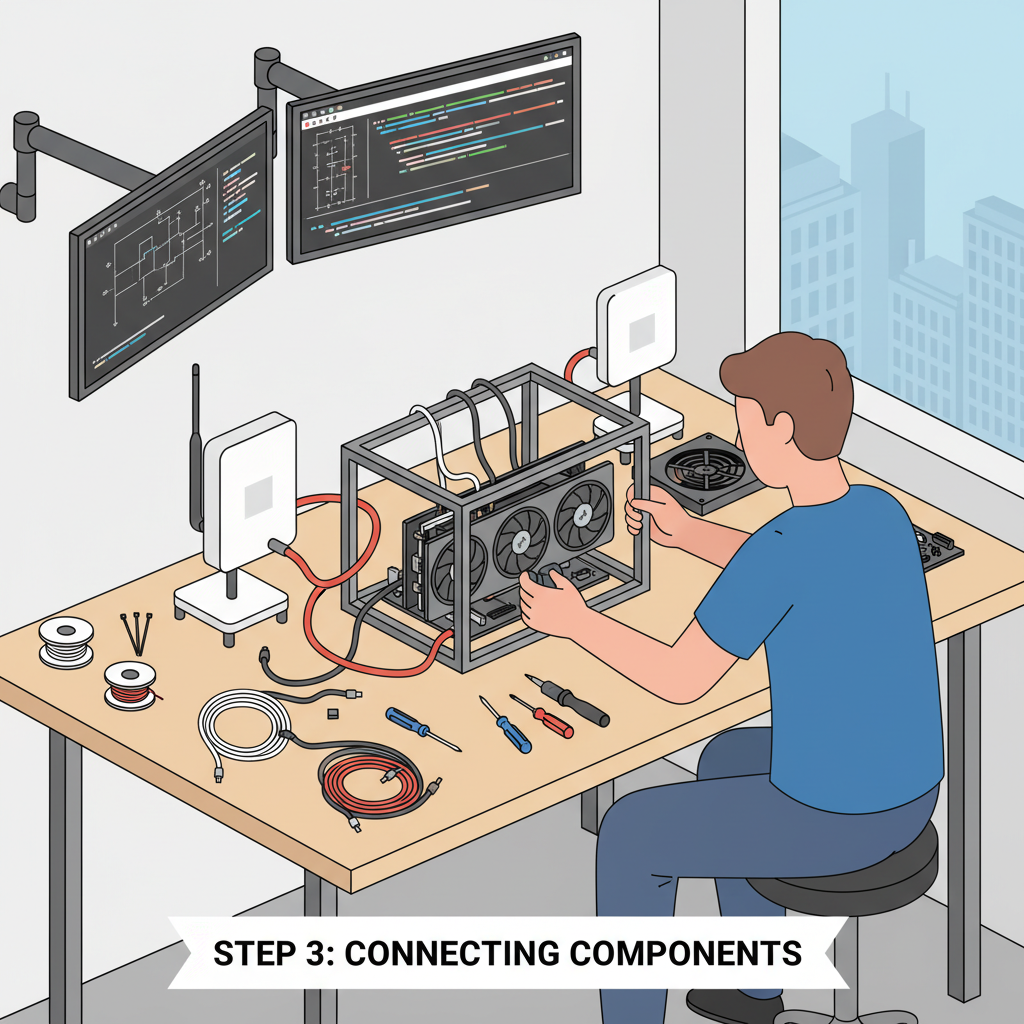
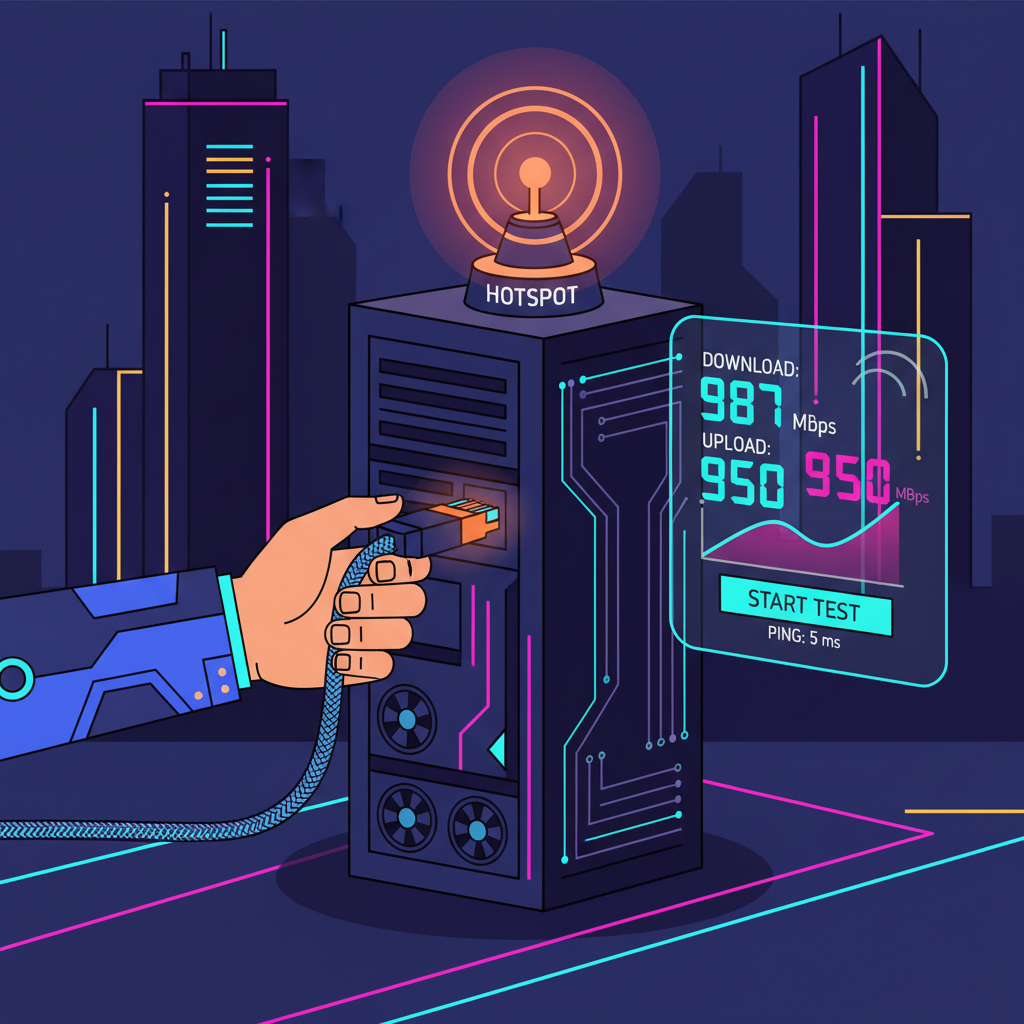
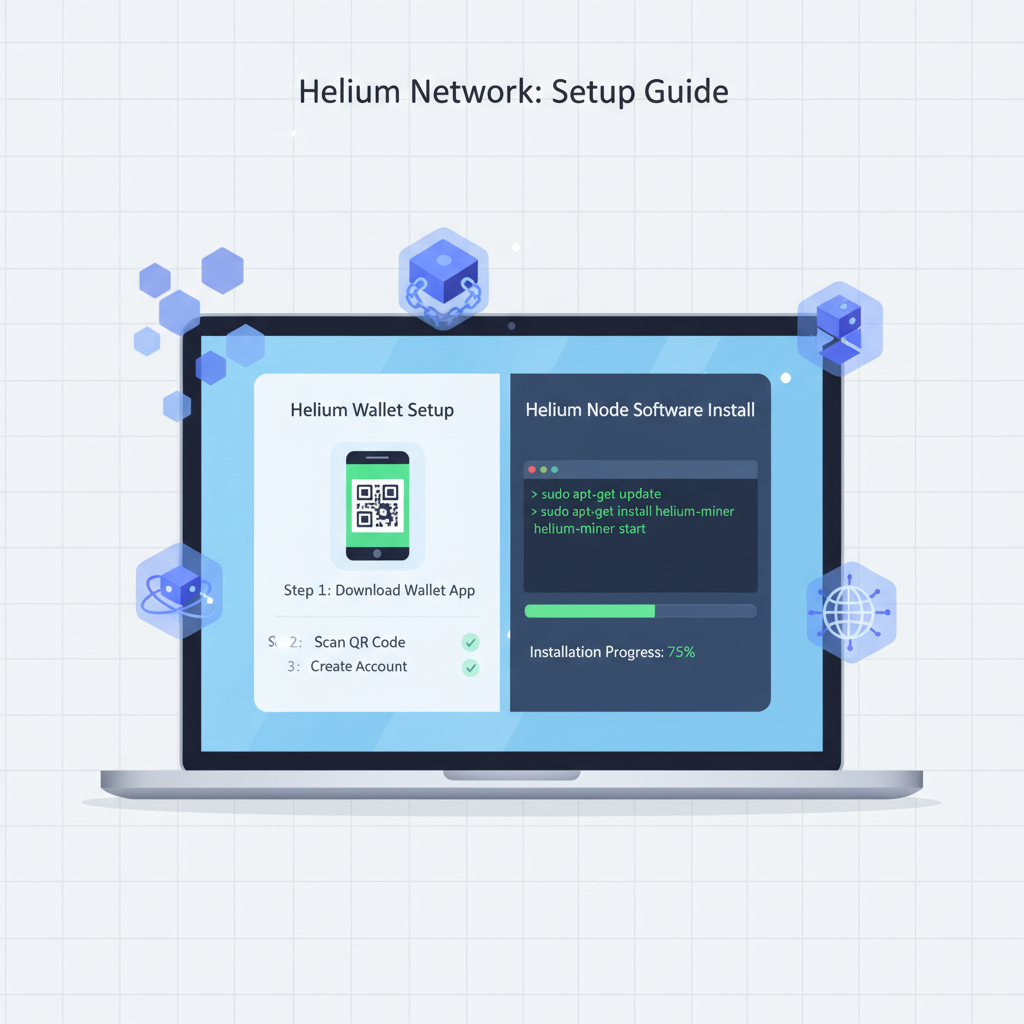
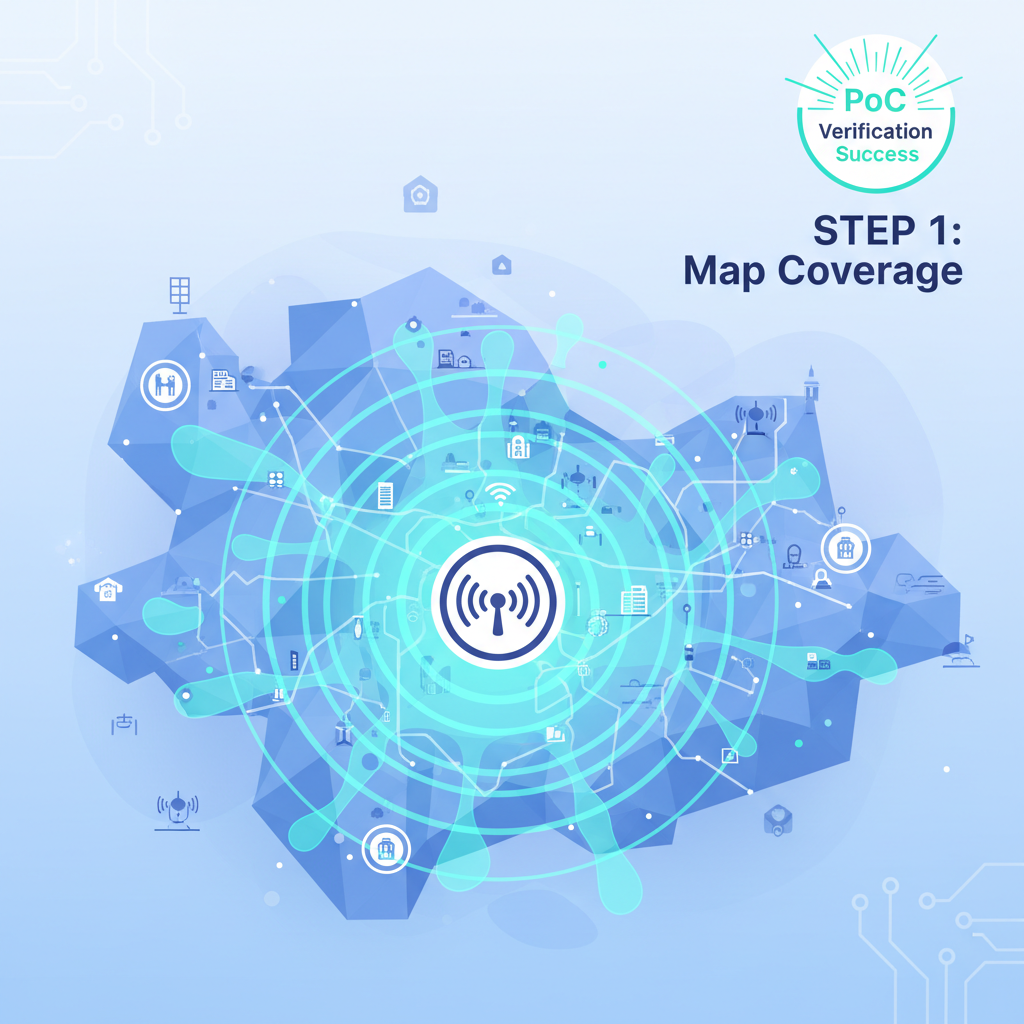
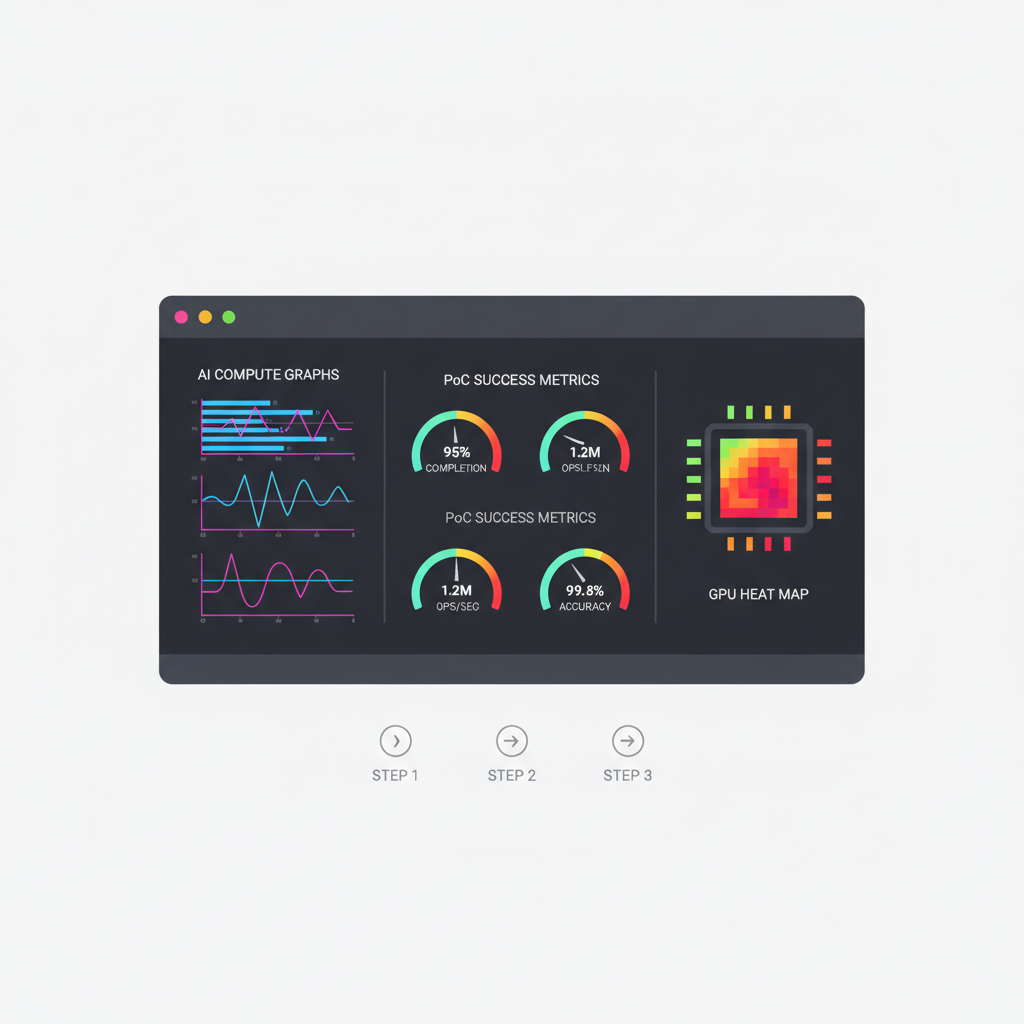

Once deployed, the real magic unfolds in orchestration. AI jobs fragment into micro-tasks: inference shards, gradient updates, even hyperparameter tuning. PoC challengers probe these dynamically, adapting to workload intensity. A node crushing Stable Diffusion prompts earns higher scores than one idling on basic hashes, creating a meritocracy of silicon.
Challenges persist, of course. Sybil attacks, where one actor spins fake nodes, demand sophisticated witness selection; randomized, stake-weighted challengers mitigate this. Energy costs for proofs? Optimized ZK circuits slash them by orders of magnitude. Geographic centralization? Incentives for edge deployments in underserved regions balance the map. Helium's lessons from hotspots apply directly: iterate fast, reward density.
Key Advantages: Why AI Teams Bet on DePIN PoC
Key DePIN PoC Benefits for AI Compute
- Cost Savings: DePIN proof-of-coverage enables crowdsourced GPU resources from global contributors, slashing infrastructure costs by up to 90% versus centralized clouds like AWS, as seen in projects like Akash Network.
- Scalability: Nodes can join anytime, verified by proof-of-coverage, allowing infinite horizontal scaling for AI workloads without central bottlenecks, powering networks like Render Network.
- Security Enhancements: Proof-of-coverage and zero-knowledge proofs validate real performance and location, preventing sybil attacks and ensuring data integrity in decentralized AI compute.
- Reliability & Uptime: Mechanisms like Helium's proof-of-coverage confirm continuous, high-quality coverage, rewarding reliable nodes and minimizing downtime in AI networks.
- Global Low-Latency Access: Distributed verification ensures edge compute closer to users, reducing latency for AI inference compared to remote data centers.
Strategically, this stacks up against incumbents. Hyperscalers lock in customers with ecosystems, but DePIN offers portability: export your Dockerized model to any verified provider. No vendor lock-in, no opaque pricing. For enterprises, compliance shines through: blockchain ledgers audit every compute cycle, ideal for regulated AI like finance or healthcare.
Render exemplifies this edge. Artists bid on GPU time from a global pool, with PoC guaranteeing frame consistency. Akash goes further, hosting full Kubernetes clusters on DePIN hardware, powering Web3 apps with on-chain verifiable inference. Helium's pivot to 5G compute layers mobility: proofs validate edge servers for AR/VR AI, low-latency gold.
Proof mechanisms like Helium's proof-of-coverage validate performance and uptime, extending seamlessly to AI agents and nodes.
Risks and Roadmaps: Navigating DePIN's Maturation
HNT's current price of $0.9496, after dipping to a 24-hour low of $0.9026 before rebounding, mirrors this maturation. Volatility tempers enthusiasm, but fundamentals solidify: partnerships with AI labs, integrations with L2s for cheaper proofs. Risks like proof-of-coverage attacks loom, yet zero-knowledge upgrades and slashing fortify defenses.
Forward-looking, expect hybrids: DePIN PoC meshing with trusted execution environments for hybrid trust. Imagine confidential compute where nodes prove AI GPU coverage proof without peeking at weights. This unlocks sovereign AI for nations, corps sidestepping U. S. chip export curbs.
For builders, start small: spin up an Akash provider, integrate PoC via SDKs. Earnings compound as network effects kick in; top nodes capture outsized shares. Investors, watch utilization rates and proof success metrics, not just token pumps. With HNT holding steady around $0.9496 despite market wobbles, DePIN's trajectory points upward, fueling the decentralized intelligence era.
Networks like these don't just compute; they redefine infrastructure sovereignty. Contributors worldwide, verified through unrelenting cryptographic scrutiny, power models that centralized titans can't match in agility or cost. As AI workloads balloon, decentralized AI compute verification via PoC emerges as the fulcrum, balancing innovation with ironclad reliability.




No comments yet. Be the first to share your thoughts!