
What AI trading agents actually do
The term "AI trading bot" covers a wide range of tools, from simple rule-based scripts to complex autonomous agents. In 2026, the distinction matters. Basic automation executes trades when specific conditions are met, like a price moving 2% in ten minutes. These systems follow strict logic and cannot adapt if market conditions change unexpectedly.
Advanced AI trading agents, however, learn from market data. They use machine learning models to identify patterns in price movements, volume, and sentiment. These agents do not predict the future with certainty. Instead, they adjust their strategies in real time based on new information. This ability to adapt is what separates true AI agents from traditional algorithmic trading tools.
This learning process requires significant computational power and access to high-quality data. Agents analyze vast amounts of historical and real-time data to refine their models. They can process news sentiment, social media trends, and on-chain metrics simultaneously. This comprehensive analysis allows them to make faster and more informed decisions than human traders.
The core advantage of AI trading agents is speed and consistency. They can monitor multiple markets 24/7 without fatigue. They remove emotional bias from trading decisions, which often leads to poor outcomes. However, this reliance on data also introduces new risks. If the training data is flawed or the market structure changes abruptly, these agents can make significant losses quickly.
Understanding this distinction helps traders choose the right tool. For simple, repetitive tasks, a basic bot may suffice. For complex, dynamic markets, an AI agent offers greater potential but requires more oversight. Always test these systems in a simulated environment before deploying real capital.
Why Algorithmic Trading Matters in 2026
The cryptocurrency market operates on a continuous 24/7 cycle, creating an environment where human reaction times are often too slow to capitalize on fleeting opportunities. Volatility remains the defining characteristic of digital assets, with prices capable of swinging significantly within minutes. This constant flux demands a trading approach that can process data and execute orders faster than any manual trader could manage.
Algorithmic trading bots provide this speed and consistency. They monitor multiple exchanges simultaneously, scanning for specific price movements, arbitrage opportunities, or technical patterns without fatigue. By removing emotional decision-making, these tools help traders stick to their strategies even during periods of extreme market stress. For investors relying on best AI crypto trading bots 2026 for algorithmic strategies, the ability to react instantly to market shifts is not just an advantage—it is a necessity.
Visualizing Market Volatility
To understand the scale of movement these bots handle, consider the price action of Bitcoin. The chart below illustrates the typical volatility patterns that automated systems are designed to exploit.
Real-Time Market Context
Current market conditions further highlight the need for automation. Below is a live view of Bitcoin's price action, reflecting the real-time data feeds that AI bots utilize for decision-making.
Top AI crypto trading bots 2026
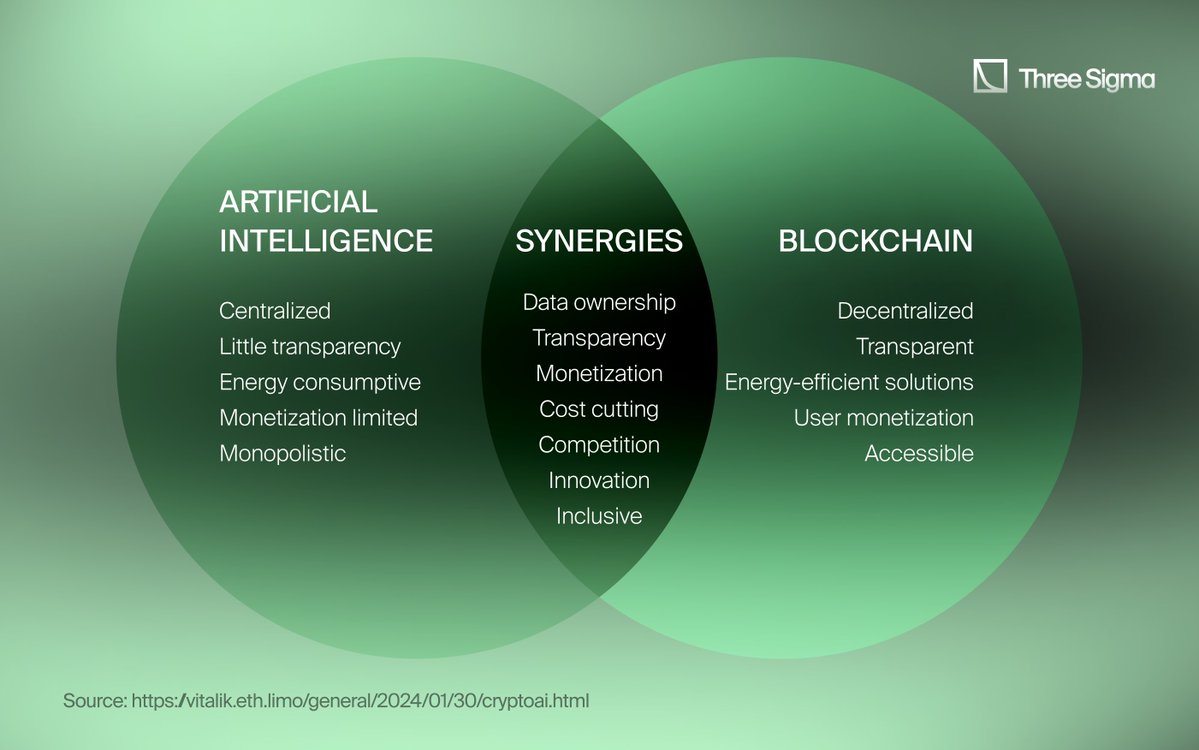
The landscape for algorithmic crypto trading has matured significantly. The best AI crypto trading bots 2026 now offer more than simple arbitrage; they provide machine learning capabilities that adapt to market volatility in real time. When selecting a platform, focus on three core pillars: the sophistication of the AI decision-making engine, the breadth of supported exchange integrations, and the flexibility of strategy deployment.
Below is a structured comparison of the leading platforms. This data highlights how each bot approaches automation, from fully managed AI signals to customizable technical indicators.
| Bot | AI & Automation | Supported Exchanges | Pricing Model |
|---|---|---|---|
| 3Commas | DCA Bots, Smart Trade, Signal Integration | Binance, Coinbase, Kraken, KuCoin | Monthly Subscription (Free tier limited) |
| Cryptohopper | AI Strategy Designer, Backtesting, Market Maker | Binance, Kraken, Bitfinex, FTX (where available) | Tiered Monthly Plans |
| Pionex | 16 Built-in Trading Bots, Grid Trading, AI-Powered Signals | Pionex Exchange Only | Low Trading Fees (No subscription) |
| Coinrule | Visual Strategy Builder, AI Signal Import, Conditional Orders | Binance, Kraken, Bitstamp, FTX (where available) | Monthly Subscription (Free tier available) |
| TradeSanta | AI Trading Assistant, Grid Bot, DCA Bot, Cloud-Based | Binance, KuCoin, Bitfinex, Gate.io | Monthly Subscription (Free trial available) |
Each platform serves a different trader profile. Cryptohopper stands out for users who want to backtest strategies using historical data before deploying AI. Pionex is ideal for those who prefer an all-in-one exchange solution with zero subscription fees. Meanwhile, 3Commas remains a favorite for advanced users who manage multiple exchanges and require deep API integration.
When evaluating these tools, verify that the AI features are truly adaptive. Many platforms label basic technical indicators as "AI." Look for bots that use machine learning to adjust stop-losses and take-profit levels based on live market sentiment.
Building an algorithmic strategy
Configuring an AI crypto trading bot is less about finding a magic button and more about engineering a disciplined process. The most effective algorithmic strategies are built on rigorous backtesting and strict risk management, not blind automation. Before connecting any bot to a live exchange, you must validate that the underlying logic holds up against historical market data and define clear exit protocols for when things go wrong.
Validate with Backtesting
Backtesting is the stress test for your strategy. It involves running your algorithmic strategy against years of historical price data to see how it would have performed under various market conditions. A strategy that looks profitable on a chart can fail instantly in live trading due to slippage, latency, or changing volatility regimes.
When configuring your bot, ensure it supports robust backtesting tools that account for transaction fees and realistic execution delays. Avoid strategies that show smooth equity curves in backtests but rely on unrealistic assumptions, such as filling orders at the exact close price. If a strategy cannot survive a bear market simulation, it will not survive live trading.
Implement Risk Controls
Risk management is the difference between a profitable trader and a bankrupt one. No algorithmic strategy wins every trade, so your bot must have hard-coded safeguards to prevent catastrophic losses. This includes setting maximum position sizes, stop-loss orders, and daily loss limits.
For example, you might configure your bot to never risk more than 1-2% of your total portfolio on a single trade. Additionally, use circuit breakers that pause trading if the market moves too sharply against your position. These controls act as a safety net, ensuring that a series of bad trades does not wipe out your account.
Monitor and Adjust
Even the best strategies degrade over time as market dynamics shift. Regular monitoring is essential to ensure your bot is still operating as intended. Review performance metrics weekly, looking for deviations from expected behavior or changes in win rate and drawdown.
If a strategy begins to underperform, do not hesitate to pause it and re-evaluate. Markets evolve, and what worked last year may not work today. Use tools like TradingView to visualize market trends and technical indicators that can help you adjust your bot’s parameters or switch to a different strategy altogether.
Risk controls and limitations
Automated trading removes emotional hesitation, but it also removes the human ability to pause when a strategy breaks. The most common failure point in AI crypto trading bots is over-optimization. This happens when a model is tuned so precisely to past data that it fails in live markets. A backtest showing 90% returns is often a mirage created by curve-fitting.
API security is the second major vulnerability. If your bot has withdrawal permissions, a compromised key means total loss. Always use read-only or trade-only API keys with strict IP whitelisting. Never grant withdrawal access to any automated system.
Market conditions shift faster than most algorithms can adapt. A bot that excels in a bull market may bleed capital in a sideways chop. Regular audits of your algorithm's logic are essential to ensure it still aligns with current market dynamics.
Where to buy trading tools and books
Building a robust algorithmic strategy requires more than just software. It demands a solid understanding of market mechanics and secure key management. The best resources for these fundamentals are found in specialized literature and dedicated hardware.
Essential reading and hardware
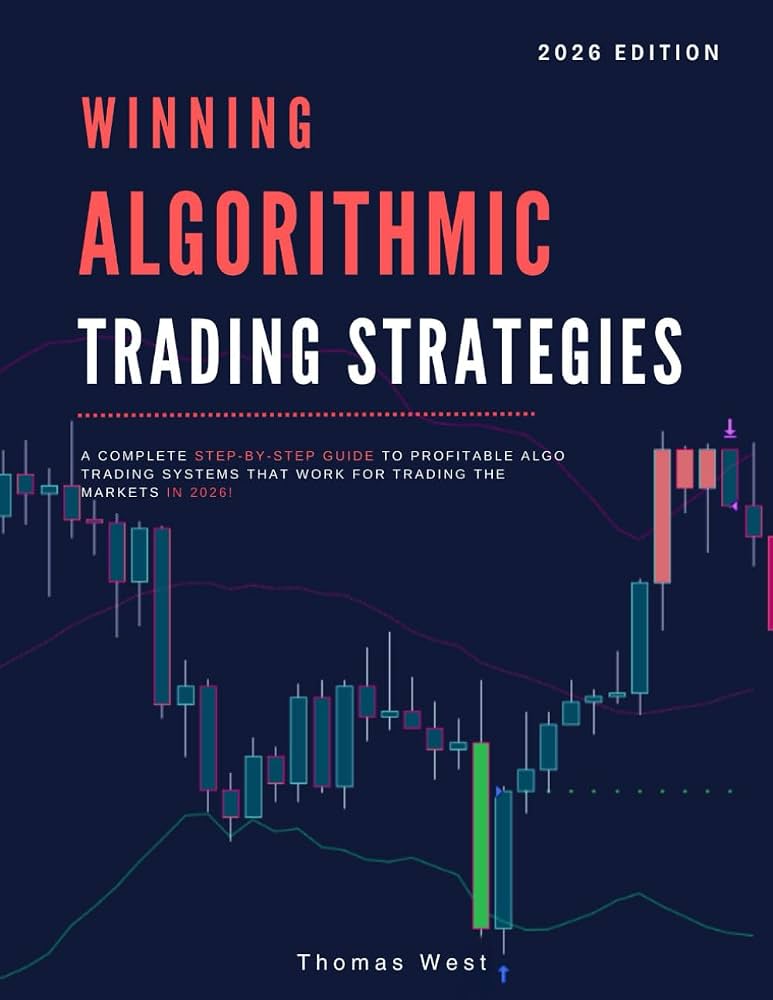
Start with Algorithmic Trading by Ernest Chan to grasp the statistical underpinnings of quantitative strategies. For securing your API keys and private keys, hardware wallets like the Trezor Model T provide an isolated environment that protects your capital from online threats.

As an Amazon Associate, we may earn from qualifying purchases.
No comments yet. Be the first to share your thoughts!