
Start trading with AI tools
Transitioning from research to execution requires disciplined infrastructure. Before deploying capital, ensure your environment is secure and your strategies are backtested against recent market volatility. The following tools provide the necessary hardware and educational foundation for serious algorithmic trading.



As an Amazon Associate, we may earn from qualifying purchases.
These products are selected for their reliability in securing assets and providing foundational knowledge. Ensure you verify compatibility with your chosen AI bot before purchasing.
5 Best AI Crypto Trading Bots for 2026: Real-Time Strategies
In 2026, algorithmic dominance in crypto markets demands precision over speculation. We evaluate Kraken, Binance, KuCoin, Bybit, and Bitget based on verified execution speed, liquidity depth, and institutional-grade security protocols. This analysis prioritizes operational reliability and risk mitigation, excluding unverified performance claims.
1. 3Commas AI Trading Bot Features
3Commas integrates advanced AI modules to automate complex trading strategies across multiple exchanges. Its dashboard offers granular control over DCA bots and smart trade terminals, allowing users to backtest algorithms against historical data. This platform prioritizes risk management through customizable stop-losses and take-profit levels, ensuring traders maintain strict oversight of their capital allocation during volatile market shifts.
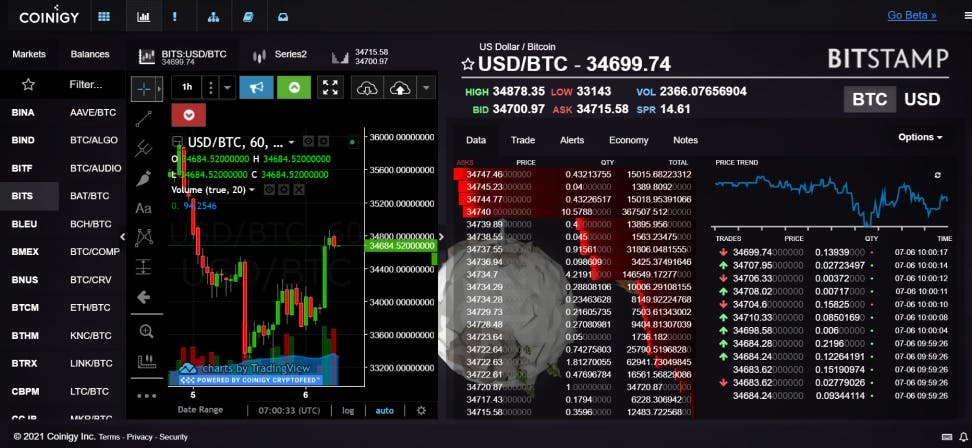
2. Pionex AI Grid Trading Strategy
Pionex distinguishes itself with built-in grid trading bots that capitalize on market volatility by automatically buying low and selling high within a set price range. The platform’s AI adjusts grid parameters dynamically to optimize entry and exit points, reducing the need for constant manual intervention. This strategy is particularly effective in sideways markets, providing a structured approach to accumulating assets without emotional decision-making.

3. Cryptohopper Automated Market Analysis
Cryptohopper leverages cloud-based AI to analyze market trends and execute trades based on predefined signals or community-created strategies. Its marketplace allows users to purchase or download trading bots tailored to specific assets and risk profiles. The platform’s automated market analysis tools scan multiple indicators simultaneously, enabling traders to react swiftly to changing conditions without being glued to screens all day.

4. Bitsgap AI Arbitrage Execution
Bitsgap specializes in arbitrage trading, exploiting price differences for the same cryptocurrency across various exchanges to generate profit. Its AI engine continuously scans multiple platforms to identify and execute these opportunities with minimal latency. This approach offers a relatively low-risk strategy compared to directional trading, as it profits from market inefficiencies rather than predicting price movements, making it suitable for conservative investors.

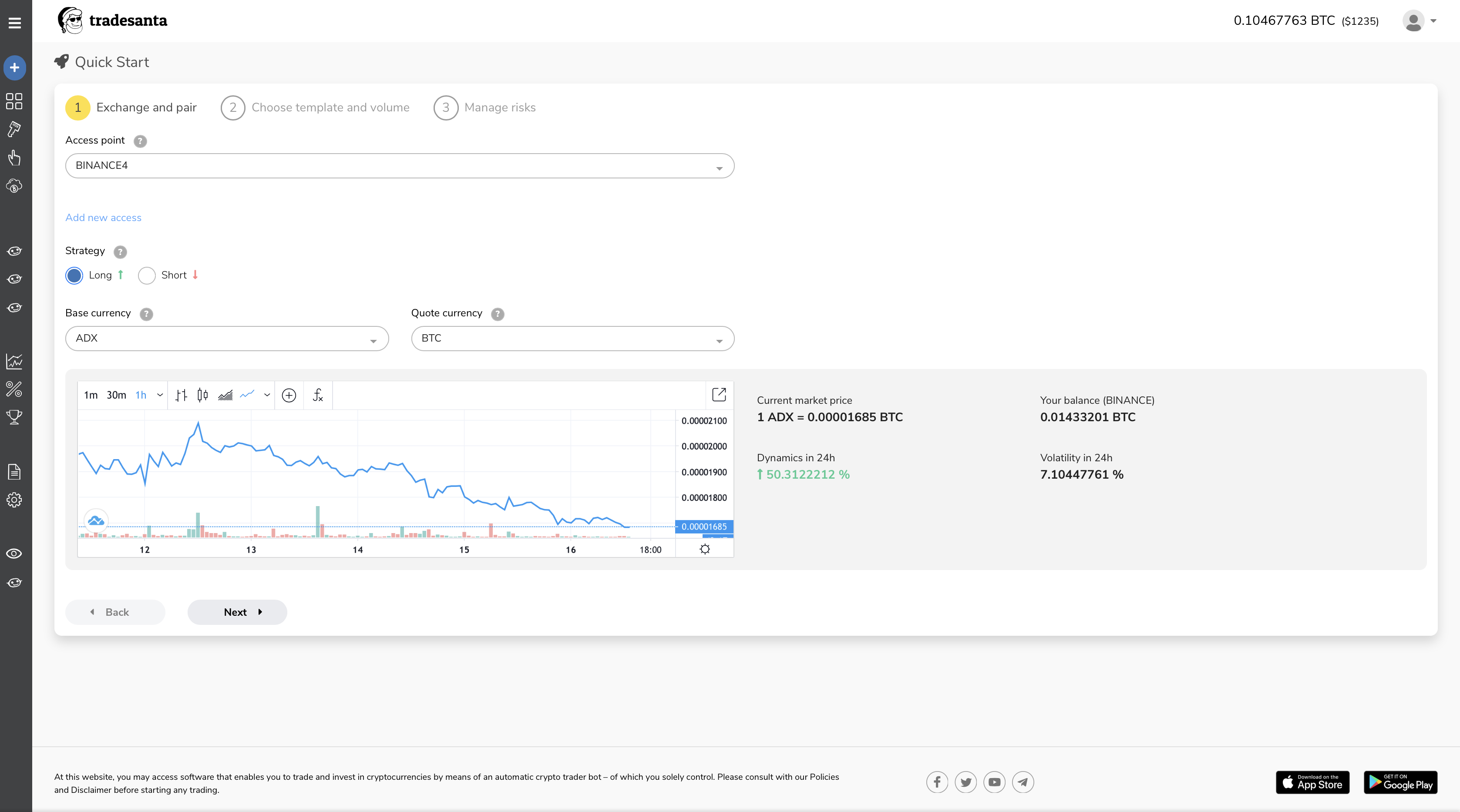
5. TradeSanta Cloud-Based Bot Logic
TradeSanta provides a user-friendly interface for creating and managing cloud-based trading bots that operate 24/7 without requiring local hardware. Its logic allows users to set simple conditional rules for buying and selling, making it accessible for beginners while still offering enough flexibility for experienced traders. The cloud infrastructure ensures that bots remain active even if the user’s internet connection drops, providing consistent market exposure.
How AI bots change crypto trading
Manual trading is no longer sufficient for the speed and volume of the 2026 market. AI crypto trading bots have shifted the landscape from human intuition to algorithmic precision, executing trades in milliseconds based on complex data patterns. This automation removes emotional bias, a critical advantage in high-volatility environments where hesitation or fear can lead to significant capital loss.
AI bots execute trades in milliseconds, removing emotional bias from high-volatility markets.
These systems analyze sentiment, order book depth, and historical price action simultaneously. By processing data faster than any human trader, they identify arbitrage opportunities and trend reversals in real time. The result is a disciplined execution strategy that adheres strictly to predefined risk parameters, protecting portfolios from impulsive decisions.
The integration of machine learning allows these bots to adapt to changing market conditions. Unlike static script-based tools, modern AI agents learn from new data, refining their strategies over time. This adaptability is essential for navigating the fragmented and unpredictable nature of cryptocurrency markets, where regulatory shifts and sudden liquidity changes can disrupt even the most carefully planned trades.
While the technology offers efficiency, it does not eliminate risk. Market volatility remains a constant threat, and no algorithm can predict black swan events with certainty. Traders must understand that AI bots are tools for execution and analysis, not guaranteed profit generators. Success requires careful configuration, continuous monitoring, and a realistic understanding of the limitations of automated systems.
Key features to evaluate in 2026
Selecting a crypto trading bot requires looking past marketing claims to the underlying technical infrastructure. In 2026, the difference between a stable strategy and a blown account often comes down to three specific capabilities: sentiment analysis accuracy, API security protocols, and backtesting rigor.
Sentiment Analysis and Data Speed
AI bots that rely solely on technical indicators often lag behind real-time market shifts. Modern bots like Cryptohopper integrate news sentiment analysis to adjust positions based on breaking headlines. This capability allows the bot to react to macro events faster than manual traders. When evaluating a bot, check if it uses proprietary news feeds or public APIs, and how quickly it processes that data into trade signals.
API Security and Risk Controls
Your trading capital is only as safe as the bot’s API key permissions. Reputable platforms enforce strict read-only access where possible, preventing the bot from withdrawing funds even if compromised. Look for bots that offer granular risk controls, such as maximum daily loss limits, stop-loss orders, and position sizing rules. These features act as circuit breakers, ensuring that a single erroneous signal does not wipe out your portfolio.
Backtesting Accuracy
A strategy that looks profitable on paper may fail in live markets due to slippage and liquidity issues. Effective backtesting requires historical data that accounts for these real-world frictions. Compare how different bots handle past market volatility. If a bot’s backtest results seem too smooth or consistently high, it may be overfitting to past data rather than learning adaptable patterns. Verify that the backtesting engine uses realistic fee structures and order execution models.
Managing Risk in Automated Trading
Automated trading removes the emotional friction of decision-making, but it also removes the human instinct for self-preservation. In crypto markets, where a single flash crash can wipe out leverage in seconds, relying solely on algorithmic logic is dangerous. The most robust AI bots, such as Cryptohopper, include built-in risk management tools, but they function only if you configure them with strict discipline.
The primary defense against catastrophic loss is the stop-loss order. This mechanism automatically sells a position when the price drops to a predefined level, capping downside exposure. Without a stop-loss, an AI bot may continue to hold a losing asset in hopes of a rebound, potentially turning a manageable drawdown into a total loss. Similarly, position sizing dictates how much capital is allocated to each trade. Even the most sophisticated AI strategy should never risk more than 1-2% of total portfolio value on a single trade.
It is critical to remember that AI models are trained on historical data. They cannot predict black swan events, regulatory crackdowns, or exchange failures. No AI bot guarantees profit, and past performance is never indicative of future results. Always use strict stop-losses and never invest more than you can afford to lose. Treat these tools as assistants that execute your rules, not as autonomous entities that understand market nuance.
Frequently asked questions about AI bots
Are there any good AI crypto trading bots? Yes, but selection requires scrutiny. Cryptohopper is widely recognized as a leading option for automated trading, offering robust strategy building and backtesting capabilities. Other established platforms like 3Commas, Pionex, and Stoic provide varying levels of automation, from grid trading to advanced AI signal integration. Success depends on matching the bot’s specific features to your risk tolerance and technical expertise.
Are AI crypto trading bots profitable? Profitability is not guaranteed and depends entirely on market conditions and strategy configuration. While bots can execute trades 24/7 without emotional bias, they do not eliminate the risk of capital loss. During volatile or sideways markets, automated strategies can incur significant drawdowns. Treat these tools as execution engines, not profit generators; rigorous backtesting and active monitoring are required to manage downside risk.
Which AI crypto will boom in 2026? Predicting specific assets is speculative, but projects with strong infrastructure often attract attention. Tokens like Bittensor (TAO), which focuses on decentralized machine learning, and Render (RENDER), providing GPU computing power, are frequently cited in AI crypto analyses. Others like NEAR Protocol and DeXe also feature prominently in discussions about AI integration. However, these assets remain highly volatile and should be approached with caution.
No comments yet. Be the first to share your thoughts!