
Set up your API keys securely
Before writing a single line of code, you must configure your exchange credentials. This is the most critical security step in building an AI crypto trading bot. If your API keys have excessive permissions, a compromised bot could drain your entire portfolio. Treat these keys like the physical keys to your safe: give them access only to what is absolutely necessary for the bot to function.
Select an exchange that offers a reliable REST or WebSocket API. Major platforms like Binance, Kraken, and Coinbase Pro provide stable endpoints and clear documentation for developers. Ensure the exchange supports the specific trading pairs you intend to automate. Read-only access is often sufficient for market data feeds, while trade execution requires specific trading permissions.
When creating your keys, disable the "Withdrawal" permission entirely. Your bot only needs to read market data and place orders (trade permissions). By removing withdrawal rights, you ensure that even if an attacker gains access to your bot's code, they cannot move your funds to an external wallet. This is the single most effective safeguard against total loss.

Most exchanges allow you to whitelist IP addresses. Configure this setting to allow API access only from the server or local machine where your bot will run. This prevents unauthorized access from other devices or networks. If your bot runs on a local laptop, whitelist your home IP. If it runs on a cloud server, whitelist the server's static IP address.

Never hardcode your API keys and secrets directly into your source code. Hardcoded keys can accidentally be committed to public repositories like GitHub, exposing them to scrapers. Instead, use environment variables (e.g., .env files) to store these credentials. Load them into your application at runtime. This keeps sensitive data separate from your codebase.
Once your keys are generated and secured, you can proceed to test the connection. Most exchanges provide a "test endpoint" or a sandbox environment where you can verify that your bot can read data and place test orders without risking real capital. This validation step ensures your integration works before you go live.
Choose between no-code and code-based bots
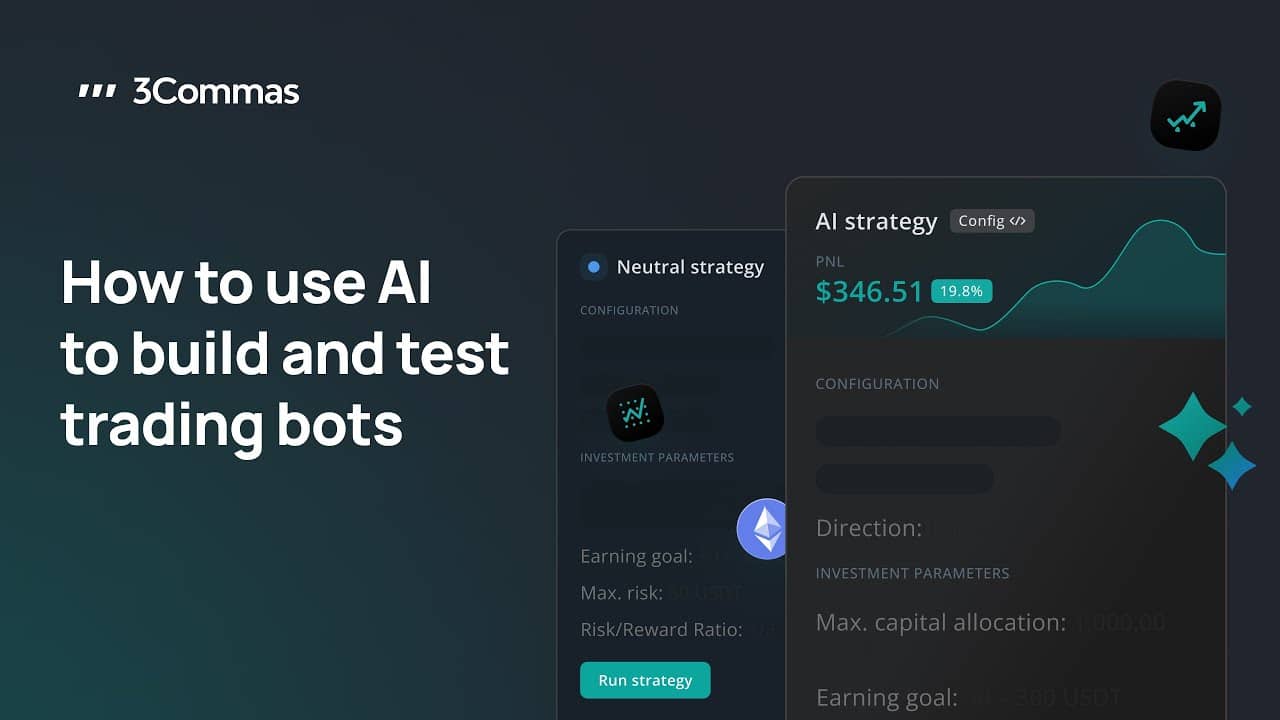
Your first decision is whether to use a ready-made platform or write your own script. This choice depends entirely on your technical comfort level. No-code platforms like 3Commas and Cryptohopper provide visual interfaces to connect strategies, while code-based bots require Python knowledge but offer unlimited flexibility.
Use the comparison below to see which path fits your current skills.
No-code platforms act like pre-assembled kitchens. You pick the recipe (strategy) and the appliances (indicators) are already connected. Cryptohopper and 3Commas dominate this space, offering drag-and-drop strategy builders that connect directly to exchanges via API keys. These tools handle the infrastructure, so you focus on parameters rather than code. However, you are limited to the strategies the platform provides. If you want a complex arbitrage logic that isn’t in their library, you cannot build it.
Code-based bots are like building your own kitchen from scratch. You use Python libraries like CCXT to handle exchange connections and Freqtrade or Hummingbot to manage logic. This approach costs almost nothing in software fees but requires significant time to learn. The payoff is total control: you can backtest custom machine learning models or implement obscure market-making algorithms that no SaaS platform supports. This is the only viable path if you plan to scale beyond simple grid or DCA strategies.
Define your trading strategy parameters
Configuring your AI crypto trading bot requires translating market logic into executable rules. The AI agent needs precise instructions on when to enter a position, when to exit, and how to protect capital during volatility. Without defined boundaries, the bot cannot distinguish between a profitable trade and a risky gamble.
Start by setting your entry signals. These are the conditions that trigger a buy order, such as a specific moving average crossover or a突破 of a resistance level. Next, define your exit criteria. This includes your take-profit target, where the bot sells to secure gains, and your stop-loss, which automatically sells if the price drops below a certain threshold to limit losses.
Risk management is the most critical parameter. Set a maximum percentage of your portfolio to risk per trade, typically between 1% and 2%. This ensures that a single losing trade does not wipe out your account. You should also configure the bot’s position sizing to adjust automatically based on your stop-loss distance.
Finally, test these parameters in a simulated environment. Backtesting allows you to see how your strategy would have performed in past market conditions. This step helps you identify weak points before you deploy real capital. A well-defined strategy acts as a safety net, ensuring your AI bot operates within your risk tolerance rather than chasing unpredictable market trends.
Define the specific technical indicators or price actions that trigger a buy order. Examples include RSI oversold conditions or volume spikes. Ensure these signals are clear and non-conflicting to prevent false entries.
Set a stop-loss to cap potential losses on each trade, typically 1-2% below the entry price. Simultaneously, set a take-profit target to secure gains when the price reaches your desired level. This automation removes emotional decision-making from the equation.
Limit the maximum capital allocation per trade to a small percentage of your total portfolio. This ensures that a series of losing trades does not deplete your funds. Adjust position sizes dynamically based on the volatility of the selected cryptocurrency.
Run your strategy against historical market data to evaluate its performance. Look for consistency in returns and analyze how the bot handles market crashes or high volatility. Refine parameters based on these results before going live.
Backtest your strategy on historical data
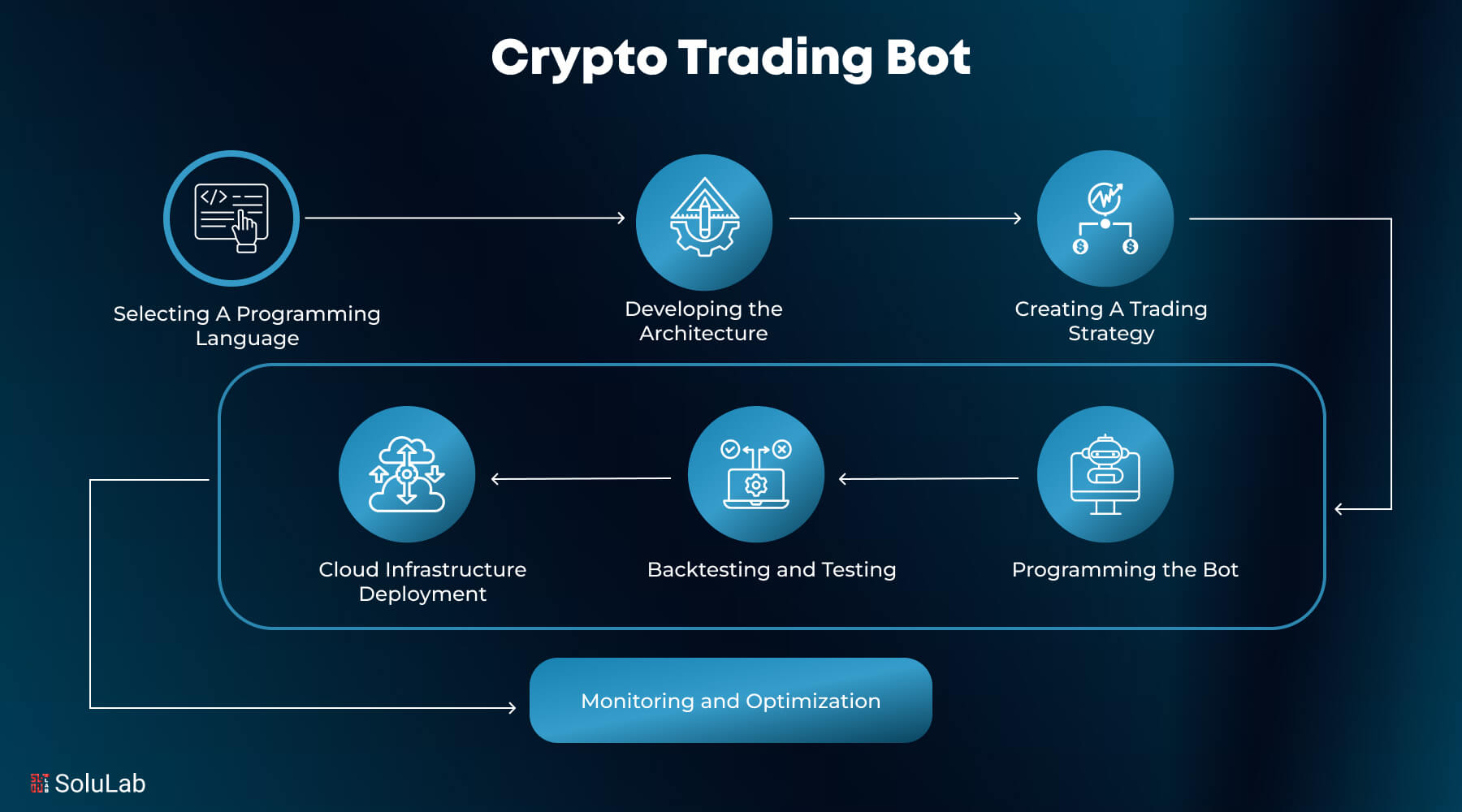
Build Your First AI Crypto Trading Bot works best as a clear sequence: define the constraint, compare the realistic options, test the tradeoff, and choose the path with the fewest hidden costs. That order keeps the advice usable instead of decorative. After each step, pause long enough to check whether the recommendation still fits the reader's actual situation. If it depends on perfect timing, unusual access, or a best-case budget, include a simpler fallback.


Deploy and monitor your AI agent
Build Your First AI Crypto Trading Bot works best as a clear sequence: define the constraint, compare the realistic options, test the tradeoff, and choose the path with the fewest hidden costs. That order keeps the advice usable instead of decorative. After each step, pause long enough to check whether the recommendation still fits the reader's actual situation. If it depends on perfect timing, unusual access, or a best-case budget, include a simpler fallback.

Avoid these common AI crypto trading bot mistakes
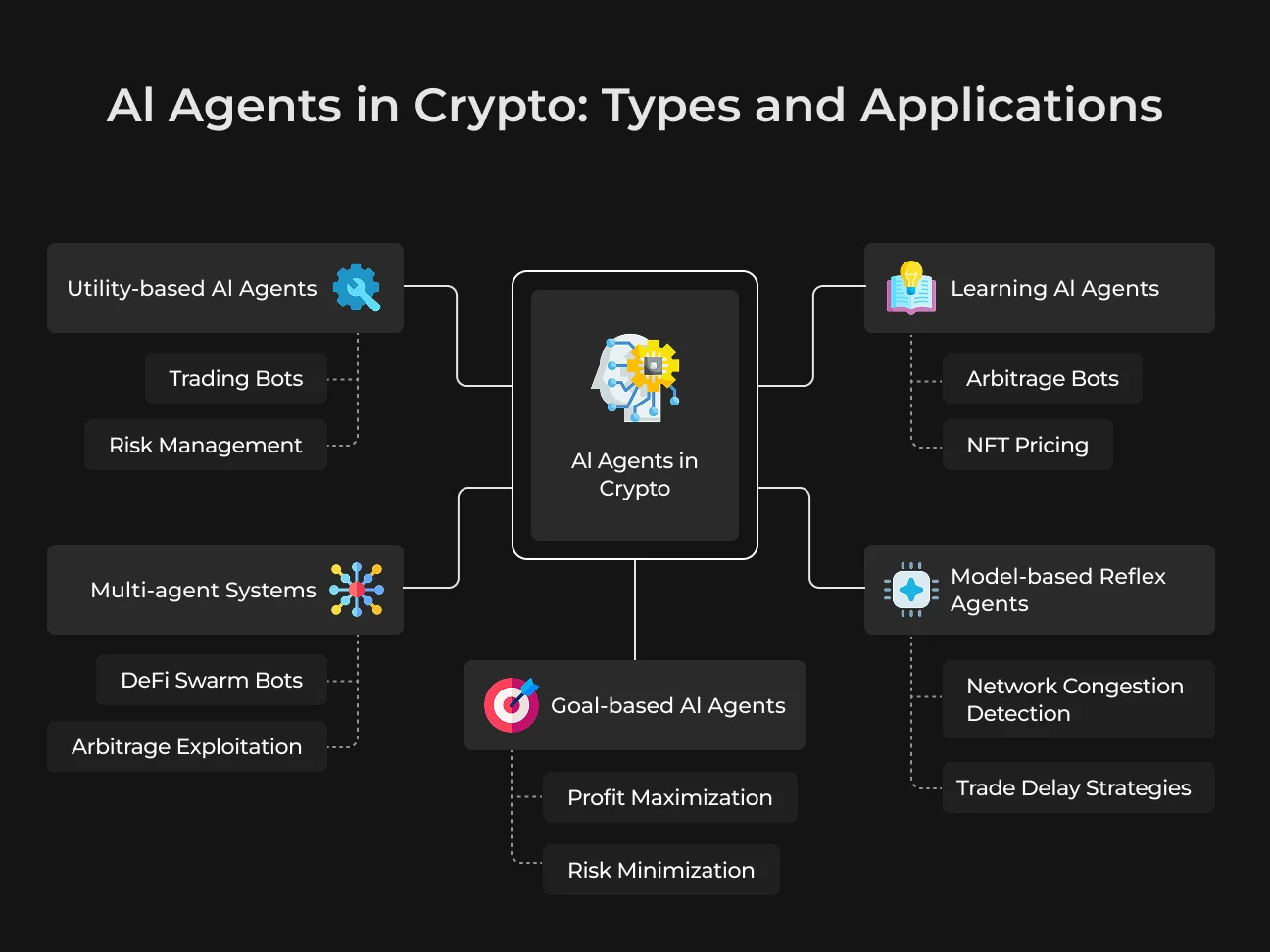
Even a well-coded AI crypto trading bot can drain your account if you treat it as a set-and-forget machine. The most frequent errors happen during setup and maintenance, not execution. Below are the three critical pitfalls that cost beginners the most, along with the specific fixes.
1. Over-leveraging your positions
Bots execute trades with mathematical precision, but they cannot predict black-swan events. If you configure your bot to use high leverage (e.g., 10x or 20x), a standard 5% market swing can liquidate your entire balance. AI models optimize for strategy efficiency, not risk tolerance.
The fix: Start with 1x leverage or spot trading only. Treat the bot as a tool for scaling small, consistent gains, not for chasing quick doubles. Use the Crypto Bots Profitability Guide to understand how leverage amplifies both profit and loss.
2. Ignoring market volatility shifts
A strategy that worked last month may fail today if market conditions change. For example, a trend-following bot will bleed money in a sideways market. AI bots need regular parameter updates to adapt to changing volatility indices. Relying on backtested data from a bull market is a common beginner mistake.
The fix: Schedule weekly reviews of your bot’s performance against current market volatility (e.g., Bitcoin’s 24-hour range). Adjust stop-losses and take-profit levels dynamically. Do not let the bot run on autopilot for weeks without human oversight.
3. Failing to update API security
Trading bots require API keys to access your exchange account. Many users grant "trade" permissions but accidentally enable "withdrawal" access. If your bot’s code is compromised or the exchange is breached, withdrawal permissions allow attackers to empty your wallet instantly.
The fix: Always generate API keys with "Trade Only" permissions. Never enable withdrawal rights. Additionally, restrict the API key to your bot’s IP address if your exchange supports it. This adds a layer of security that prevents unauthorized transfers even if the key is stolen.
Frequently asked questions about AI bots
Are AI crypto trading bots profitable?
Crypto bots can be profitable, but they are not profitable by default. Results depend on strategy choice, market conditions, parameter setup, and risk control. You must define clear entry and exit rules before automating them.
Which AI crypto coins will boom in 2026?
Top AI crypto assets to watch include NEAR Protocol (NEAR), Bittensor (TAO), DeXe (DEXE), Internet Computer (ICP), and Render (RENDER). These projects are integrating machine learning into decentralized networks.
Are there any good AI crypto trading bots?
Yes. Leading platforms for 2026 include Cryptohopper, Pionex, 3Commas, Coinrule, and TradeSanta. These tools offer different features, from grid trading to arbitrage, allowing you to automate strategies without watching charts 24/7.
No comments yet. Be the first to share your thoughts!