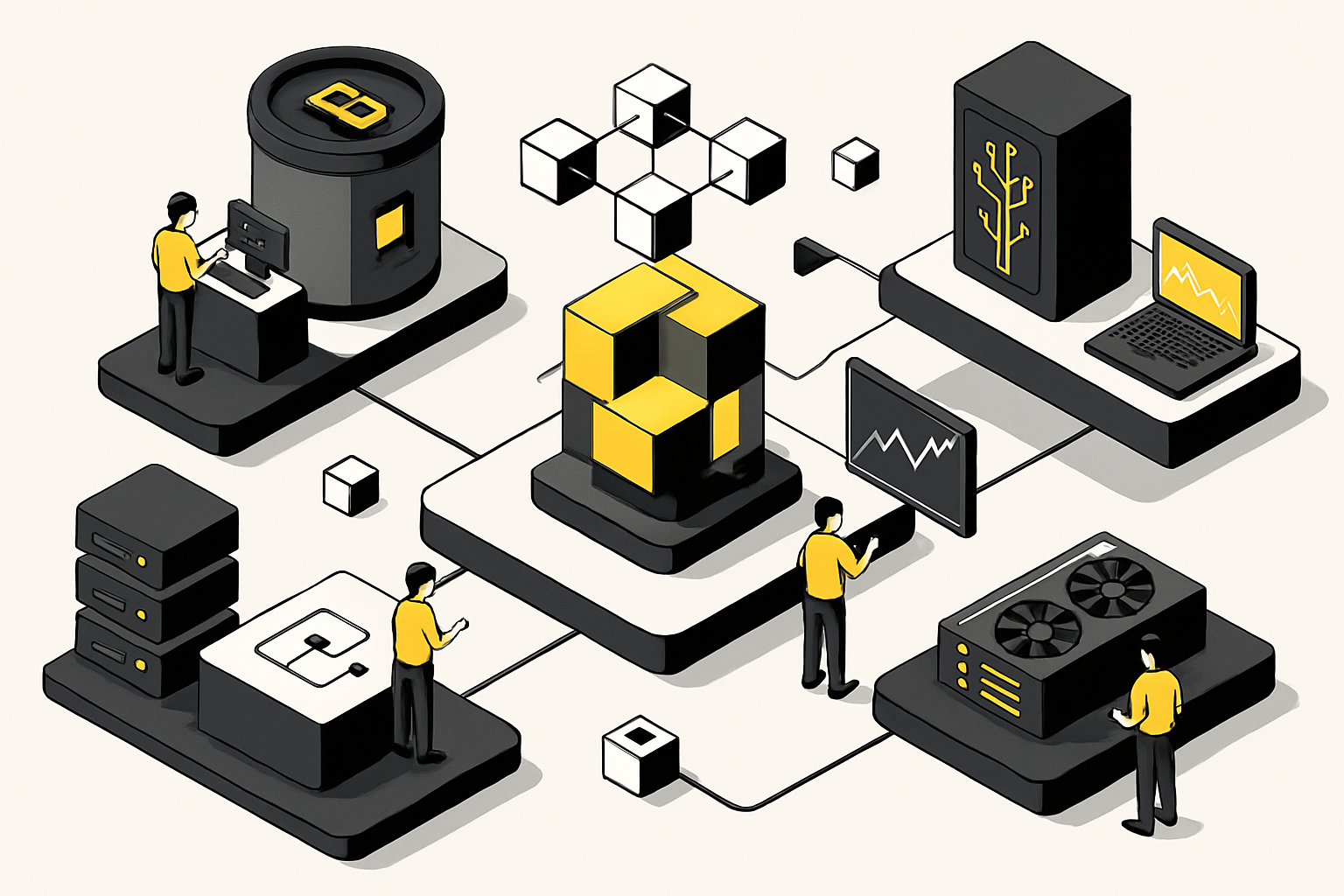
For years, the blockchain industry has grappled with the challenge of making on-chain AI computation both scalable and verifiable. Most legacy blockchains were never designed to handle the bandwidth, storage, and compute demands of modern AI workloads. 0G Labs decentralized AI protocol is a direct response to this gap, architecting a modular, infinitely scalable Layer-1 (L1) ecosystem purpose-built for next-generation AI applications and programmable compute infrastructure.
Redefining On-Chain Compute: The Modular Stack
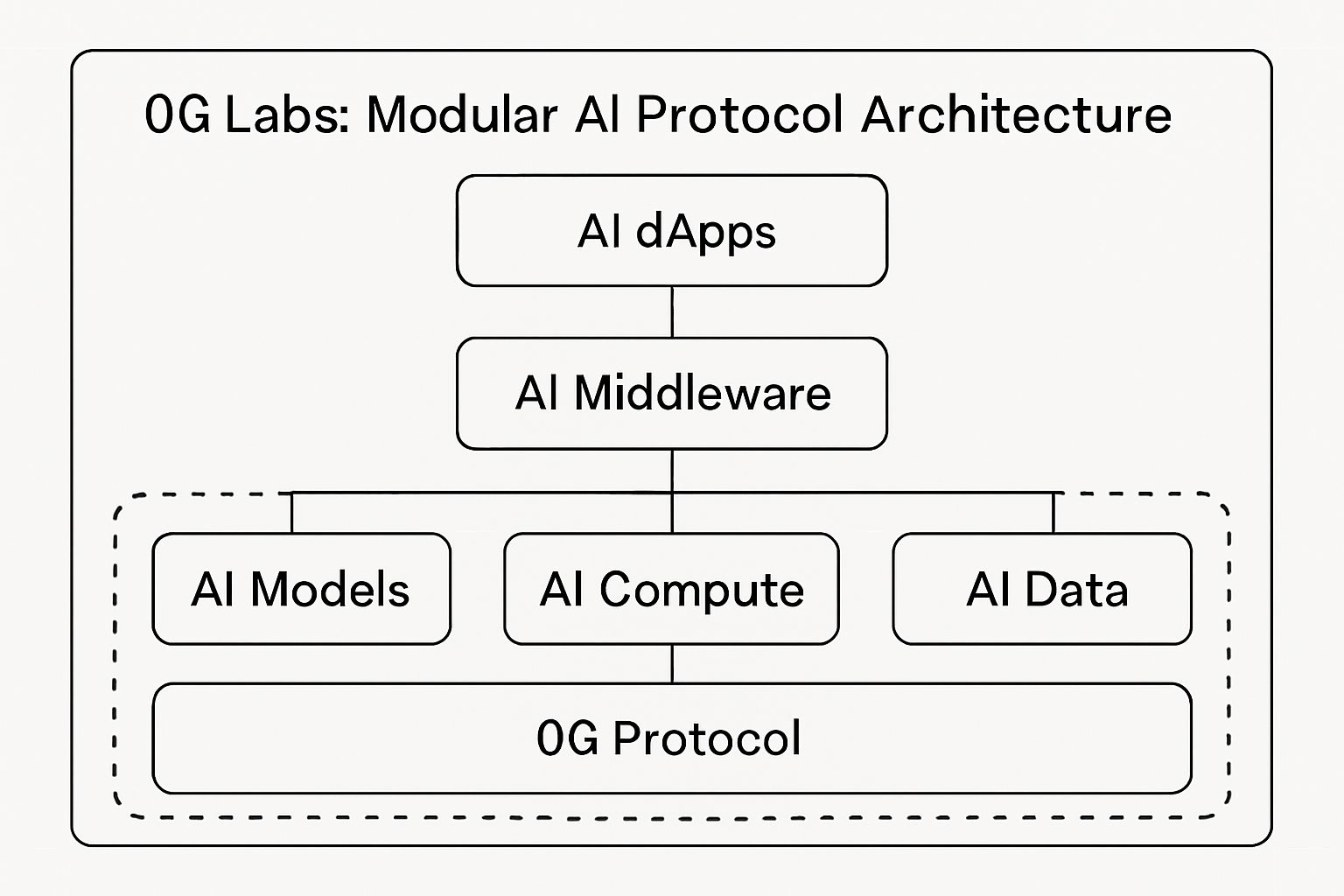
The core innovation of 0G Labs is its modular architecture, which breaks down the monolithic blockchain stack into specialized layers optimized for distinct AI functions. This approach allows each module - execution, compute, storage, and data availability - to scale independently while interoperating seamlessly as a unified decentralized AI OS. The result is a network that supports composable and verifiable intelligence at scale.
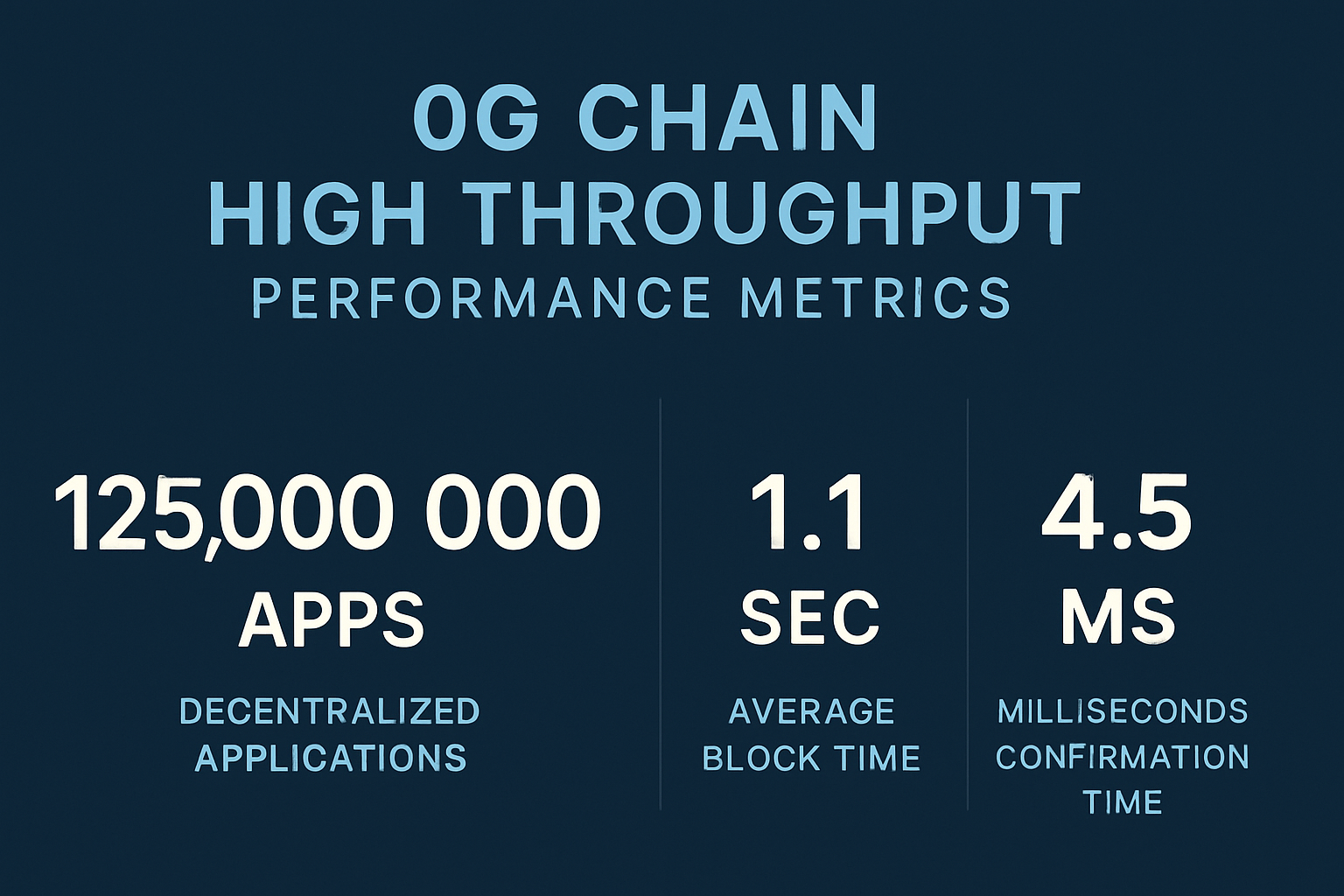
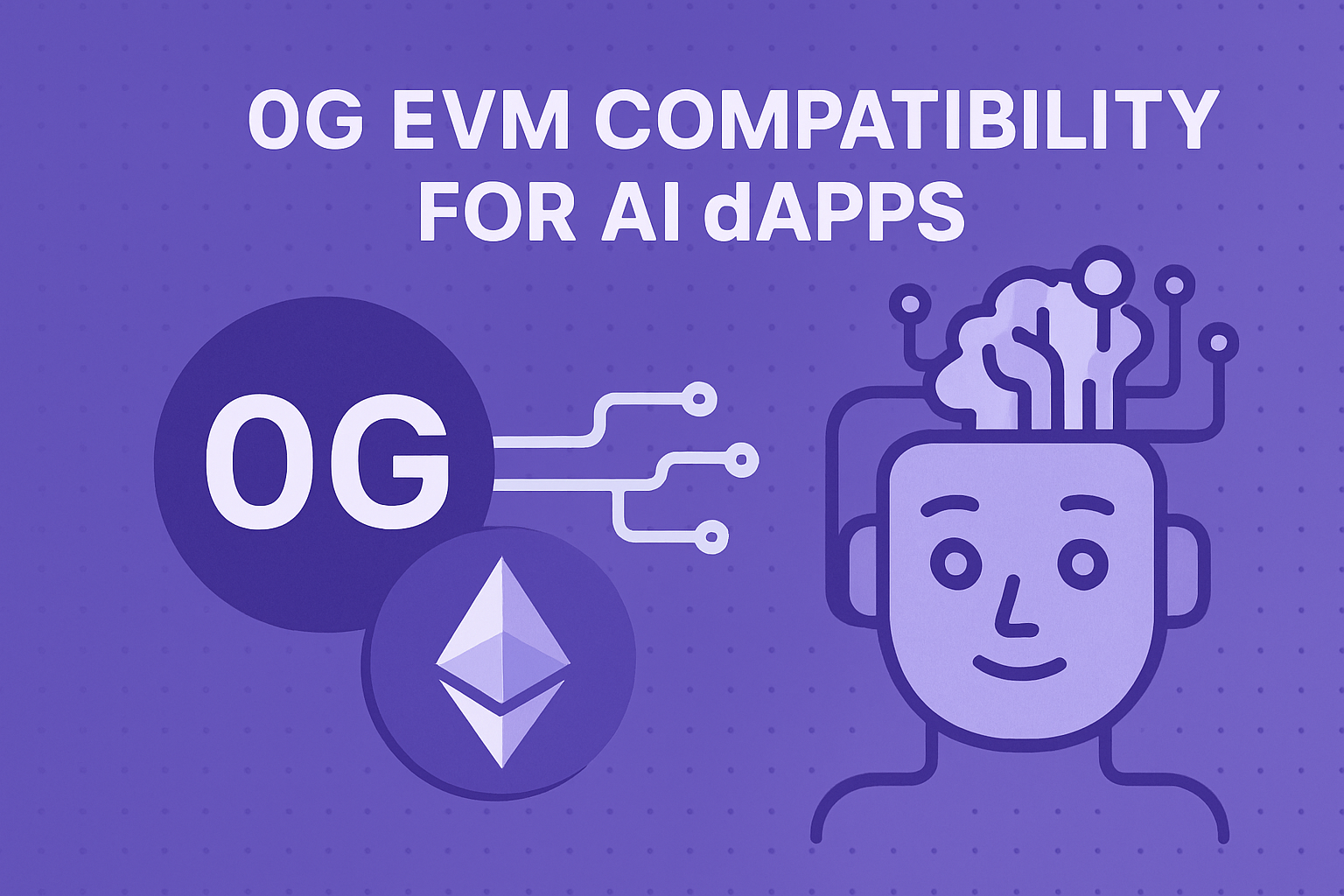
- 0G Chain (Execution Layer): Separates consensus from execution for >2,500 TPS throughput and sub-second finality. Full EVM compatibility ensures developers can port existing Ethereum dApps frictionlessly.
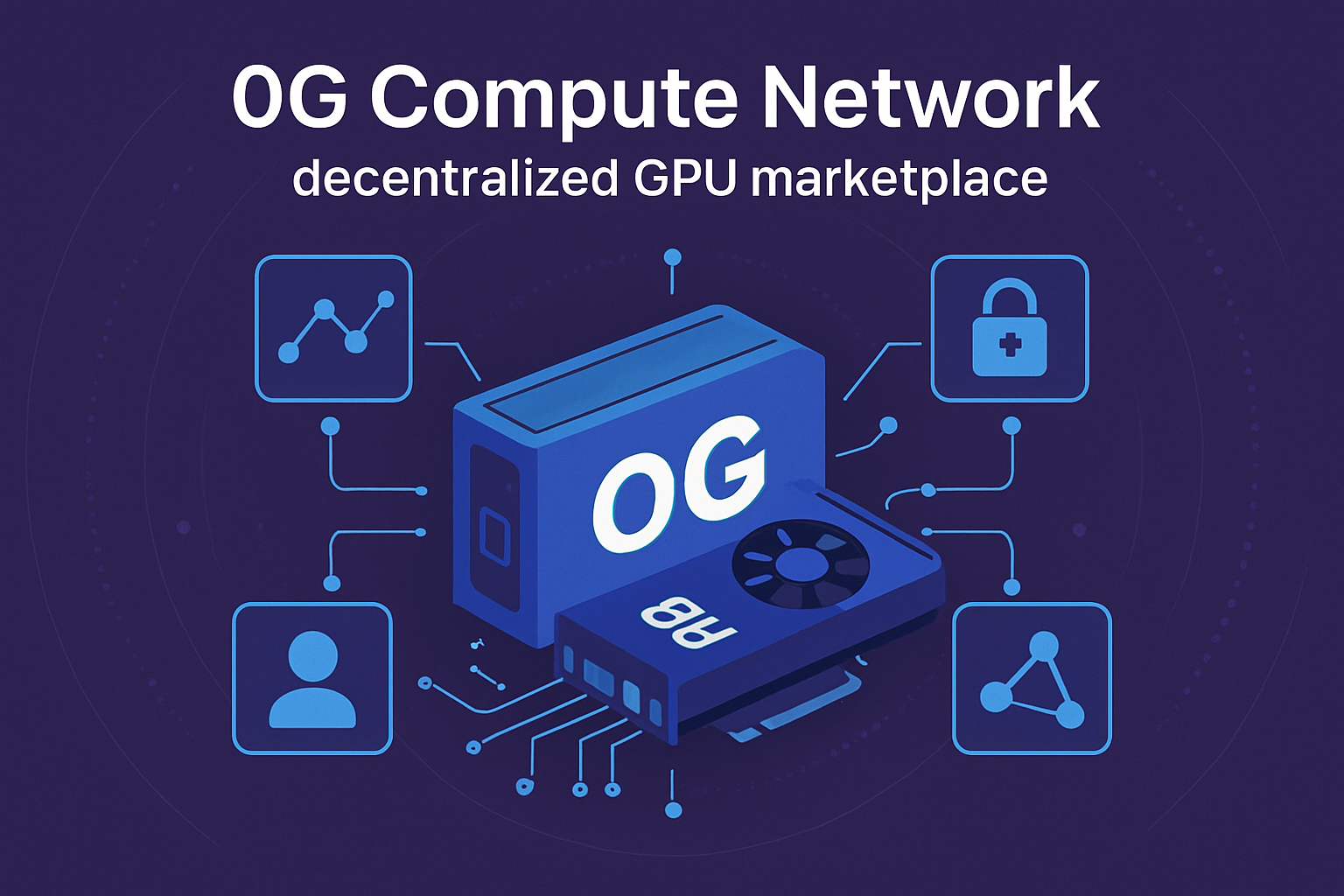
- Compute Network: A decentralized GPU marketplace where developers access global resources for inference and fine-tuning tasks on demand. This pay-as-you-go model democratizes access to high-performance compute without centralized gatekeepers.
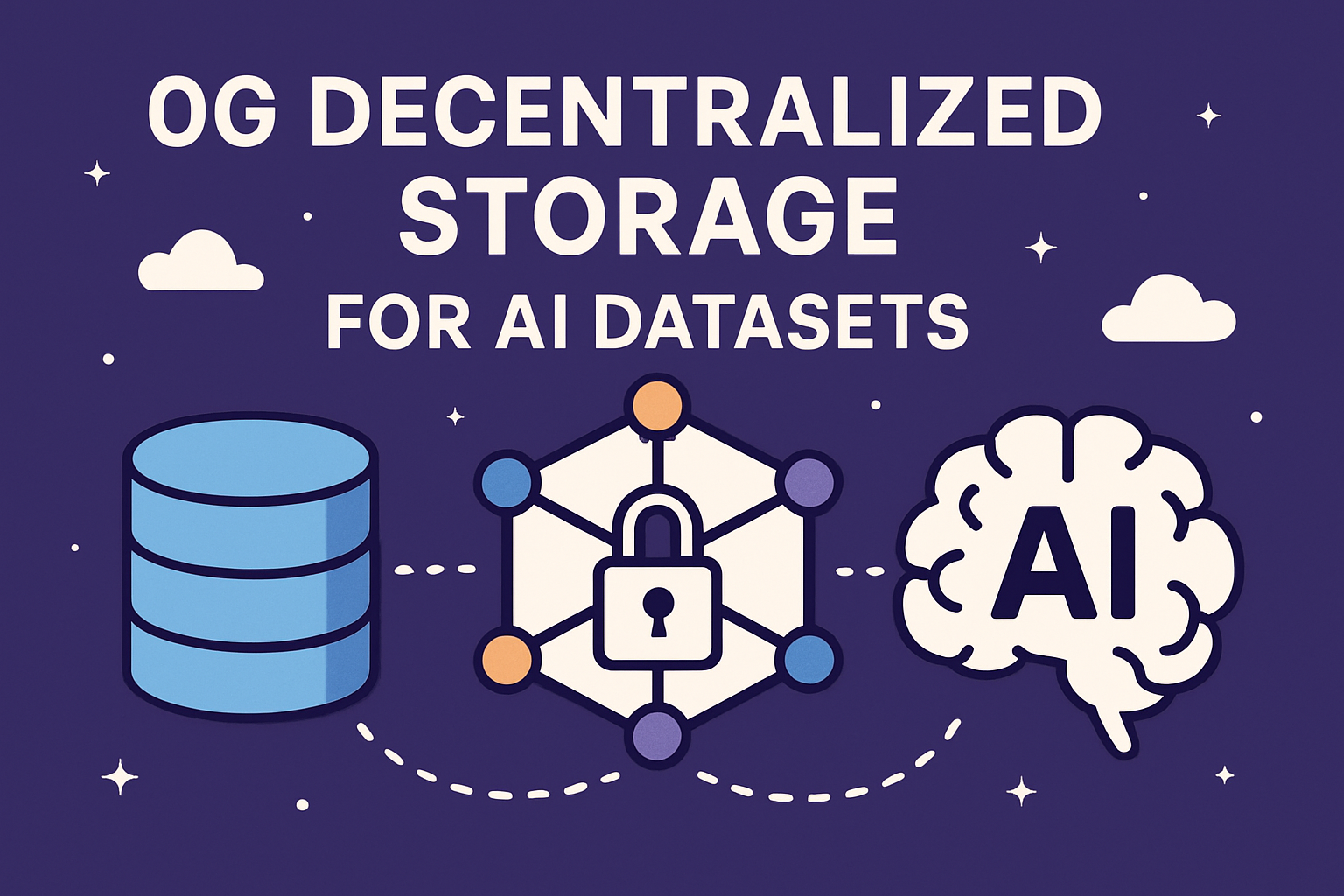
- Decentralized Storage: Optimized for massive AI datasets with high-speed retrieval and cost efficiency - a critical upgrade over traditional blockchain storage bottlenecks.
- Data Availability (DA): Guarantees scalable access to training datasets and gaming states while maintaining cryptographic verifiability across chains.
This modular design positions 0G as a foundational layer for cross-chain AI compute networks and enables composability rarely seen in traditional monolithic blockchains. For more on how modular infrastructure underpins decentralized compute networks, see our deep dive at this link.
Pioneering Decentralized AI Storage Solutions
Data is the lifeblood of artificial intelligence, yet storing terabyte-scale datasets on-chain has historically been prohibitively expensive or slow. 0G Labs tackles this with an integrated decentralized storage solution that balances speed, cost-effectiveness, and verifiability. Unlike conventional L1s where data throughput is measured in megabits per second (Mbps), 0G’s Newton Testnet demonstrated over 50 Gbps - an order-of-magnitude leap that unlocks real-time access to training sets for on-chain model development.
This breakthrough in data availability for AI blockchain applications means developers can build complex dApps - from generative art marketplaces to autonomous agents - without compromising on performance or transparency. It also lays the groundwork for broad cross-chain interoperability as new standards emerge around verifiable data pipelines in Web3 ecosystems.
Key Advantages of Modular AI Protocol Web3 Over Legacy Blockchains
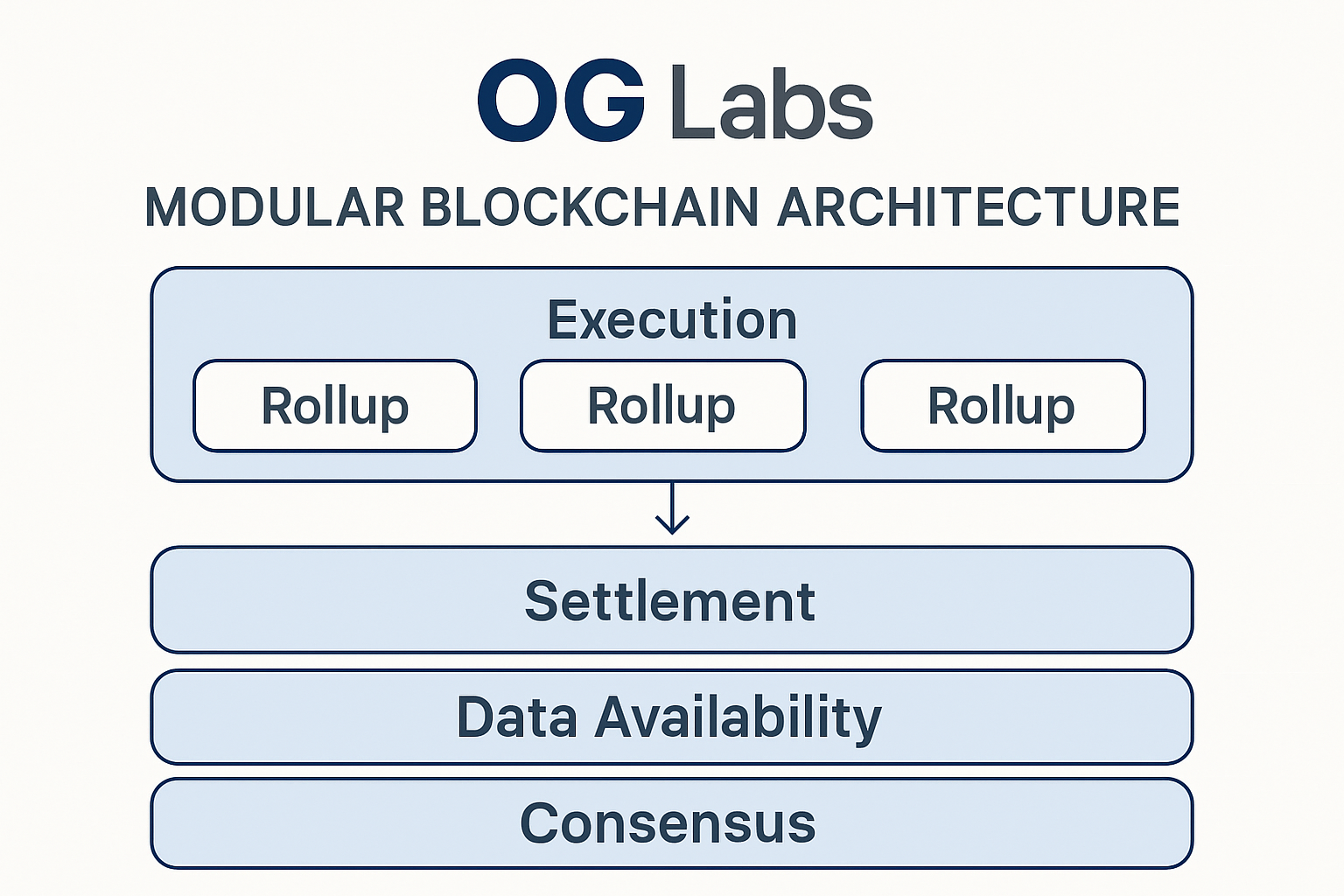
- Infinitely Scalable Modular Architecture: 0G Labs offers a modular blockchain design, separating execution, consensus, storage, and data availability layers. This enables scalable, parallel processing of AI workloads, surpassing the monolithic structures of legacy blockchains.
- Decentralized GPU Compute Marketplace: The 0G Compute Network provides a decentralized marketplace for global GPU resources, allowing developers to run AI inference and fine-tuning tasks efficiently and cost-effectively. Legacy chains lack native support for such decentralized compute markets.
- Optimized Decentralized Storage for AI Data: 0G integrates high-speed, decentralized storage solutions tailored for massive AI datasets, offering greater throughput and lower costs compared to traditional blockchain storage options.
- High Throughput and Low Latency: With over 2,500 TPS and sub-second finality on the 0G Chain, AI applications benefit from much higher performance than is possible on legacy blockchains like Ethereum or Bitcoin.
- Full EVM Compatibility: 0G maintains Ethereum Virtual Machine (EVM) compatibility, enabling seamless migration and deployment of existing Ethereum dApps while providing advanced AI capabilities.
- Verifiable and Transparent AI Execution: The modular protocol ensures verifiable, on-chain AI computations, supporting transparency and auditability—critical for trust in decentralized AI systems.
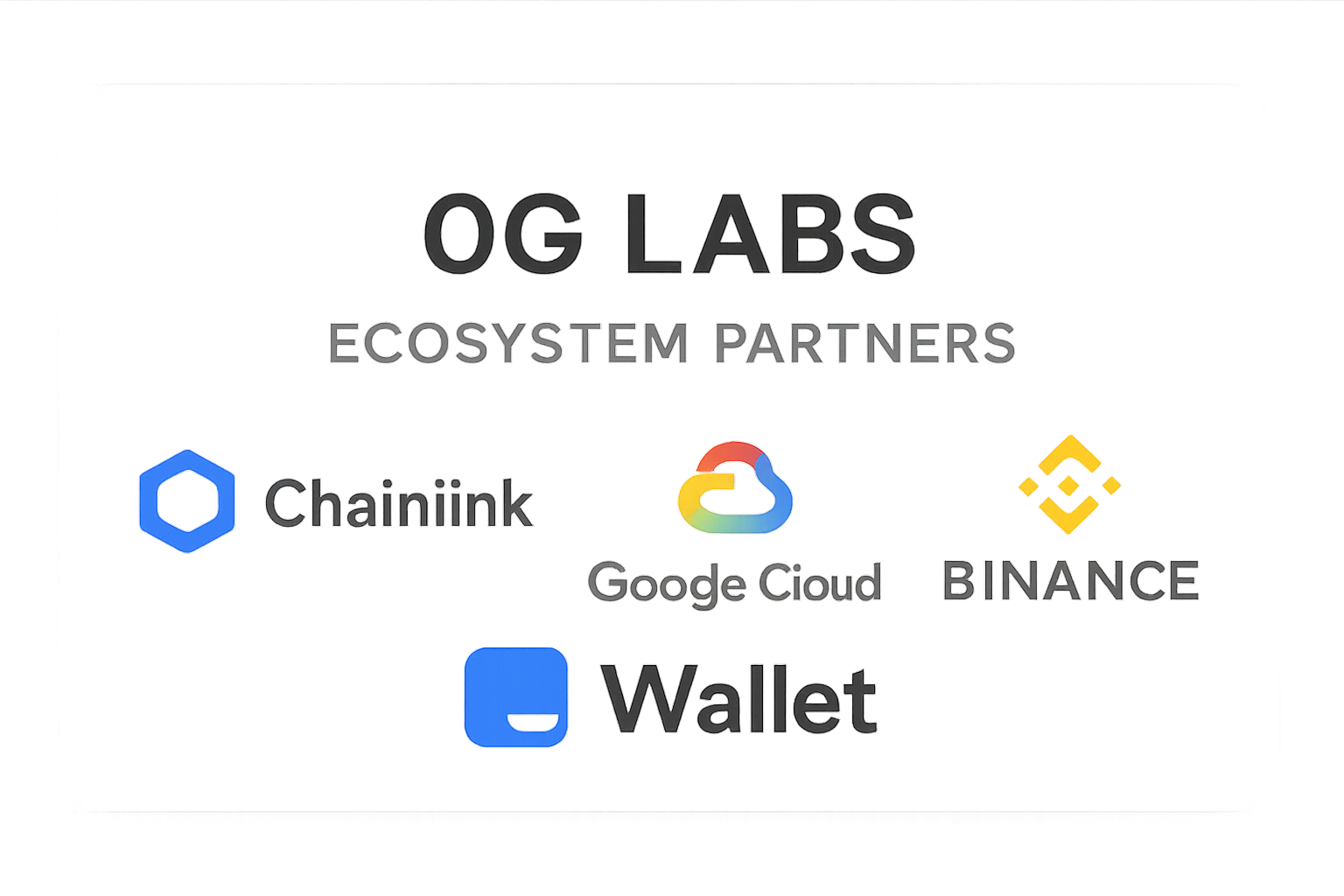
- Robust Ecosystem and Strategic Partnerships: 0G Labs has secured over 100 ecosystem partners, including Chainlink, Google Cloud, and Binance Wallet, accelerating adoption and interoperability beyond what is typical for legacy blockchain ecosystems.
Ecosystem Growth: From Testnet to Aristotle Mainnet
The rapid maturation of the 0G ecosystem is evident in its milestone launches. The Newton Testnet set new benchmarks in throughput and composability in early 2024. By September 2025, the Aristotle Mainnet launch marked a pivotal shift toward production-grade decentralized AI infrastructure. Over 100 partners joined at mainnet genesis - including Chainlink, Binance Wallet, and Google Cloud - signaling strong institutional confidence in programmable on-chain compute powered by community-owned protocols.
This momentum has been matched by significant capital inflows; notably the $35 million pre-seed round led by Hack VC in March 2024 underscored investor recognition of scalable DePIN infrastructure as foundational to future Web3-AI convergence.
With a modular, infinitely scalable Layer-1 stack, 0G Labs is not just iterating on blockchain infrastructure, it is fundamentally reimagining what’s possible for on-chain AI scalability and composability. The Aristotle Mainnet’s launch catalyzed a new wave of developer activity, as teams harness 0G’s programmable compute infrastructure for real-world use cases spanning DeFi analytics, decentralized science (DeSci), gaming, and autonomous agent frameworks. The protocol’s architecture ensures that as demand for decentralized AI compute grows, each layer, execution, compute, storage, and data availability, can scale independently, preventing the bottlenecks that have historically plagued legacy blockchains.
Crucially, the Compute Network transforms idle GPU resources worldwide into a liquid, trust-minimized marketplace. This not only democratizes access to high-performance compute but also creates new economic incentives for individuals and organizations to contribute hardware to the network. Developers can spin up inference or fine-tuning jobs on demand, paying only for what they use, without reliance on centralized cloud providers. This model is already attracting a new breed of AI-native dApps that require both verifiability and elastic scale.
Programmable, Transparent, and Composable AI
Transparency and verifiability are core to 0G’s vision of decentralized intelligence. By leveraging cryptographic proofs, the protocol enables verifiable AI execution: ensuring that model outputs and data transformations are audit-ready and tamper-resistant. The modular architecture also supports composability across chains, allowing developers to integrate 0G-powered AI services into broader Web3 ecosystems without friction. As standards for cross-chain AI compute mature, 0G’s approach positions it as a foundational layer for interoperable, programmable intelligence.
For teams building in this space, the implications are profound: decentralized AI storage solutions and verifiable compute unlock a new design space for dApps that demand both performance and trustlessness. Whether it’s real-time NFT generation, decentralized knowledge graphs, or autonomous trading agents, 0G’s infrastructure is engineered to support the next generation of composable, transparent AI applications.
What’s Next for 0G Labs and Modular AI Protocols?
As the ecosystem continues to expand, 0G Labs is focused on deepening integrations with leading Web3 projects, enhancing developer tooling, and supporting the emergence of new standards for data availability for AI blockchain workloads. The roadmap includes further scaling of the Compute Network, improved decentralized storage primitives, and ongoing optimizations to reduce latency and cost for on-chain AI tasks.
Community-driven governance and open-source development remain central to 0G’s ethos. With over 100 ecosystem partners at mainnet genesis and robust capital backing, the protocol is well-positioned to drive the next phase of programmable, decentralized intelligence. For those seeking to understand how modular infrastructure will shape the future of cross-chain AI compute, 0G Labs offers a living blueprint for scalable, secure, and efficient AI solutions in the Web3 era.




No comments yet. Be the first to share your thoughts!