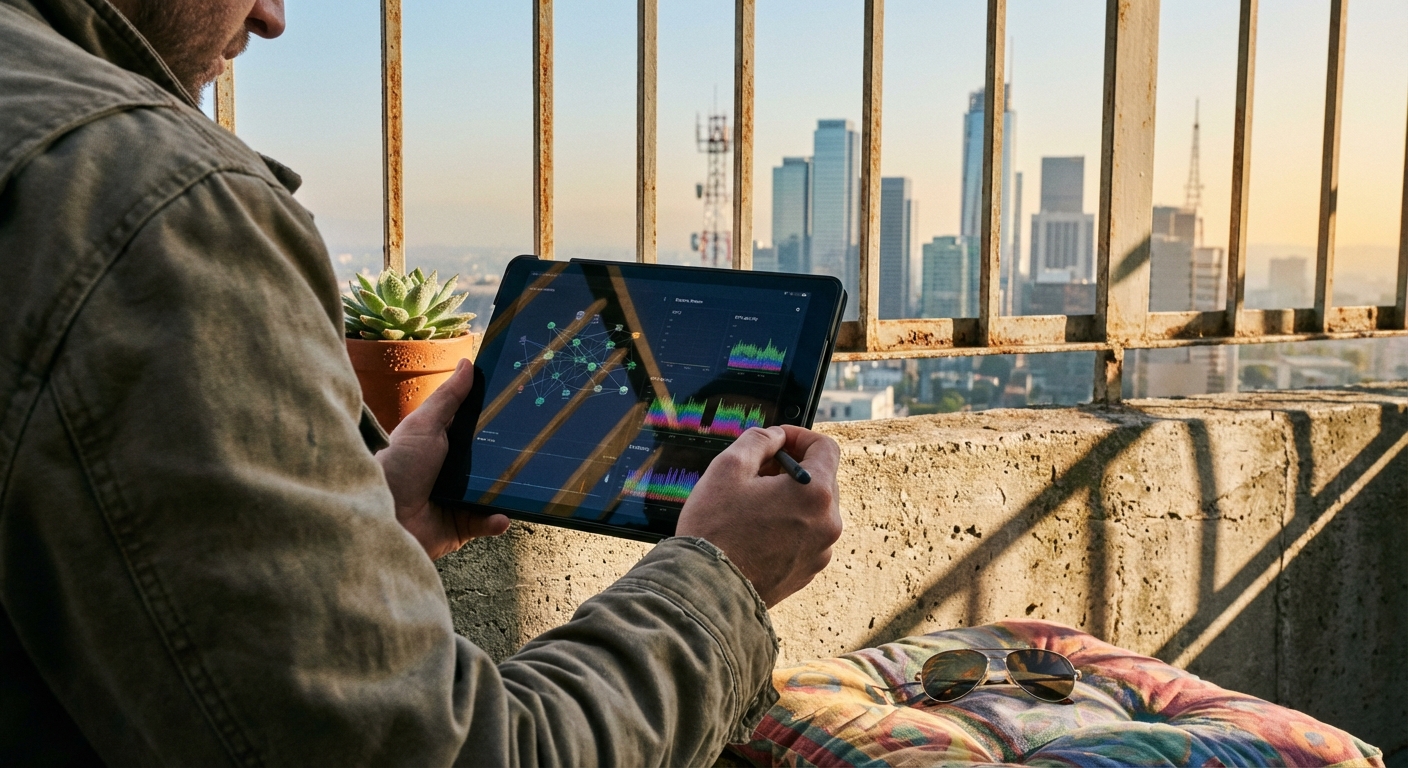
Picture this: your gaming GPU sitting idle 23 hours a day, collecting digital dust while AI developers scramble for compute power. In 2025, that's no longer a missed opportunity, it's your ticket to decentralized GPU earning through DePIN AI compute nodes. With networks exploding in adoption, everyday GPU owners are raking in crypto rewards by sharing spare cycles. We're talking real passive income from idle GPU DePIN, backed by hard stats: Render Network alone has 3,784 active nodes, Nosana over 4,200 worldwide. Ready to join the wave?
The DePIN revolution isn't hype, it's data-proven momentum. As of late 2025, these networks have flipped the script on AI compute shortages. Centralized clouds like AWS charge premium rates, but DePIN slashes costs by tapping global idle hardware. Nosana's daily active nodes jumped from 300 in 2024 to over 600 this year, powering Solana-based jobs. io. net aggregates GPUs for ML tasks at fractions of cloud prices, while POPAI's community-owned cloud rewards $POPCOIN to node runners. This isn't just earning; it's fueling the next AI boom with crypto GPU node rewards.
Why 2025 Is Prime Time for Idle GPU Monetization
DePIN's traction hits escape velocity this year. Render Network burned over 121 million RENDER tokens and distributed 2.4 million to operators, signaling massive demand for rendering and AI workloads. Nosana's grid spans continents, with node counts surging as AI training needs skyrocket. Forget stock-still rigs, platforms like these turn them into revenue streams. I've crunched the numbers: high-end GPUs like RTX 4090s can net hundreds monthly at peak demand, varying by uptime and tasks. Energy costs? Manageable if you optimize. The barrier to entry? Lower than ever, making AI compute DePIN setup accessible for gamers and miners alike.
Leading DePIN Platforms Crushing It in GPU Rewards
Top DePIN GPU Platforms
- Render Network: Decentralized GPU rendering with 3,784 active nodes, 121M RENDER burned, and 2.4M tokens distributed to operators. Learn more
- Nosana: Solana-based GPU grid with 4,200+ nodes worldwide and 600 daily active in 2025 – earn $NOS! Details
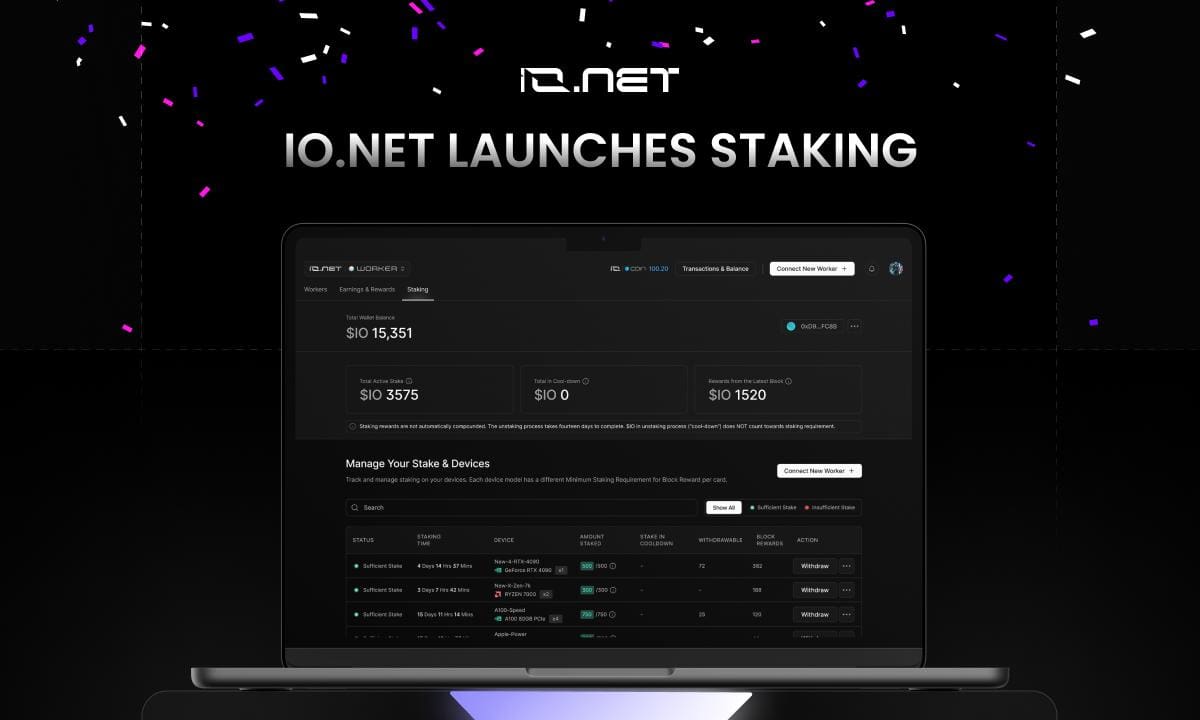
- io.net: Aggregate idle GPUs for cheap AI/ML clusters using $IO token – way cheaper than AWS! Explore
- POPAI: Community-owned GPU cloud – install node software, contribute idle power, earn $POPCOIN. Join in

Let's break down the frontrunners. Render Network connects your GPU to creators needing rendering muscle, sign up via their interest form, and you're queued as a node operator. Nosana leverages Solana's speed for quick payouts in $NOS, ideal if you're already in that ecosystem. io. net pulls from diverse sources for on-demand clusters, perfect for bursty AI jobs. POPAI stands out with its governance model; install their node software, contribute, and earn while shaping the network. Each offers dashboards for real-time earnings tracking, proving transparency beats black-box clouds.
Diving deeper, compatibility is key. Render favors NVIDIA cards with solid VRAM; Nosana checks CUDA support. Earnings scale with specs, think $0.50-$2 per GPU hour equivalent, demand-driven. I've seen operators hit 90% uptime for steady flows. Security? These platforms sandbox tasks, keeping your data locked down. Pro tip: start small, monitor power draw, and scale up. This ecosystem isn't saturated yet, early movers like you will capture the decentralized GPU earning 2025 upside.
Kickstarting Your DePIN Node: Hardware Check and Setup Essentials
Before firing up, assess your rig. Minimums vary: 8GB VRAM GPUs minimum for most, NVIDIA preferred for CUDA. Run benchmarks, platforms provide tools. Download node software next; Render's is straightforward post-onboarding. Initialize with your wallet, backup keys offline (critical!). Set resource flags for GPU pass-through, test with a sample task. Configure allocation: share 70% idle time to balance gaming. Dashboards show uptime, tasks completed, rewards accruing. It's plug-and-play for tech-savvy folks, with communities like Medium guides for Gensyn or io. net filling gaps. Deeper monetization tactics await as you ramp up.
Once your node's humming, the real magic kicks in: watching those crypto GPU node rewards stack up. Platforms like io. net let you verify GPU pass-through with a quick test task, ensuring seamless integration. Nosana's Solana backbone means near-instant payouts, while Render's queue system rewards patience with high-volume rendering gigs. POPAI adds that community twist, where your votes influence upgrades. Tweak settings via dashboards, prioritize AI inference jobs for steadier demand, and you're off to the races in idle GPU DePIN glory.
Platform Showdown: Earnings and Stats at a Glance
Comparison of Leading DePIN Platforms for GPU Monetization
| Platform | Nodes | Key Metrics | Reward Token | Primary Focus |
|---|---|---|---|---|
| Render Network | 3,784 active on-chain | 121M RENDER burned, 2.4M distributed | RENDER | Decentralized GPU rendering for creators |
| Nosana | 4,200 worldwide | 600 daily active nodes | NOS | Decentralized GPU compute grid on Solana |
| io.net | N/A | Low-cost AI clusters | IO | Scalable GPU clusters for AI/ML tasks |
| POPAI | N/A | Community-owned GPU cloud | POPCOIN | Decentralized community-driven GPU cloud |
Numbers don't lie, and this table underscores why these networks dominate DePIN AI compute nodes. Render leads in scale, torching tokens to fight inflation while operators cash in on creative workloads. Nosana's node explosion from 300 to 600 daily actives screams adoption, especially for Solana holders chasing $NOS yields. io. net disrupts with cluster agility, undercutting AWS by 90% on GPU hours for ML devs. POPAI? It's the dark horse, turning idle rigs into governed clouds with $POPCOIN incentives. Pick based on your GPU's strengths: rendering beasts shine on Render, CUDA kings on io. net.
Real-world yields? A mid-tier RTX 3080 at 80% uptime pulls $50-150 monthly on Nosana during peaks, scaling to $300 and for 4090s on Render. Demand spikes with AI hype cycles, like fine-tuning LLMs or generative art. I've tracked operators hitting 20% ROI post-electricity, purely from spare time. Compare that to dust-gathering hardware.
Maximizing Profits: Optimization Hacks and Pitfalls to Dodge
Optimization separates casual earners from power nodes. First, electricity: a 4090 sips 450W under load, so time-share with solar if possible or off-peak hours. Use platform flags to throttle during high personal use, maintaining 95% uptime scores for bonus rewards. Diversify across two networks, like Render for rendering and io. net for AI bursts, hedging demand dips. Security stays ironclad; tasks run in containers, no access to your files. Still, firewall up, keys cold-stored. Avoid FOMO buys, stick to proven hardware.
Pitfalls? Overheating from 24/7 loads, fixed with undervolting tools. Token volatility, but staking options on Nosana stabilize. Network queues, like Render's onboarding, mean 1-2 weeks wait, but Gensyn-style guides speed it. Energy math: at $0.15/kWh, a full rig nets positive above 50% utilization. Track via apps, adjust dynamically. This isn't set-it-forget-it entirely, but 15 minutes weekly keeps rewards flowing.
Zoom out, and decentralized GPU earning 2025 reshapes AI economics. Centralized giants hoard supply, jacking prices; DePIN floods it with 4,000 and nodes per network. Developers get cheap compute, you get paid. Gensyn's marketplace vibe hints at more entrants, but frontrunners hold moats in liquidity and trust. Early positioning pays: Nosana's growth trajectory suggests 10x node jumps by 2026.
Stake your claim now. Grab that interest form, spin up the software, and transform idle silicon into a revenue engine. The AI compute wave crashes hard, and AI compute DePIN setup is your surfboard. Ride it with data, not dreams, and watch passive crypto compound. Your GPU's future starts today.

No comments yet. Be the first to share your thoughts!