
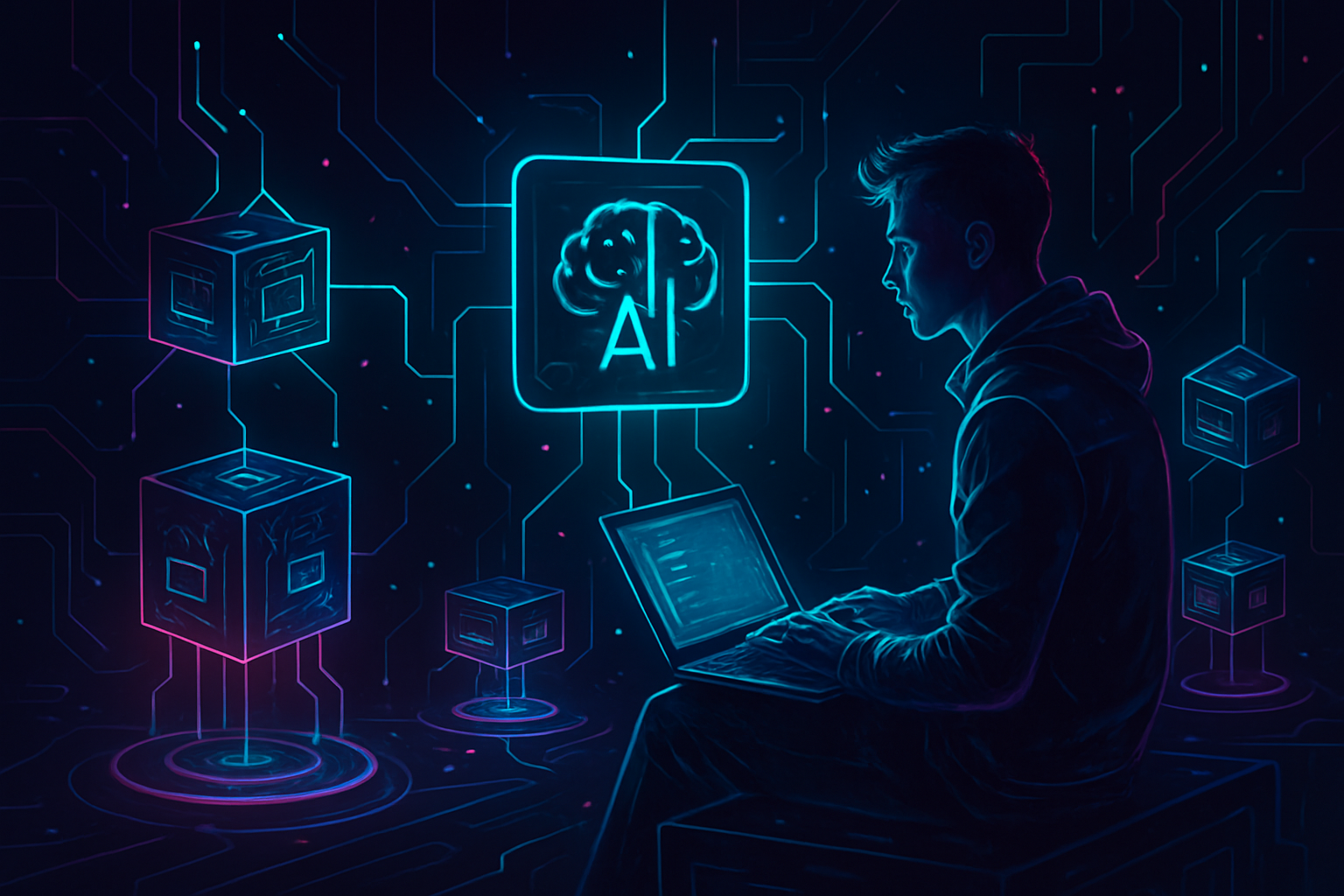
The rapid emergence of the DePIN node ecosystem is redefining how artificial intelligence infrastructure is built, operated, and monetized. Unlike traditional centralized cloud providers, decentralized AI compute networks empower individuals and organizations to contribute their own hardware, be it a spare GPU, a dedicated server, or even an edge device, to a global pool of computational resources. This model not only democratizes access to powerful AI capabilities but also creates tangible earning opportunities for node operators.
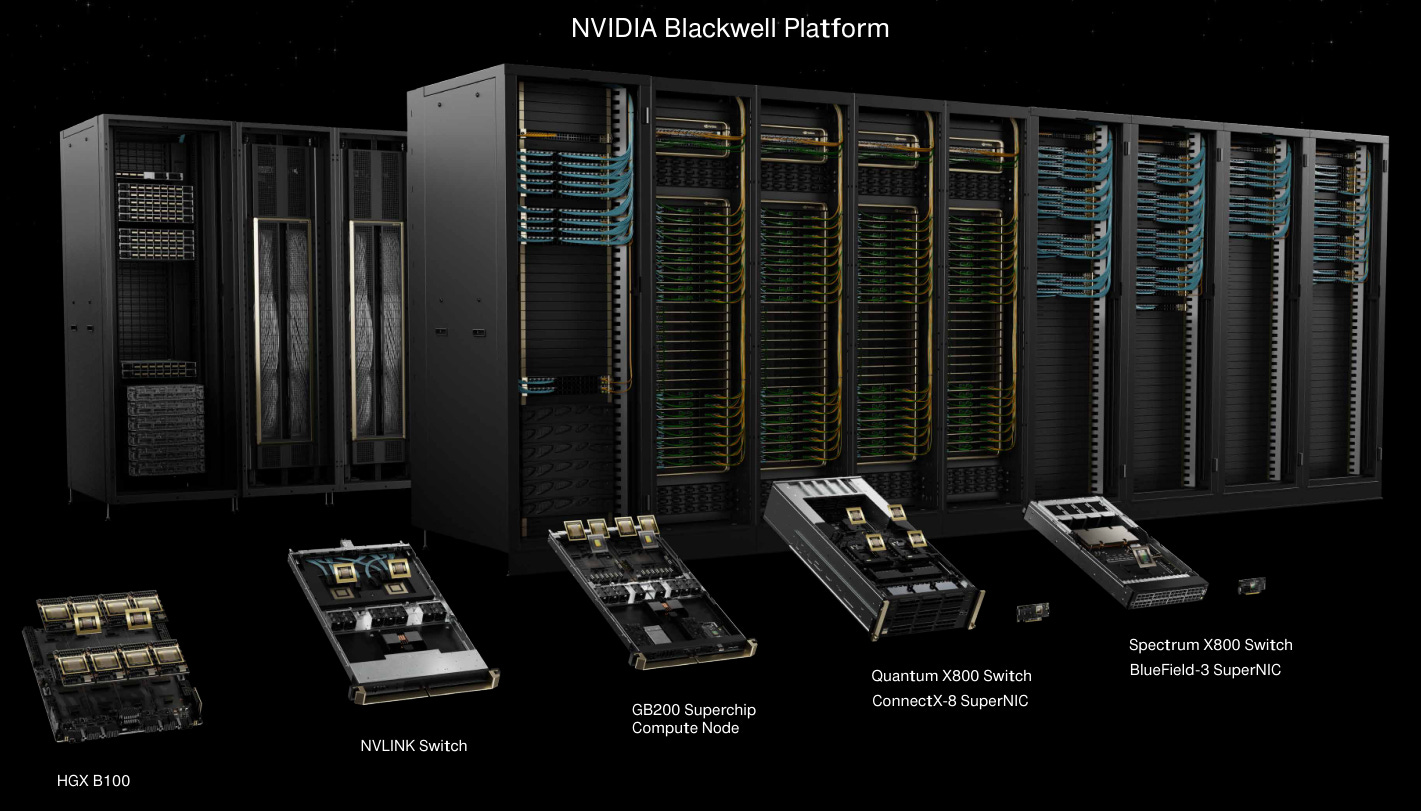
How Decentralized AI Compute Nodes Work
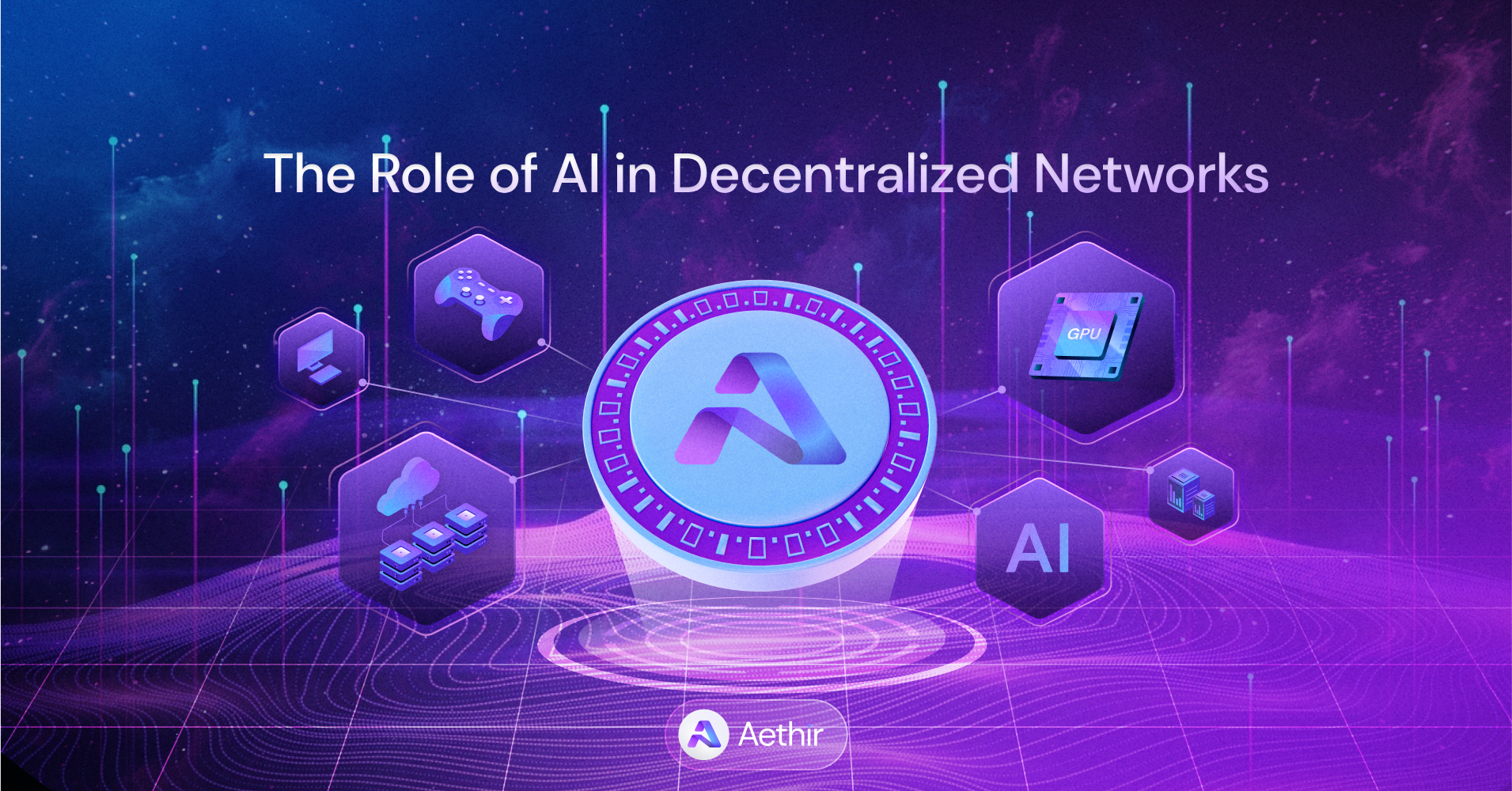
At the heart of every decentralized AI network are the nodes: independent machines that process workloads such as model training, inference, or data storage. These can range from high-end Nvidia RTX 4090 GPUs to clusters of consumer-grade hardware, all connected via blockchain protocols that coordinate tasks and distribute rewards.
Decentralized networks like NodeGoAI, SOMPUTER, and Society AI have developed robust frameworks where anyone can participate by running a node. For example, Society AI is ambitiously targeting a 100,000-node network to redistribute GPU power across its community-driven infrastructure (docs.societyai.com). Meanwhile, platforms such as NodeGoAI provide secure marketplaces for trading compute resources using blockchain for transparency (en.wikipedia.org). These innovations are making it possible for everyday users to plug into the rapidly growing world of decentralized AI.
Earning Potential: Real-World Examples and Metrics
The financial incentives for operating in this space are increasingly attractive. Take Sogni’s Supernet as a case in point, GPU owners running high-performance nodes (such as those equipped with Nvidia RTX 4090s) have reported monthly earnings around $350 per month. This figure reflects current market dynamics and highlights the viability of passive income through AI compute node earning (sia.hackernoon.com).
Other platforms like PAI3 offer diversified earning avenues: you can run nodes directly, lease your hardware to others, contribute valuable datasets, or even publish your own AI agents, all while being rewarded in native tokens (pai3.ai). The flexibility in participation models means there’s an entry point for almost every level of technical expertise and resource commitment.
Key Platforms Powering the DePIN Node Ecosystem
Top 5 Decentralized AI Compute Networks for Node Operators
- IO.NET: A leading AI compute DePIN platform, IO.NET connects GPU owners with AI developers, allowing users to monetize idle GPU resources. Node operators earn rewards by providing compute power for AI model training and inference, contributing to a scalable, decentralized infrastructure.

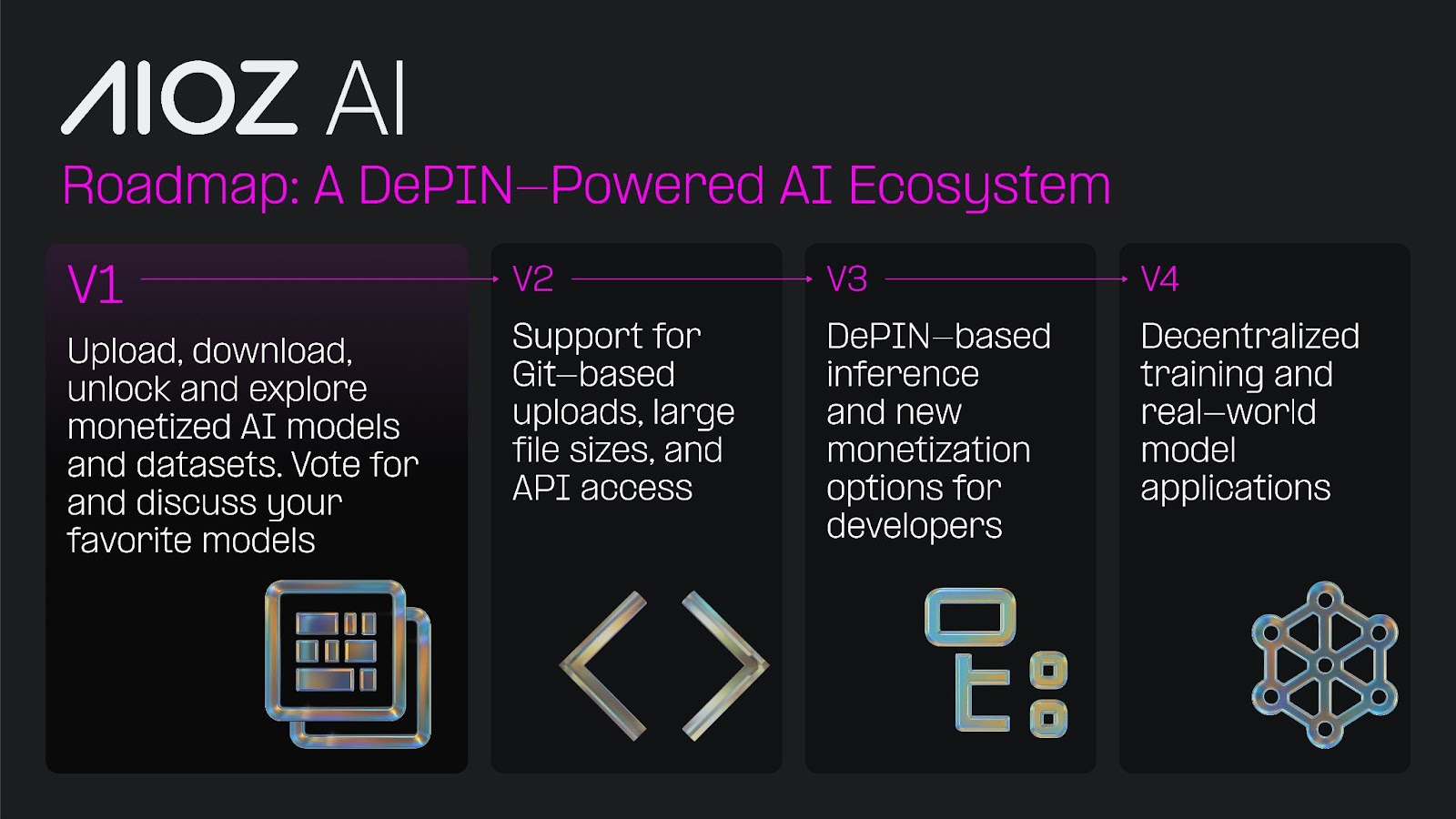
- AIOZ Network: Powered by thousands of global edge nodes, AIOZ enables individuals to contribute spare computing power for AI and video processing tasks. Node operators are rewarded in AIOZ tokens, supporting a robust decentralized content delivery and AI compute ecosystem.
- Sogni Supernet: Sogni’s Supernet empowers GPU owners to process AI workloads and earn SOGNI tokens. High-performance nodes, such as those with Nvidia RTX 4090 GPUs, can reportedly earn around $350 per month, making it a lucrative option for those with powerful hardware.
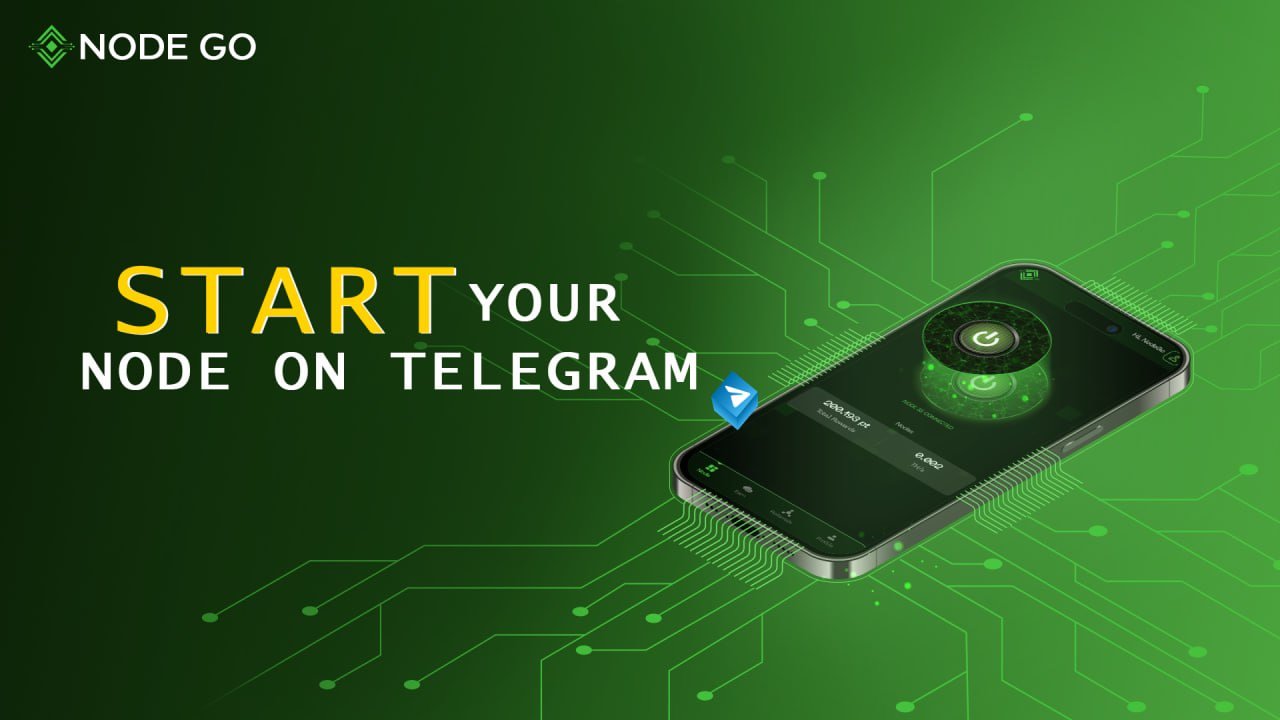
- NodeGoAI: Established in 2021, NodeGoAI allows users to monetize unused computing power by transforming it into resources for AI and high-performance computing. The platform utilizes blockchain for secure trading of compute resources, aiming for transparency and trust.
- Society AI: With a goal of building a 100,000-node network, Society AI redistributes GPU power to support AI training, inference, and data storage. Node operators help create a community-driven, decentralized infrastructure and are incentivized for their contributions.
The landscape is broadening rapidly with notable projects:
- AIOZ Network: Relies on thousands of global edge nodes run by individuals contributing spare compute power (AIOZ Network).
- SOMPUTER: Fosters trust through blockchain-based transparency while allowing both individuals and enterprises to join the ecosystem.
- Society AI: Focuses on redistributing idle GPU power at scale.
- NodeGoAI: Specializes in monetizing unused computing capacity via its protocol.
- Sogni’s Supernet: Offers direct token rewards for processing distributed AI workloads.
This diversity gives prospective operators multiple entry points depending on their available hardware and risk appetite.
Navigating Requirements: What You Need Before You Start Earning
If you’re considering joining this new wave of edge compute DePIN nodes, preparation is key. Hardware remains the primary investment, higher-tier GPUs will naturally command higher rewards but come with increased upfront costs and energy usage. Equally important is ensuring stable internet connectivity; downtime translates directly into lost revenue opportunities.
You’ll also need to pay close attention to network-specific requirements around security protocols and software updates. Each platform has its own onboarding process, some require staking tokens as collateral while others operate on open-access models designed for maximum inclusivity. Carefully reviewing these parameters will help you maximize your earning potential while minimizing operational risks.
As the DePIN node ecosystem matures, new entrants must weigh the balance of opportunity and responsibility. Running a decentralized AI compute node isn’t just about plugging in a GPU and watching tokens roll in. It’s an ongoing commitment that involves monitoring your hardware, optimizing for efficiency, and staying current with platform developments.
Risk Factors and Community Insights
While the rewards are real, so are the risks. Market volatility can impact token values and thus your earnings. Hardware depreciation is another consideration, intensive AI workloads can accelerate wear on GPUs or servers, potentially shortening their useful lifespan. Energy costs remain a wild card; as electricity prices fluctuate, so does your bottom line.
Some critics point out that certain DePIN projects may prioritize hardware sales over genuine decentralization or utility. For instance, skepticism around proprietary hardware requirements has surfaced in community discussions, with some warning that not all platforms offer equal value to node operators.
Best Practices for Maximizing Returns
To get the most from your node operation, whether you’re focused on AI compute node earning, supporting decentralized internet systems, or providing edge compute resources, it pays to adopt a disciplined approach:
- Diversify across platforms: Don’t put all your compute eggs in one basket. Spreading your resources across multiple networks can help smooth out returns.
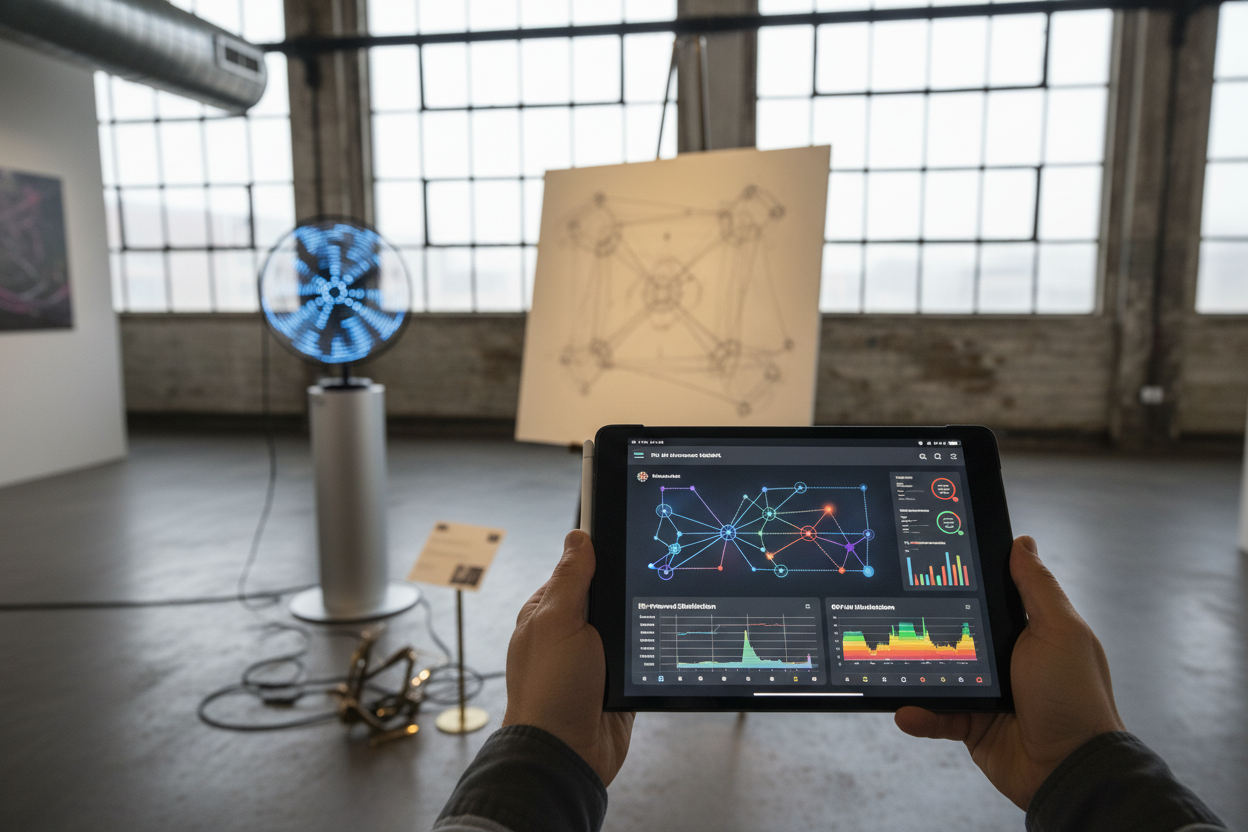
- Monitor performance metrics: Use dashboards provided by platforms like NodeGoAI or Sogni’s Supernet to track uptime, workload processed, and token rewards in real time.
- Stay engaged with the community: Forums, Discord channels, and governance proposals often provide early warnings about protocol changes or new earning opportunities.
The Future of Decentralized AI Compute Networks
The trajectory is clear: as demand for artificial intelligence grows globally, decentralized infrastructure will play an increasingly vital role in meeting computational needs at scale. Projects like Society AI aiming for a 100,000-node network indicate just how ambitious this sector has become (docs.societyai.com). Meanwhile, established players like NodeGoAI continue refining protocols for secure resource sharing (en.wikipedia.org).
This evolution also brings new models for participation: fractional ownership of nodes, pooled staking arrangements, and even data contribution rewards are emerging as ways to broaden access beyond traditional hardware operators.
Frequently Asked Questions about DePIN Node Ecosystems
The rise of decentralized AI compute networks is reshaping who gets to participate, and profit, in the next wave of digital infrastructure. Whether you’re an investor seeking passive income or a technologist passionate about distributed systems, understanding both the mechanics and market realities of DePIN nodes will help you make informed decisions in this rapidly evolving space.



No comments yet. Be the first to share your thoughts!