

Why AI agents dominate 2026 DeFi
The shift from passive DeFi to autonomous AgentFi is no longer theoretical. In 2026, the industry has moved beyond experimental prototypes to deploy AI systems that actively decide, execute, and scale on-chain operations. This transition marks a structural change in how capital is managed, with autonomous software now handling complex tasks like yield optimization and security auditing without constant human intervention.
A critical component of this evolution is the regulatory and identity shift from "Know Your Customer" (KYC) to "Know Your Agent" (KYA). As highlighted by a16z Crypto, verifying the behavior and intent of an autonomous agent has become as important as verifying the human behind it. This framework allows protocols to trust the execution logic of the AI, enabling seamless integration of agents into high-stakes financial workflows.
This inflection point is driven by the maturity of AI infrastructure. Projects like Bittensor (TAO) and Virtuals Protocol (VIRTUAL) are providing the necessary backbone for these agents to operate reliably. The result is a DeFi landscape where efficiency is no longer limited by human attention spans, but by the computational power and strategic accuracy of the agents deployed.
5 Decentralized AI Agents Reshaping DeFi in 2026
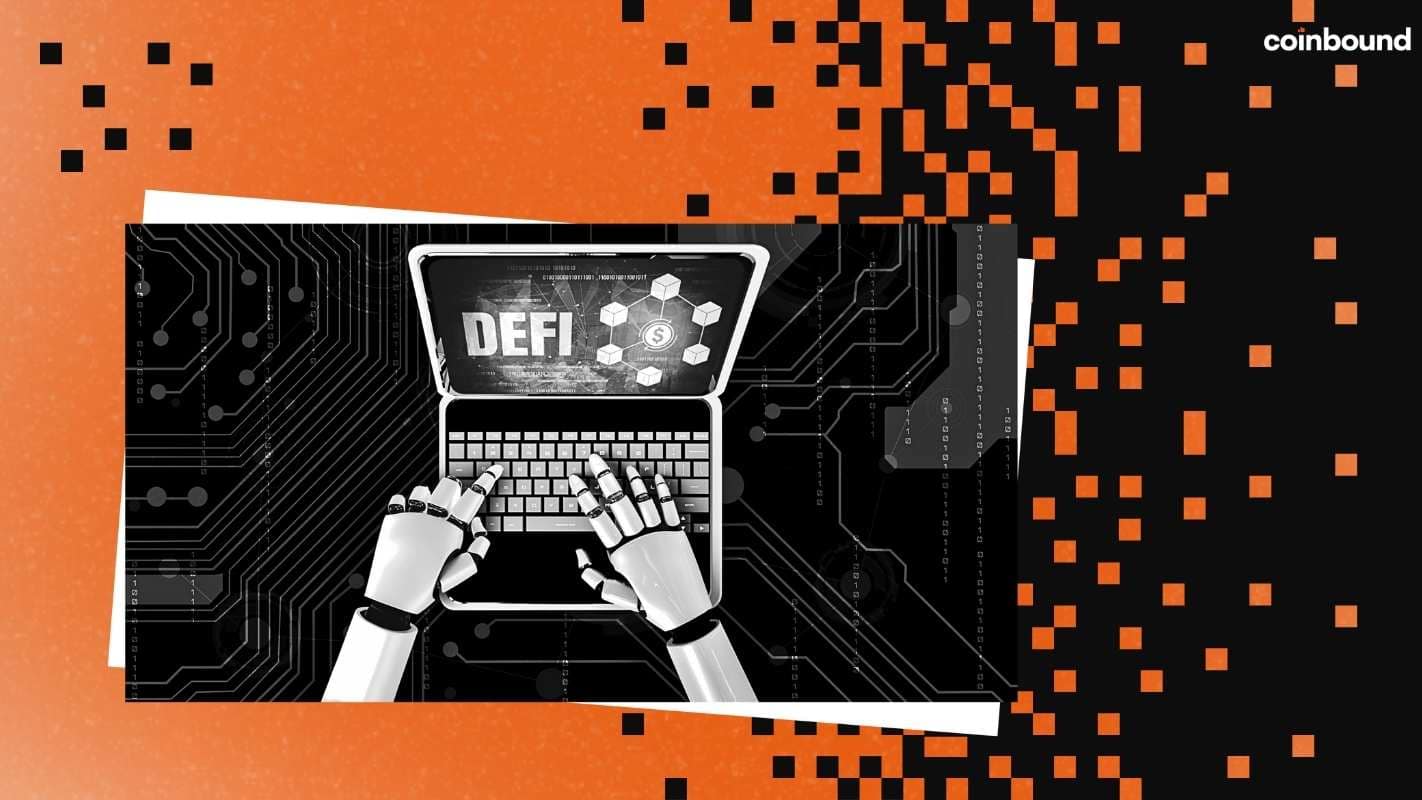
By 2026, decentralized AI agents have evolved from experimental prototypes into core infrastructure for DeFi protocols. These autonomous systems now execute complex strategies in liquidity provision and risk management, driven by verifiable on-chain data rather than speculative hype.
-

Autonomous yield optimization agent
Autonomous yield optimization agents continuously scan decentralized lending protocols to reallocate capital toward the highest risk-adjusted returns. These systems monitor interest rate fluctuations and impermanent loss risks in real-time, executing complex strategies without human intervention. By leveraging predictive analytics, they minimize downtime between positions, ensuring capital efficiency remains maximized across volatile market conditions while maintaining strict risk parameters. -

Cross-chain liquidity rebalancing bot
Cross-chain liquidity rebalancing bots address fragmentation by automatically shifting stablecoin reserves across multiple blockchains to maintain optimal depth. These agents monitor bridge fees and slippage metrics, executing trades only when the net benefit outweighs transaction costs. This dynamic redistribution prevents liquidity bottlenecks during high-volume periods, ensuring traders experience consistent execution quality regardless of the underlying network congestion or asset volatility. -
Decentralized credit risk assessor
Decentralized credit risk assessors analyze on-chain transaction histories and collateral health to generate dynamic credit scores for borrowers. Unlike traditional models, these AI agents incorporate real-time data feeds to adjust risk ratings instantly upon market shifts. This enables more accurate loan-to-value ratios and reduces default probabilities by providing lenders with granular, up-to-the-minute insights into borrower solvency and repayment capacity. -
Automated arbitrage execution engine
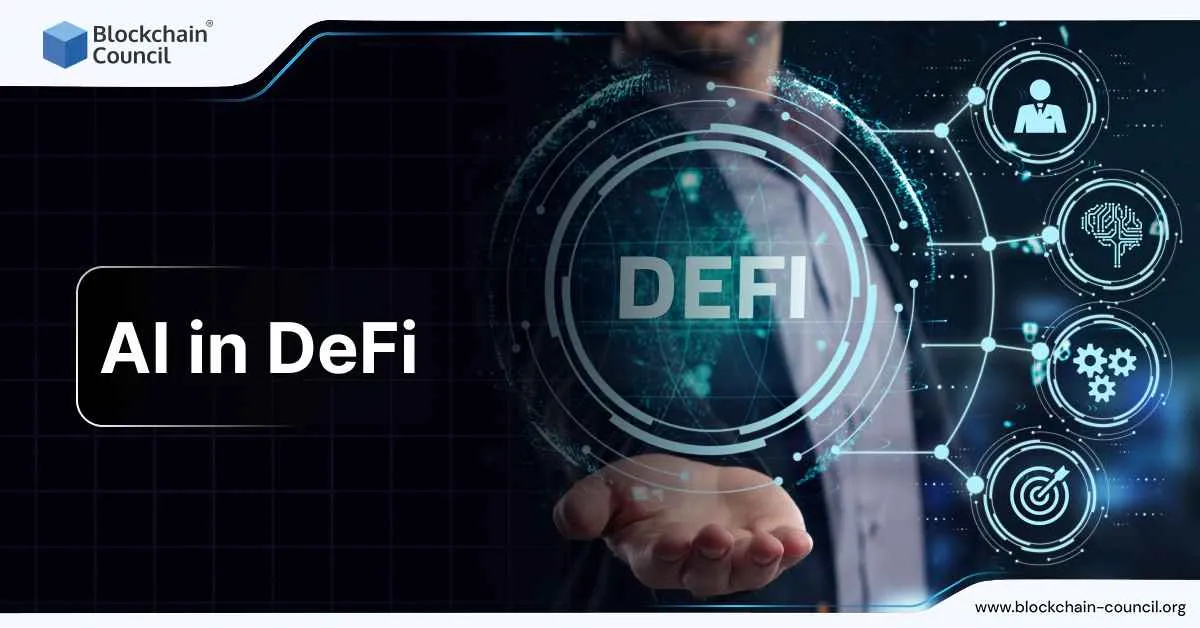
Automated arbitrage execution engines identify price discrepancies across decentralized exchanges and execute trades within milliseconds to capture risk-free profits. These systems utilize advanced latency optimization and gas fee estimation to ensure profitability even in thin markets. By continuously monitoring order books and mempool activity, they maintain market efficiency and provide liquidity providers with steady revenue streams from spread exploitation. -

Smart contract vulnerability scanner
Smart contract vulnerability scanners employ machine learning models to detect potential security flaws before deployment or during active operation. These agents analyze code patterns against known exploit vectors, identifying reentrancy risks and logic errors that traditional audits might miss. By providing continuous monitoring, they offer an additional layer of defense, alerting developers and users to emerging threats in real-time and preventing costly hacks.
Comparing agent capabilities and risks
Choosing the right decentralized AI agent requires weighing three competing factors: autonomy, security, and operational complexity. While the 2026 market cycle is defined by agents that "act, decide, and execute" rather than merely respond, not all autonomous systems are built for the same environment. Some prioritize high-frequency trading on Ethereum, while others focus on cross-chain liquidity management or Bitcoin-native yield strategies.
The following comparison breaks down the five leading agents based on their primary use cases, supported blockchain infrastructure, and the degree of human oversight they require. This structured view helps you identify which agent aligns with your risk tolerance and technical infrastructure.
| Agent | Autonomy Level | Primary Chains | Primary Use Case |
|---|---|---|---|
| Hyperdope | High (Bitcoin-native) | Bitcoin, Lightning | Autonomous AI economy and tokenization |
| Bittensor (TAO) | Medium (Network-based) | Ethereum, TAO Subnets | Decentralized machine learning marketplace |
| NEAR AI Agent | High | NEAR, Ethereum | Cross-chain DeFi automation |
| Render Agent | Medium | Ethereum, Solana | GPU compute allocation and rendering |
| Virtuals Protocol | High | Ethereum, Base | Social and community management bots |
The trade-off is clear: higher autonomy often correlates with increased complexity in security auditing. Agents operating natively on Bitcoin, like Hyperdope, face unique constraints due to the network's limited scripting capabilities, yet they offer a distinct advantage in settlement finality. Conversely, agents on Ethereum and its Layer 2s benefit from mature smart contract ecosystems but must navigate higher gas fees and potential congestion during peak market activity.
When evaluating these tools, look beyond the hype. The most robust agents in 2026 are those that have moved past experimental phases to demonstrate consistent, auditable execution in live market conditions. Always verify the agent's governance model and how it handles unexpected market volatility before deploying capital.



As an Amazon Associate, we may earn from qualifying purchases.
Security and regulatory considerations
Autonomous agents introduce unique attack vectors that traditional smart contract audits often miss. Because these systems can execute complex, multi-step transactions across different protocols, a single vulnerability in the AI model’s reasoning layer can lead to significant fund drainage. Developers must prioritize "know your agent" (KYA) frameworks alongside standard KYC protocols to verify the integrity of the autonomous entities interacting with wallets and APIs.
The regulatory landscape is evolving rapidly as governments grapple with the liability of autonomous code. Current guidelines increasingly focus on transparency and audit trails, requiring agents to maintain clear logs of their decision-making processes. This shift demands that DeFi protocols integrating AI agents implement robust monitoring systems to detect anomalous behavior before it triggers irreversible on-chain actions.
Frequently Asked Questions About AI Crypto
As the AgentFi ecosystem matures, specific questions about market direction and technological utility dominate search trends. The following answers address common queries regarding the most promising assets and the practical role of autonomous agents in 2026.
Which AI crypto will boom in 2026?
Market analysis identifies several tokens with strong infrastructure for autonomous operations. Leading candidates include Bittensor (TAO), which facilitates decentralized machine learning, and Render (RNDR), which provides distributed GPU computing power. Other notable projects include NEAR Protocol, Internet Computer (ICP), Artificial Superintelligence Alliance (FET/ASI), and Virtuals Protocol (VIRTUAL). These platforms are prioritizing functional utility over speculative hype.
Will 2026 be the year of AI agents?
Industry observers classify 2026 as a pivotal year for AI agents because the sector is shifting from experimental pilots to active deployment. Businesses are integrating systems that do not merely respond to prompts but actively decide, execute, and manage tasks. This transition is reshaping how companies scale operations and compete, moving AI from a passive tool to an autonomous participant in the digital economy 1.
How do AI agents improve DeFi security?
AI agents enhance security by continuously monitoring blockchain transactions for anomalies. They can detect suspicious patterns in real-time, such as unusual withdrawal requests or smart contract vulnerabilities, and flag them before execution. This proactive monitoring reduces the risk of exploits and ensures that yield optimization strategies remain within safe parameters.
Can AI agents manage my crypto portfolio automatically?
Yes, AI agents can manage portfolios by executing predefined strategies based on market conditions. They can rebalance assets, harvest yields across different protocols, and adjust risk exposure without manual intervention. However, users must carefully configure these agents to align with their risk tolerance, as automated decisions can still result in losses during volatile market shifts.
No comments yet. Be the first to share your thoughts!