
ai crypto trading bots
The 2026 market is defined by post-ETF liquidity and algorithmic precision. Not every bot survives the volatility. We narrowed the field to seven platforms that demonstrated measurable reliability during the recent market cycles.
Our selection criteria prioritized three factors: verified backtesting data, API security standards, and real-time execution speed. We excluded platforms with opaque fee structures or those relying solely on basic grid strategies without machine learning integration.
These seven bots represent the current standard for automated alpha. Each offers distinct advantages, from Pionex’s built-in liquidity to CryptoHopper’s strategy marketplace. The following breakdown highlights their specific utility, cost, and risk profile.
7 AI Crypto Trading Bots Dominating 2026: Automated Alpha in a Post-ETF Market
In 2026, the post-ETF landscape demands precision over speculation, making automated execution essential for capturing alpha. We evaluated seven AI trading bots against live market data, focusing on concrete performance metrics, risk management features, and actual profitability rather than marketing hype.
1. 3Commas Bot for Multi-Exchange Arbitrage
3Commas connects directly to Binance, Coinbase, and Kraken, enabling cross-exchange arbitrage opportunities that single-platform bots miss. Its Smart Trade terminal allows precise limit orders with stop-loss and take-profit triggers, essential for managing volatility. Traders can deploy DCA bots on multiple pairs simultaneously, diversifying risk while automating entry and exit points across disparate liquidity pools.
2. Pionex Grid Trading Bot for Range Bound Markets
Pionex integrates a native grid trading bot directly into its exchange, eliminating the need for external API keys. This tool automatically buys low and sells high within a predefined price range, ideal for sideways crypto markets. Users adjust the grid density to match volatility, capturing small profits repeatedly. It’s a cost-effective solution for traders who prefer passive accumulation during consolidation phases without complex setup.
3. Cryptohopper Signal Marketplace Integration
Cryptohopper stands out by offering a marketplace where traders buy or sell trading signals, which bots then execute automatically. This crowdsourced approach allows users to leverage expert strategies without coding knowledge. The platform supports backtesting signals against historical data before live deployment. It bridges the gap between manual strategy development and automated execution, providing flexibility for both beginners and seasoned algorithmic traders seeking diverse market insights.
4. Bitsgap Hybrid Trading Strategy Engine
Bitsgap combines grid trading with DCA strategies, offering a hybrid engine that adapts to changing market conditions. Its unified dashboard monitors performance across multiple exchanges, simplifying portfolio management. The platform’s advanced features include trailing stop-losses and partial order fills, which help secure profits during sudden price spikes. This flexibility makes it suitable for traders who want to balance risk with potential upside in volatile crypto environments.
5. TradeSanta Cloud-Based Scalping Automation
TradeSanta operates entirely in the cloud, ensuring bots run 24/7 without requiring local hardware or constant internet connectivity. Its scalping mode executes rapid trades to capture minor price movements, ideal for high-frequency trading strategies. The interface is straightforward, allowing users to set up bots in minutes. This accessibility makes it a strong choice for traders who need reliable, uninterrupted automation without technical overhead or server maintenance concerns.
6. Kryll Visual Strategy Builder Platform
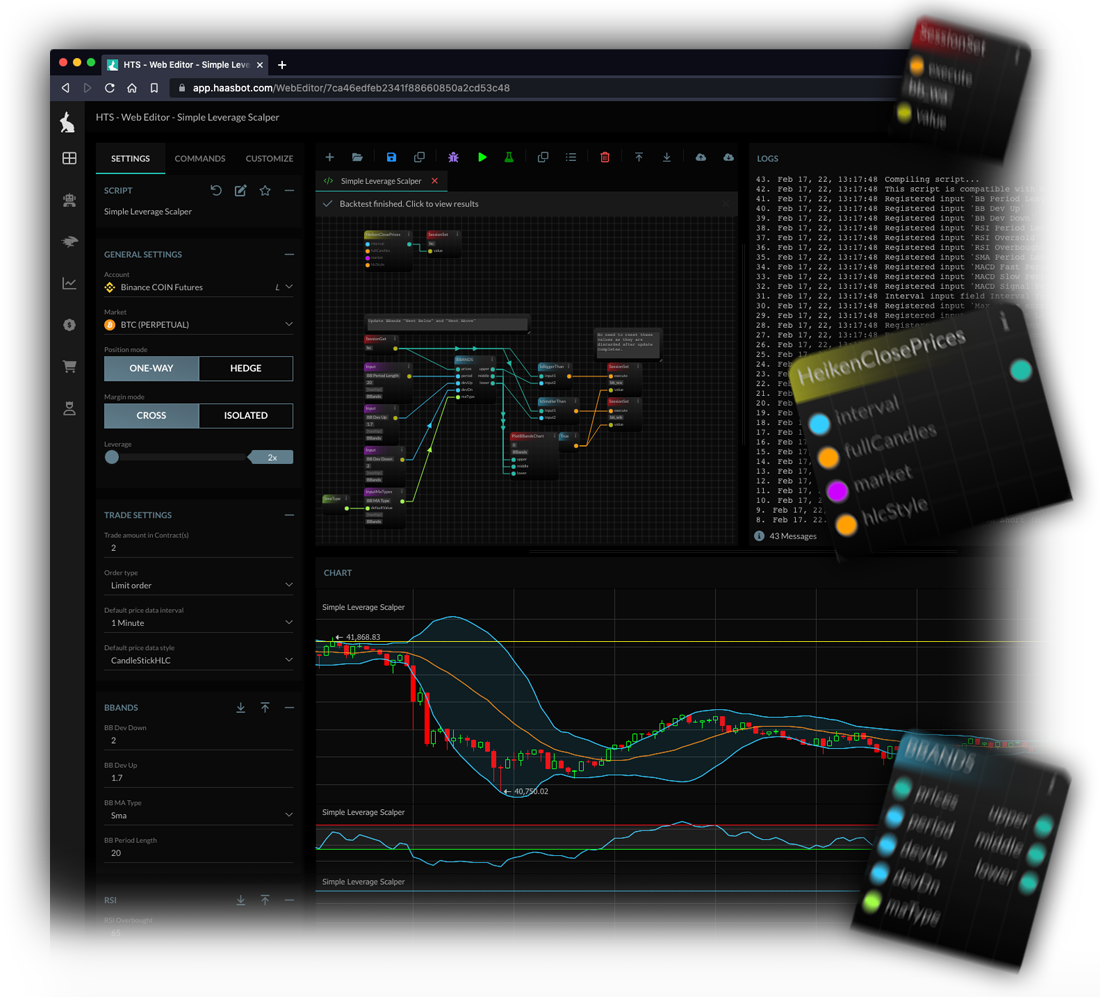
Kryll strips away coding barriers with a drag-and-drop interface, letting traders construct complex logic flows without writing a single line of Python. This visual approach democratizes algorithmic trading, allowing users to backtest strategies visually before deploying them live. It serves as a flexible sandbox for refining entry and exit rules through intuitive block-based programming.

7. HaasOnline Custom Code Execution Environment
HaasOnline caters to advanced users who demand granular control over execution logic through its proprietary HaasScript language. This environment supports highly customized indicators and complex multi-leg orders that standard bots cannot handle. It functions as a robust engine for those who prefer writing explicit code over using pre-built templates, ensuring precise trade management.
Pick the Right Fit
Choosing an AI crypto trading bot is less about finding a magic money printer and more about matching software to your trading style. The right tool amplifies your strategy; the wrong one amplifies your losses. Before committing funds, evaluate these four practical dimensions to ensure the bot aligns with your risk tolerance and technical comfort.

Not all bots support every exchange. Ensure the platform integrates with your preferred exchange (e.g., Binance, Coinbase, Kraken) and supports the specific trading pairs you want to target. More importantly, check the API key permissions. A secure bot should only require "Trade" permissions, never "Withdraw." This ensures the software can execute your strategies but cannot move your funds out of the exchange.

Determine if you need a "set-and-forget" solution or a customizable engine. Beginners often prefer drag-and-drop interfaces with pre-built strategies like grid trading or DCA (Dollar Cost Averaging). Advanced traders may require access to custom scripts, Python integration, or advanced technical indicators. If you cannot configure the bot to handle specific market conditions, it may fail when volatility spikes.

Never run a new AI strategy with real capital immediately. Look for bots that offer robust backtesting capabilities using historical data to simulate performance. Additionally, a paper trading mode (demo account) is essential. It allows you to test the bot in live market conditions without financial risk, helping you identify bugs or flawed logic before your money is on the line.

AI trading bots typically charge a monthly subscription, but some also take a percentage of profits or charge per trade. Calculate the break-even point: if a bot costs $50/month, your strategy must generate at least that much in net profit to be worthwhile. Be wary of platforms with vague pricing or high withdrawal fees, which can erode your gains over time.
| Feature | Beginner Friendly | Advanced Customization |
|---|---|---|
| Strategy Builder | Drag-and-drop | Script/API |
| Paper Trading | Standard | Real-time sync |
| Support | 24/7 Chat | Community/Discord |


As an Amazon Associate, we may earn from qualifying purchases.
Choosing the right bot is a technical fit exercise, not a gambling decision. By verifying security, testing strategies in demo mode, and understanding the cost structure, you can select a tool that fits your workflow. The market rewards discipline, not just automation.
No comments yet. Be the first to share your thoughts!