
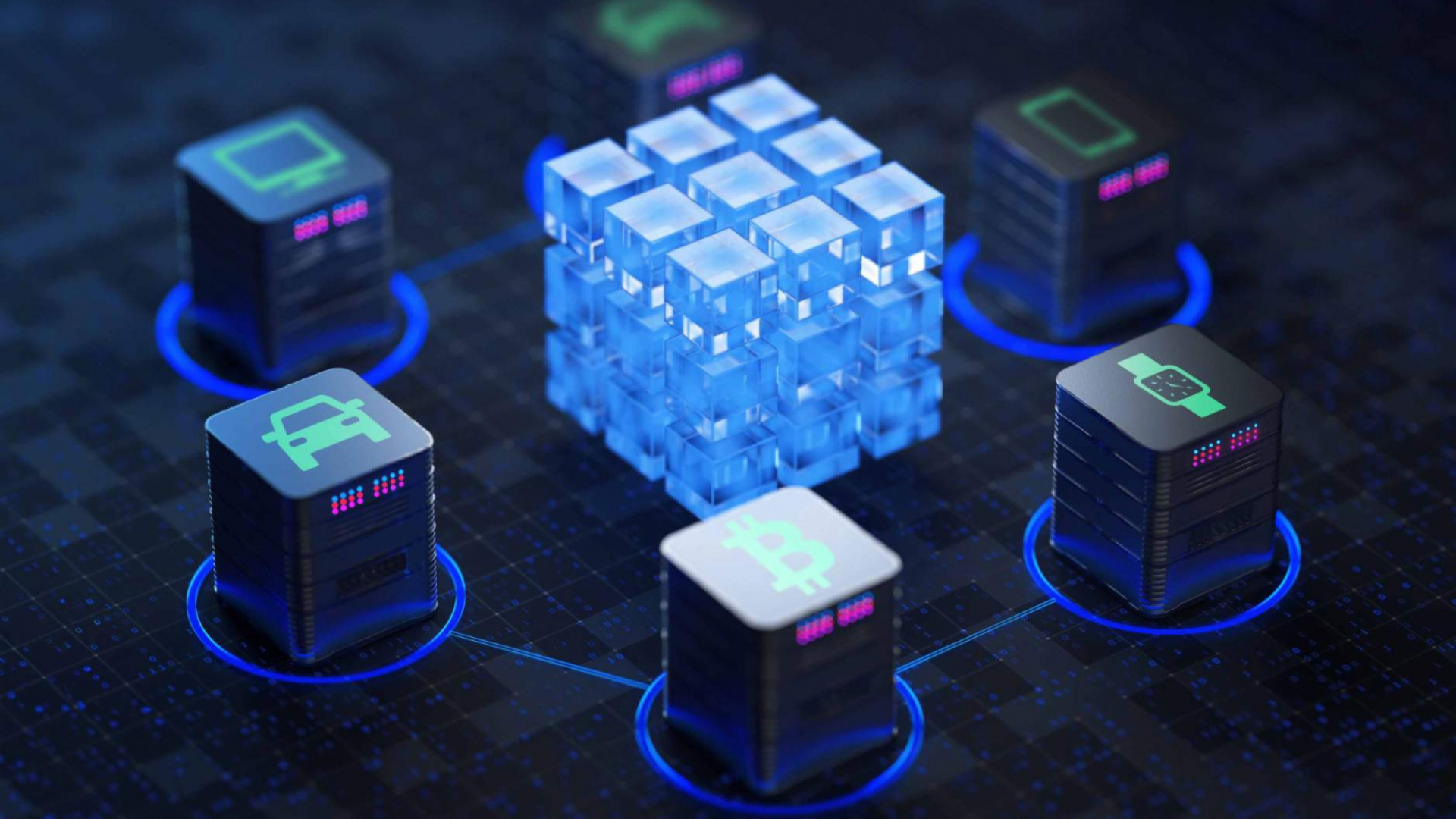
In 2025, the surge in AI workloads has turned everyday idle GPUs into hidden goldmines, thanks to DePIN AI compute networks. These decentralized platforms let anyone with spare graphics processing power tap into decentralized AI GPU earning opportunities, transforming unused hardware into steady income streams. No longer do high-end GPUs sit dormant during off-hours; instead, they fuel global AI inference, rendering tasks, and machine learning experiments while owners pocket crypto rewards.
The Rise of Idle Hardware DePIN Rewards
DePIN networks AI infrastructure 2025 is reshaping how we think about compute resources. Traditional cloud giants like AWS charge premium rates for GPU access, often leaving individual owners out in the cold. DePIN flips this script by creating peer-to-peer marketplaces where supply meets demand organically. Platforms aggregate fragmented idle capacity into robust clusters, slashing costs for AI developers by up to 90% compared to centralized alternatives. This isn't just theory; projects like Render and io. net are proving it daily, with users reporting consistent payouts for contributing even modest setups.
What draws me to this space as a portfolio manager is the balance it strikes between accessibility and scalability. Small-scale miners or gamers with RTX 4090s can join alongside data centers, earning proportionally without upfront infrastructure bets. Yet, risks linger - network reliability, token volatility, and varying demand cycles demand a measured approach. Still, the projected $3.5 trillion DePIN market by 2028 signals long-term potential for those who position early.
Leading Platforms Powering Crypto Powered GPU Compute
Diving into the ecosystem, several standouts dominate DePIN AI compute idle GPU monetization. DePINed offers a plug-and-play app that shares your computer's power and bandwidth securely, rewarding with $DEPIN tokens hourly. It's ideal for beginners wary of complexity, as it sidesteps personal data exposure entirely.
Nosana, on Solana, targets AI enthusiasts with its GPU grid. Contributors earn $NOS by renting out idle resources for heavy workloads, undercutting big cloud prices significantly. Similarly, io. net pools diverse GPUs into scalable clusters, using $IO tokens to incentivize a global network that's responsive and cost-effective.
Aethir specializes in high-end applications like AI inference and gaming, partnering with data centers to monetize downtime via ATH tokens. These platforms aren't clones; each carves a niche, from edge computing to enterprise-grade rendering. Explore how such networks address AI's GPU crunch, blending efficiency with profitability.
Top 5 DePIN GPU Monetization Platforms
- DePINed: Share idle computer power and bandwidth via a simple app. Earn $DEPIN tokens hourly based on contributions. Secure—no access to personal files. Visit site
- Nosana: Solana-based GPU compute grid for AI workloads. Contribute idle resources and earn $NOS tokens. Bypasses costly cloud overhead.
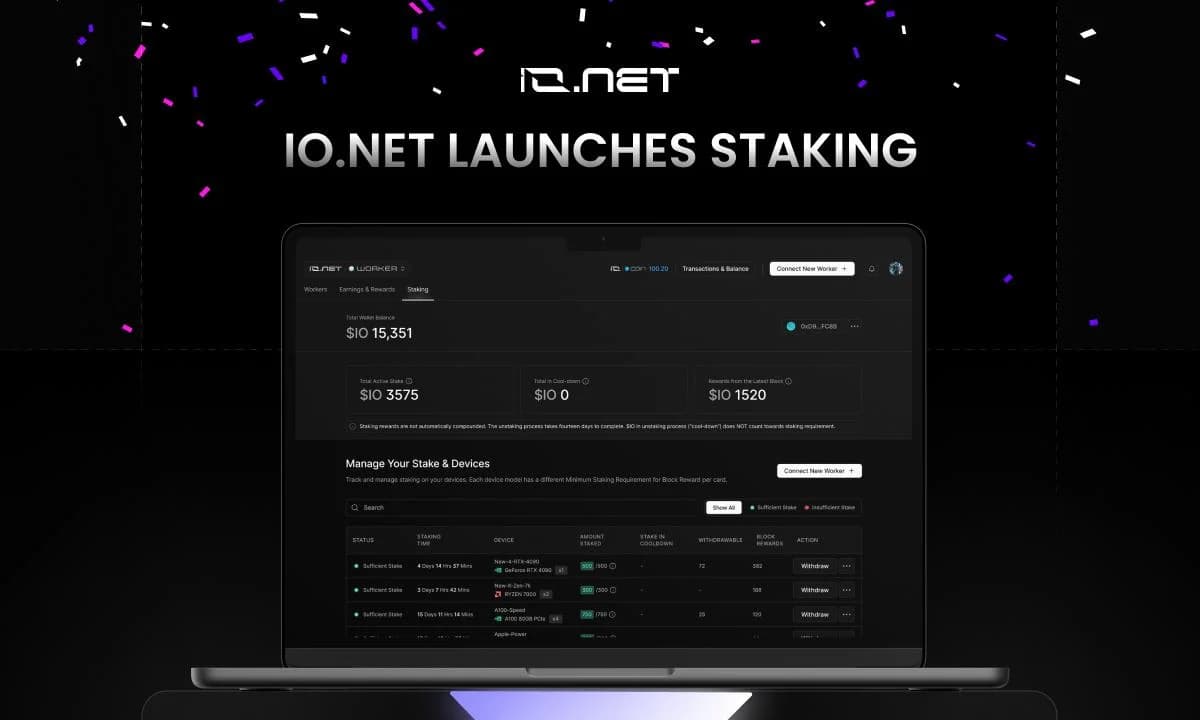
- io.net: Aggregates idle GPUs for scalable AI/ML clusters. Powered by $IO token on Solana. Offers compute at lower costs than centralized providers.
- Aethir: Decentralized cloud for AI inference and gaming. Data centers monetize idle GPUs, earning ATH tokens efficiently.
- Render Network: Connects GPU demand with idle supply for rendering and AI. Earn passively with $RENDER token on unused hardware.

Technological Edges Driving Adoption
Beyond platforms, innovations like the REACH framework are game-changers. This Transformer-based scheduler optimizes tasks across community GPUs, juggling performance, cost, and reliability to boost completion rates. Meanwhile, Ratio1 AI Meta-OS unifies MLOps across edge devices, turning scattered idle hardware into a seamless supercomputer. These tools mitigate DePIN's pain points - heterogeneity and latency - making networks viable for production AI.
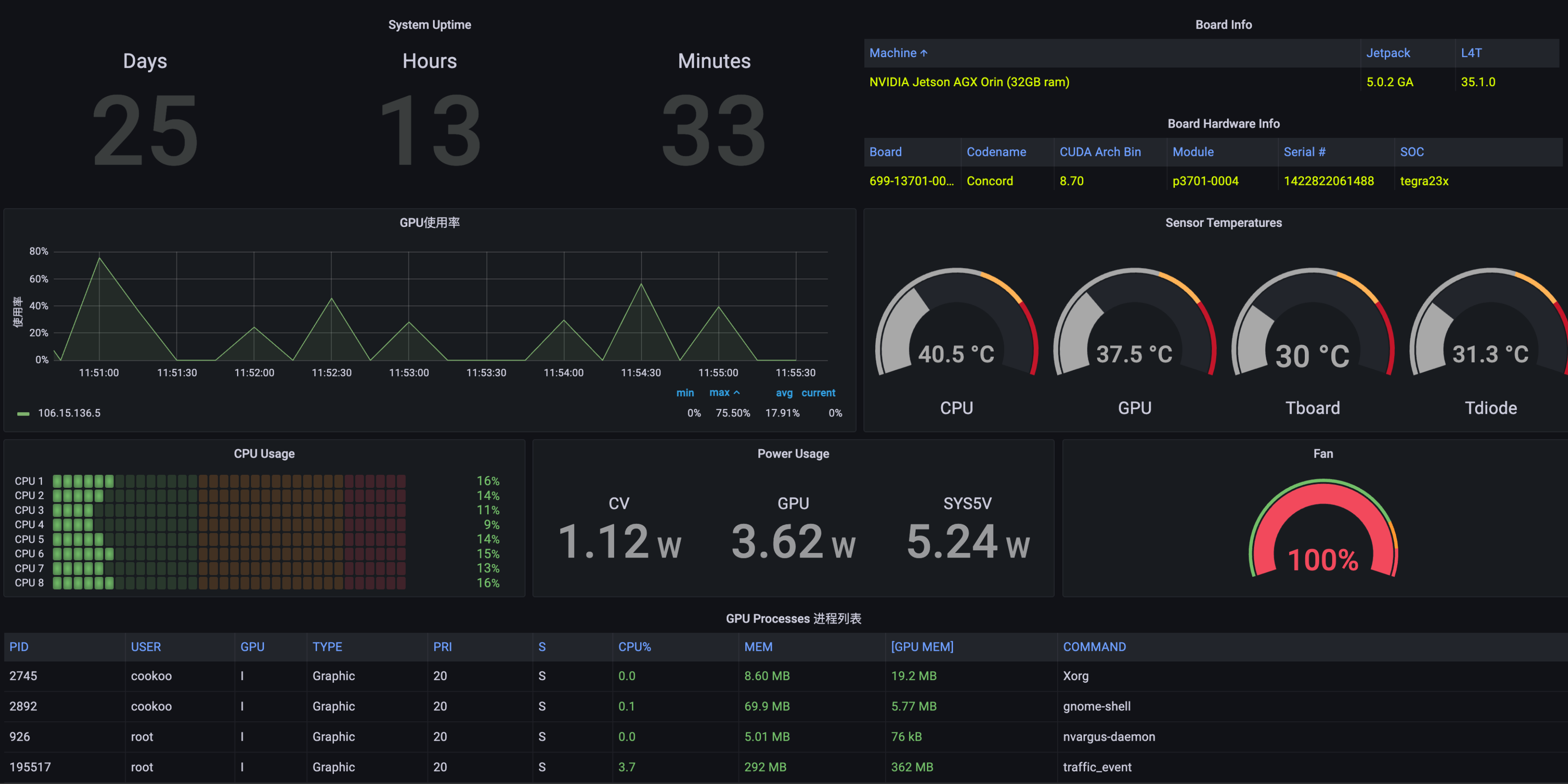
Consider the user experience: install software, verify hardware, and watch earnings accrue. Nosana's dashboard, for instance, provides real-time metrics on utilization and rewards, fostering trust. But balance demands caution; not every GPU qualifies (think VRAM thresholds), and electricity costs can nibble margins on low-end rigs. I've advised clients to start small, diversify across 2-3 networks, and monitor tokenomics closely for sustainable yields.
Practical entry into these networks requires selecting hardware that meets minimum specs, typically NVIDIA GPUs with 8GB and VRAM for meaningful contributions. Start by assessing your setup's uptime potential; a gaming rig active evenings might net $5-20 daily on io. net, depending on demand spikes for AI inference. Diversification remains key in my balanced approach: allocate across platforms to hedge against one network's downtime or token dips.
Maximizing Returns: Strategies from the Frontlines
Providers succeeding in crypto powered GPU compute follow proven tactics. Optimize cooling to sustain 24/7 operation without thermal throttling, which can halve effective output. Pair this with dynamic pricing tools on platforms like Aethir, where hosts bid competitively during peak AI training seasons. Integrate monitoring scripts for real-time performance tweaks, ensuring your GPUs punch above weight in task allocation.
7 Strategies to Max GPU Earnings
- Optimize Uptime: Run your GPU 24/7 on platforms like DePINed, which pays $DEPIN tokens hourly based on contribution. Use monitoring tools to minimize downtime and ensure security for personal data.
- Monitor Tokenomics: Track token values and incentives for $DEPIN, $NOS, $IO, and $ATH. Stay updated on platform emissions and demand via resources like DePINscan to time contributions effectively.
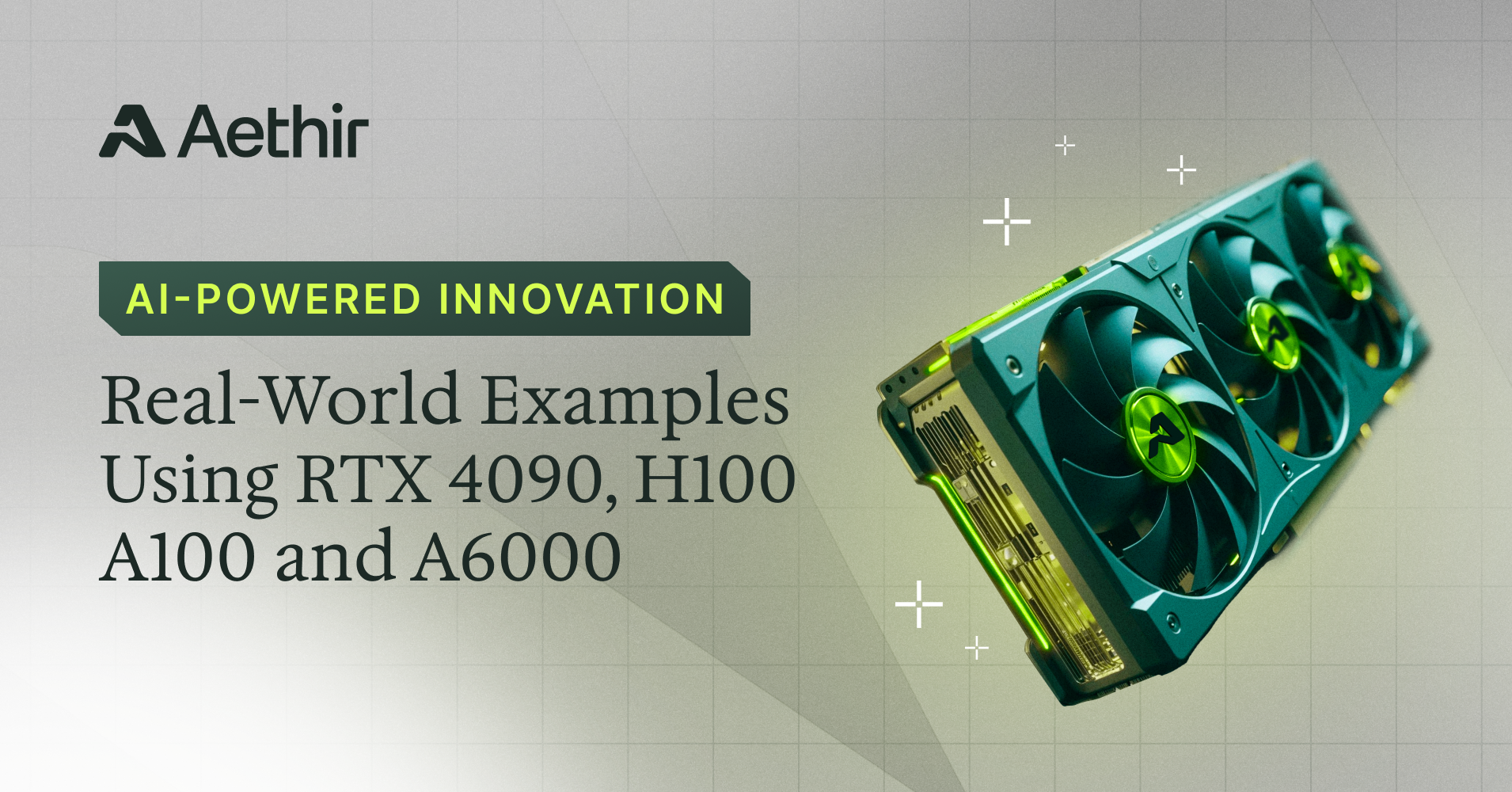
- Upgrade VRAM: Prioritize GPUs with high VRAM (e.g., 24GB+ like RTX 4090) for premium AI workloads on io.net and Aethir, as they command higher rates in decentralized compute grids.
- Join Communities: Engage in forums for Nosana, Aethir, and Render on Discord/Telegram for tips on optimization, troubleshooting, and exclusive node opportunities to boost earnings.
- Automate Bidding: Use scripts or tools like the REACH Framework (arxiv) to automate task scheduling and bidding, improving efficiency on community GPU platforms.
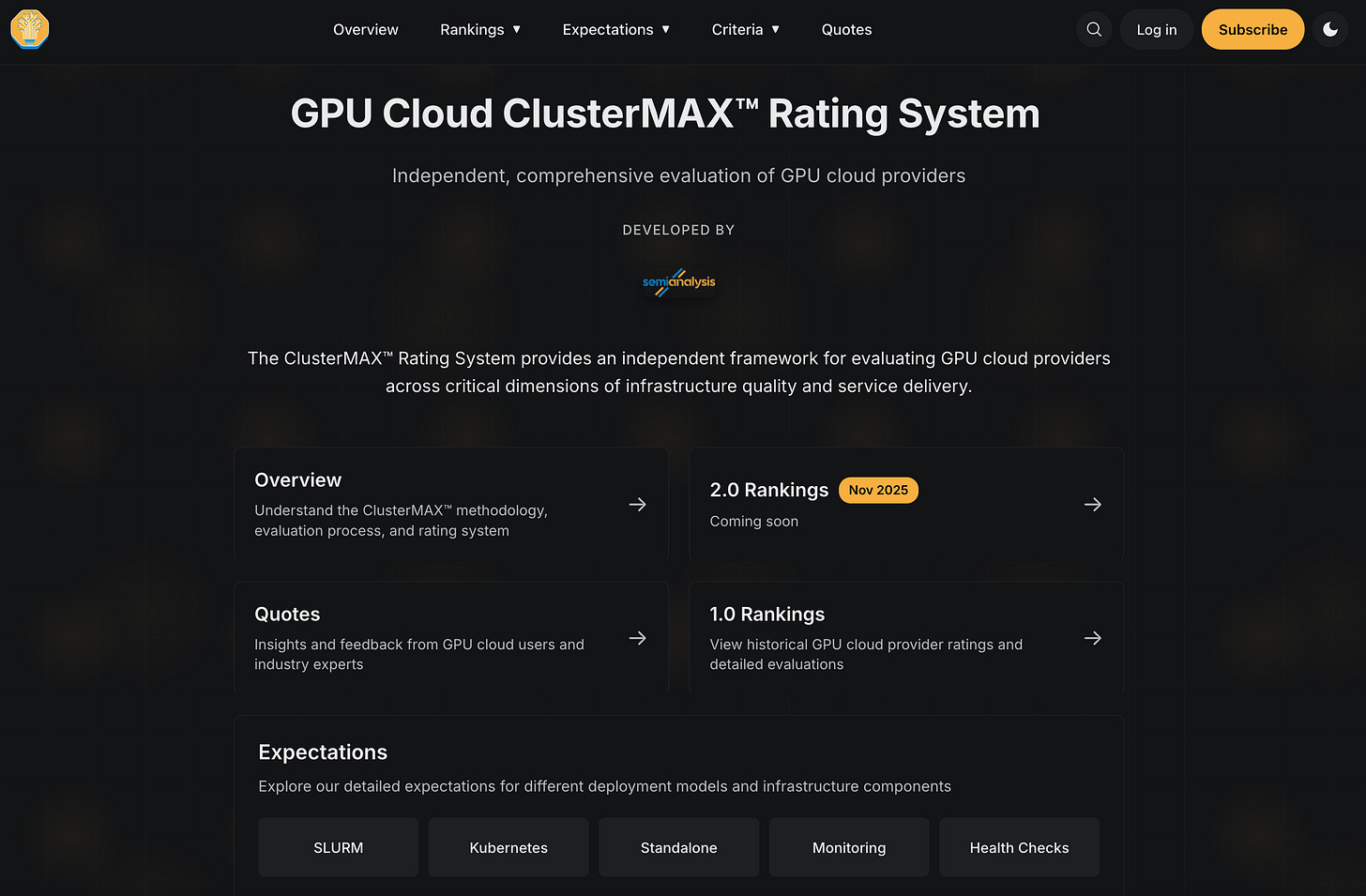
- Track Electricity Costs: Calculate net profits by monitoring power usage (e.g., 300W+ for high-end GPUs) against rewards. Tools help ensure participation in Aethir or io.net remains profitable.
Community forums buzz with tales of gamers funding upgrades solely from idle hardware DePIN rewards. Yet, thoughtful participation means calculating net yields post-electricity; a $0.15/kWh rate might erase gains on older cards. I've seen portfolios blend 10-20% DePIN exposure with stables for stability, capturing upside without overcommitment.
Risks and Mitigation in DePIN Networks AI Infrastructure 2025
No opportunity lacks pitfalls. Token volatility plagues $NOS or $IO, with 30-50% swings tied to broader crypto cycles. Network congestion during hype waves delays payouts, while slashing mechanisms penalize unreliable nodes. Security audits on platforms like Nosana help, but users must enable firewalls and avoid root access grants.
Risks vs Mitigations in DePIN AI Compute Networks
| Risk | Impact | Mitigation Strategy | Example Platform |
|---|---|---|---|
| Token Volatility | High price swings | Diversify and stake | io.net |
| Downtime Penalties | Lost rewards | UPS backups | Aethir |
| Security Breaches | Data exposure | App sandboxes | DePINed |
Regulatory shadows loom too, as governments eye decentralized compute for energy use. Balance favors those tracking policy shifts alongside tech metrics. In my view, starting with test runs on low-stakes rigs builds intuition before scaling.
Looking ahead, integrations like REACH's scheduling promise 20-30% efficiency gains, drawing enterprises to hybrid DePIN-cloud models. Render's rendering niche expands into metaverse builds, while Bittensor incentivizes specialized AI subnetworks. As DePIN networks AI infrastructure 2025 matures, expect liquidity pools for instant GPU swaps, further commoditizing capacity.
For portfolio managers, DePIN introduces uncorrelated alpha; yields often outpace bonds amid AI boom. Gamers and miners alike find empowerment, turning hobbies into hedges. Engage thoughtfully: research token vesting, join discords for alpha, and scale with conviction. This ecosystem not only monetizes silicon but democratizes AI's engine, fostering a more equitable compute landscape.

No comments yet. Be the first to share your thoughts!