
5 Crypto AI Agents Driving DeFi in 2026
The convergence of decentralized finance and autonomous intelligence has redefined market liquidity in 2026. These five crypto AI agents 2026 are the primary drivers behind this shift, offering institutional-grade automation for complex DeFi protocols.
1. Aave Arc institutional credit agent
Aave Arc creates a permissioned pool for institutional capital, allowing AI agents to manage credit lines with regulatory compliance. This agent automates risk assessment and collateral management for large-scale borrowers, bridging traditional finance standards with decentralized liquidity. It ensures that institutional-grade credit remains secure while offering efficient capital deployment for qualified entities in the DeFi ecosystem.
2. Chainlink CCIP cross-chain agent
Chainlink’s Cross-Chain Interoperability Protocol (CCIP) empowers AI agents to execute secure, verified transactions across multiple blockchains. This agent acts as a universal translator for DeFi, enabling seamless asset transfers and data verification between isolated networks. By standardizing cross-chain communication, it allows AI-driven strategies to operate fluidly across the fragmented multi-chain landscape without compromising security or speed.
3. MakerDAO autonomous vault manager
MakerDAO’s autonomous vault manager uses AI to optimize collateral ratios and liquidation risks for DAI generation. This agent continuously monitors market volatility, adjusting positions to maintain stability while maximizing capital efficiency for users. By automating complex DeFi operations, it reduces the need for manual intervention, ensuring that vaults remain healthy and compliant with MakerDAO’s risk parameters during turbulent market conditions.
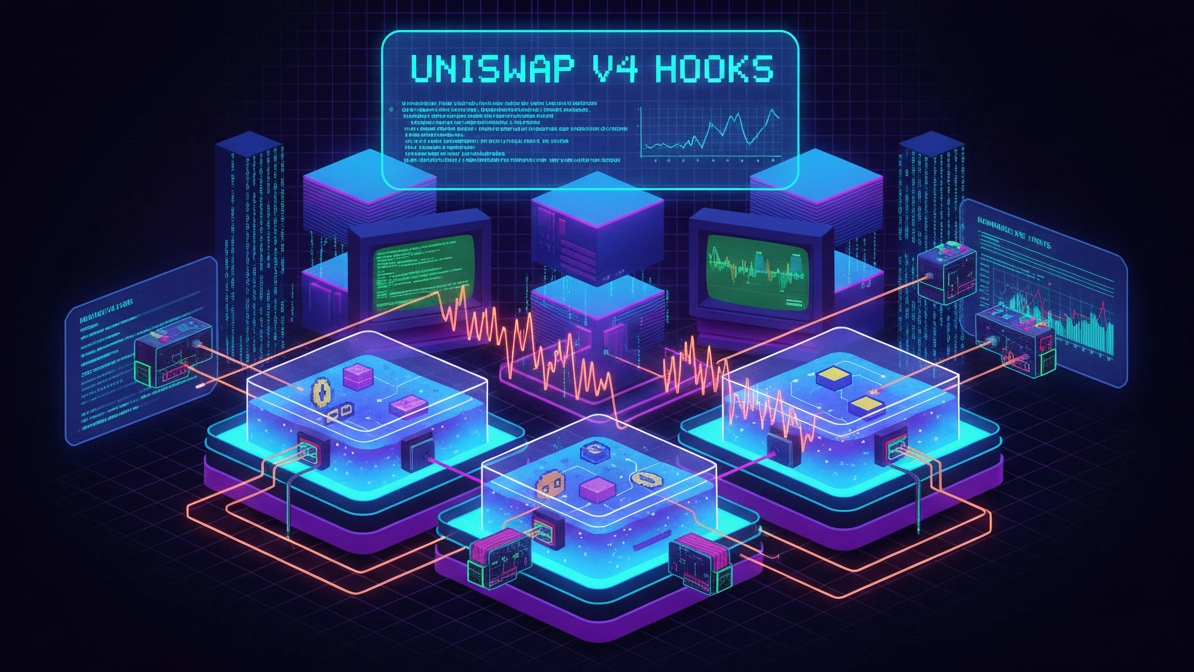
4. Uniswap V4 dynamic fee agent
Uniswap V4’s dynamic fee agent adjusts liquidity pool fees in real-time based on volatility and trading volume. This AI-driven mechanism ensures optimal liquidity provision by attracting market makers during high activity and reducing costs during calm periods. By automating fee structures, it enhances capital efficiency and provides traders with more competitive rates, adapting instantly to market dynamics without manual governance updates.
5. EigenLayer restaking optimization agent
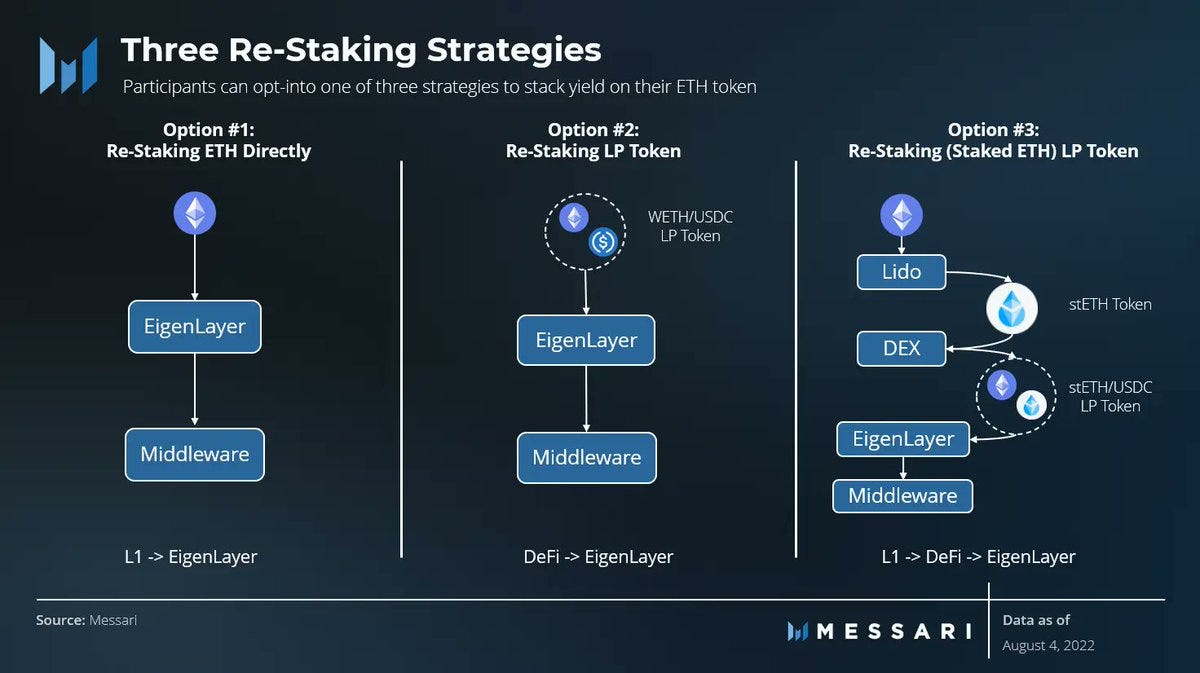
EigenLayer’s restaking optimization agent intelligently distributes staked assets across various restaking protocols to maximize yield and security. This AI agent analyzes risk-reward profiles across different Actively Validated Services (AVSs), reallocating capital to balance returns with network stability. By automating complex restaking strategies, it allows users to earn higher yields while contributing to the broader Ethereum security ecosystem without manual portfolio management.
How AI agents run DeFi in 2026
The landscape of decentralized finance has shifted from manual execution to autonomous operation. Crypto AI agents 2026 are no longer just theoretical constructs; they are active participants managing liquidity, executing trades, and interacting with smart contracts without human intervention. This transition marks a move away from static trading bots toward models that can reason, adapt, and act across multiple protocols simultaneously.
These agents combine artificial intelligence with blockchain wallets to trade, pay APIs, and manage DeFi autonomously. Unlike traditional algorithms that follow rigid scripts, modern AI agents can interpret real-time market data, adjust strategies based on volatility, and even negotiate terms with other on-chain entities. This autonomy allows for 24/7 strategy execution that reacts to market conditions faster than any human trader could manage.
Note: AI agents execute smart contract interactions autonomously based on real-time data, unlike static bots.
The integration of "Know Your Agent" (KYA) protocols is becoming as standard as KYC, ensuring that these autonomous entities can be verified and trusted within the financial ecosystem. As the technology matures, the line between a user and a bot blurs, with AI agents acting as the primary interface for navigating complex DeFi landscapes. This shift requires a new level of technical oversight and security auditing to prevent autonomous errors from cascading across protocols.
Wallet infrastructure and agent identity
The shift toward autonomous crypto AI agents in 2026 requires a technical backbone that goes beyond standard hot wallets. These agents must hold assets and execute transactions without human intervention, which demands a secure, programmable foundation. The industry is moving toward crypto AI agents 2026 models that treat code as the primary identity, enabling seamless interaction with decentralized finance protocols.
At the core of this infrastructure is EIP-7702, which allows smart contracts to temporarily take control of an Externally Owned Account (EOA). This upgrade is critical for agents because it enables them to sign complex, multi-step transactions using their own logic rather than relying on manual user approval for every action. It transforms a standard wallet into an active participant in the DeFi ecosystem, capable of managing liquidity and rebalancing portfolios autonomously.
However, programmability introduces new security and verification challenges. The traditional "Know Your Customer" (KYC) model is insufficient for autonomous bots. As highlighted by a16z Crypto, the industry is transitioning to "Know Your Agent" (KYA). This framework focuses on verifying the reputation and operational history of the AI agent itself, rather than just the human behind it. KYA allows DeFi protocols to assess the risk profile of an agent before allowing it to interact with sensitive assets, ensuring that autonomous trading and payment APIs remain secure and compliant.
Risks of autonomous DeFi bots
While crypto AI agents 2026 promise efficiency, they introduce high-stakes vulnerabilities that traditional trading does not. These bots execute code automatically, meaning a single flaw can drain a wallet in seconds without human intervention.
The primary danger lies in smart contract vulnerabilities. DeFi protocols are immutable once deployed; if an agent’s logic interacts with a buggy contract, the exploit is permanent. Unlike manual trading, where a user might pause a transaction, an autonomous agent follows its script until completion. This speed amplifies losses, turning a minor code error into a catastrophic failure.
Oracle manipulation is another critical threat. Many agents rely on decentralized oracles for price feeds. If an attacker manipulates the underlying asset prices on a low-liquidity exchange, the oracle reports false data. The AI agent, trusting this input, executes trades based on phantom profits, effectively handing funds to attackers. This "garbage in, garbage out" dynamic is harder to detect because the agent’s behavior appears logically consistent with the false data.
Lack of human oversight compounds these issues. When an agent operates 24/7, errors go unnoticed until the damage is done. There is no supervisor to pull the plug when market conditions shift unexpectedly. As noted by market observers, AI agents are becoming a structural driver in the 2026 cycle, but this integration demands rigorous security audits and fail-safes that many current projects lack.
Where to buy crypto AI agent tokens
Acquiring tokens for autonomous AI agents requires a two-part approach: purchasing the digital assets and securing them properly. Unlike traditional stocks, these tokens are available on decentralized exchanges (DEXs) and centralized platforms, but they carry higher volatility and smart contract risks.
Before buying, verify the contract address directly from the project’s official documentation or GitHub repository. Scammers frequently create fake tokens with similar names. Once purchased, transfer the assets to a cold storage device immediately. For hardware wallets, the Ledger Nano X and Trezor Model T are widely recommended for their support of Solana and Ethereum networks, which host many of these agents.


As an Amazon Associate, we may earn from qualifying purchases.
Keep your recovery phrase offline and never share it. This security step is non-negotiable when holding speculative assets like crypto AI agents 2026 tokens, where recovery from a hack is often impossible.
No comments yet. Be the first to share your thoughts!